
 Worksheets
Unit 6: Astronomy Review
Total questions: 49
Worksheet time: 1hrs 7mins
Name
Class
Date
1.
This person was the first to use a telescope to make observations in the sky:
a)
Aristotle
b)
Ptolemy
c)
Copernicus
d)
Galileo
2.

This image shows the:
a)
Geocentric Solar System
b)
Heliocentric Solar System
3.
The strength of gravity between two objects depends on two factors:
a)
mass and distance between the objects
b)
mass and matter
c)
distance between the objects and weight
d)
weight and mass
4.

A model of the solar system in which Earth and the other planets revolve around the SUN.
a)
Heliocentric Solar System
b)
Geocentric Solar System
5.
What does "helios" mean?
a)
Earth
b)
center of
c)
Sun
d)
moon
6.
This person discovered moons on Jupiter, which helped to support the heliocentric theory...
a)
Aristotle
b)
Copernicus
c)
Ptolemy
d)
Galileo
7.
The path that a body follows as it travels around another body.
a)
Solar System
b)
Prominence
c)
Orbit
d)
Geocentric
8.
A force of attraction between objects that is due to their masses.
a)
Solar Flare
b)
Orbit
c)
Gravity
d)
Centripetal Force
9.
Because of inertia, a resting object will remain at ________.
a)
rest
b)
a constant speed
c)
school
d)
inertia
10.
Your mass increases on a large planet with more gravity.
a)
True
b)
False
11.
On Earth, which has a greater gravitational force acting on it?
a)
an iPhone
b)
a laptop
c)
a cat
d)
a car
12.
Which planet has the greatest attraction to the sun?
a)
Mercury
b)
Venus
c)
Earth
d)
Mars
13.
The astronomer Copernicus publicly states in the 1500s that the Earth...
a)
does not move
b)
moves in a straight line
c)
revolves around the sun
d)
is the center of the solar system
14.
Our solar system began as a...
a)
nebula
b)
quasar
c)
prototype
d)
neutron star
15.

Which season is taking place in the Southern Hemisphere in Position 4?
a)
Winter
b)
Spring
c)
Summer
d)
Fall
16.
To change the motion of an object, inertia must be overcome by a __________ acting on the object.
a)
temperature
b)
speed
c)
force
d)
velocity
17.

Which season is taking place in the Southern Hemisphere in Position 3?
a)
Winter
b)
Spring
c)
Summer
d)
Fall
18.
Which has more gravitational force acting upon it?
a)
a bus
b)
a train
c)
a car
d)
a person
19.
How old is our universe?
a)
13.8 thousand years
b)
13.8 million years
c)
13.8 billion years
d)
13.8 trillion years
20.
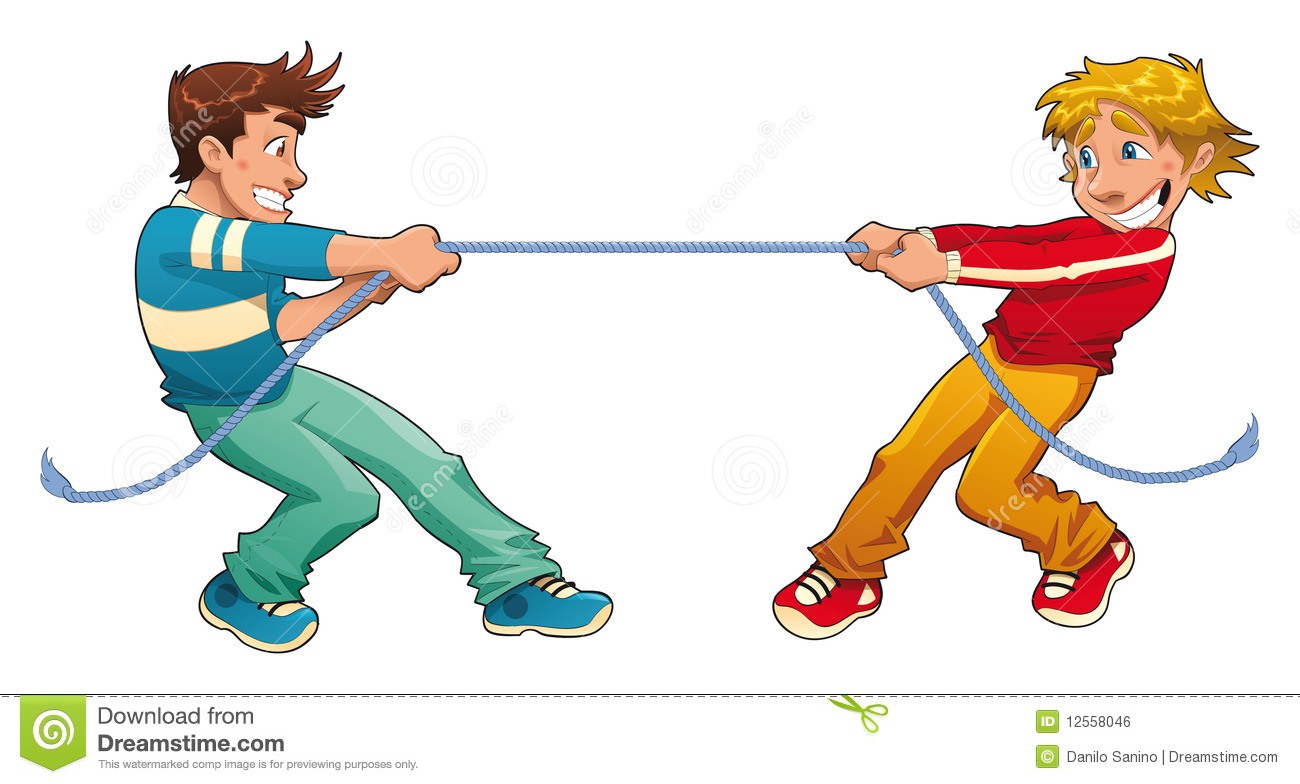
If these boys are pulling with the same amount of force. What will happen?
a)
The boy in blue will win.
b)
They will not move at all.
c)
The boy in red will win.
d)
Both will fall down.
21.
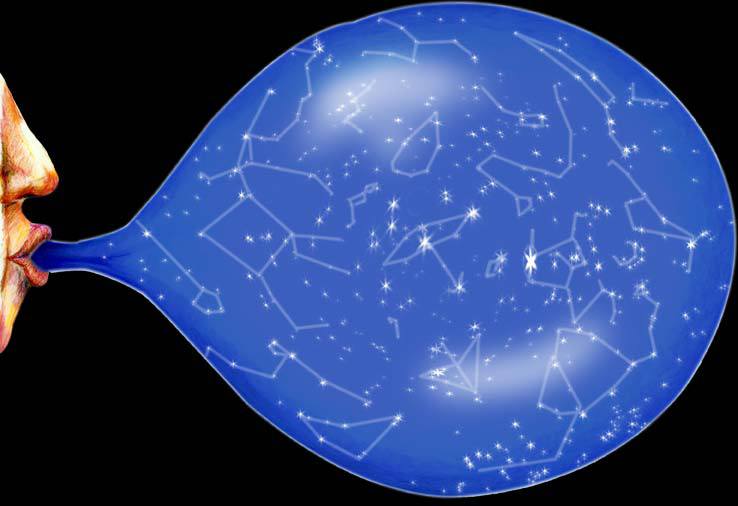
What does the Big Bang theory suggest?
a)
The universe was just there
b)
The Milky Way is the only solar system
c)
The universe is continually expanding
d)
The universe is collapsing in toward a single point
22.
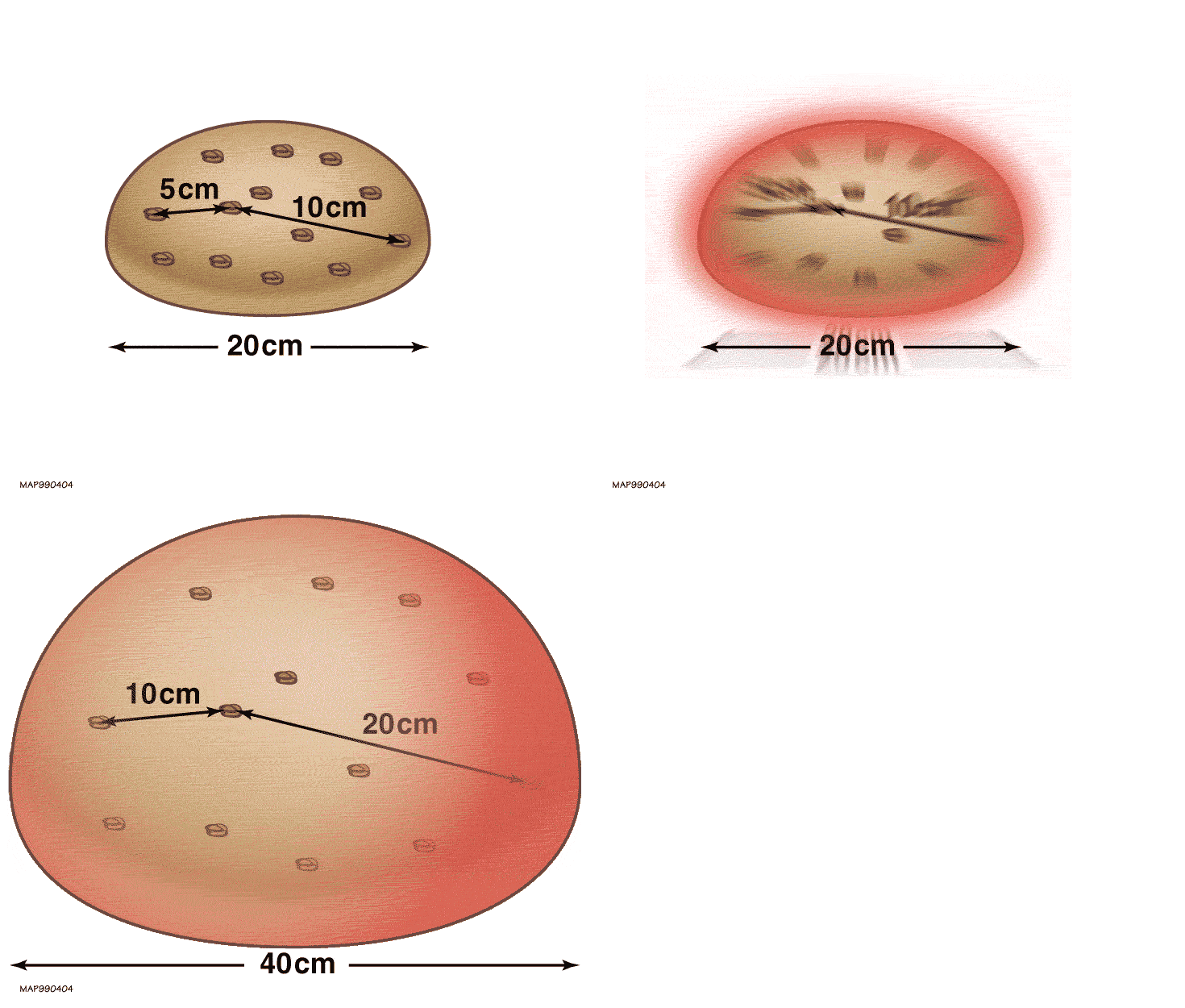
Who discovered that the galaxies were moving away from one another?
a)
Edwin Hubble
b)
Issac Newton
c)
Albert Einstein
d)
Sheldon Cooper
23.

Which season is taking place in the Southern Hemisphere in Position 1?
a)
Winter
b)
Spring
c)
Summer
d)
Fall
24.
Mass is measured with what units?
a)
grams (g)
b)
centimeters (cm)
c)
milliliters (mL)
d)
pounds (lbs)
25.
The amount that gravity pulls on you is called
a)
mass
b)
volume
c)
density
d)
weight
26.
The farther from the sun the _____________ the revolution (year)
a)
shorter
b)
longer
27.

In the image, which of the person and their bikes will get down a hill faster?
a)
The boy because he is younger
b)
The woman because she is stronger
c)
The boy because he has a greater mass which applies a greater force
d)
The woman because she has more mass and applies a greater force
28.

Earth's ________ on its axis causes day and night.
a)
rotation
b)
revolution
c)
phase
d)
comet
29.

Which season is taking place in the Southern Hemisphere in Position 2?
a)
Winter
b)
Spring
c)
Summer
d)
Fall
30.

Earth and the other planets closest to the Sun are made mostly of _______
a)
gas
b)
metal
c)
water
d)
rock
31.

One full orbit of an object around another object is called a ________.
a)
axis
b)
rotation
c)
revolution
d)
satellite
32.

The __________ has planets, moons, comets, and asteroids.
a)
solar system
b)
earth
c)
rotation
d)
United States
33.
Asteroids "hang out" in our solar system in a place called:
a)
The Kupier Belt
b)
The Oort Cloud
c)
The Planetary Rings
d)
The Asteroid Belt
34.
Why do the sun and moon appear to move across the sky?
a)
the rotation of the solar system makes the sun and moon seem to move
b)
the rotation of the earth make the sun and moon seem to move
c)
the sun and moon revolve around earth
d)
the earth revolves around the sun and moon
35.
The time required for a body to complete a single orbit
a)
gravity
b)
inertia
c)
orbital period
d)
retrograde motion
36.
A meteorite is DIFFERENT from a comet mainly because
a)
has a tail of ice and gas
b)
is found in orbit between Jupiter and Mars
c)
enters the Earth's atmoshere
d)
has a nucleus mad of rock and snow.
37.
Which space object is larger?
a)
Asteroid
b)
Meteor
c)
Meteorite
38.

The tails of a comet are called...
a)
Gas tail and dust tail
b)
Hydrogen tail and gas tail
c)
Dust tail hydrogen tail
d)
Coma and gas tail
39.
The force that exists between any two bodies in the universe
a)
inertia
b)
gravity
c)
eccentricity
d)
pluto
40.
The amount of matter in an object is its
a)
mass
b)
volume
c)
density
d)
weight
41.
What is another name for a "dirty snowball?"
a)
Comet
b)
Meteor
c)
Asteroid
d)
Dwarf Planet
42.
When a meteor hits Earth, what is it called?
a)
meteorite
b)
meteroid
c)
meteor
d)
shooting star
43.

Most meteors DO NOT burn up before they hit Earth's ground.
a)
True
b)
False
44.

When objects strike the surface of a planet or moon, they leave a deep impression on the surface called a:
a)
Pothole
b)
Crater
c)
Canyon
d)
Plateau
45.
The belt between Mars and Jupiter
a)
Comets
b)
Asteroids
c)
Meteors
d)
Stars
46.
Sometimes I am called a "dirty snowball". I have a hydrogen cloud, coma, and a nucleus. I am invisible except when near the sun. What am I?
a)
Asteroid
b)
Star
c)
Meteor
d)
Comet
47.
What is a meteor called when it's in space?
a)
meteroid
b)
meteor
c)
meteorite
48.
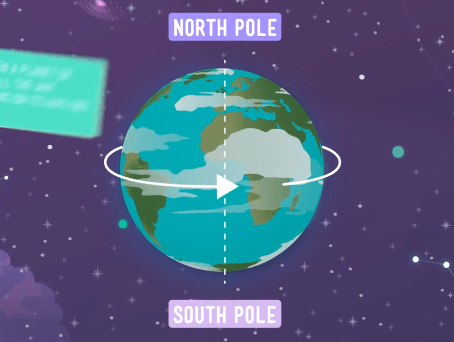
The spinning movement of the Earth about its axis is called the Earth's _____
a)
revolution
b)
rotation
c)
precession
d)
orbit
49.
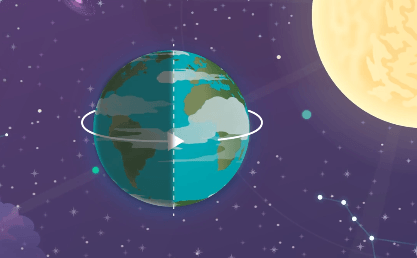
The Earth is rotating on its axis, creating _____
a)
the 12 months
b)
the years
c)
the seasons
d)
day and night
100 %

