
 Worksheets
Science Review
Total questions: 100
Worksheet time: 2hrs 36mins
Name
Class
Date
1.
Examples of a producer
a)
frog
b)
algae
c)
worm
d)
mouse
2.
Example of a consumer
a)
worm
b)
bacteria
c)
mushroom
d)
hawk
3.
A tree is a ....
a)
composer
b)
decomposer
c)
producer
4.
Humans are considered...
a)
consumers
b)
decomposers
c)
producers
5.
Frogs are considered...
a)
consumers
b)
decomposers
c)
producers
6.
Grass is considered a ...
a)
consumer
b)
producer
c)
decomposer
7.

What is a producer?
a)
an organism that gets energy from eating other organisms
b)
an organisms that uses sunlight to make its own food
c)
an organism that gets energy from eating dead organisms, non-living material or waste
d)
an organism that uses chemical energy to make its own food
8.

An organism that gets energy from eating other organisms is a ______________
a)
producer
b)
consumer
c)
decomposer
d)
prey
9.
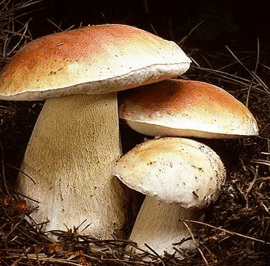
An organism that gets energy from breaking down dead organisms, non-living material or waste
a)
producer
b)
consumer
c)
decomposer
d)
autotroph
10.

Which of the following is NOT a consumer
a)
grass
b)
dog
c)
shark
d)
fish
11.
The boundary between two air masses is known as:
a)
front
b)
storm
c)
climate
d)
flood
12.
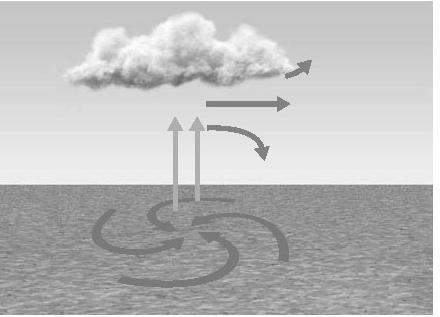
Which type of pressure system is pictured?
a)
high
b)
low
c)
medium
d)
none
13.
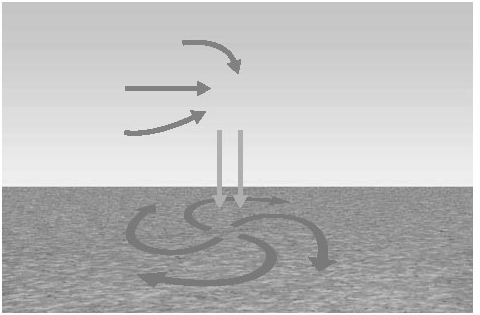
Which type of pressure system is pictured?
a)
high
b)
low
c)
medium
d)
none
14.
They are low in the sky and look soft and fluffy.
a)
Cirrus
b)
Cumulonimbus
c)
Cumulus
d)
Stratus
15.
These clouds are the closest to the ground. Their name means layer- or sheet like. They bring rain or snow and cover most of the sky.
a)
Cirrus
b)
Stratus
c)
Cumulonimbus
d)
Cumulus
16.
Which cloud brings nice weather?
a)
Cumulonimbus
b)
Cumulus
c)
Stratus
17.

what type of cloud is shown?
a)
cumulus
b)
cirrus
c)
stratus
18.

what type of cloud is shown?
a)
cumulus
b)
cirrus
c)
stratus
19.

what type of cloud is shown?
a)
cumulus
b)
cirrus
c)
stratus
20.
What comes first in the digestive system?
a)
Mouth
b)
stomach
c)
large intestine
d)
none
21.
What is the main function of the circulatory system?
a)
to make new cells
b)
to break down nutrients
c)
to help deliver messgaes
d)
to pump and deliver blood to all the cells of the body
22.
This system is responsible for getting food into the body, getting solid waste out of the body, and breaking food down into usable parts.
a)
Nervous System
b)
Digestive System
c)
Muscular System
23.
This system works with the muscular system to move the body.
a)
Respiratory System
b)
Skeletal System
c)
Nervous System
24.
This system protects the body's organs, provides support for the body.
a)
Nervous System
b)
Skeletal System
c)
Respiratory System
25.
This system allows the body to take in oxygen and excrete, or get rid of waste gases.
a)
Nervous System
b)
Muscular System
c)
Respiratory System
26.
This system includes the heart, blood vessels, veins, arteries
a)
respiratory system
b)
circulatory system
c)
nervous system
27.
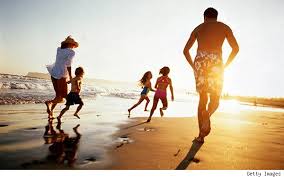
The sun shines down on this family as the play on the beach.
a)
conduction
b)
convection
c)
radiation
28.

Walking on the warm sand sand with your bare feet.
a)
conduction
b)
convection
c)
radiation
29.
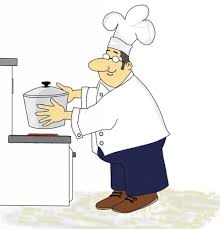
The man goes to take the hot pot off the stove with his bare hands.
a)
conduction
b)
convection
c)
radiation
30.

Heat transfers from an area of ____temperature to an area of ___ temperature.
a)
high to low
b)
low to high
c)
high to high
31.
Poor conductors like wood and plastic are called:
a)
conductors
b)
insulators
c)
burners
32.
The wire in an electromagnet acts as the:
a)
conductor
b)
insulator
c)
burner
33.
A change in the size, shape, or state of matter.
a)
chemical change
b)
physical change
c)
chemical reaction
d)
electron change
34.
Which of the following is NOT an example of a physical change?
a)
crumpled paper
b)
pencil sharpening
c)
shrunken clothing
d)
sour milk
35.
Kim puts an ice cube in a beaker and it melts. This is a good example of:
a)
a physical change.
b)
a chemical change.
c)
an experiment.
d)
an analysis.
36.
Adding baking soda and vinegar together and it fizzes and creates carbon dioxide.
a)
Chemical
b)
Physical
37.
Which is a chemical change?
a)
freezing fruit juice
b)
slicing a potato
c)
boiling water
d)
copper metal turning green
38.
What characteristic would a child not inherit from parents?
a)
freckles
b)
eye color
c)
hair style
d)
dimples
39.

A Chimpanzee using a stick to collect ants to have as a snack in an example of . . .
a)
Inherited Trait
b)
Learned Behavior
c)
Instinctive Behavior
40.
The Color of a Dog's Fur
a)
Inherited Trait
b)
Learned Behavior
41.
Freckles
a)
Inherited Trait
b)
Learned Behavior
42.
Which characteristic is inherited?
a)
hair color
b)
sleeping late
c)
enjoying hiking
d)
loving to read
43.
What is NOT an example of an inherited TRAIT?
a)
eye color
b)
tongue rolling
c)
height
d)
speaking a language
44.
This thin layer protects the cell and regulates what substances enter and leave the cell.
a)
cell membrane
b)
cell
c)
cell wall
d)
golgi body
45.
In a plant cell, a stiff wall surrounds the membrane, giving the cell a rigid, boxlike shape.
a)
cell membrane
b)
cell
c)
ribosome
d)
cell wall
46.
A gel-like fluid in which many different organelles are found.
a)
cell membrane
b)
nucleus
c)
organelle
d)
cytoplasm
47.
Directs all the cell's activities.
a)
mitochondria
b)
chloroplasts
c)
vacuole
d)
nucleus
48.
Which states a difference between an animal and an amoeba?
a)
An animal is made up of only one cell and an amoeba is made of many cells.
b)
An animal is found on land and an amoeba is found in water.
c)
An amoeba is single-celled and an animal is multicellular.
d)
An animal is a living organism and an amoeba is a non living organism
49.
Which is an example of a single-celled organism?
a)
bird
b)
cricket
c)
snake
d)
bacteria
50.
Which is an example of a multicellular organism?
a)
amoeba
b)
bacteria
c)
worm
d)
fungi
51.
Which body system breaks down food and sends nutrients to all of the body's organs?
a)
nervous
b)
spinal
c)
skeletal
d)
digestive
52.
Which is the main organ of the nervous system?
a)
lung
b)
kidney
c)
heart
d)
brain
53.
What is the main organ in the circulatory system?
a)
lungs
b)
brain
c)
veins
d)
heart
54.

My heart is a _________, that pumps blood through the body.
a)
Cell
b)
Tissue
c)
Muscle
d)
Bone
55.
The smallest unit that is a building block for all life.
a)
tissue
b)
organelle
c)
cell
d)
molecule
56.
Includes brain, spinal chord and neurons.
a)
nervous system
b)
endocrine system
c)
respiratory system
d)
circulatory system
57.
Which two systems work together to transport nutrients to the body for energy?
a)
The nervous and digestive systems
b)
The respiratory and circulatory systems
c)
The digestive and circulatory systems
d)
The skeletal and digestive systems
58.

Which number illustrates Condensation?
a)
1
b)
2
c)
3
d)
4
59.
Hot air (RISES / FALLS) __________.
a)
RISES
b)
FALLS
60.
Cold air (RISES/ FALLS) _________.
a)
RISES
b)
FALLS
61.
Which condition usually means cloudy, stormy weather?
a)
high pressure
b)
low pressure
62.
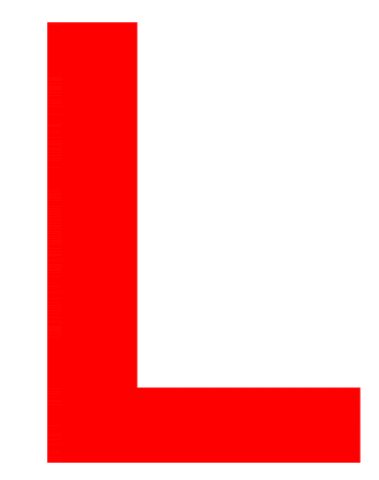
What does this symbol on a weather map indicate?
a)
High pressure system
b)
Low pressure system
c)
Cold front
d)
Warm front
63.

What part of the illustration shows Evaporation?
a)
1
b)
2
c)
3
d)
4
64.

Is this a land or a sea breeze?
a)
land breeze
b)
sea breeze
65.

Is this a land or a sea breeze?
a)
land breeze
b)
sea breeze
66.
What is the first layer of the Atmosphere? (lowest)
a)
Troposphere
b)
Thermosphere
c)
Stratosphere
d)
None of these
67.
In order for a hurricane to form, the water must be ________.
a)
Cool
b)
Warm
c)
Cold
d)
Hot
68.
what kind of heat is happening when the sun heats your body
a)
conduction
b)
convection
c)
density
d)
radiation
69.
whater boiling is an example of ____
a)
conduction
b)
radiation
c)
density
d)
convection
70.
heat energy traveling through space is an example of _____
a)
convection
b)
density
c)
radiation
d)
conduction
71.

Warm air rises and the cool air sinks demonstrates this type of heat transfer.
a)
conduction
b)
convection
c)
radiation
d)
Insolation
72.

In this experiment, the WARM red dye and the COLD blue dye was placed in the water at the same time. The warm red dye rose to the top while the cold blue dye sank to the bottom.
a)
conduction
b)
convection
c)
radiation
73.
Characteristics passed from parents to their offspring.
a)
behavior
b)
learned trait
c)
inherited trait
d)
function
74.
Which of these is an inherited trait?
a)
a person's height
b)
where a person lives
c)
a person's ability to write
d)
a person learning a new language
75.
Which of the following is an inherited trait?
a)
Tara's red hair
b)
Ryan's bank account
c)
Betty's dancing skills
d)
Marco's excellent Spanish
76.
Which is a trait that people are born with?
a)
The dislike of certain foods
b)
The ability to play the piano
c)
The ability to roll your tongue
d)
The ability to speak a foreign language
77.
All of the following are inherited traits, EXCEPT _________.
a)
Having a dream
b)
Scratching an itch
c)
Throwing a ball
d)
Crying in pain
78.

A connection of food chains with many food energy paths in an ecosystem is a ____________.
a)
ecosystem
b)
food web
c)
environment
d)
population
79.
The process in which plants use energy from the sun to make their own food is?
a)
respiration
b)
photosynthesis
c)
carbon dioxide- oxygen cycle
d)
organisms
80.

Where does the energy start in this food chain?
a)
Plant
b)
Sun
c)
Deer
d)
Wolf
81.
Why does a rolling ball stop?
a)
Gravity
b)
Friction
c)
Waterfalls
d)
Sand
82.
The amount of matter in an object
a)
weight
b)
force
c)
gravity
d)
mass
83.
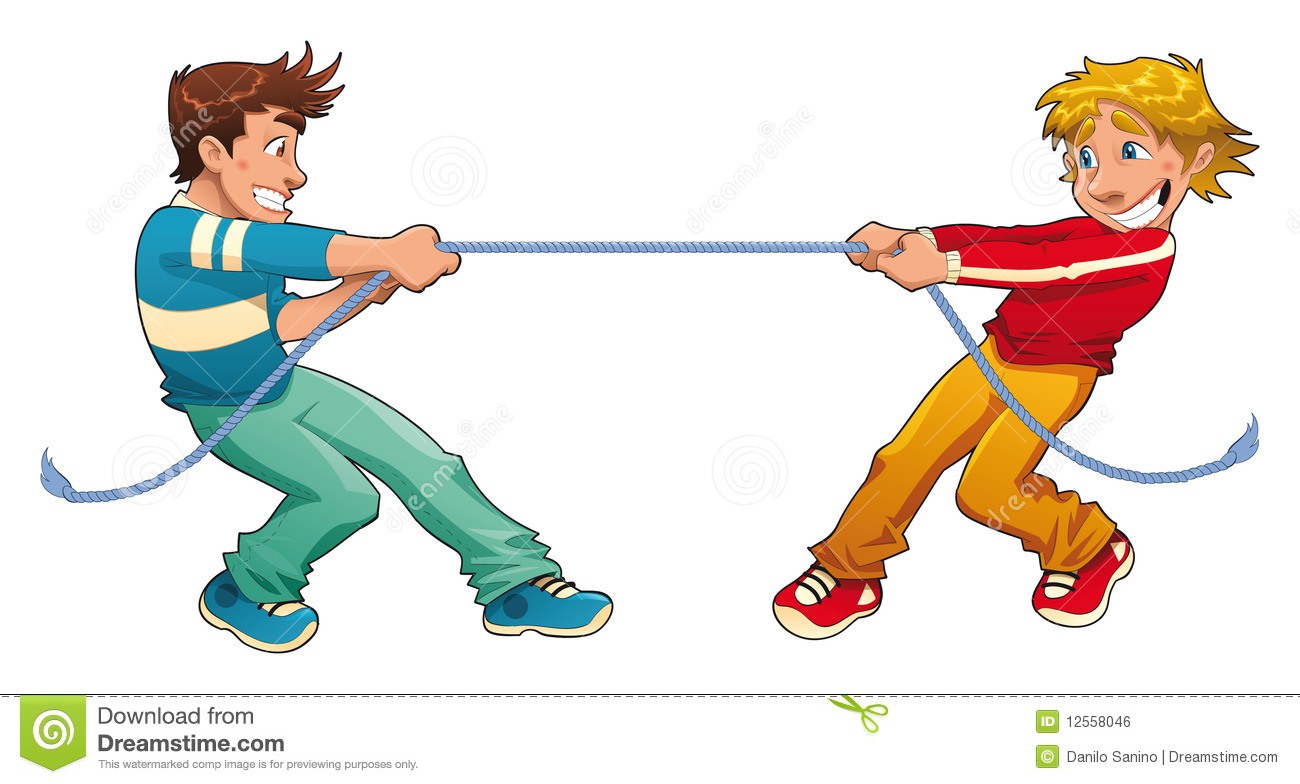
If these boys are pulling with the same amount of force. What will happen?
a)
The boy in blue will win.
b)
They will not move at all.
c)
The boy in red will win.
d)
Both will fall down.
84.
What pulls a ball back to earth?
a)
Gas
b)
Gravity
c)
Friction
d)
Molecules
85.
Maria pushes with equal force on two objects. Object 1 has twice as much mass as Object 2. Which of the following statements is true?
a)
Both objects will remain still.
b)
Object 1 will accelerate faster than object 2.
c)
Object 2 will accelerate faster than object 1.
d)
Both objects will accelerate at the same rate.
86.

During which interval is the object not moving?
a)
B to C
b)
C to D
c)
D to E
d)
only at point A
87.

During which interval is the object traveling at a constant velocity?
a)
B to C
b)
D to E
c)
F to G
d)
it traveling at a constant velocity during all of the intervals shown.
88.

What does this graph represent?
a)
Constant speed
b)
Acceleration
c)
Not moving
89.

How long did it take this object to travel 10 m?
a)
0 s
b)
10 s
c)
15 s
d)
20 s
90.
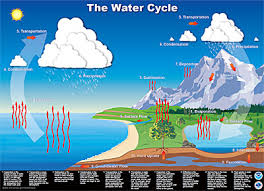
Which stage does ground water try to return to the ocean or soak into the ground?
a)
condensation
b)
evaporation
c)
precipitation
d)
run off
91.

What is A?
a)
Solid
b)
Liquid
c)
Gas
92.

What is B?
a)
Solid
b)
Liquid
c)
Gas
93.

What is C?
a)
Solid
b)
Liquid
c)
Gas
94.

what does this tool measure?
a)
wind speed
b)
wind direction
95.

what does this tool measure?
a)
wind direction
b)
wind speed
c)
air temperature
d)
humidity
96.
The water cycle has no start or end
a)
true
b)
false
97.
Which weather tool measures air pressure?
a)
thermometer
b)
barometer
c)
anemometer
d)
psychrometer
98.
The El Nino will cause what kind of weather in the southern US?
a)
cold and dry
b)
cold and wet
c)
warm and wet
d)
warm and dry
99.
La Nina will cause the weather in Texas to be
a)
warm and wet
b)
cold and wet
c)
cold and dry
d)
warm and dry
100.
Which has the greatest affect on the movement of the jet stream?
a)
differences in air temperatures
b)
amount of precipitation
c)
size of clouds
d)
The jet stream does what it wants.
100 %

