
 Worksheets
Quiz 5.1 Review
Total questions: 15
Worksheet time: 11mins
Name
Class
Date
1.
How does HIV affect the body?
a)
It produces toxins that weaken immune cells
b)
It damages immune cells while using their protein synthesis
c)
It uses nutrients meant for immune cells
d)
It changes the identity of the DNA of immune cells
2.
A(n) _____ is a virus that enters a bacterial cell.
a)
endospore
b)
decomposer
c)
plasmid
d)
bacteriophage
3.
Which of the following occurs after a virus attaches to a host cell in the viral reproduction process?
a)
The host cell dies
b)
The virus dies
c)
The virus inserts its genetic information into the host cell
d)
copies of the virus are immediately released from the host
4.
During birth, which systems are in charge of contractions?
a)
Endocrine and muscular
b)
Endocrine and reproductive
c)
Endocrine, muscular, and reproductive
d)
Endocrine, reproductive, and excretory
5.
Which viral life cycle allows viral genetic material to lay dormant while the host cell reproduces?
a)
lytic
b)
mitosis
c)
lysogenic
d)
S phase
6.
True or False?
Macrophages are engulfers
Macrophages are engulfers
a)
True
b)
False
7.
These swallow and destroy pathogens.
a)
glands
b)
phagocytes
c)
genocytes
d)
cytocytes
8.
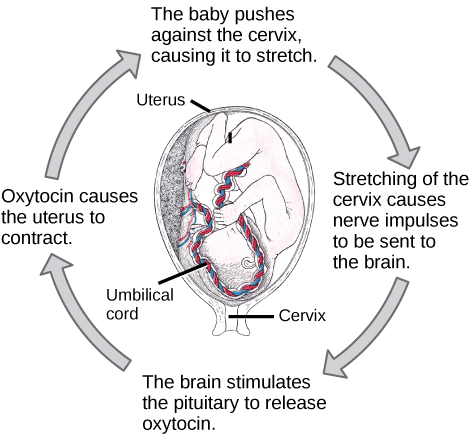
What type of feedback loop is shown?
a)
negative
b)
neutral
c)
positive
9.

Which is a function of the cardiovascular system?
a)
to move water throughout the body
b)
to transport gases throughout the body
c)
to eliminate waste from the body
d)
to provide structural support for the body
10.
What is the main function of the circulatory system?
a)
to make new cells
b)
to break down nutrients
c)
to help deliver messgaes
d)
to pump and deliver blood to all the cells of the body
11.
Moves water UP
a)
Xylem
b)
Phloem
12.
Moves nutrients up and down
a)
Xylem
b)
Phloem
13.
What is the respiratory system ?
a)
The respiratory system is the system that helps circulate our blood .
b)
The respiratory system is the system that takes in oxygen and takes the unneeded particles and creates carbon dioxide.
c)
The respiratory system is a system that is similar to the circulatory system.
d)
The respiratory system is a system that holds the heart as an internal organ.
14.
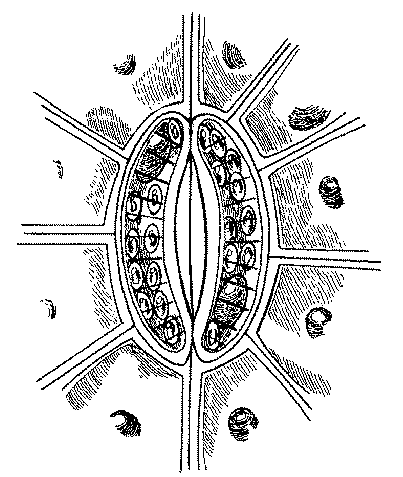
How does the stomata work?
a)
It helps transport sugars to the root cells.
b)
It helps to transport nutrients to the roots.
c)
It helps to exchange gases and water.
d)
It helps to conduct fermentation in the leaf.
15.
Which is a true statement?
a)
All microorganisms are harmful.
b)
All microorganisms are beneficial.
c)
Some microorganisms are harmful while others are beneficial.
d)
Microorganisms are beneficial only to humans.
100 %

