
 Worksheets
Grade 7 Heat and Temperature
Total questions: 28
Worksheet time: 21mins
Name
Class
Date
1.
Heat energy is ...
a)
the temperature of an object
b)
energy that transfers from high to low temperature
c)
the particles in a substance
d)
the number of particles in something
2.
Which is not part of the particle model?
a)
Matter is made up of particles.
b)
The particles are always moving.
c)
Adding heat makes the particles move faster.
d)
The particles are connected
3.
An example of a renewable resource
a)
wind
b)
coal
c)
nuclear
d)
natural gas
4.
A device that controls the temperature in your house is called a
a)
thermometer
b)
cogeneration
c)
thermostat
d)
refrigerant
5.
A system that heats a whole house is
a)
local heating
b)
central heating
c)
thermostat
d)
radiator
6.
A system that reduces wasted heat by creating heat and electricity at the same time
a)
local heating
b)
passive solar
c)
wind energy
d)
cogeneration
7.
A natural source of thermal energy
a)
Sun
b)
decay/decomposition
c)
geothermal
d)
all of the above
8.

Is this active or passive solar?
a)
active
b)
passive
c)
neither
9.

This is an example of
a)
convection
b)
conduction
c)
radiation
d)
none of the above
10.
A solar oven uses what kind of heat energy to cook food?
a)
Conduction
b)
convection
c)
radiation
d)
none of the above
11.
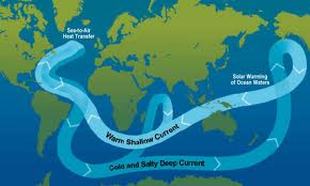
Warm water rises and cool water sinks. This is an example of
a)
convection
b)
conduction
c)
radiation
d)
none of the above
12.
This is applied to a window to allow the sun’s rays to come in, but keeps heat inside the house.
a)
Gas fill
b)
Insulation
c)
Low-E coating
d)
triple glazing
13.
A high efficiency window prevents convection in between the panes of glass by using
a)
Gas fill (krypton or argon)
b)
Insulation
c)
Low-E coating
d)
triple glazing
14.
What is an economic cost of using fossil fuels?
a)
cost of gas for your car
b)
pollution affects your health
c)
it causes climate change
15.
What is an environmental cost of using fossil fuels?
a)
cost of gas for your car
b)
cost of heating your house
c)
Causes climate change
16.
60% of the energy used in a home is consumed by
a)
lighting
b)
electronics
c)
heating
d)
washing
17.
Thermal energy is
a)
measure of how hot or cold matter is.
b)
the total kinetic energy of all the particles the substance contains.
c)
the energy that transfers from one substance to another because of differences in kinetic energy.
d)
The number of particles in a substance
18.

This is a picture of ?
a)
Active solar
b)
Passive solar
c)
None of the above
19.
Heat energy causes a substance to
a)
expand
b)
contract
c)
stay the same
20.
An increase in kinetic energy means that particles are
a)
moving slower
b)
moving faster
c)
not moving
21.
Energy produced by a dam on a river is
a)
wind
b)
hydroelectric
c)
solar
d)
nuclear
22.
An example of a conductor is
a)
styrofoam
b)
wool
c)
copper
d)
plastic
23.

The water in each is the same temperature. Which container has the most thermal energy?
a)
The one on the left, because there is more matter
b)
The one on the right because there is less matter
c)
They have the same amount of thermal energy
24.

When the polar ice melts, the earth absorbs more heat, and climate change increases. Why is this?
a)
Because the ice was keeping Earth cool by reflecting the heat from the sun.
b)
Because a convection current forms.
c)
Because the ocean levels rise
25.
A furnace creates warm air and circulates it throughout the house. This is an example of
a)
local heating
b)
hot water heating
c)
radiant heating
d)
central heating
26.
Thermal conductivity is
a)
the same as R-value
b)
a measure of temperature
c)
the ability of a material to transfer heat by conduction
d)
an insulation rating
27.
A disadvantage of nuclear energy is
a)
It is non-renewable
b)
It has some safety risks
c)
You have to store nuclear waste forever
d)
All of the above
28.

Based on this thermal image, how would you reduce heat loss in this building?
a)
insulate the walls
b)
add high-efficiency windows
c)
insulate the roof
d)
Fix air leaks
100 %

