
 Worksheets
milestone review
Total questions: 105
Worksheet time: 1hrs 27mins
Name
Class
Date
1.
The positive particles of an atom are
a)
electrons
b)
atoms
c)
neutrons
d)
protons
2.
The central region of an atom where its neutrons and protons are is called the
a)
nucleus
b)
electron cloud
c)
core
d)
center
3.
Neutrons are
a)
negative
b)
positive
c)
neutral
d)
cows
4.
Electrons are
a)
negative and in the nucleus
b)
positive and at the edge of the atom
c)
not in an atom
d)
negative and at the edge of the atom
5.
Which of the following is NOT matter
a)
air
b)
heat
c)
steam
d)
cow
6.
Element is a
a)
pure substance
b)
compound
c)
mixture
d)
molecule
7.
Is salt (NaCI) a compound or a element
a)
Compound
b)
element
8.
All matter is made of what?
a)
energy
b)
atoms
c)
electrons
d)
compounds
9.
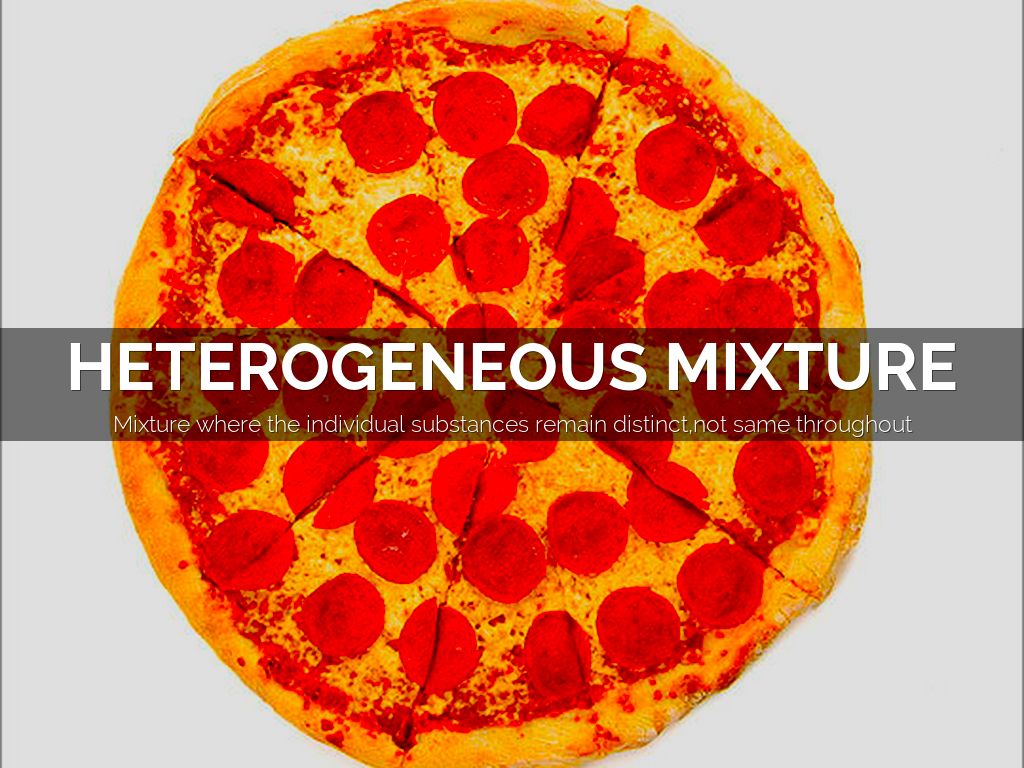
What does it mean if a mixture is heterogeneous?
a)
you can see the different parts
b)
cannot tell one part from another
c)
very well blended
d)
made of elements
10.

What does it mean if a mixture is homogeneous?
a)
you can see the different parts
b)
cannot tell one part from another
c)
chunks of particles
d)
made of elements
11.

What type of mixture is this?
a)
heterogeneous
b)
homogeneous
12.
Particles (molecules) in a ______________________ have more energy than the other states of matter.
a)
gas
b)
solid
c)
liquid
13.
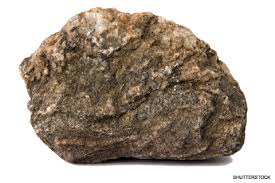
Which state of matter has tightly packed molecules?
a)
solid
b)
liquid
c)
gas
14.
Particles of a liquid
a)
are tightly packed together and stay in a fixed position.
b)
have no viscosity.
c)
decrease in volume with increasing temperature.
d)
are free to move around one another but still touch.
15.
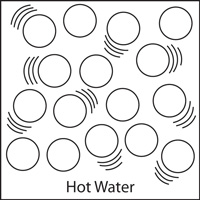
The speed of the molecules determines the _____.
a)
volume
b)
density
c)
pressure
d)
temperature
16.
what is the definition of chemical change?
a)
any change that results in the formation of new chemical substances.
b)
changing clothes
c)
matter cannot be created or destroyed, only change form
d)
changes affecting the form of a chemical substance, but not its chemical composition.
17.
which one is the definition of chemical property?
a)
a property or characteristic of a substance that is observed during a reaction where the chemical composition of a substance is changed
b)
any change that results in the formation of new chemical substances
c)
combustibility
18.
what is burning?
a)
physical change
b)
physical property
c)
chemical change
d)
chemical property
19.
which one is a chemical property?
a)
odor
b)
combustibility
c)
solubility
d)
all of the above
20.
which one is a physical change?
a)
evaporation
b)
energy
c)
sublimation
d)
evaporation and sublimation
21.
what happens when water freezes?
a)
ice is formed; chemical property
b)
cold water is formed; physical change
c)
ice is formed; physical change
d)
cold water is formed; chemical change
22.
Anything that has mass and takes up space
a)
Mass
b)
Volume
c)
Element
d)
Matter
23.
Particles are tightly packed together. They can vibrate, but cannot move out of position.
a)
Solid
b)
Liquid
c)
Gas
24.
Which of the following is a sign that a chemical reaction has occurred?
a)
change in shape
b)
melting
c)
formation of a gas
d)
dissolving
25.
Is hammering wood together to build a house a chemical or physical change?
a)
chemical
b)
physical
26.

How much does a 5 gram Hershey's kiss weigh after it is melted in the microwave?
a)
5 grams
b)
3 grams
c)
7 grams
27.
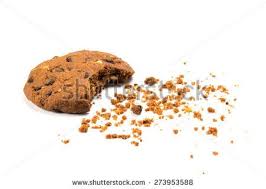
The Law of Conservation of matter states that the total amount of matter ______________ after it undergoes change.
a)
disappears
b)
stays the same
c)
weighs less
d)
explodes
28.
The Law of Conservation of Energy states:
a)
Energy can created or destroyed but not transformed
b)
Energy cannot be created or destroyed, it can only transformed
c)
Energy can't be created, destroyed or transformed
29.
According to the Law of Conservation of energy, the amount of energy before and after a reaction must be the same. Which statement below is true?
a)
The total amount of energy is conserved
b)
The total amount of energy is less after a reaction
c)
The total amount of energy is more after a reaction
30.
Which energy transformation below matches?
Water moving over a dam to move a generator?
Water moving over a dam to move a generator?
a)
kinetic to chemical
b)
kinetic to electrical
c)
solar to electrical
31.

When you eat pizza, Chemical Energy is transferred to _____ Energy.
a)
Solar
b)
Electrical
c)
Mechanical
d)
Chemical
32.

Electrical Energy is transferred to _____ Energy.
a)
Thermal
b)
Solar
c)
Electrical
d)
None
33.

A battery converts what type of energy to another?
a)
sound to kinetic
b)
light to heat
c)
mechanical to electrical
d)
chemical to electrical
34.
Energy due to motion is ____________ energy.
a)
Potential
b)
Energy
c)
Kinetic
d)
Friction
35.
__________ is stored energy.
a)
Potential
b)
Kinetic
c)
None of the above
d)
All of the above
36.

A moving skateboard
a)
Gravitational PE
b)
Kinetic
c)
Chemical PE
d)
Elastic PE
37.
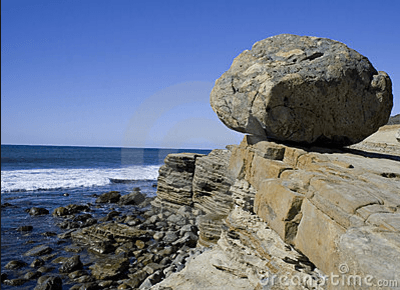
A rock at the edge of a cliff.
a)
Gravitational PE
b)
Kinetic
c)
Chemical PE
d)
Elastic PE
38.

A basketball passing through the hoop.
a)
Gravitational PE
b)
Kinetic
c)
Chemical PE
d)
Elastic PE
39.

A person climbing a ladder.
a)
Gravitational PE
b)
Kinetic
c)
Chemical PE
d)
Both Gravitational PE and Kinetic
40.
This is the energy of vibrating molecules that move through matter.
a)
sound
b)
thermal
c)
mechanical
d)
electrical
41.
This is the energy of moving electrons.
a)
nuclear
b)
electricity
c)
potential
d)
sound
42.
___________ energy can move through empty space.
a)
Sound
b)
Nuclear
c)
Electromagnetic
d)
Chemical
43.
This is the energy that can be released by breaking the bonds between compounds.
a)
electromagnetic
b)
nuclear
c)
kinetic
d)
chemical
44.
Light is a form of __________ energy.
a)
Sound
b)
Electromagnetic
c)
Fun
d)
Thermal
45.
The energy from the random movement of particles is _______ energy.
a)
chemical
b)
potential
c)
thermal
d)
interesting
46.
This is the energy that moved objects.
a)
cool
b)
nuclear
c)
chemical
d)
mechanical
47.
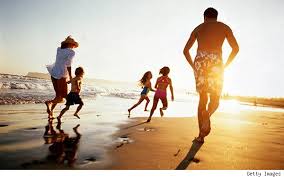
The sun shines down on this family as the play on the beach.
a)
conduction
b)
convection
c)
radiation
48.

A group of friends gather around a fire to stay warm.
a)
conduction
b)
convection
c)
radiation
49.
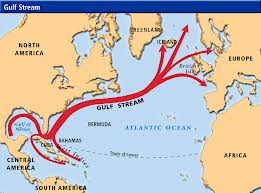
The Gulf Stream is a current that brings warm ocean water from the south to the north.
a)
conduction
b)
convection
c)
radiation
50.

Walking on the warm sand sand with your bare feet.
a)
conduction
b)
convection
c)
radiation
51.
What is velocity?
a)
the quickness of an object
b)
the location of an object
c)
acceleration
d)
speed in a specific direction
52.

The graph represents
a)
no motion
b)
constant velocity
c)
acceleration
d)
negative acceleration
53.

What is happening at E?
a)
Stationary
b)
Accelerating
c)
Fast steady speed; moving away from the starting position
d)
Steady speed; returning to start position
54.

Which runner won the race?
a)
A
b)
B
c)
C
55.

What is the person doing from 5 seconds to 10 seconds?
a)
Walking
b)
Running
c)
Standing Still
d)
Walking Fast
56.
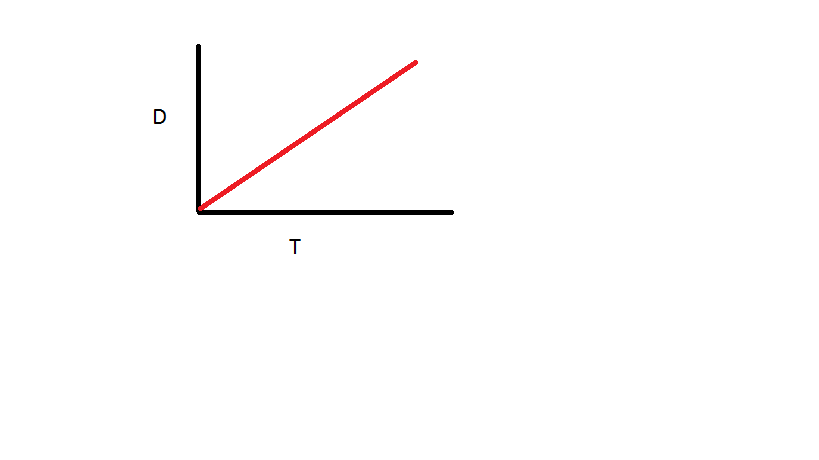
The graph represents
a)
Constant Acceleration
b)
No motion
c)
Deceleration
d)
Constant Velocity
57.
The graph represents
a)
Acceleration
b)
No motion
c)
Deceleration
d)
Constant acceleration
58.
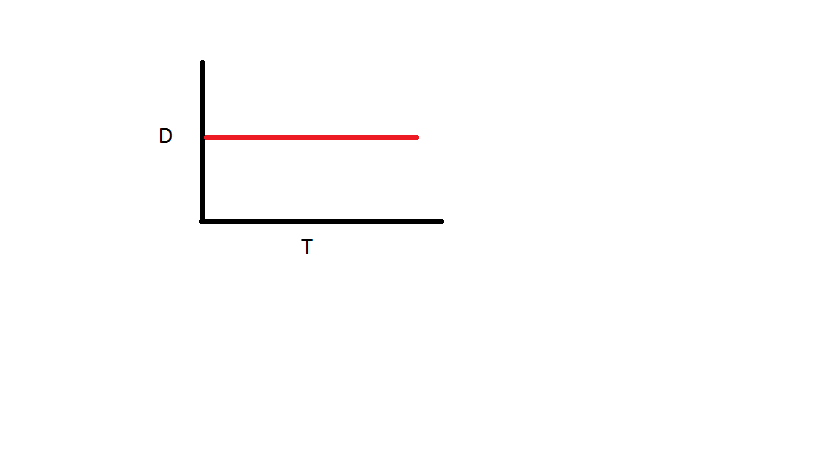
The graph represents
a)
No motion
b)
Constant velocity
c)
Acceleration
d)
Deceleration
59.

What is the net force?
a)
40 N left
b)
0 N Balalnced
c)
400 N right
d)
40 N right
60.
The tendency of an object at rest to stay at rest unless it is acted upon by a force is called ___________________
a)
inertia
b)
motion
c)
gravity
d)
lubricant
61.
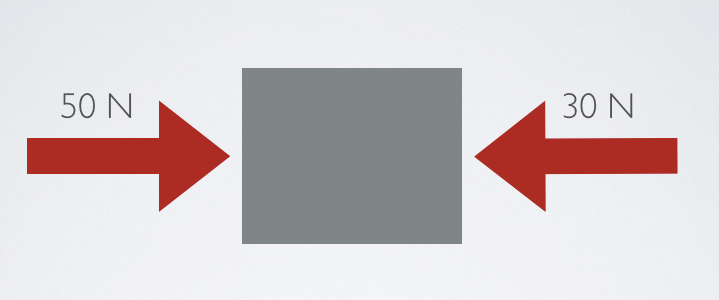
How will this object move?
a)
It won't move.
b)
It will move to the right.
c)
It will move to the left.
d)
It will move up.
62.

How will this object move?
a)
It won't move.
b)
It will move to the right.
c)
It will move to the left.
d)
It will move in both directions.
63.

What is the net force?
a)
30 N left
b)
25 N right
c)
5 N left
d)
55 N right
64.
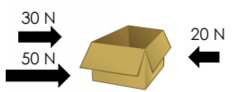
Calculate the Net Force.
a)
60N, Left
b)
40N, Right
c)
0N
d)
60N, Right
65.

Calculate the Net Force.
a)
40N, Left
b)
40N, Right
c)
0N, Balanced
d)
75N, Right
66.
A disturbance that transfers energy from place to place is called a
a)
wave
b)
medium
c)
vibration
d)
compression
67.
When a wave moves through a open barrier, it
a)
is reflected
b)
bends and spreads out
c)
forms nodes and antinodes
d)
speeds up
68.
Electromagnetic waves can transfer energy without a(an)
a)
medium
b)
electric field
c)
magnetic field
d)
change in either a magnetic or an electric field
69.

In the picture shown, what type of waves are represented
a)
transverse, mechanical
b)
transverse, electromagnetic
c)
longitudinal, mechanical
d)
longitudinal, electromagnetic
70.
The highest point on a wave is:
a)
the crest
b)
the trough
c)
the top
d)
the coast
71.
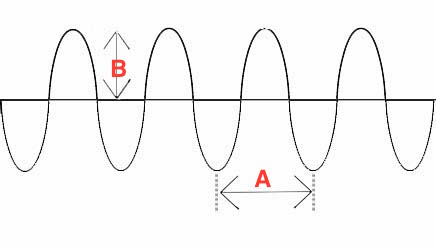
What property of the wave is represented by the letter "B"?
a)
amplitude
b)
crest
c)
trough
d)
wavelength
72.
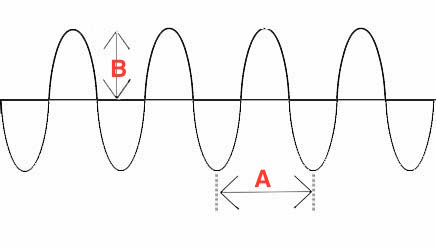
What property of this wave is represented by the letter "A"
a)
amplitude
b)
crest
c)
trough
d)
wavelength
73.
The number of wavelengths that pass a point each per second is:
a)
frequency
b)
period
c)
longitudinal
d)
transverse wave
74.
The type of waves that require medium to pass:
a)
Mechanical Waves
b)
Electromagnetic Waves
75.
A mechanical wave cannot travel through...
a)
a vacuum(empty space).
b)
water.
c)
air.
d)
glass.
76.
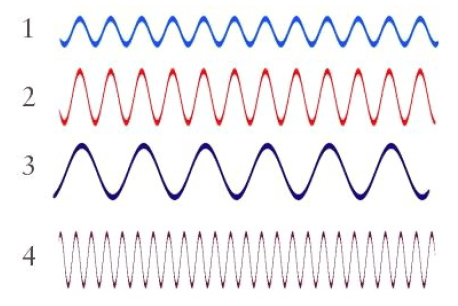
Which wave in the diagram has the greatest frequency?
a)
1
b)
2
c)
3
d)
4
77.
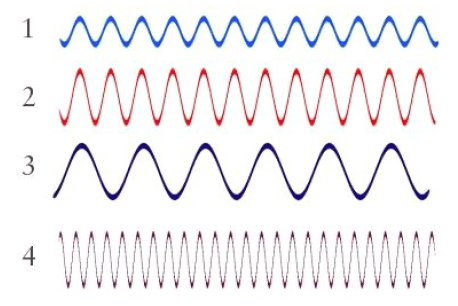
Which wave in the diagram has the greatest wavelength?
a)
1
b)
2
c)
3
d)
4
78.
which material does sound travel the fastest?
a)
solid
b)
liquid
c)
gases
79.
When a wave strikes and object and bounces off. (example echo)
a)
medium
b)
refraction
c)
reflection
d)
interference
80.

What are the spaced out sections of this wave called?
a)
Reflections
b)
Rarefactions
c)
Compressions
d)
Wavelengths
81.
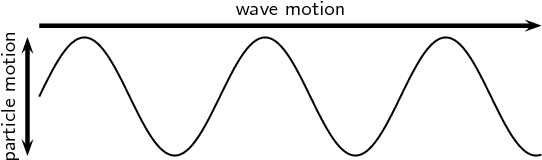
What kind of wave is pictured below?
a)
compressional wave
b)
transverse wave
c)
sound wave
d)
mechanical wave
82.
What object would absorb the most radiation?
a)
A black T-shirt
b)
A mirror
c)
A white skateboard
d)
A red apple
83.
Which object would be the best at reflecting light waves?
a)
windows
b)
mirrors
c)
notebooks
d)
tables
84.

The orca uses this behavior of waves to locate food.
a)
Refraction
b)
Reflection
c)
Absorption
d)
Transmission
85.
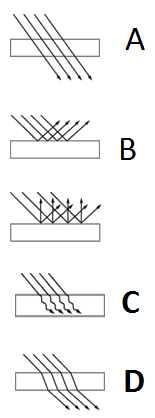
Which of the figures represents reflection?
a)
A
b)
B
c)
C
d)
D
86.

Which of the following represents refraction?
a)
A
b)
B
c)
C
d)
D
87.
If a material absorbs all frequencies of light waves EXCEPT green, what color will be perceived by the observer?
a)
Green
b)
White
c)
Black
d)
Yellow
88.
If all light waves are absorbed by a medium, then what color will be perceived?
a)
White
b)
Black
c)
Red
d)
Green
89.
What part of the visible spectrum has the highest energy?
a)
Red
b)
Orange
c)
Green
d)
Violet
90.
What wave has rarefaction and compression?
a)
longitudinal
b)
surface
c)
heat
d)
transversal
91.
Choose the word that belongs in the sentence. A sound wave is a type of ______________ wave.
a)
parallel
b)
transverse
c)
longitudinal
d)
perpendicular
92.
Where would you be traveling in complete silence?
a)
outer space
b)
under the ocean
c)
in a solid wood room
d)
at the top of a mountain
93.
How are light waves and sound waves similar?
a)
The both are invisible.
b)
They both carry energy.
c)
They both travel in vacuums.
d)
They both are harmful to cells.
94.
When does light refract?
a)
When light travels in a vacuum.
b)
When light moves through cold air.
c)
When light travels in only one medium.
d)
When light moves from one medium to another.
95.
Two factors effecting the magnitude of the force of gravity between 2 objects are...
a)
mass and distance
b)
mass and matter
c)
distance and weight
d)
weight and mass
96.
Any object with mass has gravity.
a)
True
b)
Sometimes
c)
False
d)
Never
97.
As distance between two objects increase the pull of gravity
a)
Increases
b)
Decreases
c)
Stays the same
98.
A person would weigh less on on the Moon than on the Earth because . . .
a)
Moon has more mass, and therefore more gravity
b)
Moon has less mass, and therefore more gravity
c)
Moon has more mass, and therefore less gravity
d)
Moon has less mass and therefore less gravity
99.
wood is a _____?
a)
conductor
b)
insulator
100.

What kind of circuit is this?
a)
series
b)
parallel
101.

What type of circuit is show in the image?
a)
Series Circuit
b)
Parallel Circuit
102.

The picture is an example of an:
a)
Electric circuit
b)
Electromagnet
c)
Electric nail
d)
Electric power cell
103.
how are electromagnets created?
a)
forces
b)
light
c)
an electric current running through a surrounding coil. They have many uses including the generation of electricity in hydroelectric dams.
104.

What will happen when these magnets are brought close together?
a)
They will attract each other.
b)
They will repel each other.
c)
Both magnets will turn to the left
d)
Both magnets will turn to the right
105.
Where is the force of attraction the strongest on a magnet?
a)
at the poles
b)
in the middle
c)
above the magnet
d)
below the magnet
100 %

