
 Worksheets
Plants
Total questions: 33
Worksheet time: 26mins
Name
Class
Date
1.
Brightly colored parts of flowers that attract insects.
a)
petals
b)
pistils
c)
stamen
d)
filaments
2.

The stalk connecting the ovaries and stigmas.
a)
filament
b)
pistil
c)
style
d)
anther
3.

When a seed sprouts and begins the early growth of a young plant.
a)
germination
b)
pollination
c)
seed dispersal
d)
fertilization
4.
This occurs after a tube grows down from the pollen grain through the style to the ovary.
a)
pollination
b)
germination
c)
fertilization
d)
seed dispersal
5.
Small grains that contain a plant's male reproductive cells.
a)
stamen
b)
pollen
c)
anther
d)
stigma
6.
The stalks in a flower that produce the male reproductive cells
a)
pistil
b)
stamen
c)
filament
d)
stigma
7.
Synonym for not active.
a)
dormant
b)
sterile
c)
spry
d)
mobile
8.

Small leaf-like structures forming an outer circle at the base of a flower.
a)
petals
b)
sepal
c)
anthers
d)
dicots
9.
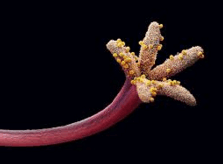
The part of the flower on which the pollen grains land.
a)
pistil
b)
stamen
c)
style
d)
stigma
10.
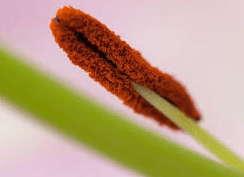
The part of a flower that produces the male reproductive cells.
a)
anther
b)
style
c)
stigma
d)
filament
11.

What is #3 pointing to?
a)
stigma
b)
filament
c)
ovary
d)
anther
12.
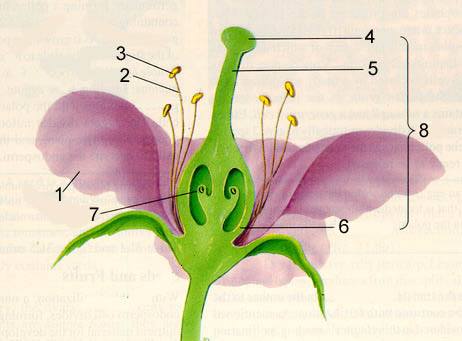
What is #4 pointing to?
a)
anther
b)
style
c)
stigma
d)
ovary
13.

What is #6 pointing to?
a)
stigma
b)
style
c)
ovary
d)
petal
14.

What is this?
a)
Xylem
b)
Phloem
15.
Moves water UP
a)
Xylem
b)
Phloem
16.
Moves sugar from leaves to roots
a)
Xylem
b)
Phloem
17.
Roots absorb water into the __.
a)
Xylem
b)
Phloem
18.
Xylem and Phloem are both __.
a)
Transpiration
b)
Absorption
c)
Photosynthesis
d)
Vascular tissue
19.
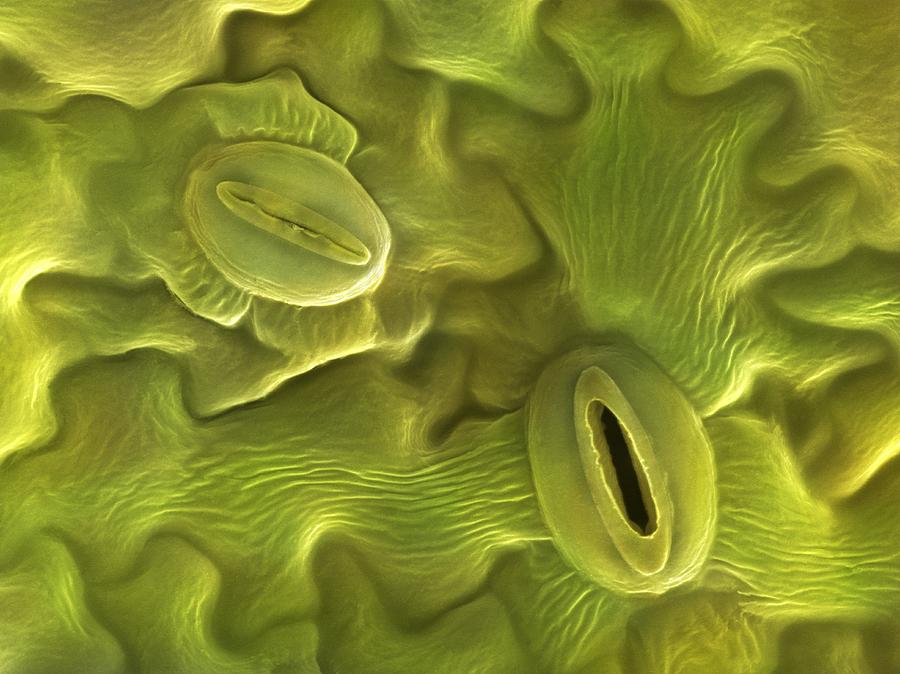
Opening that allows gas exchange
a)
Stomata
b)
Leaves
c)
Roots
d)
Vascular tissue
20.
Water exits the leaf through the __.
a)
Stomata
b)
Flower
c)
Roots
d)
Phloem
21.
___ opens and closes the stomata.
a)
Guard cells
b)
Xylem
c)
Roots
d)
Phloem
22.

Which structure of the plant absorbs water and nutrients from the soil?
a)
stem
b)
leaves
c)
roots
d)
flowers
23.
Non-vascular plants reproduce through _____________.
a)
seeds
b)
cones
c)
flowers
d)
spores
24.
Which of the following is an example of a non-vascular plant?
a)
grass
b)
corn
c)
trees
d)
moss
25.

A ______ plant does not have any tubes.
a)
angiosperm
b)
gymnosperm
c)
vascular
d)
nonvascular
26.
Which of the following is NOT a function of the stem of a plant?
a)
Hold the leaves toward the sun
b)
Hold the petals up for pollinators
c)
Provide a way for xylem to transport food
d)
Support the plant
27.
Which of the following statements best describes phloem's function in the plant?
a)
transpports water and minerals up from the roots to the rest of the plant
b)
transports food down from the leaves to the rest of the plant
c)
transports water and minerals down from the roots to the rest of the plant
d)
transports food up from the leaves to the rest of the plant
28.
What part of the female part of the flower is the place that holds the eggs?
a)
Ovary
b)
Style
c)
Filament
d)
Stigma
29.
What part of the flower turns into the fruit?
a)
Seeds
b)
Ovary
c)
Stamen
d)
Sepals
30.
What is pollination?
a)
the transfer of pollen from the anther to the stigma
b)
the union of pollen and egg cells in the ovary of the flower
c)
the dispersal of seeds to a new location
d)
the transfer of cash in a business transaction between plants
31.
In which type of growth response does the plant grow toward a light source?
a)
Phototropism
b)
Heliotropism
c)
Geotropism
d)
Hydrotropism
32.
In which type of growth response does the plant grow in response to touch?
a)
Hydrotropism
b)
Heliotropism
c)
Geotropism
d)
Thigmotropism
33.
In which type of growth response does the plant grow in response to gravity?
a)
Hydrotropism
b)
Phototropism
c)
Geotropism
d)
Thigmotropism
100 %

