
 Worksheets
Cardio-Respiratory System
Total questions: 25
Worksheet time: 23mins
Name
Class
Date
1.
Which side of the heart pumps oxygen-rich blood to the rest of the body?
a)
Right
b)
Left
2.
Which side of the heart pumps blood into the lungs?
a)
Right
b)
Left
3.
______ carry blood to the heart.
a)
Arteries
b)
Veins
c)
Capillaries
d)
Vena Cava
4.
_____ carries blood away from the heart.
a)
Blood cells
b)
Veins
c)
Capillaries
d)
Arteries
5.
Pulmonary circulation involves blood flow to and from the heart and the _______.
a)
body
b)
digestive organs
c)
brain
d)
lungs
6.

Name this part.
a)
Right atrium
b)
Left ventricle
c)
Right ventricle
d)
Left atrium
7.

Name this part.
a)
Left ventricle
b)
Pulmonary artery
c)
Right atrium
d)
Pulmonary veins
8.
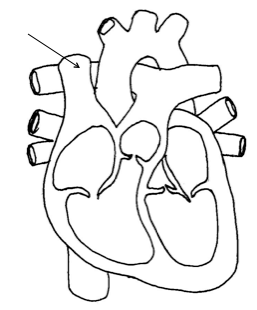
Name this part.
a)
Superior vena cava
b)
Right ventricle
c)
Right atrium
d)
Inferior vena cava
9.
White blood cells (WBC’s), red blood cells (RBC’s), plasma, & platelets are the 4 parts of what?
a)
Blood Vessels
b)
Organs
c)
Heart Disease
d)
Blood
10.
Plasma composes what percentage of blood?
a)
35%
b)
45%
c)
55%
d)
65%
11.
Which of the following blood vessels are the SMALLEST?
a)
Arteries
b)
Veins
c)
Arterioles
d)
Capillaries
12.
Which blood vessel can contain both oxygenated and deoxygenated blood?
a)
Capillaries
b)
Veins
c)
Arteries
d)
Venules
13.
Which of the following statements regarding red blood cells is FALSE?
a)
Make up approximately 60% of our blood
b)
Transport haemoglobin, oxygen, and carbon dioxide
c)
Also called erythrocytes
d)
Shapes as biconcave discs
14.
Which of the following are materials transported with the Circulatory System?
a)
Waste
b)
Nutrients
c)
Oxygen and Carbon dioxide
d)
All of the above
15.
Exchange of oxygen and carbon dioxide occurs at the alveoli of the lungs.
a)
True
b)
False
16.
_____________________ is the force of blood on the walls of the blood vessels.
a)
Pulse
b)
Heart rate
c)
Blood Pressure
d)
Hypertension
17.
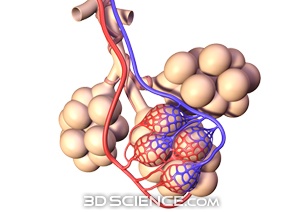
When you breathe, your lungs take in ___ and remove ___.
a)
air/oxygen
b)
oxygen/carbon dioxide
c)
carbon dioxide/waste
d)
waste/air
18.
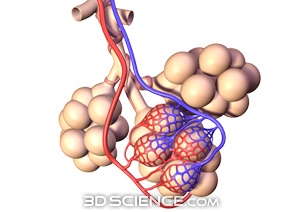
The air sacs that are covered with capillaries where gas exchange takes place
a)
bronchi
b)
lungs
c)
oxygen
d)
alveoli
19.
What is tidal volume?
a)
The amount of breath's we take in a minute
b)
The amount of air we breathe in and out in one breathe
c)
An increase in breathing rate
d)
An increase in heart rate
20.
What is our breathing rate?
a)
the diffusion of gases
b)
The amount of breath's we take in one minute
c)
The amount of air we take in, in one breath
d)
An increase in our tidal volume
21.
What happens to our breathing rate as we exercise?
a)
It increases
b)
It decreases
c)
It stays the same
22.
STROKE VOLUME IS...
a)
The amount of blood ejected by the left ventricle per beat.
b)
The amount of blood pumped out of the heart in one minute
c)
The number of times the heart beats in one minute.
d)
The blood returning to the heart via the inferior and superior vena cava.
23.
CARDIAC OUTPUT IS...
a)
The number of times the heart beats in one minute.
b)
The amount of blood ejected by the left ventricle per beat.
c)
The amount of blood pumped out of the heart in one minute
d)
Pressure in the arteries following contraction of ventricles as blood is pumped out of the heart.
24.

For a blood pressure reading, the number on top measures...
a)
Diastolic Pressure
b)
Systolic Pressure
c)
Diastemic Pressure
d)
Systemic Pressure
25.

The number on the bottom of a BP reading measures...
a)
Pressure during a heart contraction
b)
Pressure between heart beats
c)
Pressure of the blood vessels on the blood
d)
Thickness of blood
100 %

