
 Worksheets
EOC Section 3 Review Government Policies / Political Process
Total questions: 80
Worksheet time: 1hrs 7mins
Former President Barak Obama wants to run for president again.
Is he allowed to? Why/why not?
No, because he served two- 4 year terms


Match the form of government
“It is my belief that every member of society should have control of the government. Every member should have the power to vote directly on laws not just the Legislative authorities of our country.”
Monarchy
Autocracy
Direct Democracy
Representative Democracy
Match the form of government;
“As the upper-class members of society I see that it is only right that we maintain the control of our government, giving power to those beneath us would be a serious disadvantage to our country.”
Oligarchy
communism
direct democracy
Representative Democracy
Match the form of government;
“Our voices will continue to be heard as long as we continue to elect representatives that favor our opinions, the moment we don’t use our Constitutional right to vote, will be the moment we lose our voice.”
Monarchy
Representative Democracy
Communism
Direct Democracy
Match the form of government;
. “I will continue to follow the rule of one as it has been so for centuries, there is no need to change the order of society now.”
Monarchy
Direct Democracy
Communism
Representative Democracy
How is individual liberty safeguarded through the United States’ constitutional republic?
Citizens are considered lower class
property ownership is determined by family status
wealth is distributed according to social classes
government is only allowed to act on the consent of the governed
All of the following are characteristics of what type of economic system?
-Businesses are privately owned
-Businesses decide what and how many good s they can produce to sell
-Businesses freely trade goods
Capitalism
Communism
Fascism
Socialism
What so an absolute monarchy and an autocracy have in common?
single ruler
written constitution
national court system
single legislative house
What is another name for the free enterprise system?
Capitalism
Communism
Marxism
Socialism
In this system of government, all power is concentrated in a strong, central government.
Confederal
Federal
Unitary
Parliamentary
In this system of government, the majority of the power lies in individual state governments loosely connected by a weak central government.
Confederal
Federal
Unitary
Parliamentary
In this system of government, power is shared between a strong central government and strong state governments.
Confederal
Federal
Unitary
Parliamentary

What system of government does this picture represent?
Confederal
Federal
Unitary
Parliamentary
Powers that are written into the Constitution are known as:
observed
enumerated
written
elastic
The main job of the legislative branch is to
resolve disputes involving the law
enforce and carry out federal laws
make laws needed for the country
obey laws once they are passed
The most important task of the executive branch is to
resolve disputes involving the law
enforce and carry out federal laws
decide which laws are constitutional
change laws to fit changing needs
The judicial branch is responsible for
resolving disputes under the law
putting federal laws into effect
vetoing laws it doesn't like
making new laws to stop crime
The power to ratify treaties belongs to the
House
Senate
Supreme Court
president
The president has the power to
ignore laws passed by Congress
change laws passed by Congress
pass laws without a vote of Congress
veto laws passed by Congress
Who has the power to declare war?
Congress
Supreme Court
States
President
Who has the power to impeach federal judges?
State judges
President
Senate
House

The map, titled Public Education Finances, illustrates a constitutional power. What constitutional relationship does the map illustrate?
Reserved powers
Expressed powers
Delegated powers
Concurrent powers
Concurrent Powers are given to . . .
The states
The federal government
Both the state and federal government
Local government
Who can collect taxes?
Federal
State & Federal
State
Reserved powers are powers for the. . .
Federal Government
State Government
Both Federal and State
Counties
In the Constitution, the implied powers of Congress come from the. . .
Relative Clause
Necessary and Proper Clause
Supremacy Clause
Santa Clause
What is guaranteed by the Supremacy Clause of the US Constitution?
The supremacy of federal law over state law
The supremacy of individual rights over government power
The supremacy of Congress over the President
The supremacy of the people over their government
What are amendments?
Changes to the Constitution
Laws proposed by Congress
Decisions made by the Supreme Court
Rights protected by the Bill of Rights
What are the first ten amendments to the US Constitution called?
The Bill of Rights
The Articles of Confederation
The Constitutional Amendments
The Declaration of Independence
In order for the amendments to go into effect, _______ of the states must ratify the amendment. Article V of the Constitution lays out the process for amendments
3/4
1/4
2/3
1/5
What is the necessary majority vote needed by Congress to propose an amendment to the US Constitution?
Unanimous vote
Majority vote by the Electoral College
Two-thirds majority vote
Recommendation by the executive or judicial branches

Use the table to answer the question that follows.
Which of the following best completes the table?
Prohibited laws that segregated based on race
Guaranteed African American men the right to vote
Accepted former Confederate states back into the Union
Created congressional seats for African American representatives
Because of the Twenty-sixth Amendment, American citizens are eligible to vote at what age?
16
18
21
25
How did the ratification of the Nineteenth Amendment affect the American political process?
Efforts to disenfranchise minority voters became criminal offenses.
Issues important to women became central to many political campaigns.
African Americans were elected for the first time in many Southern states.
Citizens were granted the power to directly elect members of the US Senate.
In the legislative lawmaking process (how a bill becomes a law), what is the first step?
Bill is sent to the president
Bill is debated
Bill is reported
Bill proposed
In the legislative lawmaking process (how a bill becomes a law), what is the last step?
Bill is sent to the president
Bill is introduced
Bill is reported
Bill goes to committee
How can Congress respond to a presidential veto?
By sending the veto back to the president
By overriding with 2/3 vote
By sending the veto to the supreme court
By overriding with a 3/4 vote
Which principle does the US Supreme Court apply when it declares an act of Congress unconstitutional?
Separation of Powers
Checks and Balances
Rule of Law
Natural Rights
Which best explains the difference between the job of the legislative branch and executive branch when it comes to filling a Supreme Court vacancy?
The Senate nominates a judge, the President approves a judge.
The President interviews a judge, the Senate hires a judge.
The Senate hires a judge, the President can impeach a judge.
The President nominates a judge, the Senate approves a judge.
Which document is called the "Supreme Law of the Land"?
Declaration of Independence
U.S. Constitution
Articles of Confederation
Magna Carta
Put the following courts in order, Ranking from bottom to top
Supreme, Appellate, Trial
Trial, Supreme, Appellate
Appellate, Trial, Supreme
Trial, Appellate, Supreme
The case Marbury v Madison most directly deals with which of the following concepts?
due process
judicial review
enforcement power of the courts
power of the judicial branch
A case involving a non-criminal matter such as a contract dispute
Jake, a soldier, failed to return to base after
going on leave, so he/she is charged for being
Absent Without Official Leave (AWOL) and
brought to trial.
Civil Law
Military Law
Criminal Law
Juvenile Law
Noah was caught by a security camera
robbing a gas station. He was arrested and brought
to trial. Found guilty, he was given a fine and
sentenced to 10 years in prison.
Military Law
Civil Law
Military Law
Criminal Law
A group of students choose to wear black
armbands to school to protest a law they are
unhappy about. When school administrators hear
about the plan, they create rules against wearing
armbands, warning students that they will be
suspended if they follow through. Later, the case
goes all the way to the U.S. Supreme Court, who
rules that students do not lose their right to free
speech just by stepping on school property.
Constitutional Law
Civil law
Military Law
Criminal Law


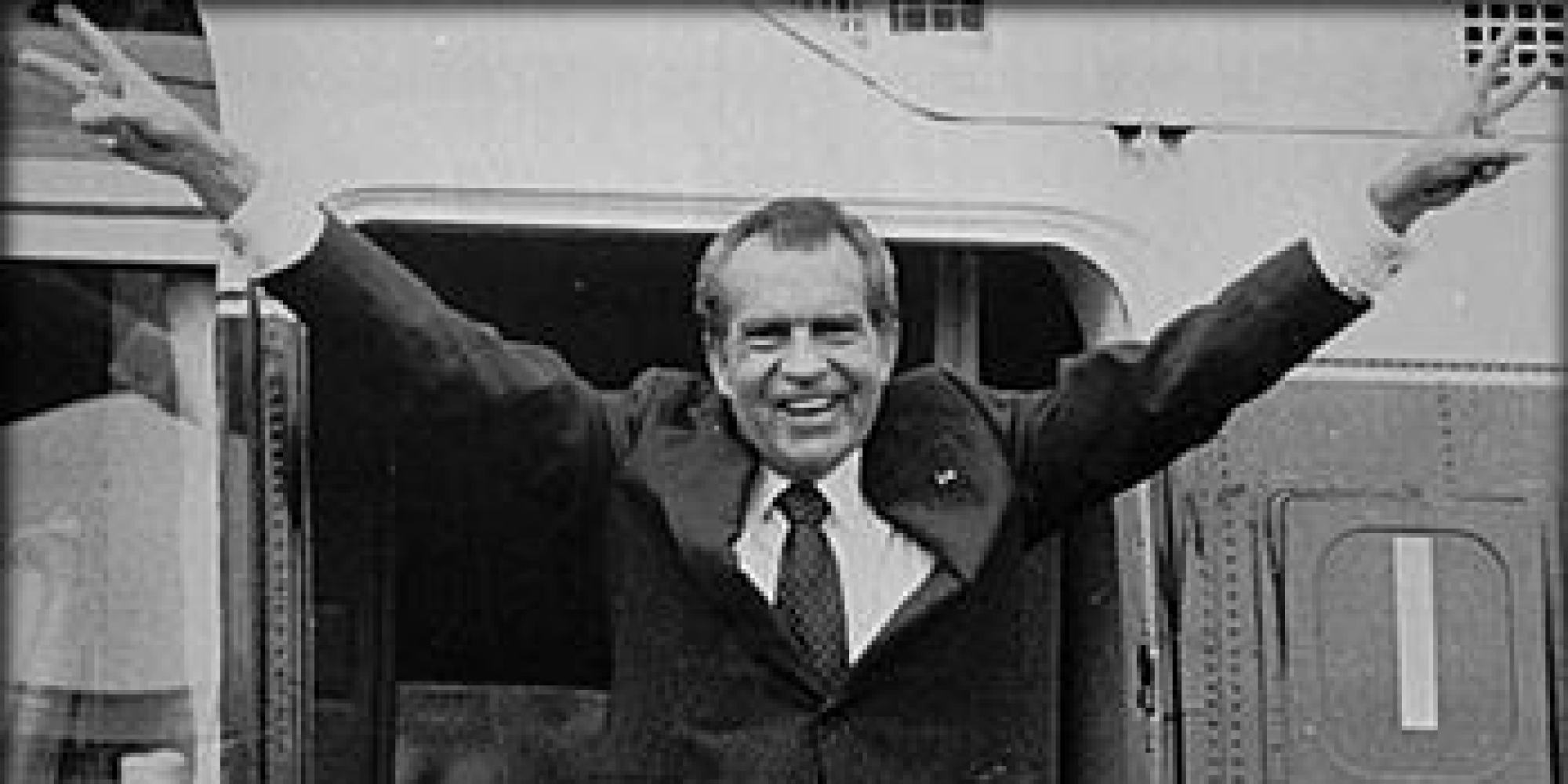

Established the Supreme Courts power of “Judicial Review” to see if laws are Constitutional / Unconstitutional. (Judicial Branch interprets the laws)
Marbury v Madison
Hazelwood v Kuhlmeier
In Re Gault
District of Columbia v Heller
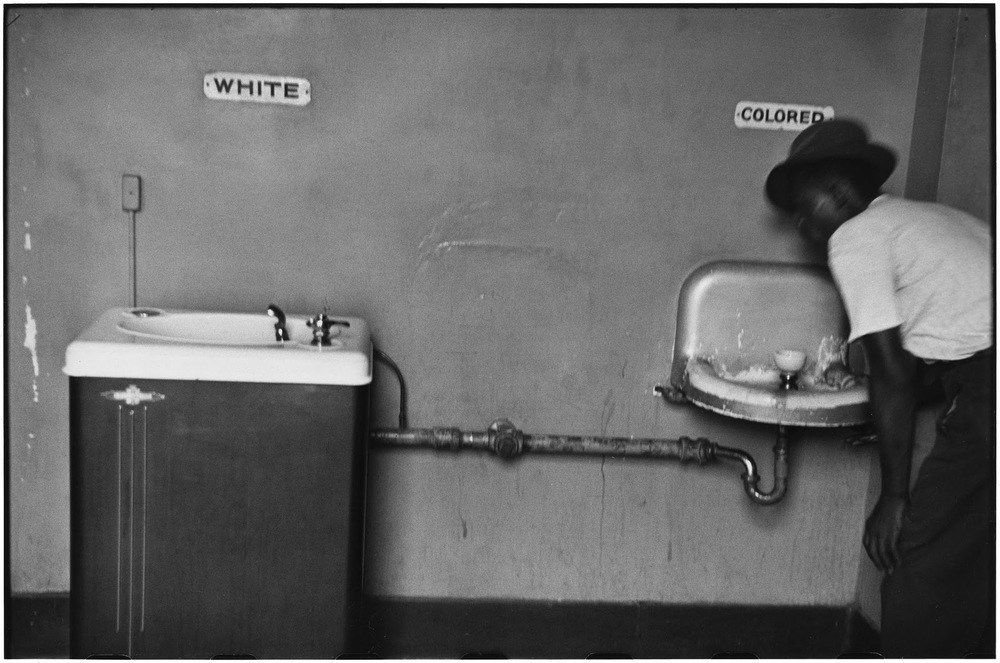
Established “Separate but Equal”, which provided separate public facilities for both whites and blacks as long as they were equal.
District of Columbia v Heller
In Re Gault
Brown v Board of Education
Plessy v Ferguson

The headline describes an action by citizens.
What conclusion can be drawn from the headline?
Citizens can be involved in policy making through their representatives.
Citizens can be directly involved in policy making.
Only elected officials may change constitutions.
Only elected officials make policy.
The U.S. Constitution outlines individual rights in the Bill of Rights. Where can an outline of individual rights be found in the Florida Constitution?
Article II
Preamble
Article IV
Declaration of Rights
Which statement about the amendment processes of the Florida and US Constitutions is correct?
Amendments to the Florida Constitution are added to a separate section of the document.
The US Constitution has been amended much more often than the Florida Constitution.
Amendments to the US Constitution are added to main articles of the document.
It is much easier to amend the Florida Constitution than the US Constitution.
Which of the following documents is the "supreme law of the land"?
the Constitution of the United States
the Pledge of Allegiance
the Presidential Oath of Office
the Declaration of Independence
the following are examples of which level of governments responsibilities: Street lights, trash, electrical, school busses, building schools.
Federal
Local
State
What political official is elected through the Electoral College?
Senators
Secretary of State
President
Speaker of the House
Chief Justice of the Supreme Court
How many electoral votes are needed to win the presidential election?
26
51
112
270
800

