
 Worksheets
Mixtures
Total questions: 35
Worksheet time: 27mins
Name
Class
Date
1.
Two or more substances mingled together, but not chemically combined are known as a
a)
residue
b)
solution
c)
distillate
d)
mixture
2.

What happens when you mix dirt and water?
a)
The dirt will float on top of the water.
b)
The dirt will settle to the bottom.
c)
The dirt will dissolve.
d)
The water will begin to bubble.
3.

What is a mixture?
a)
elements chemically combined
b)
a combination of different things
c)
it is found on the Periodic Table
d)
it is made of chemical
4.

Mixtures are always ___.
a)
pure
b)
mixed
5.

Elements and compounds are always ___.
a)
pure
b)
mixed
6.

What type of mixture is this?
a)
heterogeneous
b)
homogeneous
7.

What is the measure of how much a substance dissolves in a given volume?
a)
atom
b)
element
c)
solububble
d)
solubility
8.

Which mixture separation method would use to sort trail mix?
a)
filtration
b)
magnet
c)
boiling/evaporation
d)
sorting physically
9.

What type of mixture is this?
a)
heterogeneous
b)
homogeneous
10.

What type of mixture is this?
a)
heterogeneous
b)
homogeneous
11.

What type of mixture is this?
a)
heterogeneous
b)
homogeneous
12.

What does it mean if a mixture is homogeneous?
a)
you can see the different parts
b)
cannot tell one part from another
c)
chunks of particles
d)
made of elements
13.
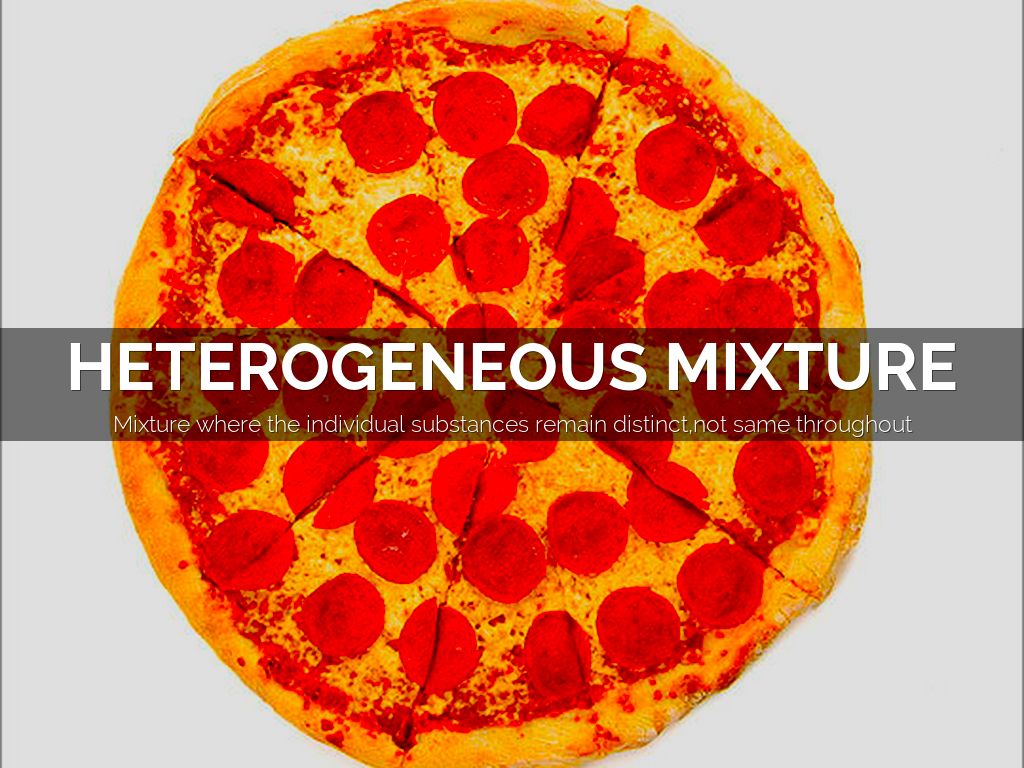
What does it mean if a mixture is heterogeneous?
a)
you can see the different parts
b)
cannot tell one part from another
c)
very well blended
d)
made of elements
14.
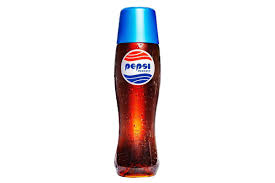
Pepsi
a)
Heterogeneous mixture
b)
homogeneous mixture
15.
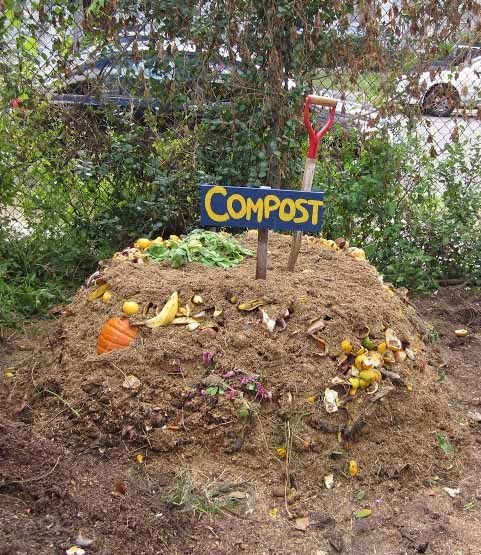
A compost pile in the backyard for the garden
a)
Heterogeneous
b)
Homogeneous
16.
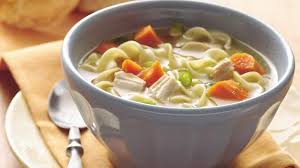
Chicken noodle soup
a)
heterogeneous mixture
b)
homogeneous mixture
17.
Which of the following IS a mixture?
a)
air
b)
hydrogen
c)
water
d)
sugar
18.
A combination that can be separated by physical processes is a .....
a)
Pure Substance
b)
Glucose
c)
Element
d)
Mixture
19.
This is a type of heterogeneous mixture in which the particles are dispersed and do not settle out.
a)
alloy
b)
solution
c)
suspension
d)
colloid
20.
For most solutions, solubility (how much solute can dissolve in the solvent) generally _________ as temperature increases.
a)
increases
b)
decreases
c)
stays the same
21.
What is the only type of mixture that has particles that dissolve and are transparent.
a)
Solutions
b)
Suspensions
c)
Colloids
22.
What is a solvent?
a)
The substance that does the dissolving in a solution.
b)
The substance that is being dissolved in a solution.
c)
The mixing of different substances.
d)
The process in which neutral molecules lose or gain electrons
23.
What process takes place when a liquid turns into a gas?
a)
evaporation
b)
condensation
c)
boiling
d)
freezing
24.
What process takes place when a gas turns into a liquid?
a)
evaporation
b)
condensation
c)
boiling
d)
freezing
25.
What process takes place when a liquid is changing from a liquid to a gas throughout its volume (not just at its surface)?
a)
condensation
b)
boiling
c)
freezing
d)
evaporation
26.
What is the boiling point of water?
a)
0oC
b)
100oC
c)
80oC
d)
95oC
27.
How can we separate an insoluble solid from a liquid?
a)
chromatography
b)
crystallisation
c)
filtration
d)
condensation
28.
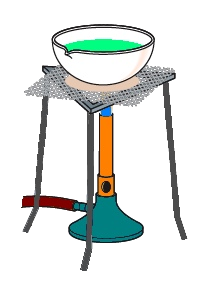
Name the separation technique shown in the diagram.
a)
evaporation
b)
distillation
c)
filtration
d)
decanting
29.
Sodium chloride can be separated from rock salt by first adding water to the mixture to dissolve the sodium chloride. The separation then takes place in two stages:
a)
evaporation followed by filtration
b)
distillation followed by decanting
c)
filtration followed by evaporation
d)
filtration followed by decanting
30.
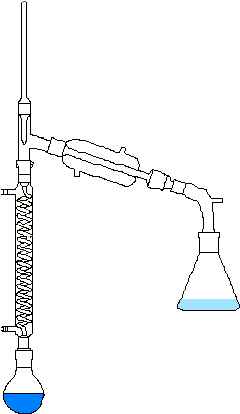
The separation technique shown in the diagram is
a)
fractional distillation
b)
centrifugation
c)
filtration
d)
chromatography
31.
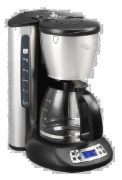
In a coffee machine, the ground coffee is separated from the coffee solution by using..
a)
sand paper
b)
filter paper
c)
toilet paper
d)
tissue paper
32.
Which one of the following would you use to separate sand from iron filings?
a)
a bar magnet
b)
filter paper
c)
chromatography paper
d)
alum
33.
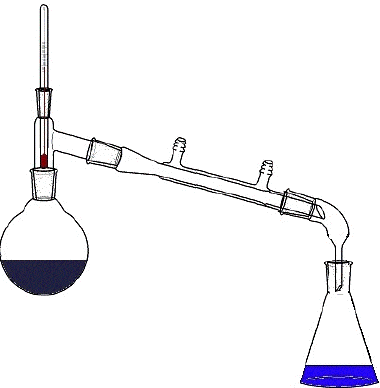
Water and alcohol are easily separated by distillation because of their
a)
different melting points
b)
different colours
c)
different densities
d)
different boiling points
34.

Which of the following pairs of substances may best be separated through distillation
a)
sand and soil
b)
water and soil
c)
salt and sand
d)
water and alcohol
35.
A separation technique which uses a fractionating column to separate different liquid components in a mixture with different boiling points by heating mixture is called
a)
Fractional distillation
b)
filtration
c)
crystallization
d)
evaporation
100 %

