wayground logo

Free Printable Worksheets

NEW

Font size

S
M
L
XL
Worksheets

Weathering,Erosion &Deposition

Total questions: 53

Worksheet time: 1hrs 2mins

Name
Class
Date
1.

Flood water pounding against a canyon wall and wearing it down

a)

Weathering

b)

Erosion

c)

Deposition

2.

Rain washing away soil from a hillside

a)

Weathering

b)

Erosion

c)

Deposition

3.

Glaciers dropping rock and sand to form moraines (debris)

a)

Weathering

b)

Erosion

c)

Deposition

4.
Waves dropping sand on the beach
a)
Weathering 
b)
Erosion
c)
Deposition
5.

Caves being formed by acid rain dissolving underground limestone

a)

Weathering

b)

Erosion

c)

Deposition

6.

Deltas forming at the mouths of rivers

a)

Weathering

b)

Erosion

c)

Deposition

7.
Water getting into cracks, freezing, and breaking the rocks or pavement apart
a)
Weathering
b)
Erosion
c)
Deposition
8.

Wind blowing sand from one location to another

a)

Weathering

b)

Erosion

c)

Deposition

9.

Wind blasting sand at rock and carving out arches

a)

Weathering

b)

Erosion

c)

Deposition

10.

Glaciers scraping rocks across the earth’s surface

a)

Weathering

b)

Erosion

c)

Deposition

11.
Rocks being made smooth by tumbling across a streambed
a)
Weathering
b)
Erosion
c)
Deposition
12.
Ponds filling up with sediment and becoming marshes
a)
Weathering
b)
Erosion
c)
Deposition
13.
All of the following are causes of physical weathering except...
a)
plant growth
b)
wind
c)
acid rain
d)
running water
14.
Plants prevent soil erosion by-
a)
holding dirt in place with their roots
b)
providing food for herbivores
c)
the process of photosynthesis
d)
releasing water into the atmosphere through transpiration
15.
What is the major cause of weathering and erosion?
a)
wind
b)
ice
c)
glaciers
d)
moving water
16.
What is sediment?
a)
the process of rocks being broken down and carried away
b)
bits of rock, sand, and silt caused by the weathering of rocks
c)
the top layer of the soil
d)
decaying plant or animal material 
17.
The process by which small pieces of rocks and soil are carried away to new locations is called...
a)
deposition
b)
erosion
c)
weathering
d)
faults
18.
What is weathering?
a)
The process by which
water, ice, wind or gravity
moves fragments of rock
and soil.
b)
The process by which
water, ice, wind or gravity
deposit rock sediments
and soil in a new place.
c)
The breaking down of
Earth’s crust into smaller
and smaller pieces.
19.
What is erosion?
a)
The process by which
water, ice, wind or gravity
moves fragments of rock
and soil.
b)
The process by which
water, ice, wind or gravity
deposit rock sediments
and soil in a new place.
c)
The breaking down of
Earth’s crust into smaller
and smaller pieces.
20.
What is deposition?
a)
The process by which
water, ice, wind or gravity
moves fragments of rock
and soil.
b)
The process by which
water, ice, wind or gravity
deposit rock sediments
and soil in a new place.
c)
The breaking down of
Earth’s crust into smaller
and smaller pieces.
21.

The diagrams shows a natural process that weathers rock.

Which statement best explains why this process results in weathering?

a)

frozen water acts as a solute

b)

water expands when it freezes causing rocks to crack

c)

the mass of water increases when it freezes

d)

frozen water dissolves most types of rock

22.
Moving ________________ picks up particles of rock and soil.
a)
patricles
b)
deposits
c)
water
23.
Deltas are built up by -
a)
deposition
b)
leaching
c)
abrasion
d)
erosion
24.
A cliff formed near the ocean.  Which statement best describes how this cliff formed?
a)
Warm air melted the rock.
b)
Sun rays evaporated the rock.
c)
Ocean waves washed away rock.
d)
Plant roots pushed away the rock.
25.

What landform would you expect to find due to a glacier?

a)

meandering river

b)

delta

c)

U shaped valley

d)

alluvial fan

26.

Which area would have the greatest deposition?

a)

A

b)

B

c)

C

d)

D

27.
Bobby observed that a metal trash can was covered with rust.  What type of weathering caused the rust on the trash can?
a)
Mechanical weathering 
b)
Wind weathering
c)
Chemical weathering
d)
Erosion weathering
28.
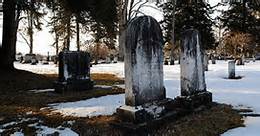
These gravestones have slowly broken down and turned a blackish color due to the action of:
a)
ice wedging
b)
abrasion
c)
acid rain
d)
mechanical weathering
29.

Potholes forming in the road after a cold winter is an example of what type of weather?

a)

mechanical weathering

b)

chemical weathering

30.
Rain washing away soil from a hillside
a)
Weathering
b)
Erosion
c)
Deposition
31.
Caves being formed by acid rain dissolving underground limestone
a)
Weathering
b)
Erosion
c)
Deposition
32.

Deltas forming at the mouths of rivers, after a lot of eroded material is pushed down, are an example of:

a)

Weathering

b)

Erosion

c)

Deposition

33.
The process of breaking up rocks on Earth's surface is called...
a)
sediment
b)
erosion
c)
weathering
d)
deposition 
34.
What is mechanical weathering?
a)
Process through which rocks are physically broken into smaller pieces.
b)
Rocks are broken down through chemical changes.
c)
Rocks are worn away from acid in plant roots.
d)
Rocks broken down by machinery.
35.
Weathering is...
a)
the breaking apart, wearing away, or dissolving of rock. 
b)
the scraping away of materials
c)
material that comes from the weathering of rock
d)
the moving of sediment and rock from one place to another. 
36.
Sediment is...
a)
the breaking apart, wearing away, or dissolving of rock. 
b)
the scraping away of materials
c)
material that comes from the weathering of rock
d)
the moving of sediment and rock from one place to another. 
37.
Erosion is...
a)
the breaking apart, wearing away, or dissolving of rock. 
b)
the scraping away of materials
c)
material that comes from the weathering of rock
d)
the moving of sediment and rock from one place to another. 
38.
Which is an example of Erosion?
a)
Sand being pulled away from a beach by waves.
b)
Roots of a tree breaking apart a rock
c)
water in a river smoothing down rocks.
39.
What is the breakdown of the Earth’s crust into sediment called?
a)
weathering 
b)
raining
c)
Erosion
d)
Whooshing
40.
What is it called when weathered rock is carried away?
a)
Weathering 
b)
Raining
c)
Erosion
d)
Breaking
41.
What does physical weathering involve?
a)
water
b)
wind
c)
tempurature
d)
All of the Above
42.
What is the process called when a glacier deposits rocks in oceans and lakes?
a)
Weathering
b)
Erosion
c)
Minerals
d)
Deposition 
43.

________________ is the breaking off and/ or disintegration of larger rocks into smaller rocks.

a)

Erosion

b)

Weathering

c)

Deposition

d)

Lotic

44.

______________ is the movement of rocks from one location to another location.

a)

Erosion

b)

Deposition

c)

Weathering

d)

Reproduction

45.

_____________ is the dropping off/ depositing of rocks.

a)

Metamorphosis

b)

Deposition

c)

Weathering

d)

Erosion

46.

A farmer's topsoil is blown away during a hurricane is an example of ___________.

a)

weathering

b)

erosion

c)

deposition

47.

Sharp rocks becoming smaller smoother rocks due to the constant flow of lotic runoff water over them is an example of _________.

a)

weathering

b)

erosion

c)

deposition

48.

A landslide of rock and soil is an example of __________.

a)

weathering

b)

erosion

c)

deposition

49.

Waves leaving behind deposits of sand and shells along the ocean's coastline is an example of ________________.

a)

weathering

b)

erosion

c)

deposition

50.

Cycles of rainwater freezing and melting creating large cracks to form is an example of ______________.

a)

weathering

b)

erosion

c)

deposition

51.

Caves being formed by acid rain dissolving underground rock is an example of ____________.

a)

weathering

b)

erosion

c)

deposition

52.

Strong winds blowing sand from one place to another is an example of ________________.

a)

weathering

b)

erosion

c)

deposition

53.

Plant roots splitting apart large roots as they grow deeper into the ground is an example of _________________.

a)

weathering

b)

erosion

c)

deposition