
 Worksheets
Biology Unit Review
Total questions: 114
Worksheet time: 6hrs 49mins
Name
Class
Date
1.
Heterozygous is when...
a)
the alleles are the same
b)
the alleles are different
c)
the alleles are absent
d)
the alleles are present
2.
In a heterozygous genotype, the ___________ allele takes over in the phenotype.
a)
recessive
b)
dominant
c)
lower case letter
d)
both
3.

T - tall and t = short
In the punnett square below, what belongs in the missing square
In the punnett square below, what belongs in the missing square
a)
tt
b)
Tt
c)
Bb
d)
TT
4.
G = green, g = yellow
The genotype for a yellow plant is...
The genotype for a yellow plant is...
a)
GG
b)
Gg
c)
gg
d)
all of the choices result in yellow
5.

B = brown fur b = white fur
In the punnett square, what is the probability for white fur?
In the punnett square, what is the probability for white fur?
a)
0%
b)
25%
c)
50%
d)
75%
6.
In plants, tall (T) is dominant to short (t). Perform the following cross: Tt x Tt. What is the probability of producing a short plant?
a)
0%
b)
25%
c)
50%
d)
75%
7.
Which of the following alleles is homozygous (purebred) recessive?
a)
Tt
b)
tt
c)
TT
d)
t
8.
Two brown eyed parents (Bb) have a baby. What is the chance the baby is blue eyed?
a)
0 %
b)
25%
c)
50%
d)
75%
9.
Which of the characteristics is a lion least likely to pass on to its offspring?
a)
fur color
b)
length of tail
c)
scars on leg
d)
body size
10.
In a flowering plant species, red flower color (R) is dominant over white flower color (r). What is the genotype of any red-flowering plant resulting from this species?
a)
rr
b)
R
c)
RR
d)
RR or Rr
11.

In the punnett square shown, what must the genotype of the missing parent be?
a)
BB
b)
Bb
c)
bb
d)
Tt
12.

B = brown fur b = white fur
In the punnett square, what is the probability for white fur?
In the punnett square, what is the probability for white fur?
a)
0%
b)
25%
c)
50%
d)
75%
13.
A dog gives birth to 5 puppies. What percentage of the chromosomes does each puppy share with the mother?
a)
25%
b)
50%
c)
75%
d)
100%
14.

A corn plant heterozygous for tall sprouts mates with a corn plant with short sprouts. If tall sprouts are dominant, how many different phenotypes are possible in the offspring?
a)
1
b)
2
c)
3
d)
4
15.
W=white hair
w= non-white hair
If you cross a horse with WW and a horse with ww what fraction of the offspring would be expected to have white hair?
w= non-white hair
If you cross a horse with WW and a horse with ww what fraction of the offspring would be expected to have white hair?
a)
none
b)
3/4
c)
1/2
d)
all
16.
What is a phenotype?
a)
The expression of a trait; what you see.
b)
refers to the genetic makeup of an individual
c)
An organism that has the same genes for a trait (ex. TT or tt)
d)
the passing of traits from parent to offspring
17.
Which of the following terms refers to the different possibilities of a gene?
a)
chromosome
b)
DNA
c)
Punnett Squares
d)
allele
18.
B - black, b - brown. Two black mice mate and have some black and some brown mice. What is the genotype of the parents?
a)
BB x Bb
b)
BB x bb
c)
Bb x Bb
d)
Bb x bb
19.

What genotype would go in box 1?
a)
BB
b)
Bb
c)
bb
20.

What genotype would go in box 3?
a)
BB
b)
Bb
c)
bb
21.

What genotype would go in box 2?
a)
BB
b)
Bb
c)
bb
22.

What does a Punnett Square do?
a)
tell you exactly what your offspring will look like
b)
increase the chance you pass on recessive traits
c)
predict genotypes and phenotypes in offspring
d)
have no purpose but for Taylor to give us extra assignments
23.

What is the yellow seed genotype?
a)
aa
b)
Aa
c)
AA
d)
AA or Aa
24.

What is the dominant trait?
a)
yellow pea seeds
b)
green pea seeds
c)
there is no dominant seed
d)
Jolly green giant
25.
Which of the following is homozygous dominant?
a)
Jj
b)
Rr
c)
MM
d)
ee
26.

In the second generation-how many people are carriers of the trait?
a)
2
b)
3
c)
5
d)
6
27.

How many individuals are there in the 3rd generation?
a)
2
b)
3
c)
4
d)
6
28.

Examine the pedigree. The allele for the presence of a widow’s peak is dominant. Therefore, we can tell from the chart that in the couple labeled 2:
a)
the male is heterozygous and the female is homozygous.
b)
the male is homozygous and the female is heterozygous.
c)
the male is homozygous and the female is homozygous.
d)
the male is heterozygous and the female is heterozygous.
29.

a)
Not affected Female
b)
Not affected Male
c)
Affected Male
d)
Affected Female
30.

a)
Not Affected Male
b)
Not Affected Female
c)
Affected Male
d)
Affected Female
31.
What do we use pedigrees for?
a)
To look at families
b)
To make determinations about the offspring
c)
To track traits in families
d)
Nothing
32.

How are individuals III-2 and II-4 related?
a)
Cousins
b)
Dad and Daughter
c)
Uncle and Niece
d)
Grandpa and Granddaughter
33.

Why do all the daughters in Generation II carry the colorblind gene?
a)
Because mom passed on the gene.
b)
Because dad passed on the X chromosome.
c)
Because their brother has it.
d)
Because their brother gave it to them.
34.

Why does individual IV-7 have colorblindness?
a)
Because his mom is a carrier.
b)
Because his dad has it.
c)
Because his siblings have it.
d)
Because his uncle has it.
35.

Give the genotype for person III-3
a)
GG
b)
Gg
c)
gg
36.

Which individual in the first generation is a carrier?
a)
The male
b)
The female
c)
individual 1
d)
None of the above
37.

If this pedigree shows a recessive disorder, what MUST the genotype of individual II-3 be?
a)
HH
b)
Hh
c)
hh
d)
None of the above
38.

What is the mode of inheritance shown here?
a)
Recessive
b)
Sex Linked
c)
Dominant
39.
Responsible for MOVEMENT of the body
a)
Skeletal System
b)
Digestive System
c)
Muscular System
d)
Integumentary System
40.
The main function of the CIRCULATORY SYSTEM is to-
a)
Convert food into nutrients
b)
send messages throughout the body
c)
Secrete hormones
d)
transport blood through the body, supply cells with oxygen and nutrients
41.
The body system which filters water and wastes from the blood, is which system? (*Lungs, kidney and skin also play a role in this system)
a)
Excretory System
b)
Endocrine System
c)
Immune System
d)
Integumentary System
42.
The main function of the skeletal system is to
a)
Pump oxygen and nutrients to the body
b)
exchange gases such as carbon dioxide and oxygen
c)
support and protect organs; movement
d)
send signals in the form of hormones
43.
Which body system converts food into simpler substances for the body to absorb nutrients?
a)
Digestive System
b)
Excretory System
c)
Circulatory System
d)
Muscular System
44.
Which system protects the body from the external environment?
a)
Integumentary system
b)
Nervous System
c)
Reproductive System
d)
Endocrine System
45.
The main function of the nervous system is to
a)
Convert food into nutrients
b)
pump oxygen and nutrients through out the body
c)
Coordinate all actions and reactions of the body using electrical signals
d)
secret hormones
46.
The body system that produces hormones that affect other parts of the body is which system?
a)
Integumentary System
b)
Skeletal System
c)
Circulatory System
d)
Endocrine System
47.
Which human body system is responsible for producing offspring?
a)
Immune System
b)
Endocrine System
c)
Reproductive System
d)
Excretory system
48.
What is the largest organ in the body? (out part of your skin)
a)
Follicle
b)
Epidermis
c)
Dermis
d)
Epiglottis
49.
Blood is carried away from the heart by which structure?
a)
Neurons
b)
Veins
c)
Arteries
d)
Intestines
50.
What three body systems work together to allow movement of your mouth?
a)
Digestive, Nervous, Circulatory
b)
Nervous, Muscular, Skeletal
c)
Respiratory, Muscular, Endocrine
51.
What exchange occurs in the alveoli?
a)
Oxygen is picked up and carbon dioxide is given off
b)
Carbon dioxide is picked up and oxygen is given off
52.
What does the respiratory system do?
a)
removes carbon dioxide and supplies oxygen to the body
b)
Pumps blood throughout the body
c)
Produces hormones in your lunges so you can breath
d)
allows you to reproduce
53.
The brain and the spinal cord are a part of what human body system?
a)
Central Nervous System
b)
Peripheral Nervous System
c)
Circulatory system
d)
Skeletal System
54.
Which two human body systems are most responsible for getting oxygen to cells?
a)
digestive and skeletal
b)
skeletal and circulatory
c)
circulatory and respiratory
d)
respiratory and digestive
55.
Which best compares the respiratory system to the circulatory system?
a)
The respiratory system transports oxygen to cells, while the circulatory system provides oxygen for cells.
b)
The respiratory system provides oxygen for cells, while the circulatory system transports oxygen to cells.
c)
The respiratory system breaks down food for cell energy, while the circulatory system rids the body of waste.
d)
The respiratory system rids the body of waste, while the circulatory system breaks down food for cell energy.
56.
As the blood reaches the lungs, what is removed from the blood?
a)
Oxygen
b)
Red Blood Cells
c)
White Blood Cells
d)
Carbon Dioxide
57.
The mouth, esophagus and large intestine belong to what system?
a)
Nervous System
b)
Digestive System
c)
Integumentary System
d)
Lymphatic System
58.
The major organ of the urinary system is the
a)
Gallbladder
b)
Ureter
c)
Kidney
d)
Nephrons
59.
Bob hits a baseball. What two systems are working together to make this happen?
a)
muscular & urinary
b)
muscular & skeletal
c)
muscular & circulatory
d)
digestive & muscular
60.

What is the main function or job of the organ system displayed?
a)
To store food until it is absorbed into the lungs
b)
To convert and breakdown food into nutrients and energy to be absorbed into the circulatory system
c)
To provide the body with structure
d)
TO eliminate liquid waste
61.
List the levels of organization in the human body in order from least complex to most complex…
a)
Tissues, cells, organ systems, organs,
and organism
b)
Cells, tissues, organ systems, organs,
and organism
c)
Cells, tissues, organs, organism, and
organ systems
d)
Cells, tissues, organs, organ systems,
and organism
62.
How does the muscular system depend on the nervous system?
a)
The nervous system transports blood to the muscles.
b)
The nervous system provides support for the muscles.
c)
The nervous system supplies food and oxygen to the muscles.
d)
The nervous system sends signals to the muscles to cause movement.
63.
A group of cells that work together to perform a specific task are called…
a)
An organ
b)
An organ system
c)
A tissue
d)
An organism
64.
The muscular system does which of the following?
a)
Breaks down food and absorbs nutrients into bloodstream
b)
Receives and sends messages to all parts of the body
c)
Internal and external body movements and flexibility
d)
Takes in oxygen and releases carbon dioxide
65.
The Excretory system does which of the following?
a)
Fights disease by recognizing and attacking antigens such as bacteria and viruses by producing antibodies
b)
Transports needed materials such as oxygen and nutrients to cells and carries away wastes such as carbon dioxide
c)
Removes wastes from body
d)
Protects organs, stores materials, allows movement and forms blood cells
66.
What are two body systems that work together to deliver nutrients to your cells?
a)
Digestive and excretory
b)
Excretory and circulatory
c)
Circulatory and digestive
d)
Phineas and Ferb
67.
The Immune system does which of the following?
a)
Fights disease by recognizing and attacking antigens such as bacteria and viruses by producing antibodies
b)
Transports needed materials such as oxygen and nutrients to cells and carries away wastes such as carbon dioxide
c)
Internal and external body movements and flexibility
d)
Receives and sends messages to all parts of the body
68.
The nervous system does which of the following?
a)
Fights disease by recognizing and attacking antigens such as bacteria and viruses by producing antibodies
b)
Transports needed materials such as oxygen and nutrients to cells and carries away wastes such as carbon dioxide
c)
Internal and external body movements and flexibility
d)
Receives and sends messages to all parts of the body
69.
A group of organs that performs a similar function is called…
a)
An organ
b)
An organ system
c)
A tissue
d)
An organism
70.
A structure that is made of two or more tissues working together to perform a specific function is…
a)
An organ
b)
An organ system
c)
A cell
d)
An organism
71.
This organelle takes food and turns it into ENERGY for plant and animal cells.
a)
Chloroplast
b)
Mitochondria
c)
Lysosome
d)
Ribosome
72.
The site of photosynthesis
a)
ribosome
b)
mitochondria
c)
chloroplast
d)
nucleus
73.
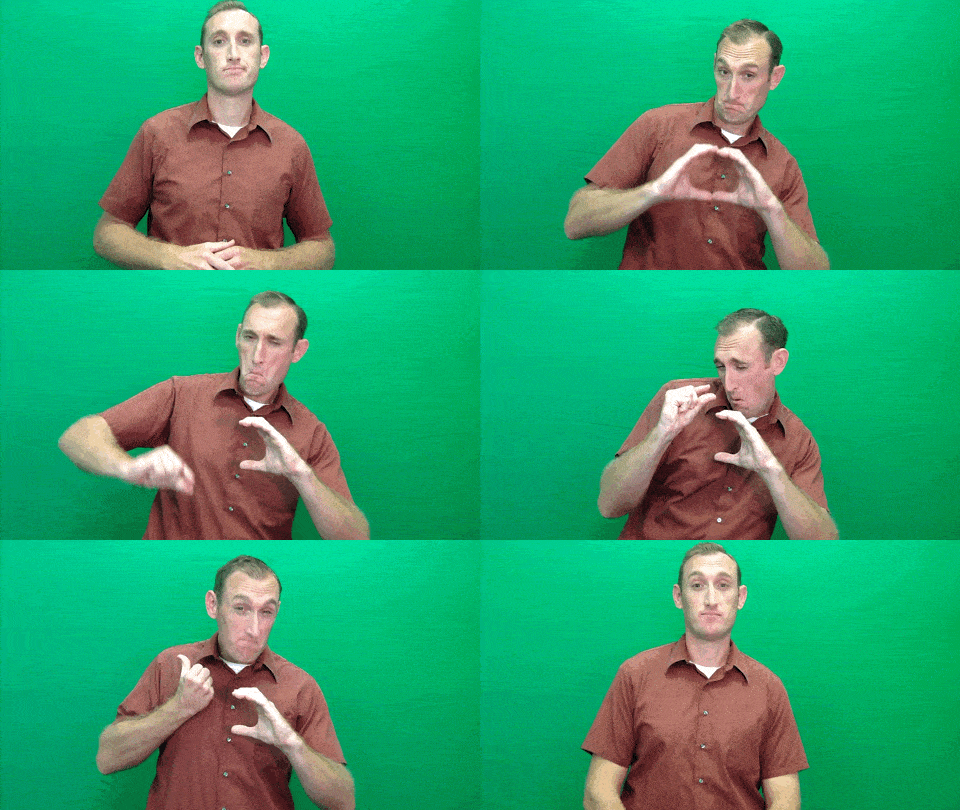
The ___________ is the basic unit of life
a)
organ
b)
cell
c)
atom
d)
tissue
74.
When many organ systems work together it can form...
a)
organ
b)
cells
c)
organ system
d)
organism
75.

This is a example of........
a)
organ system
b)
cells
c)
organ
d)
tissue
76.

This is a example of ........
a)
cell
b)
organ system
c)
organ
d)
tissue
77.
The brain is a part of which organ system?
a)
nervous
b)
skeletal
c)
muscular
d)
digestive
78.
The lungs and the kidneys are examples of
a)
cells
b)
organs
c)
tissues
d)
organ systmes
79.
Which organelle is only found in a plant cell?
a)
nucleus
b)
chloroplast
c)
mitochondria
d)
cell membrane
80.

Directs all cell activities through the DNA located there.
a)
Lysosomes
b)
Nucleus
c)
ribosomes
d)
Mitochondria
81.
Which of the following is directly involved in the transportation of materials inside/within the cell?
a)
Endoplasmic Reticulum
b)
Vacuole
c)
Lysosome
d)
Mitochondria
82.
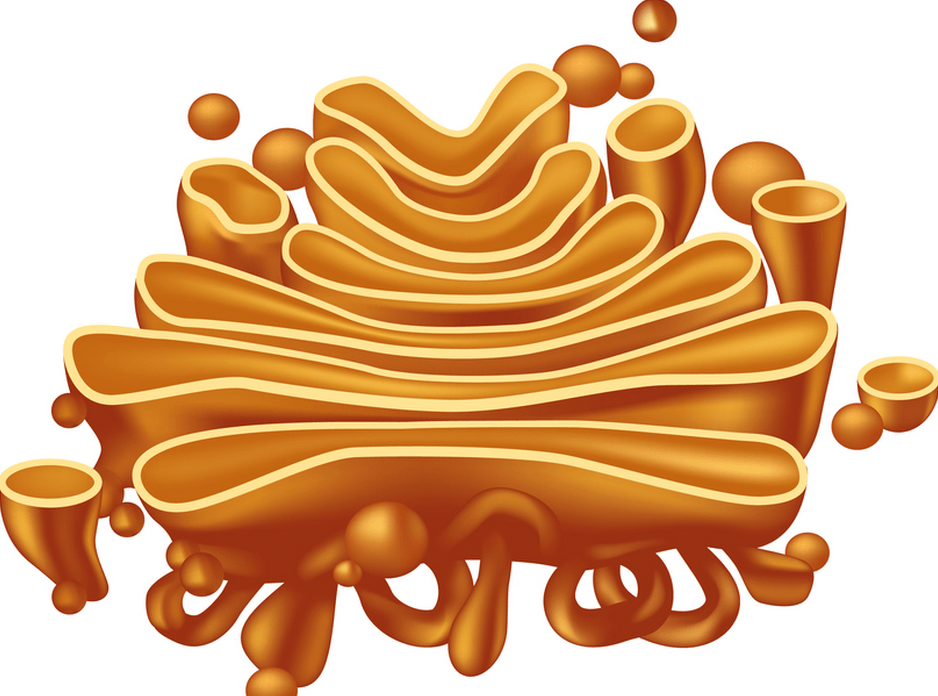
I am a protein packaging and shipping machine! Who am I?
a)
vacuole
b)
ribosome
c)
mitochondrion
d)
golgi apparatus
83.
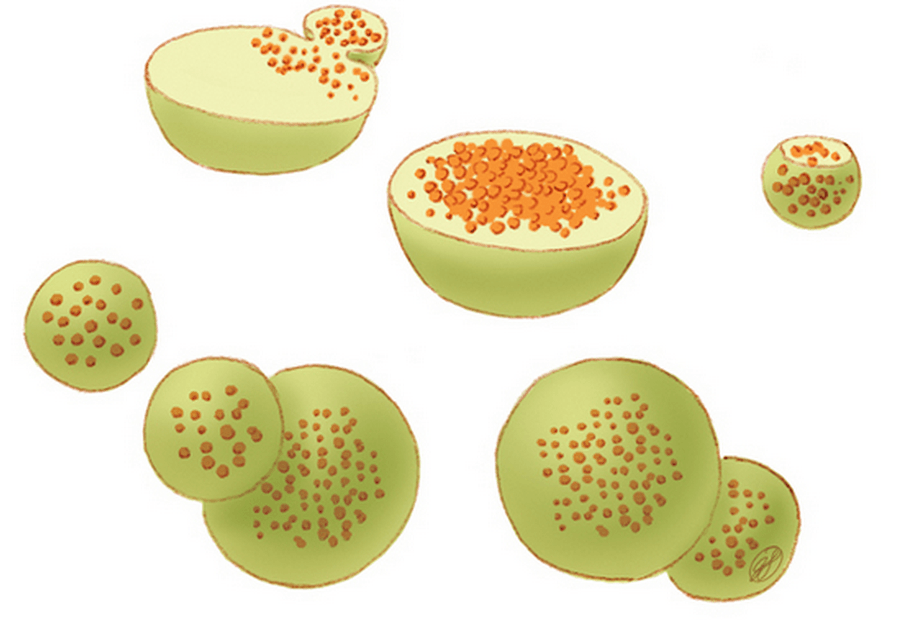
You might think of me as the trash collector, but recycler is maybe more accurate. What am I?
a)
mitochondria
b)
lysosome
c)
vacuole
d)
ribosome
84.
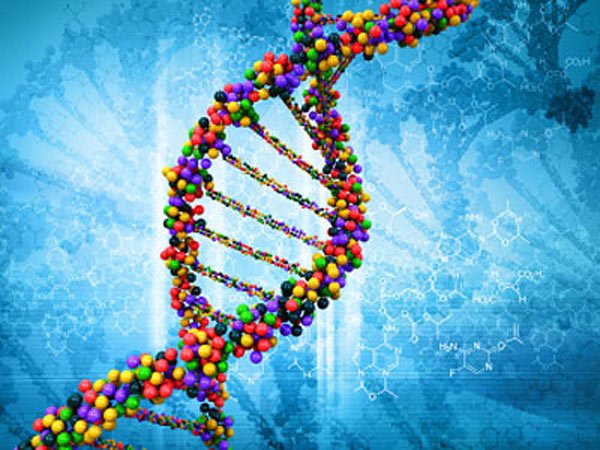
What is the name of the genetic material that is inside the nucleus?
a)
ER
b)
ATP
c)
YOLO
d)
DNA
85.

Which part of the cell is often called "the brain of the cell"?
a)
nuclear membrane
b)
endoplasmic reticulum
c)
nucleus
d)
mitochondria
86.
What is found in both plant and animal cells but is much larger in plant cells?
a)
Nucleus
b)
Mitochondria
c)
Chloroplast
d)
Vacuole
87.
Where are proteins made?
a)
Golgi body
b)
Mitoichondria
c)
Chromosomes
d)
Ribosomes
88.

I am the outer most layer of an animal cell. What am I?
a)
cell wall
b)
nucleus
c)
cell membrane
d)
cell skin
89.
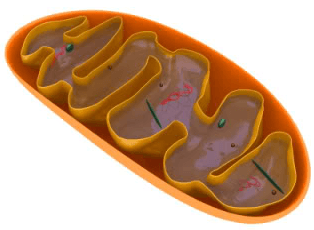
What are tiny organelles that convert glucose into ATP?
a)
Ribosomes
b)
Vesicles
c)
Cytoskeleton
d)
Mitochondria
90.
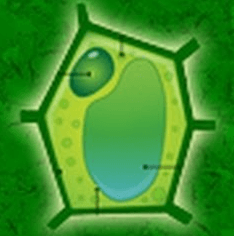
A rigid layer that lies outside the cell's membrane is...
a)
Cytoskeleton
b)
Cilia
c)
Cell Wall
d)
Flagella
91.
What organelle is called the "powerhouse" of a cell?
a)
Endoplasmic Reticulum
b)
Nucleus
c)
Mitochondria
d)
Nucleolus
92.
What organelle helps with cell digestion?
a)
Lysosomes
b)
Ribosomes
c)
Golgi Complex
d)
ER
93.
What is the gel-like substance inside of cells called?
a)
photoplasm
b)
photosynthesis
c)
cytoskeleton
d)
cytoplasm
94.
Main producer of ATP in all eukaryotes
a)
chloroplast
b)
mitochondria
c)
lysosome
d)
smooth er
95.
Stores food and water for the cell.
a)
Cytoplasm
b)
Cell Wall
c)
Vacuole
d)
Nucleus
96.
Controls what enters and leaves the cell
a)
Mitochondria
b)
Cell Membrane
c)
Cell Wall
d)
Nucleus
97.

What would happen to the plant cell without the chloroplasts?
a)
There wouldn't be an organelle that performs photosynthesis
b)
There wouldn't be an organelle that serves as the resevoir for water and waste
c)
There wouldn't be an organelle that regulates what comes in and out of the cell
d)
They wouldn't be an organelle that makes necesary proteins
98.

What do all of these organisms have in common?
a)
They all have uniform offspring
b)
They are all made of cells
c)
They possess the same features
d)
They have the same internal and external structures
99.

Robert Hooke, Anton van Leeuwenhoek, Theodor Schwann, Rudolf Virchow, and Matthias Schliden were all responsible for what theory?
a)
The Theory of Gravity
b)
The Theory of Relativity
c)
The Cell Theory
d)
The Theory of Continental Drift
100.

According to cell theory, where did this cell come from?
a)
another living cell
b)
energy from sun
c)
a multicellular organism
d)
the nonliving environment
101.
What tool do you use to view the cells?
a)
metric ruler
b)
centrifuge
c)
microscope
d)
pipette
102.
What structure is use by an ameoba to gather food?
a)
oral groove
b)
contractile vacuole
c)
flagella
d)
pseudopod
103.
Small, short hairlike projections use for movement in some protists are called:
a)
flagella
b)
cilia
c)
pseudopods
d)
hair
104.
All protists are prokaryotic.
a)
True
b)
False
105.
Most protists live...
a)
under rocks
b)
in water
c)
in deserts
d)
in cool, dry climate
106.
Organisms that cannot make their own food are called
a)
Heterotrophs
b)
Autotrophs
c)
Mixotrophs
107.
What is Cilia?
a)
A tail like structure that help protist move
b)
Hair like fibers that help protist move
c)
A place where spores are kept
d)
A fake foot that help protist move
108.
What is Flagella?
a)
A tail like structure that help protist move
b)
Hair like fibers that help protist move
c)
A place where spores are kept
d)
A fake foot that help protist move
109.
What is a pseudopod?
a)
A tail like structure that help protist move
b)
Hair like fibers that help protist move
c)
A place where spores are kept
d)
A fake foot that help protist move
110.

Which protist is this?
a)
Euglena
b)
Plasmodium
c)
Water mold
d)
Algae
111.

Which protist is this?
a)
Amoeba
b)
Paramecium
c)
Plasmodium
112.

Which protist is this?
a)
Amoeba
b)
Euglena
c)
Water mold
d)
Paramecium
113.
What type of cell(s) do Protist have?
a)
Eukaryotic
b)
Prokaryotic
114.
Protists that make their own food are...
a)
Autotrophs
b)
Heterotrophs
c)
Plantotrophs
d)
Sigotrophs
100 %

