
 Worksheets
EOG Review
Total questions: 51
Worksheet time: 41mins
Name
Class
Date
1.
What non living things might you find in an ecosystem?
a)
Mammals, insects, and birds
b)
Plants, fungi, and lichen
c)
Rocks, air, light, and soil
d)
Bacteria and other microbes
2.
How are population different from communities?
a)
Population consists of one species; communities consist of many species
b)
Populations can contain plants and fungi; communities consist of animals only
c)
Populations consist of many species; communities consist of one species
d)
Populations consist of animals only; communities can contain plants and fungi
3.
Which of the following is an example of an animal adapting to its environment?
a)
A bald eagle that cannot see well
b)
A fish that eats fish food
c)
A deer that drinks water
d)
A desert owl that hunts at night to avoid heat
4.
What can you infer about the kangaroo rat from the fact that it thrives in the desert?
a)
It must be very large
b)
It must eat cacti
c)
It must live in a very small community
d)
It must be able to survive on very little water
5.
Lakes and oceans are examples of aquatic ecosystems. What does "aquatic" mean?
a)
Saltwater
b)
Water-based
c)
Freshwater
d)
Filled with fish
6.
Which of the following words best describes the desert ecosystem?
a)
Moist
b)
Arid
c)
Frigid
d)
Temperate
7.
What can you conclude about polar bears from the fact that they live in the Arctic?
a)
They would not be able to thrive in the desert
b)
They are not biologically related to other bear species
c)
They eat mostly scorpions and kangaroo rats
d)
They must be able to survive with little water
8.
What is a PUSH or PULL of an object?
a)
Motion
b)
Force
c)
Friction
d)
Gravity
9.
What is a force that works AGAINST MOTION?
a)
Force
b)
Motion
c)
Gravity
d)
Friction
10.
Energy due to motion is ____________ energy.
a)
Potential
b)
Energy
c)
Kinetic
d)
Friction
11.
__________ is stored energy.
a)
Potential
b)
Kinetic
c)
None of the above
d)
All of the above
12.
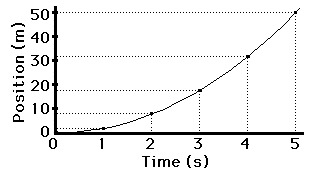
The picture of the position vs. time graph shows an object that is...
a)
accelerating/speeding up
b)
moving at a constant speed
c)
not moving
d)
accelerating/slowing down.
13.
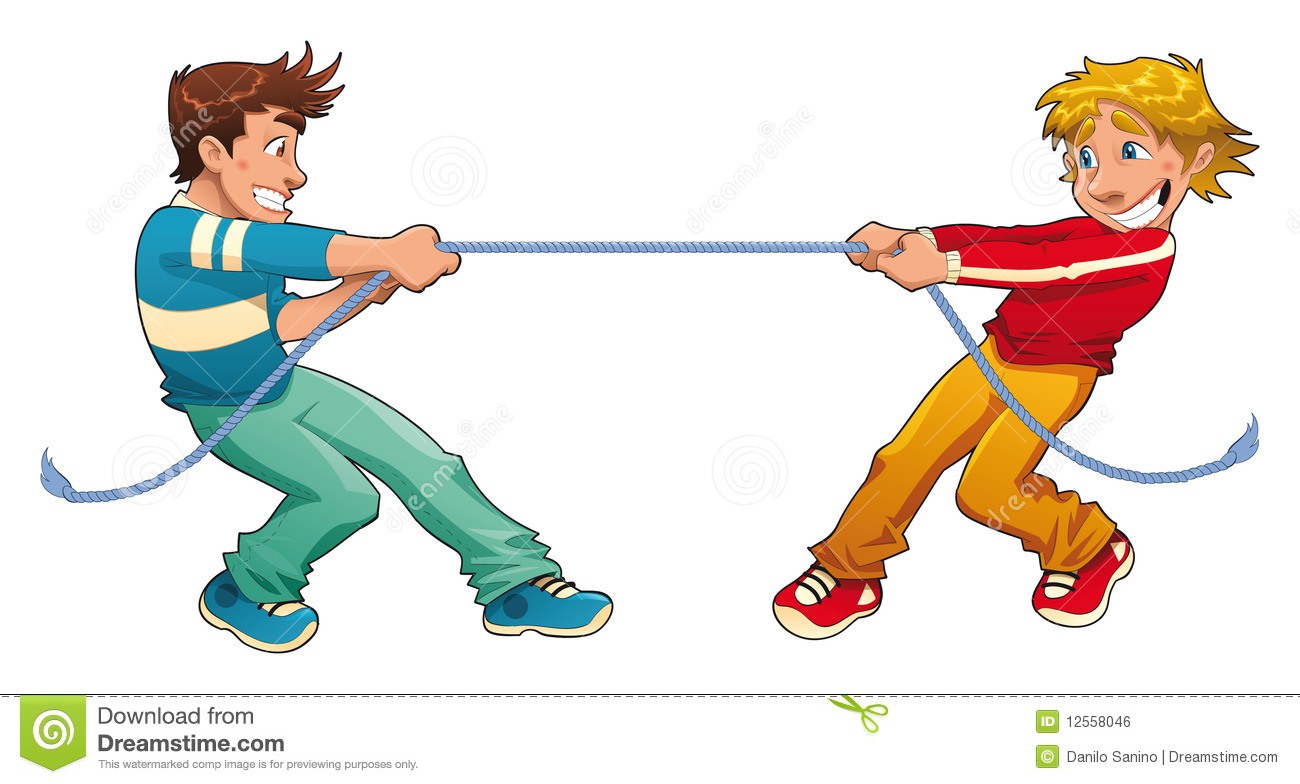
If these boys are pulling with the same amount of force. What will happen?
a)
The boy in blue will win.
b)
They will not move at all.
c)
The boy in red will win.
d)
Both will fall down.
14.
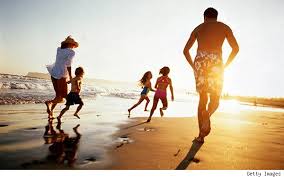
The sun shines down on this family as the play on the beach.
a)
conduction
b)
convection
c)
radiation
15.

A group of friends gather around a fire to stay warm.
a)
conduction
b)
convection
c)
radiation
16.
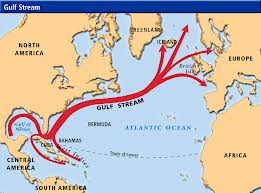
The Gulf Stream is a current that brings warm ocean water from the south to the north.
a)
conduction
b)
convection
c)
radiation
17.

Walking on the warm sand sand with your bare feet.
a)
conduction
b)
convection
c)
radiation
18.

Blow drying your wet hair.
a)
conduction
b)
convection
c)
radiation
19.
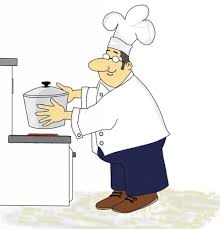
The man goes to take the hot pot off the stove with his bare hands.
a)
conduction
b)
convection
c)
radiation
20.
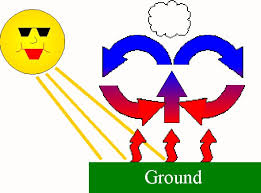
Warm air rises and the cool air sinks.
a)
conduction
b)
convection
c)
radiation
21.
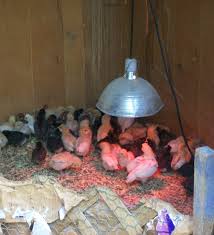
The baby chickens are kept warm from the heat lamps.
a)
conduction
b)
convection
c)
radiation
22.

Heat transfers from an area of ____temperature to an area of ___ temperature.
a)
high to low
b)
low to high
c)
high to high
23.
What is the transfer of heat by movement of liquids or gases?
a)
conduction
b)
convection
c)
radiation
24.

An instrument that measures air pressure
a)
thermometer
b)
barometer
c)
rain guage
d)
wind sock
25.
Rain, sleet, hail, and freezing rain are all...
a)
precipitation
b)
condensation
c)
evaporation
d)
perspiration
26.
The place where two air masses meet.
a)
air mass
b)
air pressure
c)
water cycle
d)
front
27.
Humidity is the...
a)
Amount of Water Vapor in the Air
b)
Amount of Wind in the Air
c)
Amount of Precipitation in the Air
d)
Amount of Pressure in the Air
28.
What kind of weather is usually associated with a high pressure system?
a)
Sunny weather
b)
Precipitation (rain, snow, etc.)
29.
The main purpose of the ____________ system is to break food particles into pieces that can be used.
a)
circulatory
b)
respiratory
c)
digestive
d)
skeletal
30.
What is responsible for delivering oxygen and removing carbon dioxide from the body?
a)
cell nucleus
b)
excretory system
c)
nervous tissue
d)
respiratory system
31.
The __________ is the main organ of the nervous system.
a)
heart
b)
lungs
c)
brain
d)
skin
32.
___________ are the building blocks of life.
a)
cells
b)
legos
c)
blocks
d)
blood
33.
Which of the following body systems work together for support, protection, and movement?
a)
respiratory and cardiovascular
b)
skeletal and muscular
c)
skeletal and integumentary
d)
digestive and respiratory
34.
The man who studied genetics and came up with genetics is
a)
Watson
b)
Crick
c)
Mendel
d)
Darwin
35.
Magda is a tall, 11 year old drummer. She has a scar on her right cheek. She is good at swimming. Which of her traits did Magda most likely inherit?
a)
height
b)
the scar
c)
ability to swim
d)
ability to play drums
36.
the passing of genetic traits from parent to offspring
a)
allele
b)
gene
c)
heredity
d)
homozygous
37.
What is the change of state from a gas to a liquid called?
a)
deposition
b)
sublimation
c)
evaporation
d)
condensation
38.
Molecules are closest together in a
a)
Solid
b)
Liquid
c)
Gas
d)
plasma
39.

A gas
a)
has a definite shape but no definite volume
b)
has a definite volume but no definite shape
c)
has fast-moving particles
40.
In which state(s) of matter does the substance have a definite shape?
a)
Solid
b)
Liquid
c)
Gas
d)
Solid and Liquid
41.
What state of matter has a definite volume but an indefinite shape
a)
Solid
b)
Liquid
c)
Gas
42.

The drops of water that appear on the outside of a glass of cold juice on a warm day are an example of?
a)
sublimation
b)
condensation
c)
evaporation
43.

The milk in the glass has volume and takes the shape of its container. Therefore, it is assumed that milk is a ______________.
a)
solid
b)
liquid
c)
gas
d)
plasma
44.
Molecules are closest together in a
a)
Solid
b)
Liquid
c)
Gas
d)
plasma
45.
A relationship between two organisms in which one organism benefits and the other is unharmed...
a)
Mutualism
b)
Competition
c)
Parasitsm
d)
Commensalism
46.
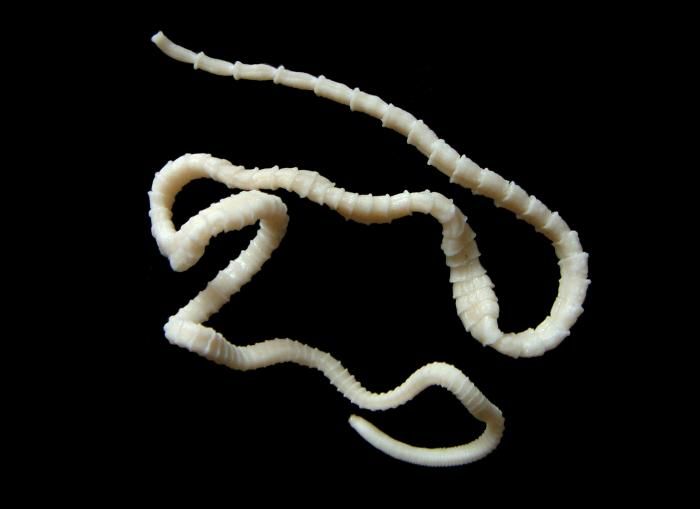
A tapeworm and a cat have this type of relationship.
a)
mutualism
b)
parasitism
c)
commensalism
d)
competition
47.
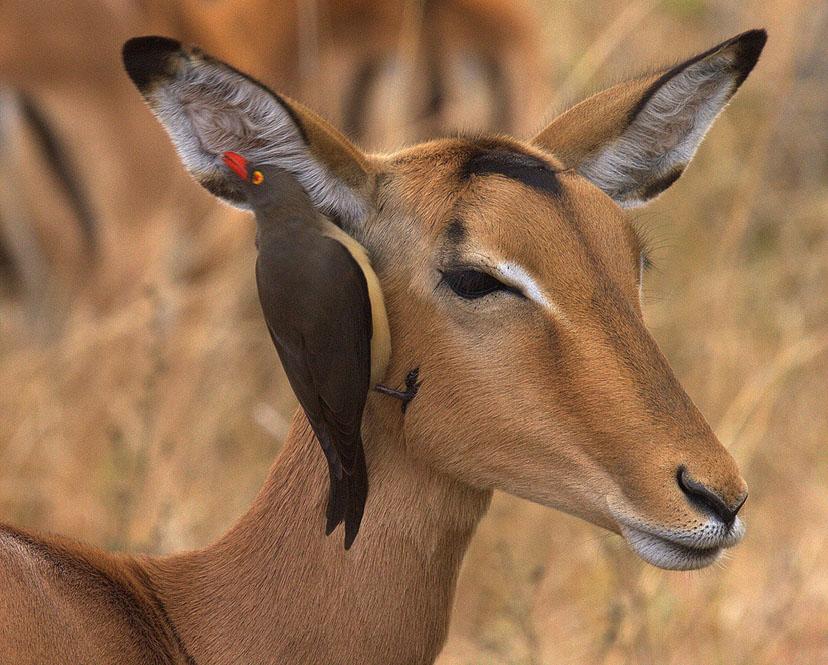
Red-billed oxpeckers are birds that often feed on parasites that infest impala. This is an example of _______.
a)
commensalism
b)
mutualism
c)
neutralism
d)
competition
48.
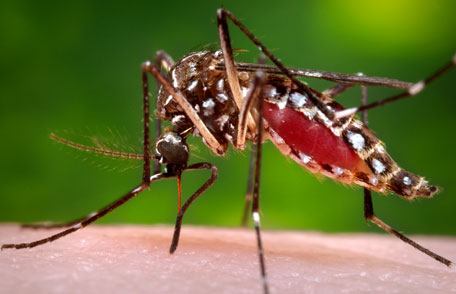
When a mosquito bites you, you are the __________ and the mosquito is the ____________.
a)
host, hostess
b)
parasite, host
c)
host, parasite
d)
prey, predator
49.
The black bear has a tick on it's back. The Bear is HURT and the tick gets blood or food. The tick is HELPED.
a)
parasitism
b)
mutualism
c)
commensalism
50.
Mistletoe STEALS water and nutrients from the spruce tree. The Mistletoe is helped and the tree is HURT.
a)
Parasitism
b)
Mutualism
c)
Commensalism
d)
Predation
51.
Examples of producers are...
a)
cats and dogs
b)
plants, trees, and shrubs
c)
cows and plants
d)
plants and dogs
100 %

