wayground logo

Free Printable Worksheets

NEW

Font size

S
M
L
XL
Worksheets

Classification of organism

Total questions: 50

Worksheet time: 44mins
Name
Class
Date
1.
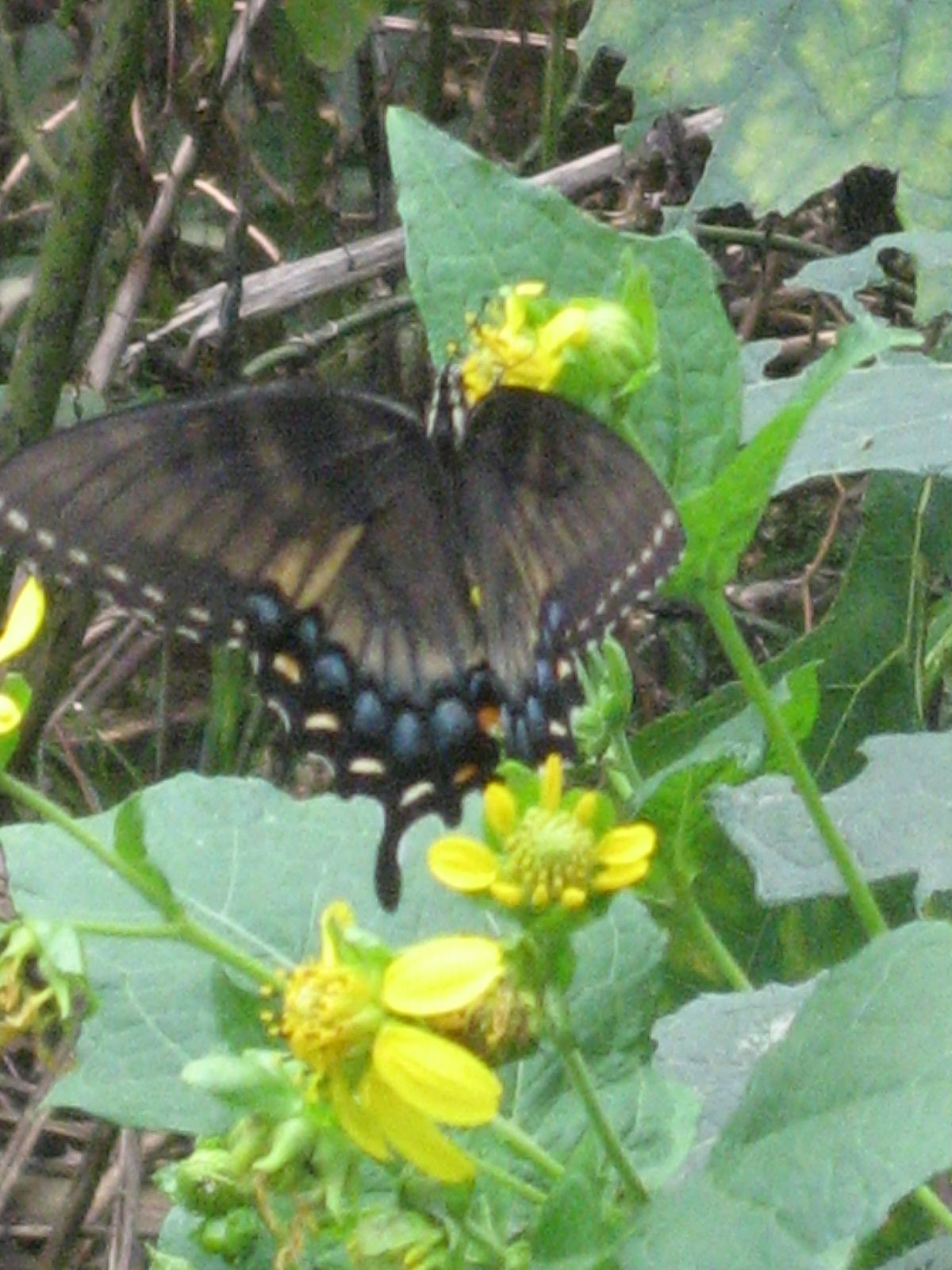
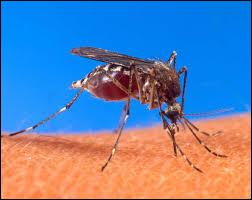
Mosquito  belongs to what kingdom?
a)
Animal Kingdom
b)
Plant Kingdom
c)
Fungi Kingdom
d)
Protista Kingdom
2.
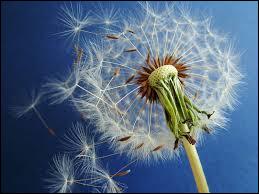
Dandelion, What kingdom does it belongs to?
a)
Plant Kingdom
b)
Animal Kingdom
c)
Fungi Kingdom
d)
Protista Kingdom
3.
The science of describing, classifying, and naming living things is called:
a)
Geology
b)
Biology
c)
Taxonomy
d)
Chemistry
4.
The scientific name for an organism is made from the:
a)
class and family name
b)
genus and species name
c)
domain and kingdom name
d)
kingdom and phylum name
5.
The 8 levels of classification, broadest to most specific.
a)
Domain, Genus, Family, Order, Class, Phylum, Kingdom, Species
b)
Domain, Species, Kingdom, Genus, Phylum, Family, Class, Order
c)
Domain, Kingdom, Phylum, Class, Order, Family, Genus, Species
d)
Order, Kingdom, Species, Domain, Phylum, Family, Class, Genus
6.
An organism made up of more than one cell would be called:
a)
multicellular
b)
unicellular
c)
heterotroph
d)
autotroph
7.
An example of an unicellular organism would be:
a)
monkey
b)
bacteria
c)
spider
d)
human
8.
Prokaryotes do not have a nucleus or membrane bound organelles.
a)
True
b)
False
9.
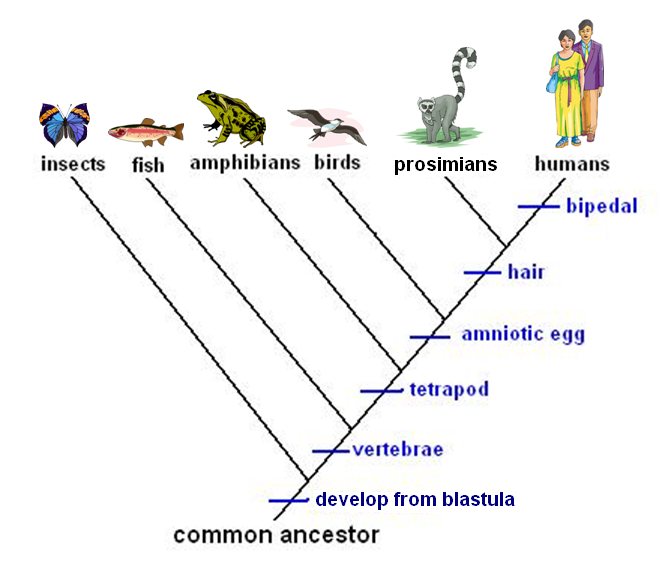
Which organisms pictured on the cladogram have hair?
a)
prosimians only
b)
prosimians and humans
c)
humans only
d)
prosimians and birds
10.
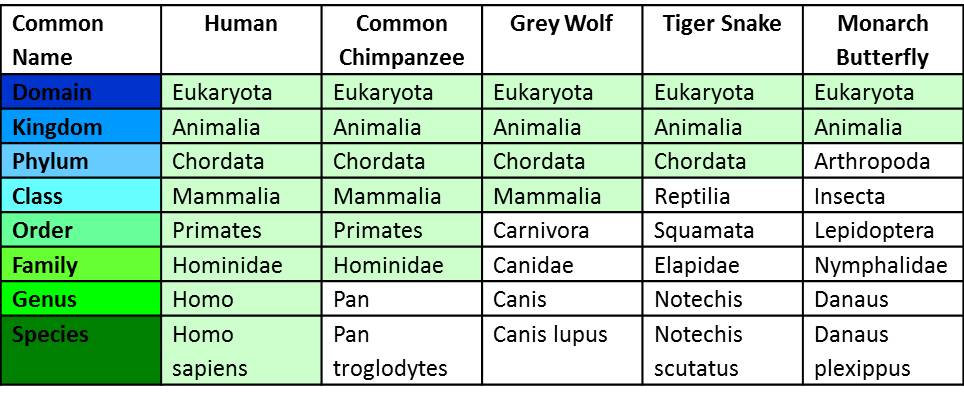
Which organism in the table is least closely related to the chimpanzee?
a)
human
b)
grey wolf
c)
tiger snake
d)
monarch butterfly
11.
An illustration and a dichotomous key are given. What is the correct classification for this organism?
a)
Class Insecta
b)
Order Amblygygi
c)
Order Araneae
d)
Order Scorpiones
12.

Which 2 organisms would be able to reproduce and produce fertile offspring?

a)

2 organisms in the same class

b)

2 organisms in the same family

c)

2 organisms in the same genus

d)

2 organisms in the same species

13.
Members of this kingdom are multicellular and heterotrophic.
a)
Plantae
b)
Protista
c)
Animalia
d)
Achaebacteria
14.
What kingdom do unicellular, prokaryotic organisms that live in extreme environments?
a)
Animal
b)
Archaebacteria
c)
Eubacteria
d)
Plant
15.
I have a nuclear membrane, can do photosynthesis and am multicellular. What kingdom do I belong to?
a)
Animalia
b)
Archaebacteria
c)
Plantae
d)
Protista
16.
I am prokaryotic and am found everywhere. What kingdom do I belong to?
a)
Eubacteria
b)
Archaebacteria
c)
Fungi
d)
Protista
17.
An organism is microscopic, does not have a nucleus, and is known to cause strep throat in humans.  What kingdom does it belong in?
a)
archaebacteria
b)
fungi
c)
eubacteria
d)
protista
18.
This organism is found in pond water.  It has a nucleus, is microscopic, unicellular and can perform photosynthesis.  What kingdom does it belong in?
a)
protista
b)
eubacteria
c)
archaebacteria
d)
plantae
19.

What Kingdom do I belong to?

I am multicelled.

My cells do have a nucleus.

I reproduce sexually.

I love the sun! It helps me make my food through photosynthesis.

I can be found anywhere in the world.

a)

Archaeabacteria

b)

Protista

c)

Platae

d)

Fungi

e)

Animalia

20.

What Kingdom do I belong to?

I am unicellular.

My cells do not contain a nucleus.

I reproduce asexually.

I am heterotrophic.

My ancestors have been around for millions of year!

a)

Eubacteria

b)

Animalia

c)

Archaeabacteria

d)

Protista

e)

Plantae

21.

The first person who came up with a classification system; consisted of plants and animals.

a)

Linnaeus

b)

Darwin

c)

Mendel

d)

Aristotle

22.

Scientists who came up with 7 different levels of classification

a)

Linnaeus

b)

Aristotle

c)

Mendel

d)

Darwin

23.

What is the correct way of writing the scientific name of a Hawk?

a)

buteo jamicensis

b)

Buteo Jamicensis

c)

Buteo jamicensis

d)

buteo Jamicensis

24.

What is the correct hierarchy of the levels o organization starting with the broadest to the most specific?

a)

species, genus, family, order, class, phylum, kingdom, domain

b)

domain, kingdom, phylum, class, order, family, genus, species

c)

kingdoms, class, family, species, domain, phylum, order, genus

d)

genus, order, phylum, domain, species, family, class, kingdom

25.

Organisms with similar DNA sequences are said to be...

a)

more closely related

b)

less closely related

26.

Which part of the scientific name of an organisms should be capitalized?

a)

order

b)

family

c)

genus

d)

species

27.
 An autotroph feeds on other organisms?
a)
True 
b)
False
28.
Binomial Nomenclature means?   
a)
classification
b)
characteristics
c)
2 name system
29.
What type of cell is this?
a)
plant cell
b)
animal cell
30.
"Lion" is an example of what?
a)
Scientific name
b)
Common name
c)
Adaptations
d)
Food
31.

Organisms in this smallest taxonomic group share many characteristics.

a)

domain

b)

kingdom

c)

species

d)

class

32.

What kingdom do unicellular, prokaryotic organisms that live in extreme environments?

a)

Animal

b)

Archaebacteria

c)

Eubacteria

d)

Plant

33.

Who first proposed binomial nomenclature as a way of classifying organisms?

a)

Carolus Linnaeus

b)

Aristotle

c)

Charles Darwin

d)

Louis Pasteur

34.

Which best explains why a sponge is an animal?

a)
b)

All animals breath and sponges breath

c)

Animals live underwater and so do sponges

d)

Animals are multicellular heterotrophs and so are sponges

35.
Molds, yeast, and mushroom belong to kingdom:
a)
Eubacteria
b)
Archaebacteria
c)
Protista
d)
Fungi
36.
Members of this kingdom never have a cell wall
a)
Animalia
b)
Plantae
c)
Archaebacteria
d)
Protista
37.
Cells that do not have a true nucleus are called....
a)
eukaryote
b)
prokaryote
c)
unicellular
d)
multicellular
38.
Some characteristics of a recently discovered organism are listed in the following table.
Based on the given characteristics, this organism would be classified in which kindgom?
a)
eubacteria
b)
fungi
c)
plantae
d)
protista
39.
The single-celled organism shown uses a whip-like flagellum to move. The organism has a nucleus and organelles surrounded by a membrane. The organism also has chloroplasts and a cell wall.
To which kingdom does the organism belong?
a)
Animalia
b)
Eubacteria
c)
Bacteria 
d)
Protista 
40.
The diagram shows a cell. 
What type of organism might contain this type of cell?
a)
animal
b)
bacterium
c)
plant 
d)
prokaryote 
41.
Sexual reproduction requires?
a)
1 parent cell
b)
2 parent cells
c)
no cells
42.
Asexual reproduction requires?
a)
1 parent cell
b)
two parent cells
c)
no cells
43.
Animal cells are _________________.
a)
prokaryotic
b)
eukaryotic
c)
nokaryotic
44.
Review: Where does photosynthesis take place
a)
Chloroplast
b)
mitochondria
c)
cell wall
d)
nuclues
45.
List the levels of organization from smallest to largest
a)
tissue - organ -body system - organism
b)
cell - tissue - organ - organism 
c)
cell - tissue - organ - body system - organism 
46.

Which category of classification has the largest variety of organisms?

a)

genus

b)

phylum

c)

species

d)

kingdom

47.

Aristotle is said to be the first to classify organisms. Into which two groups did he classify all living things?

a)

fungi and bacteria

b)

humans and animals

c)

living and nonliving

d)

plants and animals

48.

An organism identified with binomial nomenclature includes which two taxa?

a)

class and order

b)

family and genus

c)

genus and species

d)

kingdom and phylum

49.

Carl Linnaeus developed a binomial classification system for living things. Why is this contribution important?

a)

because it created new species for identification

b)

because it created specific scientific names for living things

c)

because it created the taxonomy system as it is known today

d)

because it created common names for species with existing scientific names

50.

What is the order of the taxonomic levels from least specific to most specific?

a)

Kingdom, Family, Species, Order, Class, Phylum, Genus

b)

Kingdom, Phylum, Class, Order, Family, Genus, Species

c)

Species, Order, Kingdom, Family, Genus, Phylum, Class

d)

Species, Genus, Family, Order, Class, Phylum, Kingdom