
 Worksheets
Quarterly 4 Review
Total questions: 100
Worksheet time: 1hrs 14mins
Name
Class
Date
1.
The following are all consequences of ____________.
–Heat Islands
–Destruction of natural habitat/Waste
–High energy consumption/temperatures
–Higher percentage of health problems
–Heat Islands
–Destruction of natural habitat/Waste
–High energy consumption/temperatures
–Higher percentage of health problems
a)
Urbanization
b)
Deforestation
c)
Industrialization
d)
Modernization
2.
The following are all consequences of ____________.
–Decrease of biodiversity
–Loss of plant life
–Increased Global Warming
–Decrease of biodiversity
–Loss of plant life
–Increased Global Warming
a)
Reclamation
b)
Deforestation
c)
Industrialization
d)
Modernization
3.
What problem are the following practices attempting to solve?
•Greening of Cities
•Changes in construction material
•Reduction of Heat Sources
•Greening of Cities
•Changes in construction material
•Reduction of Heat Sources
a)
Heat Islands
b)
Deforestation
c)
Urbanization
d)
Industrialization
4.
Which is NOT a strategy to increase a city's sustainablity
a)
reduce reliance on fossil fuels
b)
increase/improve greenspace
c)
increase recycling rates
d)
build more shopping malls
5.

what is the leading cause of deforestation?
a)
Diseases
b)
Housing market
c)
Agriculture and Farming
d)
Paper mill
6.
What is a "heat island"?
a)
an island in a river or lake that produces heat
b)
an area in which the air temperature is generally higher than the temperature of surrounding rural areas
c)
when the leftovers or "tailings" from mining are piled up in a river
d)
an oasis
7.
What causes urban heat islands?
a)
movement of people from farms to cities
b)
lots and lots of people heating their homes
c)
roads and buildings absorb and retain heat longer than vegetation does
d)
soil erosion
8.
What are common practices that lead to overgrazing?
a)
grazing cattle instead of sheep and goats
b)
getting into conflicts with neighbors over grazing rights
c)
using sheepdogs instead of human shepherds
d)
too many animals, lack of rotation, grazing at wrong times in plant life cycle
9.
What is deforestation?
a)
throwing someone out of a window
b)
selectively cutting trees for lumber, making sure the forest remains healthy
c)
allowing more animals to graze on the land than it can support
d)
cutting and removal of rainforest
10.
What are impacts of overgrazing?
a)
pollution and use of more resources
b)
loss of biodiversity, loss of native topsoil, desertification
c)
more people than the infrastructure can support
d)
creation of heat islands
11.
Urban areas are more_________populated the rural areas.
a)
sparsly
b)
densely
c)
both
12.
The problem in the developing part of cities, such as the slums, is called _________.
a)
suburban sprawl
b)
urban sprawl
c)
urban crisis
d)
suburban crisis
13.
Which of these are NOT ways to improve industrialization?
a)
land-use planning
b)
mass transit
c)
open spaces
d)
add more concrete
14.

Based on the graph, which area is the coolest temperature?
a)
downtown
b)
rural
c)
suburban residential
d)
park
15.
Human activity that occurs on land. Ex. farming, grazing, livestock, mining.
a)
Land Cover
b)
Land Use
c)
Land Performance
d)
Heat Island
16.
In which of the following categories of land cover would you most likely find the highest human population?
a)
Cropland
b)
Rangeland
c)
Rural areas
d)
Urban areas
17.
The shift of population from the countryside to urban areas
a)
Urbanization
b)
Ruralization
c)
Heat Island
d)
Land use
18.
The vast grasslands that once covered the middle of North America have mainly been replaced by
a)
Forest Land
b)
Urban Areas
c)
rangeland and cropland
d)
parks and preserves
19.
Which of the following statements is true about land cover?
a)
Land cover refers to human activities that take place on the land
b)
Land cover is independent of land use
c)
Land cover changes as people settle into an area
d)
Land cover remains the same as people settle into an area
20.
Sparsely populated areas, “the country”
a)
Rural areas
b)
Urban Areas
c)
Infrastructure
21.
Mostly developed area that is covered with buildings and roads
a)
Rural areas
b)
Urban Areas
c)
Infrastructure
22.
Regardless of where people live, they are dependent on resources produced in
a)
rural areas.
b)
urban areas.
c)
national parks.
d)
wilderness areas.
23.
Which of the following is not an environmental effect of deforestation?
a)
reduction of wildlife habitat
b)
soil erosion
c)
loss of topsoil
d)
re-establishment of trees
24.
The designation of wilderness areas
a)
guarantees unrestricted public access.
b)
historically forbade mining.
c)
allows only limited development.
d)
provides for protected habitats.
25.
Which of the following is an example of land used as a protected area to preserve the scenery and ecosystems?
a)
Grand Canyon National Park
b)
Great Basin
c)
Great Plains
d)
Rocky Mountains
26.
Which of the following has not resulted from urban sprawl?
a)
suburbs
b)
overgrazing
c)
loss of farmland
d)
traffic congestion
27.
Which of the following is an example of how people use land?
a)
to harvest wood
b)
to grow crops
c)
to preserve native species
d)
All of the above
28.
An area prone to landslides is an example of
a)
rangeland.
b)
open space.
c)
rural land.
d)
marginal land.
29.
Eliminating invasive plants and replacing them with native plants is one aspect of
a)
urban management.
b)
deforestation.
c)
range improvement.
d)
overgrazing.
30.
Why is it important to preserve farmland?
a)
Farmland provides an important oxygen source for urban areas.
b)
Farmland moderates the temperature of urban areas.
c)
Farmland provides crops and fruits to support urban and rural populations.
d)
All of the above.
31.
Given that most people live in urban areas, why should rural areas be preserved?
a)
They provide crucial infrastructure.
b)
They provide ecological services.
c)
They contain greenbelts.
d)
None of the above
32.
Which of the following most effectively allows forests to recover from tree harvesting?
a)
cutting only medium-sized or mature trees
b)
cutting all of the trees and then replanting the area with seedlings
c)
allowing the forest to reseed itself
d)
cutting only young trees and then replacing them with seedlings
33.
What can be done to sustain the productivity of rangeland?
a)
Limit herd size.
b)
Eliminate invasive plants.
c)
Leave the land unused for a time.
d)
All of the above
34.
What is reforestation?
a)
removing all trees from an area
b)
removing selected trees from an area
c)
replanting trees in an area
d)
None of the above
35.
Where do most Americans live?
a)
in urban areas
b)
on producing farms
c)
in rural areas
d)
There is an equal distribution of people across the land
36.
Urbanization occurs more in developed countries than in developing countries.
a)
True
b)
False
37.
Deforestation is particularly harmful in tropical rain forests because the soil is thin and poor.
a)
True
b)
False
38.
Buses and trains are example of __________.
a)
Mass Transit Systems
b)
Open Spaces
c)
Infrastructure
d)
Jobs
39.
Cities generate and trap _________, causing increased temperatures.
a)
Heat
b)
Jobs
c)
Marginal Land
d)
Soil Erosion
40.
Fertilizer, sewage, and animal feces can wash in to water, leading to...
a)
thermal pollution
b)
artificial eutrophication
c)
desalination
d)
biomagnification
41.
Water pollution that comes from many sources is considered...
a)
point source pollution
b)
nonpoint source pollution
c)
thermal pollution
d)
ocean pollution
42.
97% of the water on earth is _________, making it undrinkable for humans.
a)
fresh water
b)
ground water
c)
salt water
d)
surface water
43.
Which of the following is a way to save water?
a)
Water the lawn at high noon
b)
washing half loads of dishes
c)
taking shorter showers
d)
running the water while brushing your teeth
44.
Water pollution that comes from a single source is considered...
a)
point source pollution
b)
nonpoint source pollution
c)
thermal pollution
d)
ocean pollution
45.
Marta placed her leftover paint and solvent in her garbage for the regular trash pick-up instead of following the disposal instructions. What type of pollution would this cause?
a)
Pathogens
b)
Toxic Chemicals
c)
Sediment
d)
Nuclear Waste
46.
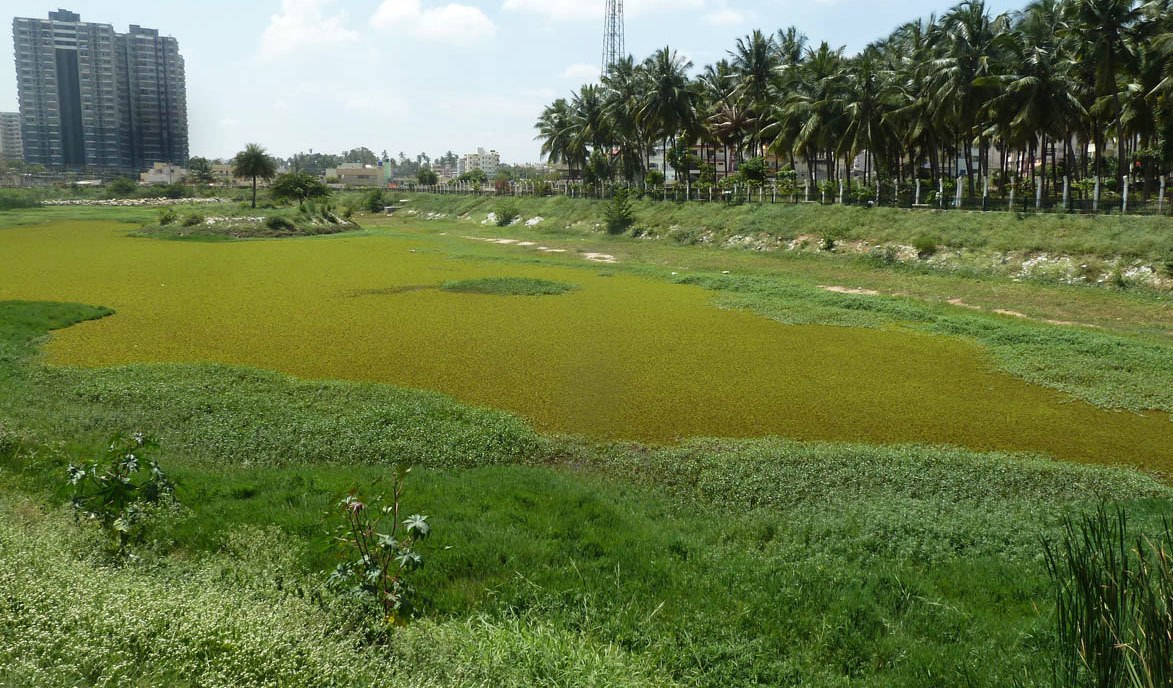
______________________ is when bodies of water contain an abundance of nutrients caused by humans.
a)
potable
b)
thermal pollution
c)
artificial eutrophication
d)
porosity
47.
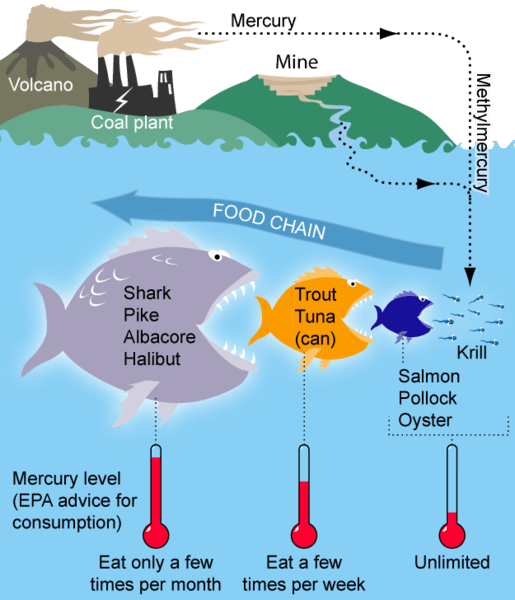
______________________ is the buildup of pollutants at higher levels of the food chain.
a)
porosity
b)
water pollution
c)
wastewater
d)
biomagnification
48.

______________________ is water that is safe to drink.
a)
pathogen
b)
porosity
c)
potable
d)
permeability
49.
Eutrophication causes
a)
production of excessive organic matter
b)
the killing of fish
c)
water to get healthier
d)
farming in Eurpoe
50.
Eutrophication is caused by
a)
runoff of excessive fertilizer and nutrients
b)
cleaning up waterways
c)
using nuclear energy
d)
using solar energy
51.
When excess nutrients make their way into the waterways,
a)
fish populations increase
b)
algal blooms increase
c)
frog population increases
d)
people get more vitamins in their water
52.
When a toxin is introduced to a food chain, the negative affect will get worse as you go up trophic levels. (mice affected a little, hawks affected a lot). This describes...
a)
Biomagnification
b)
Eutrophication
c)
Bioremediation
d)
Overexploitation
53.
Yards can be sources for
a)
pesticides; plant nutrients and sediment
b)
uranium; dioxins; pathogens
c)
acids; lead; plastics
d)
sediment; cholera; solvents
54.
Examples of materials that contain plant nutrients are
a)
sewage and fertilizers
b)
inorganic and organic chemicals
c)
radioactive materials and heat
d)
pesticides and infectious agents
55.
Eutrophication is caused by
a)
plant nutrients
b)
inorganic chemicals
c)
organic chemicals
d)
sediment
56.
Eutrophication results in
a)
lower dissolved oxygen (DO)
b)
sewage
c)
cancer
d)
lower IQ
57.
Chemicals that kill crop-destroying organisms are called _____________.
a)
sediments
b)
fertilizers
c)
acid rain
d)
pesticides
58.
Most water pollution is the result of __________________.
a)
natural processes
b)
animal waste
c)
human activities
d)
acid rain
59.
___________________ washes agricultural wastes, including animal wastes, fertilizers, and pesticides, into bodies of water, causing algae to grow.
a)
Runoff
b)
Peak flow
c)
Groundwater
d)
Municipal sewage
60.
Wastes produced by agriculture, households, industry, mining, and other human activities can end up in ______________.
a)
groundwater
b)
streams and rivers
c)
oceans
d)
All of these choices
61.
What is Pollution?
a)
Increase in Earths temperatures
b)
Sudden growth in algae in a pond
c)
Decrease in oxygen in water
d)
Harmful substance in environment
62.
What is algal bloom?
a)
Plants bloom early down stream
b)
Water becomes cloudy
c)
Too much of nutrients
d)
Extremely rapid growth of algea
63.
The difference between a point source and a nonpoint source of water pollution is...
a)
a nonpoint source is easily identifiable
b)
point sources can be targeted for reduction
c)
nonpoint sources tend to be factory outputs
d)
point sources tend to be agricultural in nature
64.
Combustible Black or Brownish-black sedimentary rock
a)
Coal
b)
Oil/ Petroleum
c)
Natural Gas
65.

__________ is an energy resource that WILL NOT run out in the next several hundred years.
a)
Renewable Energy Resource
b)
Nonrenewable Energy Resource
66.

Coal is a __________ energy resource.
a)
Renewable
b)
Nonrenewable
67.
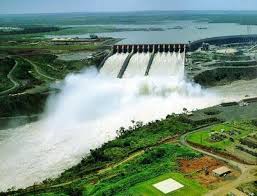
Hyrdo Power is a __________ energy resource.
a)
Renewable
b)
Nonrenewable
68.
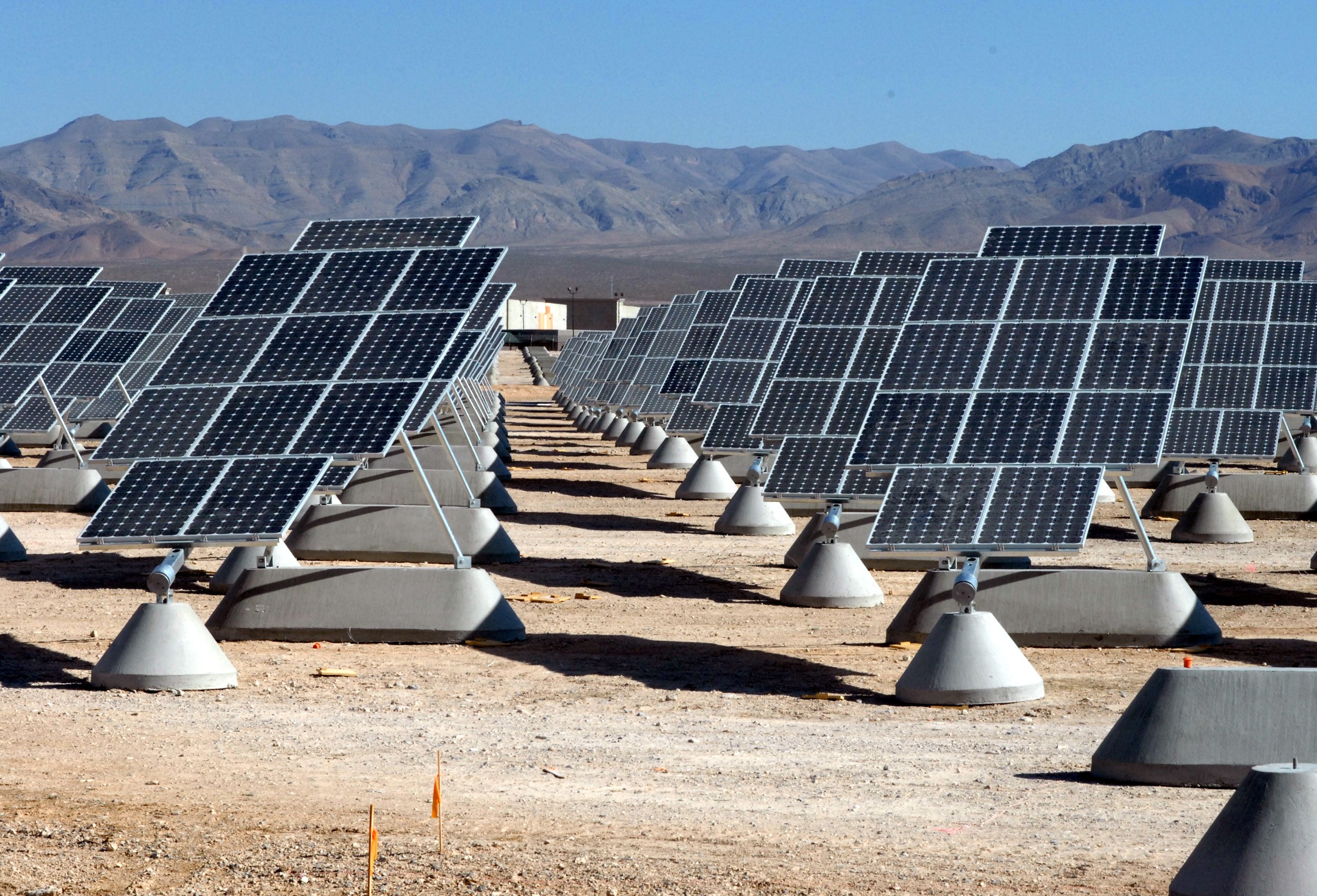
Solar Power is a __________ energy resource.
a)
Renewable
b)
Nonrenewable
69.
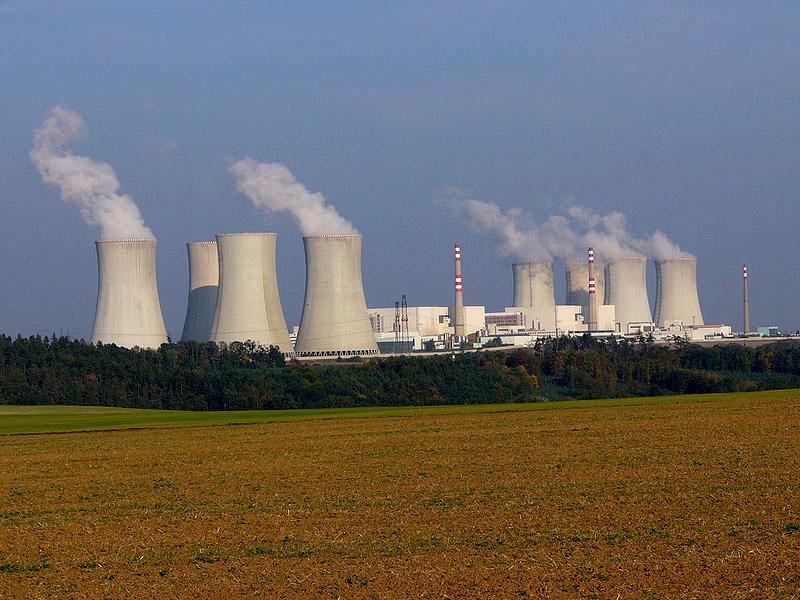
Nuclear Power is a __________ energy resource.
a)
Renewable
b)
Nonrenewable
70.

Natural Gas is a __________ energy resource.
a)
Renewable
b)
Nonrenewable
71.

Oil is a __________ energy resource.
a)
Renewable
b)
Nonrenewable
72.
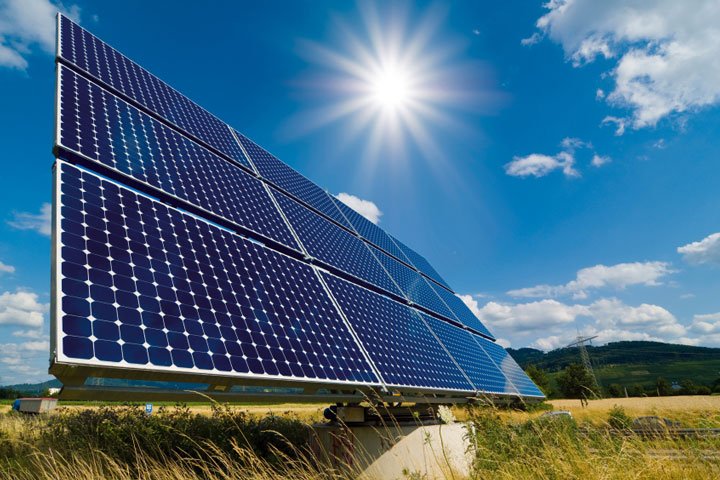
__________is the energy generated from the sun by using solar panels.
a)
Wind
b)
Hydro
c)
Nuclear
d)
Solar
73.

_________is energy generated when moving water turns turbines.
a)
Wind
b)
Hydro
c)
Geothermal
d)
Solar
74.
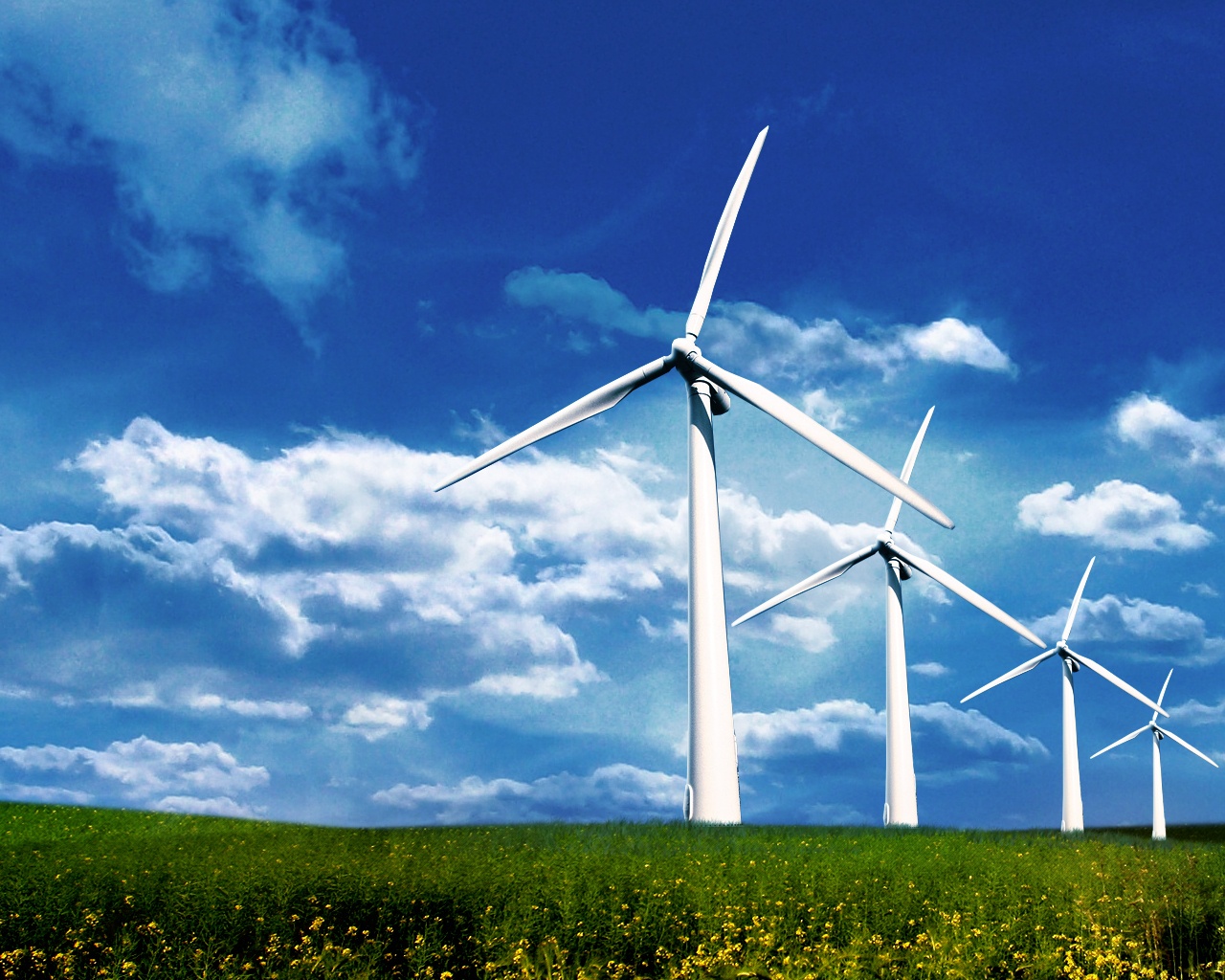
__________is the energy created by wind turning wind turbines.
a)
Geothermal
b)
Hydro
c)
Wind
d)
Nuclear
75.
When coal is used by humans, it is typically used to
a)
Heat homes directly
b)
Heat water
c)
Generate electricity
d)
Heat food
76.
A disadvantage of solar energy is
a)
that the clouds can block the sunlight
b)
it is not available at night
c)
that the clouds can block the sunlight and it is not available at night
d)
the sun is too hot to be absorbed in solar panels
77.
Conservation is
a)
the practice of increasing the use of natural resources in order to use them
b)
the practice of increasing the use of natural resources in order to save them
c)
the practice of decreasing the use of natural resources in order to use them
d)
the practice of decreasing the use of natural resources in order to save them
78.
What are the 3 main fossil fuels?
a)
Coal, Oil, and Gasoline
b)
Coal, Oil, and Natural Gas
c)
Electricity, Gasoline, Petroleum
d)
Coal, Oil, Non-renewable Resources
79.
6. Gasoline comes from which fossil fuel?
a)
Coal
b)
Petroleum
c)
Natural Gas
80.
This is the cleanest burning of the fossil fuels:
a)
Natural Gas
b)
Coal
c)
Petroleum
d)
Shale
81.
What type of fossil fuel is mined from the ground?
a)
wind
b)
coal
c)
biomass
d)
air
82.
How do we get natural gas?
a)
from scientists
b)
geological survey
c)
the gas pump
d)
drilling and harvesting wells
83.
We can _____________ materials like glass, paper, and aluminum
a)
imprint
b)
recycle
c)
break
d)
replace
84.
All of the following are methods of solid waste disposal EXCEPT:
a)
landfills
b)
open dumping
c)
incineration
d)
recovery
85.
A process in which mixed garbage is burned at very high temperatures is:
a)
recovery
b)
incineration
c)
leachate
d)
source reduction
86.
Which item should you NOT put in your compost pile?
a)
food scraps
b)
autumn leaves
c)
wood chips
d)
plastic
87.
The three main categories of waste include municipal solid waste, hazardous waste, and:
a)
industrial waste
b)
radioactive waste
c)
wastewater
d)
green waste
88.
Why are non-biodegradable plastics a problem in the environment?
a)
They do not decompose or break down naturally
b)
They leak toxic chemicals
c)
They are filling up lakes and ponds
d)
They contain poisons for wildlife
89.
What is the collection of materials that can be broken down and reprocessed to make new items?
a)
composting
b)
incineration
c)
leachate
d)
recycling
90.
Most of the municipal solid waste in the united states in made up of?
a)
Plastic
b)
Metals
c)
Paper
d)
Food waste
91.
Leachate is a ______________
a)
A liquid that has passed through com-seeps solid waste in a landfill
b)
A gas that has passed through com-seeps solid waste in a landfill
c)
A solid that has passed through com-seeps solid waste in a landfill
d)
A chemical that has passed through com-seeps solid waste in a landfill
92.
Why is leachate dangerous?
a)
It has toxic fumes
b)
It can leak into our water supply
c)
It can't be processed
93.
What is a positive of incineration?
a)
It reduces the volume of trash. Also, heat produced can be used to make electricity.
b)
It heats the air which makes warmer temperatures.
c)
It releases greenhouse gases
94.
Which gas is produced at landfills?
a)
Methane
b)
Ethanol
c)
Hexane
d)
Diesel
95.
Which category produces the greatest amount of waste?
a)
Industrial
b)
Municipal
c)
Hazardous
d)
Litter
96.
Garbage produced by households and businesses
a)
hazardous waste
b)
school lunch
c)
municipal solid waste
d)
city water
97.
Which of the following are problems associated with landfills?
a)
source reduction and composting
b)
surface improvement and leachate
c)
leachate and methane production
d)
all of the above
98.
What is the primary waste disposal method in the US?
a)
incineration
b)
landfilling
c)
composting
d)
recycling
99.
What are the two primary methods of waste recovery?
a)
surface impoundment and deep-well injection
b)
incinerating and open-air burning
c)
recycling and composting
d)
sanitary landfills and open dumps
100.
In what category of waste do paint, household cleaners, medical waste, and solvents belong?
a)
hazardous
b)
compost
c)
municipal solid
d)
industrial
100 %

