
 Worksheets
Body Symmetry
Total questions: 20
Worksheet time: 10mins
Name
Class
Date
1.
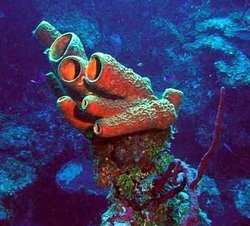
What type of symmetry does this animal exhibit?
a)
Asymmetry
b)
Bilateral symmetry
c)
Radial symmetry
2.
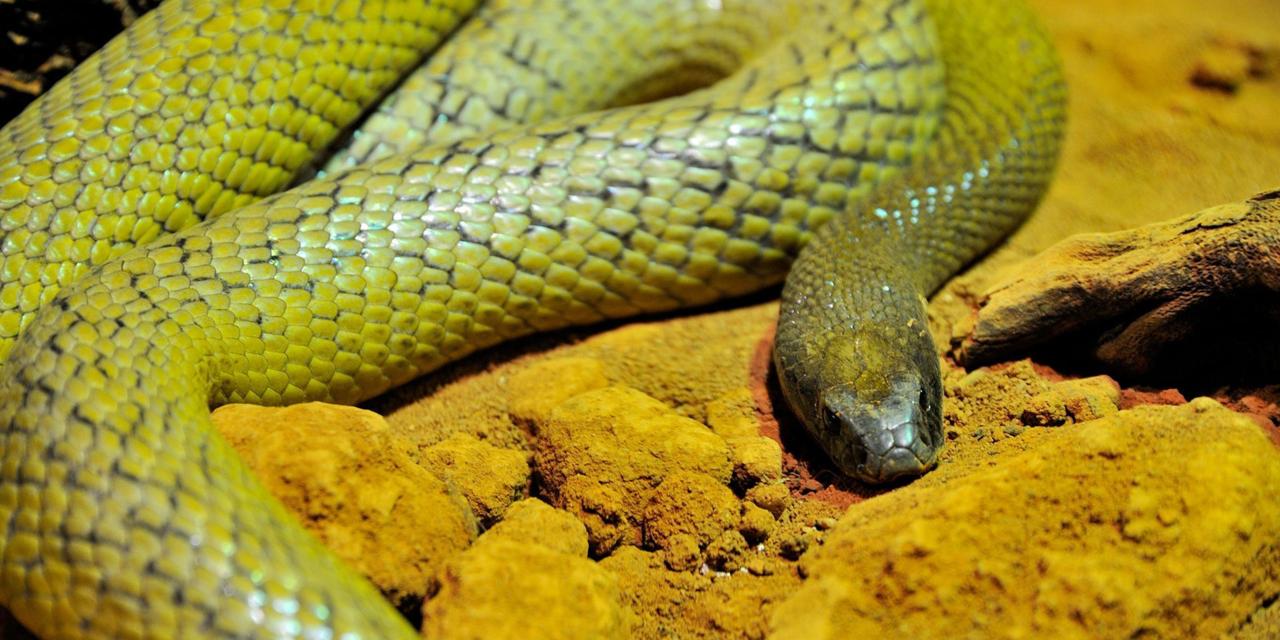
What type of symmetry does this animal exhibit?
a)
Asymmetry
b)
Bilateral symmetry
c)
Radial Symmetry
3.
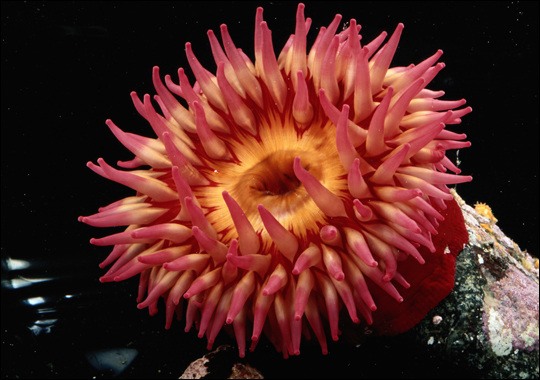
What type of symmetry does this animal exhibit?
a)
Asymmetry
b)
Bilateral symmetry
c)
Radial symmetry
4.
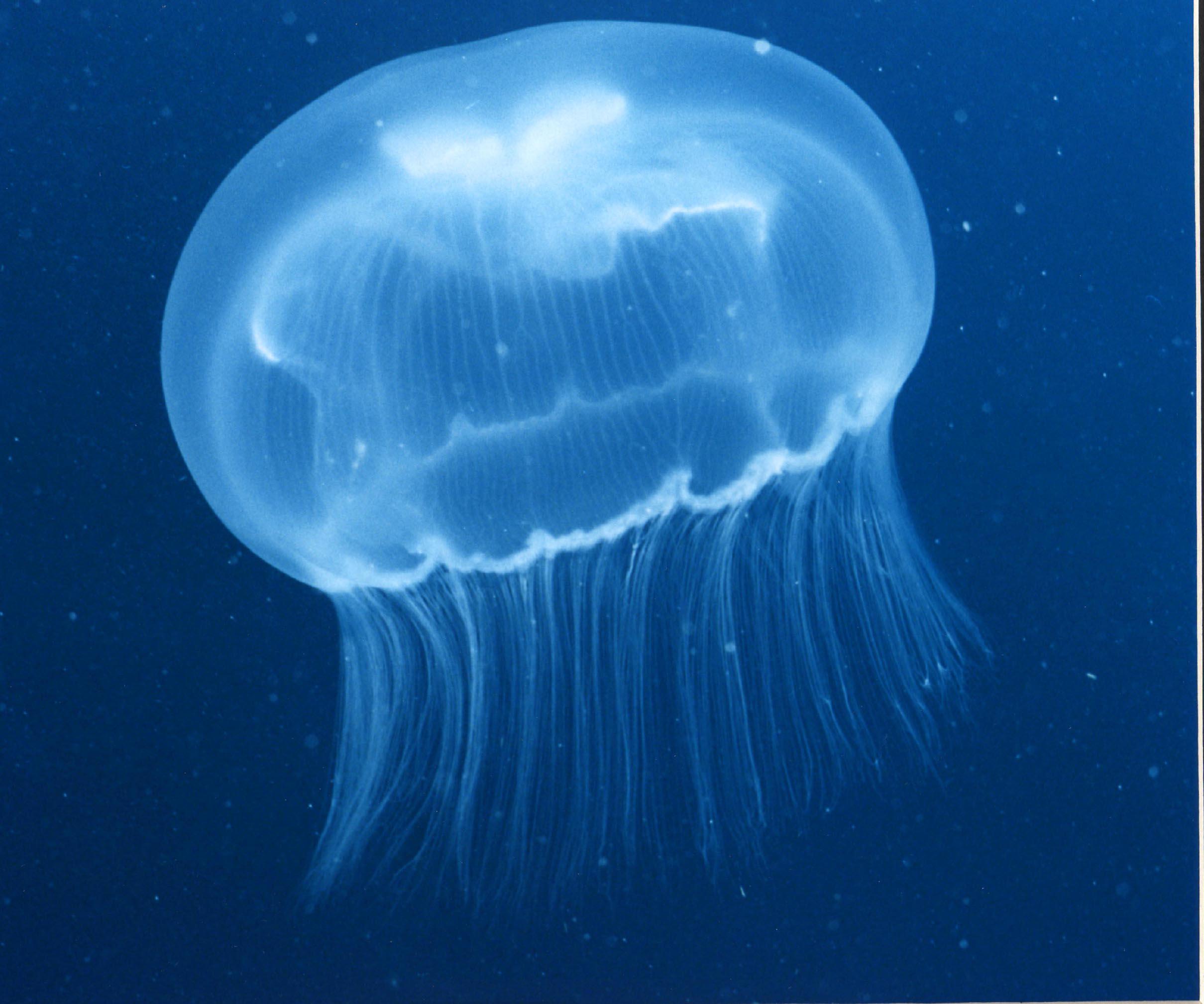
What type of symmetry does this animal exhibit?
a)
Asymmetry
b)
Bilateral symmetry
c)
Radial symmetry
5.
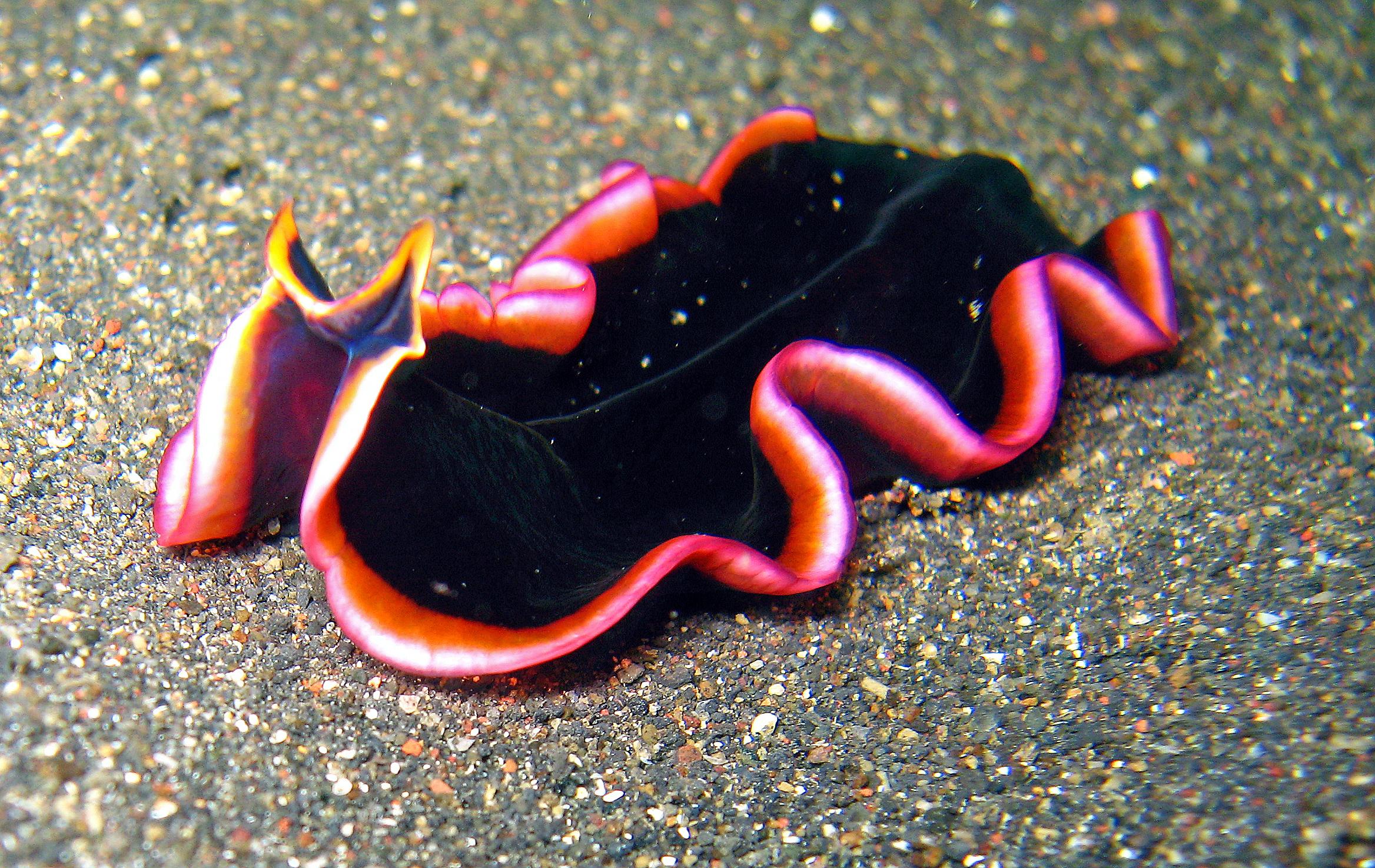
What type of symmetry does this animal exhibit?
a)
Asymmetry
b)
Bilateral symmetry
c)
Radial symmetry
6.
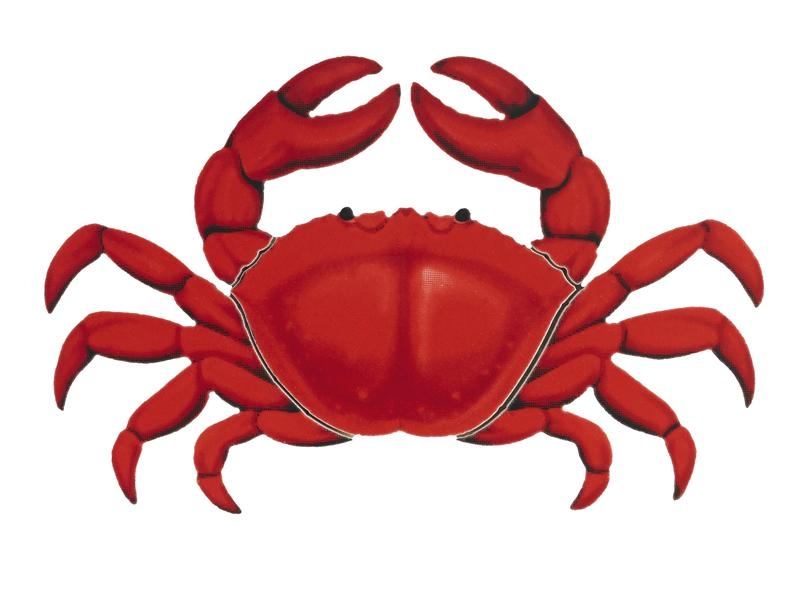
What type of symmetry does this animal exhibit?
a)
Asymmetry
b)
Bilateral symmetry
c)
Radial symmetry
7.
External Skeleton
a)
Endoskeleton
b)
Exoskeleton
c)
Hydrostatic
8.
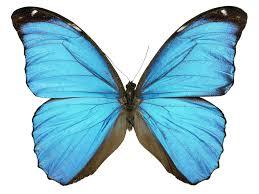
What type of symmetry does this organism have?
a)
Asymmetry
b)
Radial
c)
Bilateral
9.
Internal Skeleton
a)
Endoskeleton
b)
Exoskeleton
c)
Hydrostatic
10.
Animals are
a)all unicellular
b)all multicellular
c)
mostly unicellular
d)mostly multicellular
11.
All vertebrates have
a)
4 legs
b)wings
c)lungs
d)a backbone
12.
All animals are capable of
a)
flight
b)
sight
c)
movement
d)
speech
13.
Animals whose body parts are arranged the same on both sides have
a)
radial symmetry
b)asymmetry
c)bilateral symmetry
d)spherical symmetry
14.
Which have radial symmetry?
a)starfish
b)
jellyfish
c)sea anemones
d)all of these have radial symmetry
15.
Most sponges have
a)
radial symmetry
b)bilateral symmetry
c)
spherical symmetry
d)asymmetry
16.
Both endoskeletons and exoskeletons
a)
support the body
b)
protect the body
c)provide a place for muscle attachment
d)do all of these
17.
Organisms that cannot make their own food are called
a)
heterotrophs
b)
autotrophs
c)producers
d)sessile
18.
An animal that is attached in one spot is said to be
a)
motile
b)sessile
c)symmetrical
d)radial
19.
Animals whose body parts are arranged in a circle around a center point have
a)radial symmetry
b)spherical symmetry
c)asymmetry
d)bilateral symmetry
20.
What occurs when the body can’t be divided into similar sections (mirror images)?
a)
asymmetry
b)
symmetry
c)
segmented
d)
unsegmented
100 %

