
 Worksheets
Levels Of Organization in Living Things
Total questions: 21
Worksheet time: 15mins
Name
Class
Date
1.
Eyes, nose, mouth would each be an example of a(n)
a)
organ system
b)
cell
c)
organ
d)
tissue
2.
The ___________ is the basic unit of life
a)
organ
b)
cell
c)
atom
d)
tissue
3.
A group of tissues that perform a similar function is called_____. (Examples include the heart, lungs or stomach)
a)
cells
b)
tissues
c)
organs
d)
organ system
4.
A group of cells that have similar functions? Examples are nervous, epithelial, muscle and connective
a)
cells
b)
tissues
c)
organs
d)
atoms
5.
When many organ systems work together it can form...
a)
organ
b)
cells
c)
organ system
d)
organism
6.
What is the correct order of organization
a)
tissues-cells-organs-organ systems-organism
b)
cell-tissue-organs-organ systems-organism
c)
organism-cells-tissues-organ systems-organism
d)
tissues-cells-organs-organ sytems-organism
7.
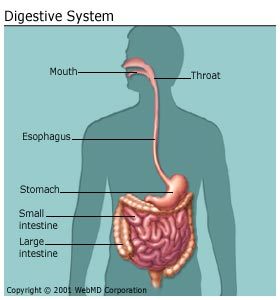
This is a example of........
a)
organ system
b)
cells
c)
organ
d)
tissue
8.
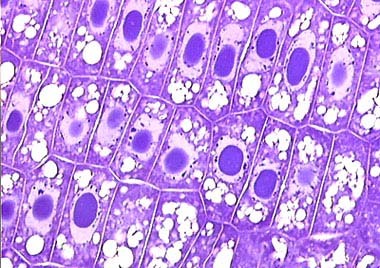
This is a example of ........
a)
cell
b)
tissue
c)
organ
d)
organ system
9.
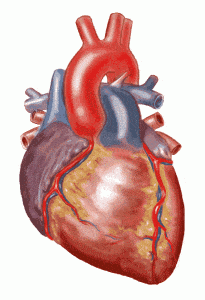
This is a example of ........
a)
cell
b)
organ system
c)
organ
d)
tissue
10.
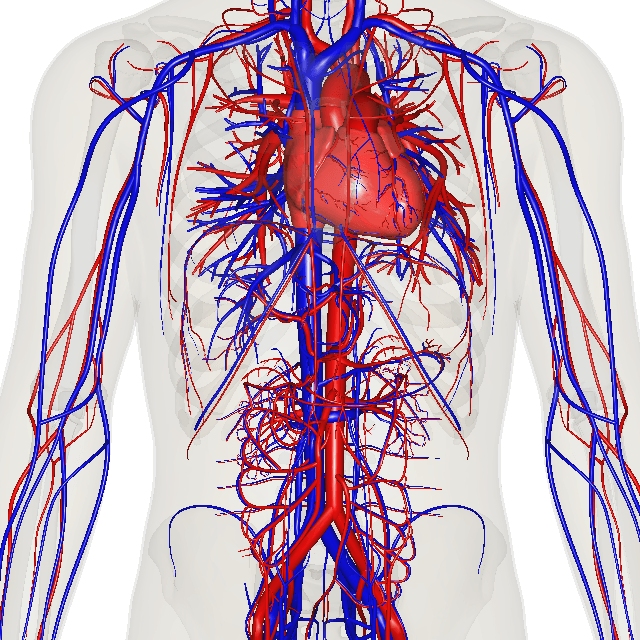
This is a example of ........
a)
organ
b)
organ system
c)
tissue
d)
cell
11.
Which level of organization is the least specialized yet the most numerous in an organism?
a)
tissue
b)
cell
c)
organ
d)
organ system
12.
What is the structure of an organism.
a)
Structure refers to the part of organism like cells, tissues, organs.
b)
Structure refers to the different cells in the body and the job they can do.
c)
Structure refers to the job the tissues do in the body.
d)
Structure refers to the job each part of an organism does.
13.
What is function?
a)
Function refers to the parts of an organism like cells, tissues, organs.
b)
Function refers to the location of the cells, tissues, and organs in the body.
c)
Function refers to the jobs of the structures in an organism.
d)
Function refers to the levels of organization in an organism.
14.
Which of the following systems would allow your arms to move?
a)
excretory and digestive
b)
muscular and skeletal
c)
muscular and excretroy
d)
excretory and skeletal
15.
Which of the following systems would allow a student to breathe and read music?
a)
respiratory and excretory
b)
nervous and circulatory
c)
circulatory and excretory
d)
respiratory and nervous
16.
Which of the following systems would break down food and deliver nutrients through the body?
a)
digestive and excretory
b)
excretory and muscular
c)
digestive and circulatory
d)
excretory and circulatory
17.
Which of the following organelles could be compared to the nervous system?
a)
mitochondria
b)
nucleus
c)
lysosome
d)
ribosome
18.
Which of the following systems could be compared to the lysosomes?
a)
excretory system
b)
respiratory system
c)
digestive system
d)
circulatory system
19.
Which would be the broadest level of organization in organisms?
a)
cells
b)
tissues
c)
organs
d)
organ systems
20.

Which of the following levels of organization is pictured?
a)
cell
b)
tissue
c)
organ
d)
organ system
21.

Which of the following levels of organization is pictured?
a)
cell
b)
tissue
c)
organ
d)
organ system
100 %

