
NEW
Font size
S
M
L
XL
 Worksheets
Introduction to Biology Review
Total questions: 46
Worksheet time: 2hrs 4mins
Name
Class
Date
1.
Which one of the following is a characteristic of life?
a)
Growth
b)
Breathing
c)
Expelling toxins
d)
Photosynthesis
2.
The basic unit of life is called a (n)
a)
atom
b)
compound
c)
cell
d)
energy
3.
A worm turns away from light is an example of a worm
a)
reproducing
b)
doing cellular respiration
c)
having cells
d)
adjusting to its environment
4.
Which of the following characteristics of living things best explain a cat having a litter of kittens?
a)
living things respond to their environment
b)
living things maintain homeostasis
c)
living things reproduce
d)
living things are based on a genetic code
5.
Which of the following characteristics of living things best explains why humans sweat when they get hot?
a)
maintaining a stable internal enviornment
b)
growth and development
c)
using energy
d)
ability to reproduce
6.
Which of the following characteristics of living things best explains why your legs and arms get longer and stronger as you get older?
a)
living things respond to their environment
b)
living things maintain internal balance
c)
living things are made of cells
d)
living things grow and develop
7.
Living things respond to internal stimuli (homeostasis) and external stimuli (react to something).
a)
True
b)
False
8.

Living things require energy to survive.
a)
True
b)
False
9.
Living things do all the following EXCEPT:
a)
Respond to stimulus
b)
Grow and develop
c)
Maintain homeostasis
d)
They do not change
10.
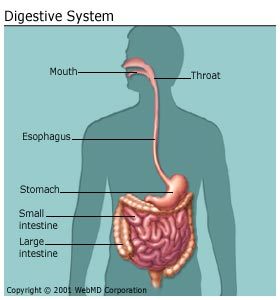
This is a example of........
a)
organ system
b)
cells
c)
organ
d)
tissue
11.
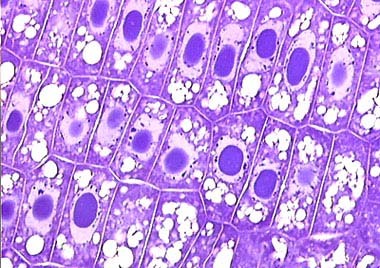
This is a example of ........
a)
cell
b)
tissue
c)
organ
d)
organ system
12.
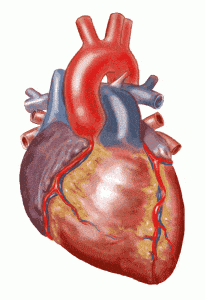
This is a example of ........
a)
cell
b)
organ system
c)
organ
d)
tissue
13.
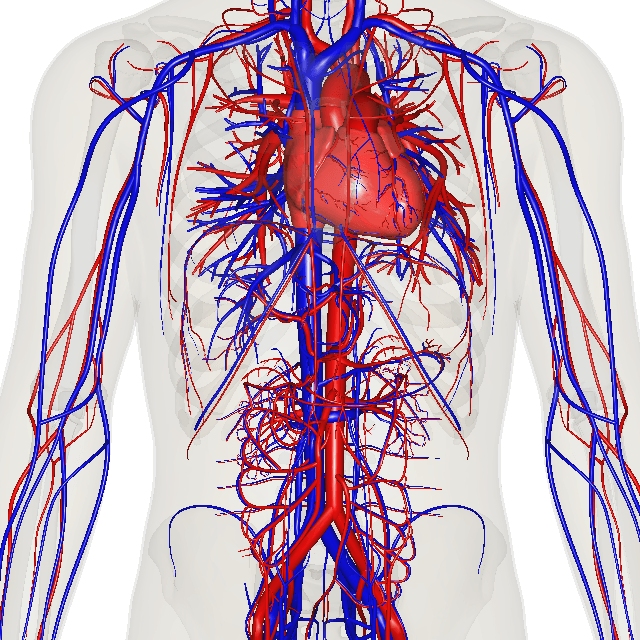
This is a example of ........
a)
organ
b)
organ system
c)
tissue
d)
cell
14.
What is the correct order of organization
a)
tissues-cells-organs-organ systems-organism
b)
cell-tissue-organs-organ systems-organism
c)
organism-cells-tissues-organ systems-organism
d)
tissues-cells-organs-organ sytems-organism
15.
What is another word that can be used to describe "homeostasis"?
a)
STABLE
b)
EQUAL
c)
COMPLETE
d)
CORRECT
16.

Complex cell. Can be plant or animal. Contains membrane bound organelles.
a)
Eukaryotic Cell
b)
Prokaryotic Cell
c)
Bacteria
d)
Blood cell
17.
Prokaryotic
a)
are single celled organisms that do not have a nucleus or membrane bound organelles
b)
a protective layer that covers the the cells surface and acts as a barrier
c)
is the smallest unit that can preform all he processes necessary for life
18.
Which type of cell is bigger?
a)
Prokaryotic
b)
Eukaryotic
19.
All eukaryotes and prokaryotes are surrounded by a _____.
a)
cell wall
b)
cell membrane
c)
cell envelope
d)
loving, supportive family
20.
Where is the DNA found in a prokaryotic cell?
a)
floating around in the cytoplasm
b)
in the nucleus
21.
What type of cell has a nucleus?
a)
eukaryotic
b)
prokaryotic
22.
What type of cell has membrane bound organelles?
a)
Prokaryote
b)
Eukaryote
c)
both
23.
Which of the following is found inside a prokaryote?
a)
cytoplasm
b)
DNA
c)
ribosomes
d)
all of these
24.
Both prokaryotes and eukaryotes have a nucleus.
a)
True
b)
False
25.
Plants and animal cells are examples of ___ cells
a)
prokaryotic cells
b)
eukaryotic cells
26.
There are three parts to the cell theory. Which is NOT one of those parts?
a)
All organisms are composed of one or more cells.
b)
The cell is the basic unit of structure and organization in organisms.
c)
Cells spontaneously arise from carbon and nutrients carried in the bloodstream.
d)
All cells come from pre-existing cells.
27.
Under a microscope, a student observes a specimen containing a cell wall, nucleus, and chloroplasts. Which of the following could the specimen being observed belong to?
a)
oak tree leaf
b)
human
c)
bacteria
d)
cat hair
28.
Tiny cell structures that carry out specific functions within the cell.
a)
membranes
b)
nucleus
c)
organelles
d)
animalicules
29.

This cell is simple. Only genetic material, cytoplasm and ribosomes inside.
a)
Eukaryotic
b)
Prokaryotic
c)
Plant
d)
Animal
30.
____________ & _________________ are organelles that definitely arose from endosymbiosis.
a)
Rough ER & Smooth ER
b)
Mitochondria & Flagellum
c)
Chloroplast & Mitochondria
d)
Chloroplast and Golgi apparatus
31.
The theory of Endosymbiosis explains
a)
The origin of eukaryotes
b)
How species develop
c)
How bacteria live
d)
Why cells rely on one another
32.
All of the following are evidence of endosymbiosis EXCEPT
a)
mitochondria and chloroplast ribosomes are similar to bacterial ribosomes
b)
mitochondria and chloroplast are similar in size to bacteria
c)
mitochondria and chloroplast have double membranes
d)
mitochondria and chloroplast have a nucleus
33.
Which type of cell came first?
a)
Eukaryotic
b)
Prokaryotic
c)
Plant
d)
Both Eukaryotic and Prokaryotic cells evolved around the same time
34.
Which of the following is NOT evidence for endosymbiosis?
a)
Chloroplasts & mitochondria have DNA similar to prokaryotes
b)
Chloroplasts & mitochondria reproduce by binary fission similar to prokaryotes
c)
Chloroplasts & mitochondria contain 70s ribosomes similar to prokaryotes
d)
Chloroplasts & mitochondria move around the cell freely
e)
Chloroplasts & mitochondria can survive independently outside of the eukaryotic cell
35.
Is a virus considered living or non-living?
a)
Living
b)
Non-Living
c)
Neither
36.
Which is bigger, a bacteria or a virus?
a)
Bacteria
b)
Virus
37.
Most bacteria are surrounded by a strong structure that acts like a shield for the virus called the…?
a)
Cell Wall
b)
Cell Membrane
c)
Protein Coat
38.

What do viruses have in common with living cells? They both...
a)
store genetic information
b)
have chloroplasts
c)
use glucose for cellular respiration
d)
have endoplasmic reticulum
39.

Viruses are cells.
a)
True
b)
False
40.

What part of the virus is number 1?
a)
Capsid
b)
DNA
c)
Surface Markers
d)
Envelope
41.
What part of the virus is number 2?
a)
Capsid
b)
DNA
c)
Surface Markers
d)
Envelope
42.
What part of the virus is number 3?
a)
Capsid
b)
DNA
c)
Surface Markers
d)
Envelope
43.

What is the purpose of surface marker on a virus
a)
As defense.
b)
They provide structural support.
c)
To allow the virus to move.
d)
To attach to the host cell.
44.

Small membrane-bound sac that contains and transports materials within the cytoplasm; for storage.
a)
vesicle
b)
nucleolus
c)
chloroplast
d)
cytoskeleton
45.

Layered stack of flat membrane-enclosed spaces containing enzymes that process, sort, and deliver proteins.
a)
Golgi apparatus
b)
vacuole
c)
cell wall
d)
none of these
46.

This organelle is found only in plants; it takes up a lot of space and strengthens cells and helps to support the entire plant.
a)
central vacuole
b)
chloroplast
c)
mitochondroa
d)
nucleus
Reset

