wayground logo

Free Printable Worksheets

NEW

Font size

S
M
L
XL
Worksheets

Cells, Cell Structures, biomolecule, and Viruses

Total questions: 46

Worksheet time: 1hrs 14mins

Name
Class
Date
1.

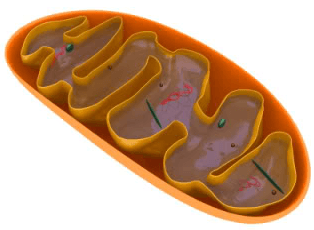
This organelle takes food and turns it into ENERGY for plant and animal cells.

a)

Chloroplast

b)

Mitochondria

c)

Lysosome

d)

Ribosome

2.

The site of photosynthesis

a)

ribosome

b)

mitochondria

c)

chloroplast

d)

nucleus

3.

The ___________ is the basic unit of life

a)

organ

b)

cell

c)

atom

d)

tissue

4.
Which organelle is only found in a plant cell? 
a)
nucleus
b)
chloroplast
c)
mitochondria
d)
cell membrane
5.
Directs all cell activities through the DNA located there.
a)
Lysosomes
b)
Nucleus
c)
ribosomes
d)
Mitochondria
6.
Which of the following is directly involved in the transportation of materials inside/within the cell?
a)
Endoplasmic Reticulum
b)
Vacuole
c)
Lysosome
d)
Mitochondria
7.
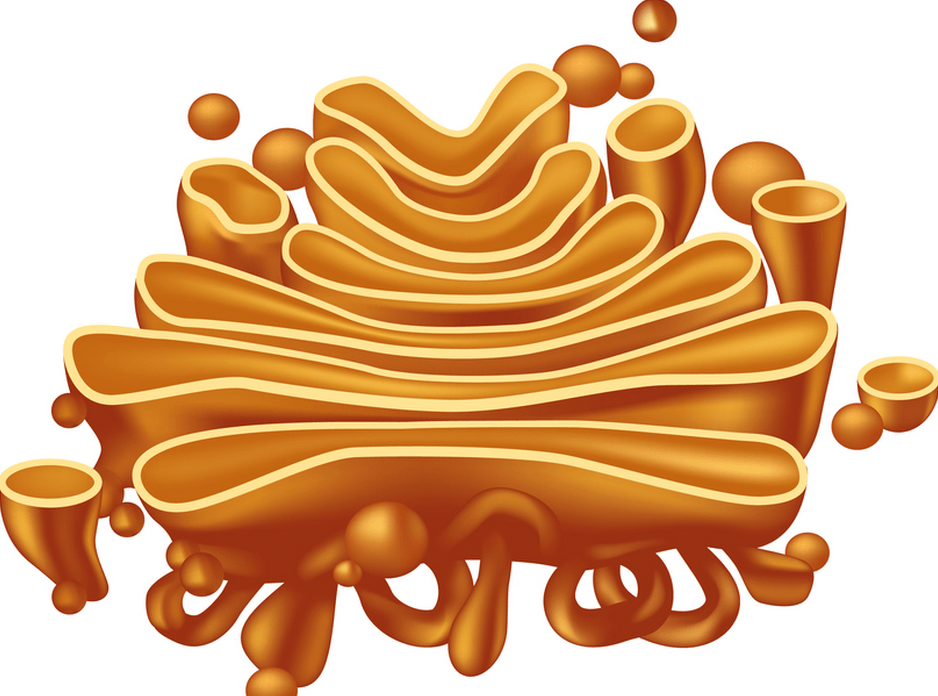
I am a protein packaging and shipping machine! Who am I?
a)
vacuole
b)
ribosome
c)
mitochondrion
d)
golgi apparatus
8.
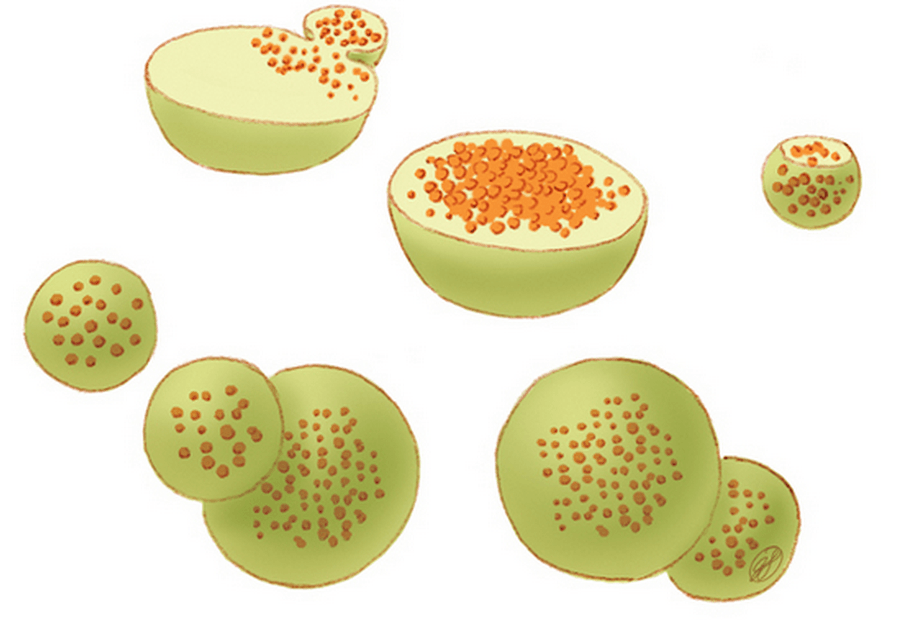
You might think of me as the trash collector, but recycler is maybe more accurate. What am I?
a)
mitochondria
b)
lysosome
c)
vacuole
d)
ribosome
9.
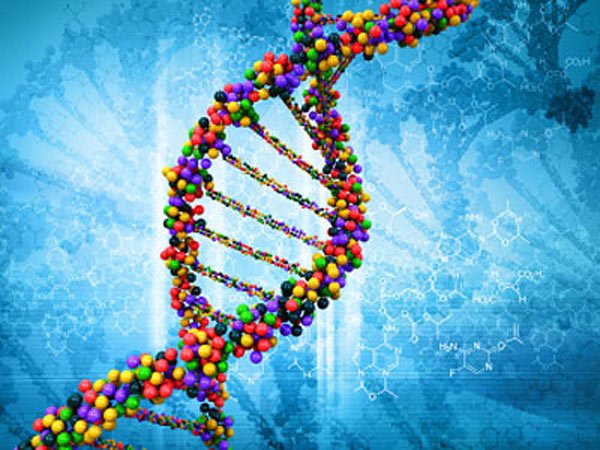
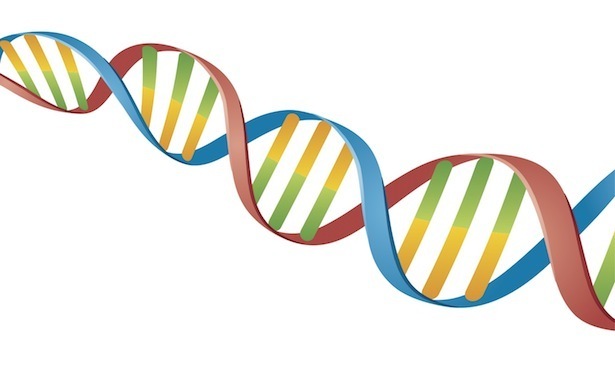
What is the name of the genetic material that is inside the nucleus?
a)
ER
b)
ATP
c)
YOLO
d)
DNA
10.
What is found in both plant and animal cells but is much larger in plant cells?
a)
Nucleus
b)
Mitochondria
c)
Chloroplast
d)
Vacuole
11.
Where are proteins made?
a)
Golgi body
b)
Mitoichondria
c)
Chromosomes
d)
Ribosomes
12.
I am the outer most layer of an animal cell. What am I?
a)
cell wall
b)
nucleus
c)
cell membrane 
d)
cell skin
13.

What are tiny organelles that convert glucose into ATP energy?

a)

Ribosomes

b)

Vesicles

c)

Cytoskeleton

d)

Mitochondria

14.
A rigid layer that lies outside the cell's  membrane is...
a)
Cytoskeleton
b)
Cilia
c)
Cell Wall
d)
Flagella
15.
What is the gel-like substance inside of cells called?

a)
photoplasm
b)
photosynthesis
c)
cytoskeleton
d)
cytoplasm
16.

Main producer of ATP energy in all eukaryotes

a)

chloroplast

b)

mitochondria

c)

lysosome

d)

smooth er

17.
This is a example of ........
a)
cell
b)
organ system
c)
organ
d)
tissue
18.
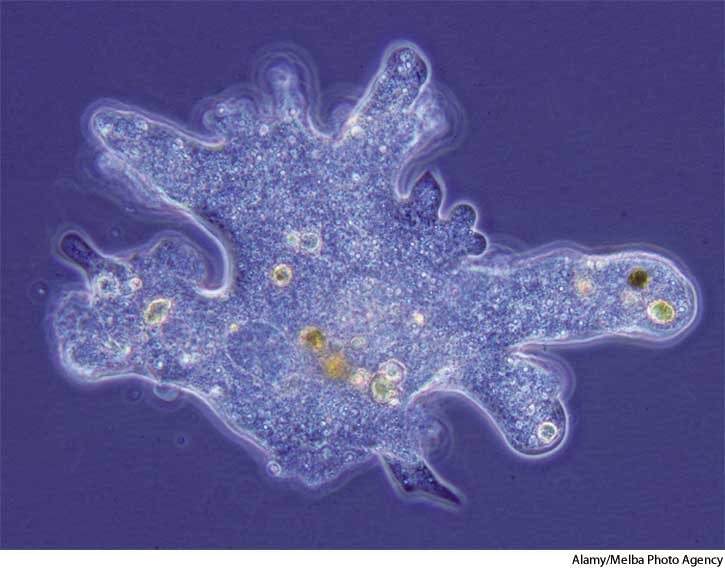
An Amoeba is a unicellular, animal-like protist that lives in ponds and streams. According to cell theory, where did this cell come from?
a)
another pre-existing amoeba cell.
b)
energy from sun that allowed the protist to reproduce.
c)
a multicellular organism.
d)
the nonliving environment.
19.
Complex cell. Can be plant or animal. Contains membrane bound organelles. 
a)
Eukaryotic Cell
b)
Prokaryotic Cell
c)
Bacteria
d)
Blood cell
20.

What cell doesn't have a cell wall?

a)

Animal cell

b)

Plant cell

c)

Fungus Cell

d)

Prokaryote

21.
Which of the following is NOT a characteristic that prokaryotes and eukaryotes share? 
a)
cell membrane 
b)
DNA or RNA 
c)
ribosomes
d)
nucleus
22.
Prokaryotic does not have…….
a)
membrane bound organelles 
b)
cell membrane 
c)
DNA or RNA 
d)
life
23.
Prokaryotes are _____ than Eukaryotes because they have fewer organelles and no nucleus.
a)
Smaller
b)
Bigger
c)
Same Size
d)
Undefined
24.
There are three parts to the cell theory. Which is NOT one of those parts?
a)
All organisms are composed of one or more cells.
b)
The cell is the basic unit of structure and organization in organisms.
c)
Cells spontaneously arise from carbon and nutrients carried in the bloodstream.
d)
All cells come from pre-existing cells.
25.
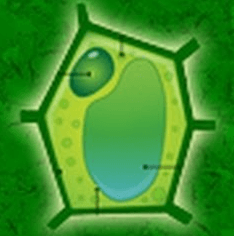
Which type of cell?
a)
Prokaryote
b)
Eukaryote
26.
What number is pointing to the cell membrane?
a)
1
b)
2
c)
3
d)
4
27.

An organism is made out of organs such as the heart and the brain, and those organs are made out of tissue such as nervous tissue or muscle tissue, and that tissue is made out of billions of __________ which is made up of organelles such as the nucleus and lysosomes, which are made up of biomolecules such as proteins, carbohydrates, and lipids.

a)

cells

b)

air molecules

c)

organs

28.
What do viruses need to reproduce?
a)
they need genetic material
b)
They need a host cell
c)
They need  bacteria
d)
They need insulin
29.
A(n) _____ is a virus that enters a bacterial cell.
a)
endospore
b)
decomposer
c)
plasmid
d)
bacteriophage
30.
What do viruses have in common with living cells? They both...
a)
store genetic information
b)
have chloroplasts
c)
use glucose for cellular respiration
d)
have endoplasmic reticulum
31.
Reasons that viruses are considered to be nonliving is because
a)
They are not cellular
b)
They cannot reproduce on their own
c)
They cannot make proteins
d)
all of the above
32.
How could you describe the size of a virus?
a)
Smaller than bacteria
b)
Larger than a parasite
c)
About the size of a dime
d)
Smaller than a proton
33.
One reason that viruses are considered to be nonliving is that they are not made of ______.
a)
protein
b)
viruses
c)
bacteria
d)
cells
34.
Outer protein coat of a virus.
a)
Envelope
b)
Capsid
c)
Cell Wall 
d)
Chitin
35.
 Viruses can reproduce (replicate) on a surface (ex: table, chair, etc.)
a)
True
b)
False
36.

The picture here shows examples of _______.

a)

proteins

b)

prokaryotes

c)

viruses

d)

eukaryotes

37.
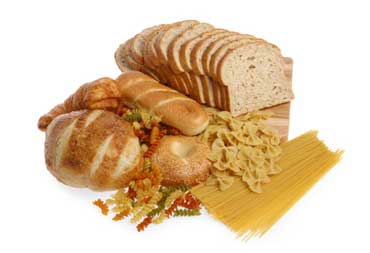
Which biomolecule is found in pasta and bread?
a)
Lipid
b)
Protein
c)
Nucleic Acid
d)
Carbohydrate
38.
Which biomolecule is a main source of quick energy?
a)
Nucleic Acid
b)
Protein
c)
Lipid
d)
Carbohydrate
39.
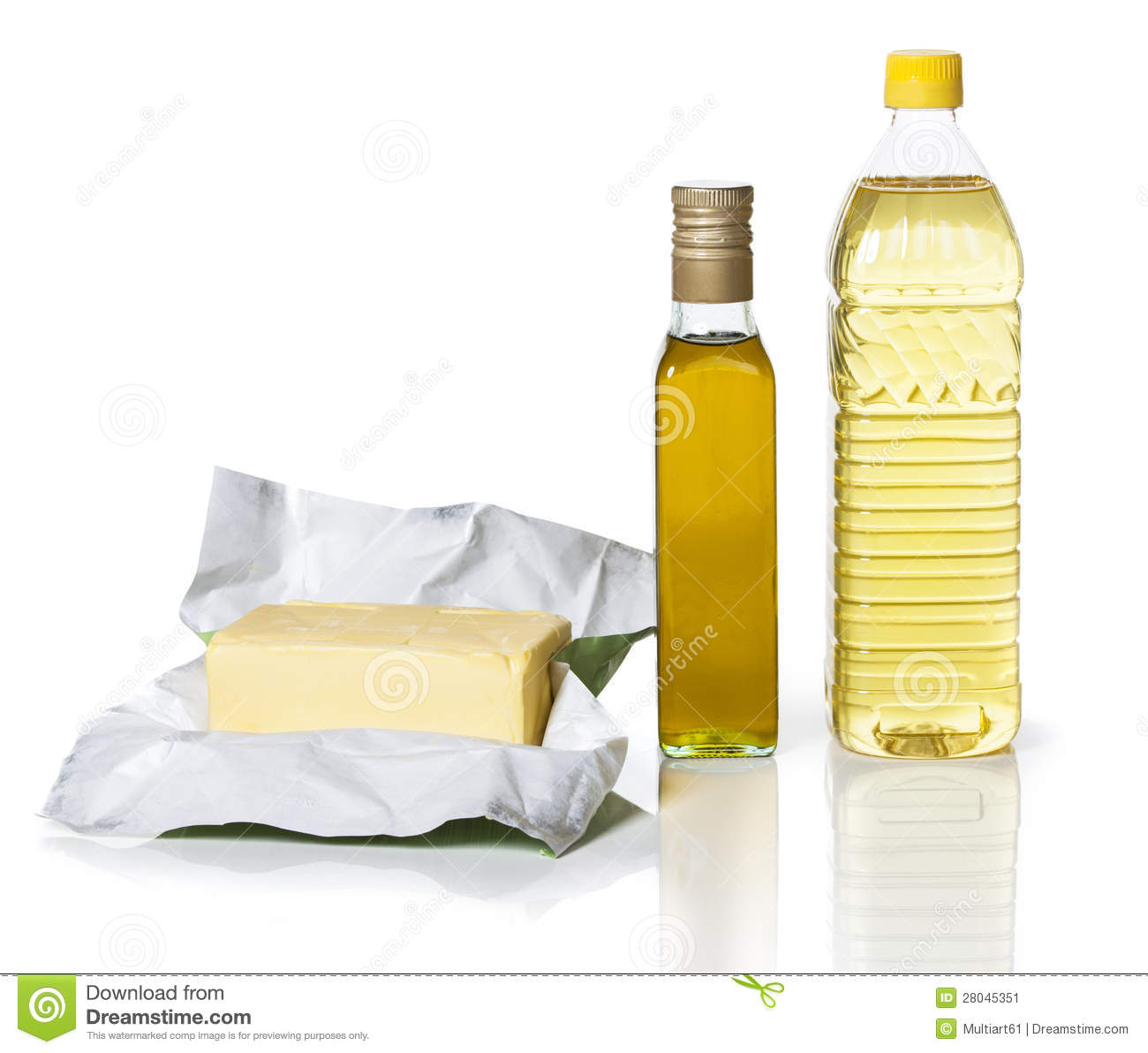
Which biomolecule is found in fats, oils, and waxes and is a source of long-term energy
a)
Proteins
b)
Nucleic Acid
c)
Lipids
d)
Carbohydrate
40.
What is the function of a nucleic acid?
a)
Stores genetic information
b)
Stores energy
c)
Quick source of energy
d)
Builds structures
41.

Which biomolecule helps form muscles?

a)

Nucleic Acid

b)

Carbohydrate

c)

Protein

d)

Lipids

42.
Which biomolecule is responsible for insulation and energy storage?
a)
Protein
b)
Nucleic Acid
c)
Lipid
d)
Carbohydrate
43.
Which biomolecule has sugars and starches?
a)
Lipids
b)
Proteins
c)
Carbohydrates
d)
Nucleic Acid
44.
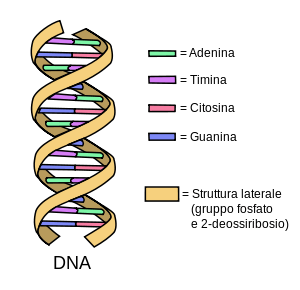
What type of molecule is this?
a)
Nucleic acid
b)
Protein
c)
Carbohydrate
d)
Lipid
45.
Enzymes are considered to be 
a)
Lipids
b)
Carbohydrate
c)
Protein
d)
Nucleic Acid
46.
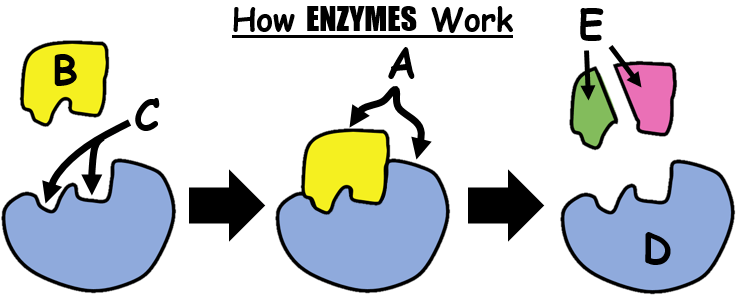
Letter D...
a)
active site
b)
enzyme
c)
substrate
d)
products