Wayground logo

Free Printable Worksheets

Font size

S
M
L
XL
Worksheets

Vertebrates & Invertebrates Test Review

Total questions: 34

Worksheet time: 17mins
Name
Class
Date
1.
An animal without a backbone is known as
a)
exoskeleton
b)
endoskeleton
c)
invertebrate
d)
vertebrate
2.
An animal with an internal skeleton
a)
endoskeleton
b)
exoskeleton
c)
invertebrate
d)
vertebrate
3.
An animal with a backbone
a)
vertebrate
b)
invertebrate
c)
ectothermic
d)
endothermic
4.
An animal with an external skeleton
a)
exoskeleton
b)
endoskeleton
c)
endothermic
d)
ectothermic
5.
Another name for cold-blooded
a)
ectothermic
b)
endothermic
c)
vertebrate
d)
invertebrate
6.
Another name for warm-blooded
a)
endothermic
b)
ectothermic
c)
exoskeleton
d)
endoskeleton
7.
Which of the following is a vertebrate?
a)
mammal
b)
sponge
c)
arthropod
d)
mollusk
8.
Which of the following is a vertebrate?
a)
bird
b)
sponge
c)
annelids
d)
echinoderm
9.
Which of the following is an invertebrate?
a)
sponge
b)
fish
c)
amphibian
d)
reptile
10.
Which of the following is an invertebrate?
a)
arthropod
b)
reptile
c)
bird
d)
mammal
11.
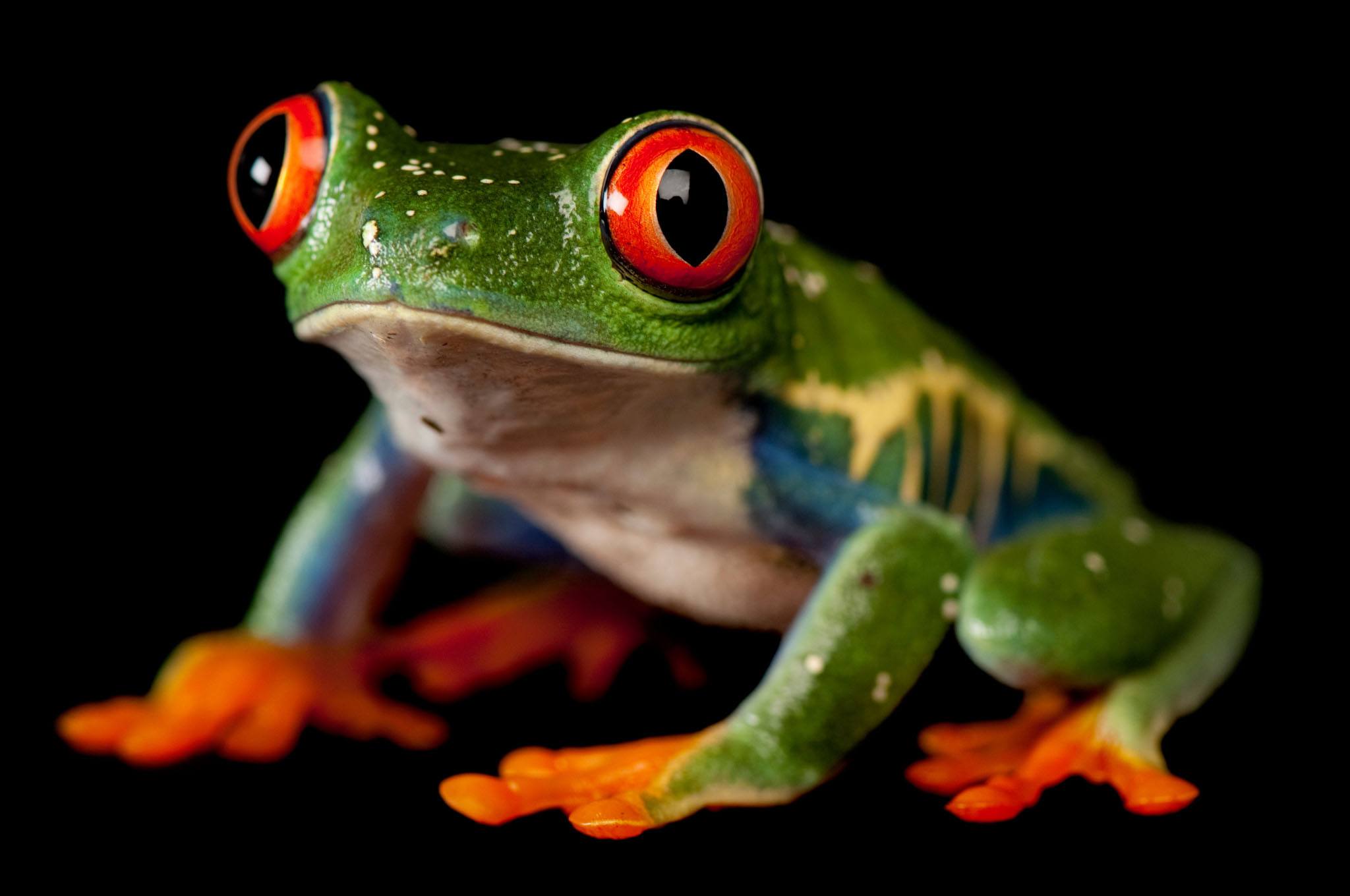
A frog is a/an
a)
amphibian
b)
mammal
c)
bird
d)
reptile
12.
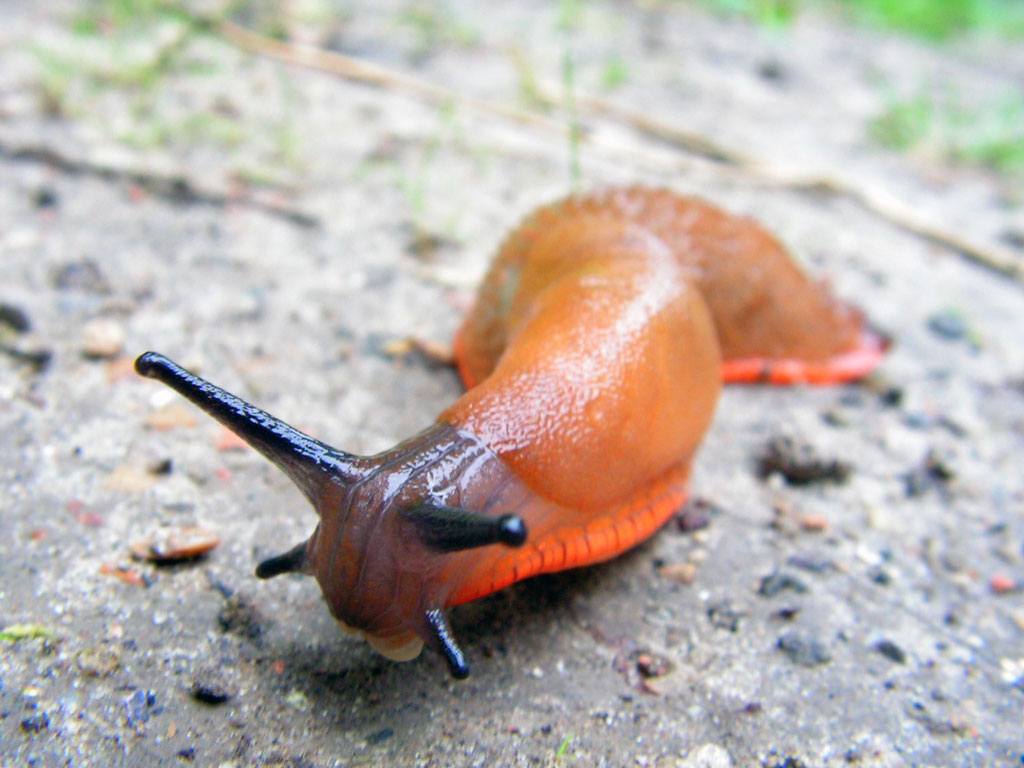
A slug is a/an
a)
mollusk
b)
sponge
c)
annelid
d)
reptile
13.
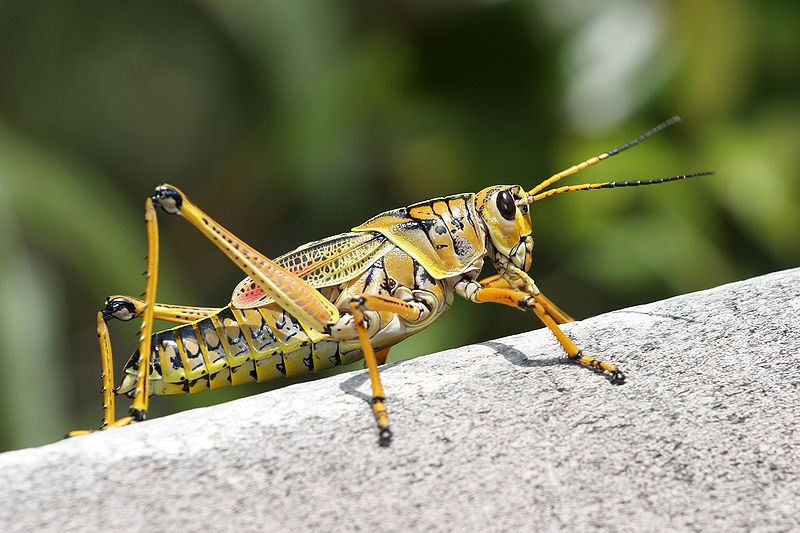
A grasshopper is a/an
a)
arthropod
b)
mollusk
c)
echinoderm
d)
sponge
14.
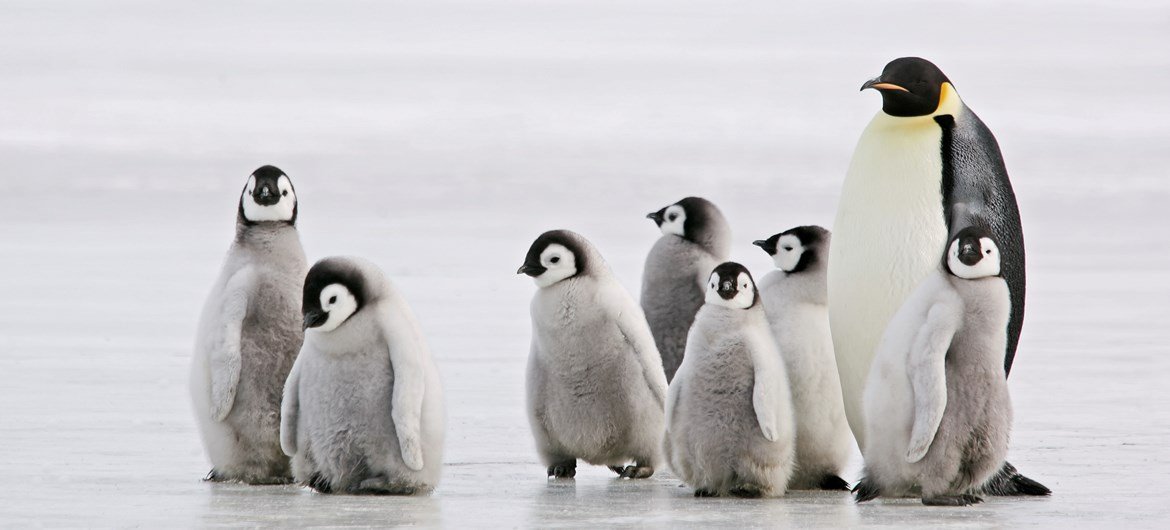
A penguin is a
a)
bird
b)
mammal
c)
fish
d)
annelid
15.
An animal with scales, gills, lives in water, and lays eggs
a)
fish
b)
amphibian
c)
segmented worm
d)
mammal
16.
An invertebrate with tube feet
a)
echinoderm
b)
mollusk
c)
arthropod
d)
annelid
17.
An invertebrate with pores that water flows through
a)
sponge
b)
annelid
c)
mammal
d)
echinoderm
18.
An ectothermic vertebrate that has gills when it is young and lungs when it is an adult
a)
amphibian
b)
reptile
c)
fish
d)
mammal
19.
An invertebrate with a long tube-like body
a)
segmented worm
b)
mollusk
c)
sponge
d)
arthropod
20.
A vertebrate with lungs, hair or fur, and produces milk for their young
a)
mammal
b)
fish
c)
reptile
d)
amphibian
21.
An invertebrate with jointed legs & exoskeletons
a)
arthropod
b)
annelid
c)
mollusk
d)
segmented worm
22.
This animal breathes with lungs, has scales or plates, and most lay eggs
a)
reptile
b)
amphibian
c)
bird
d)
mollusk
23.
An invertebrate with soft bodies and a muscular foot for movement (Some have shells)
a)
mollusk
b)
arthropod
c)
sponge
d)
annelid
24.
This animal has lungs, lays eggs, has feathers, a beak/bill, wings, and feet
a)
bird
b)
mammal
c)
reptile
d)
amphibian
25.
Which of the following is NOT ectothermic?
a)
mammal
b)
reptile
c)
amphibian
d)
fish
26.

Which kingdom includes only multicellular heterotrophs?

a)

plants

b)

animals

c)

protists

27.

Which classification level is more broad than the phylum level?

a)

kingdom

b)

class

c)

order

d)

family

28.

A baby monkey sees its mother use a stick to get bugs out of a hole in a tree. Later, it does the same thing. This is a(n) __________ behavior.

a)

learned

b)

inherited

c)

innate

d)

gained

29.

When the temperature in the environment rises, the internal temperature of an ectothermic animal will _________________

a)

rise

b)

fall

c)

stay the same

30.

What two classification levels make up an organisms scientific name?

a)

genus and phylum

b)

genus and space

c)

genus and species

d)

phylum and species

31.

Which type of animal is not able to regulate (keep the same) its body temperature?

a)

endothermic

b)

ectothermic

32.

Which simple group of invertebrates have long tube-like bodies that are segmented?

a)

arthropod

b)

annelid

c)

mollusk

d)

fish

33.

This organism is considered to be the most simple animal.

a)

annelid

b)

mollusk

c)

sponge

d)

amphibian

34.

You find an organism that has jointed legs, segmented bodies, and an exoskeleton. This is most likely what type of animal?

a)

snake

b)

arthropod

c)

annelid

d)

segmented worm