
 Worksheets
Chapter 2 Vocabulary
Total questions: 29
Worksheet time: 31mins
Name
Class
Date
1.
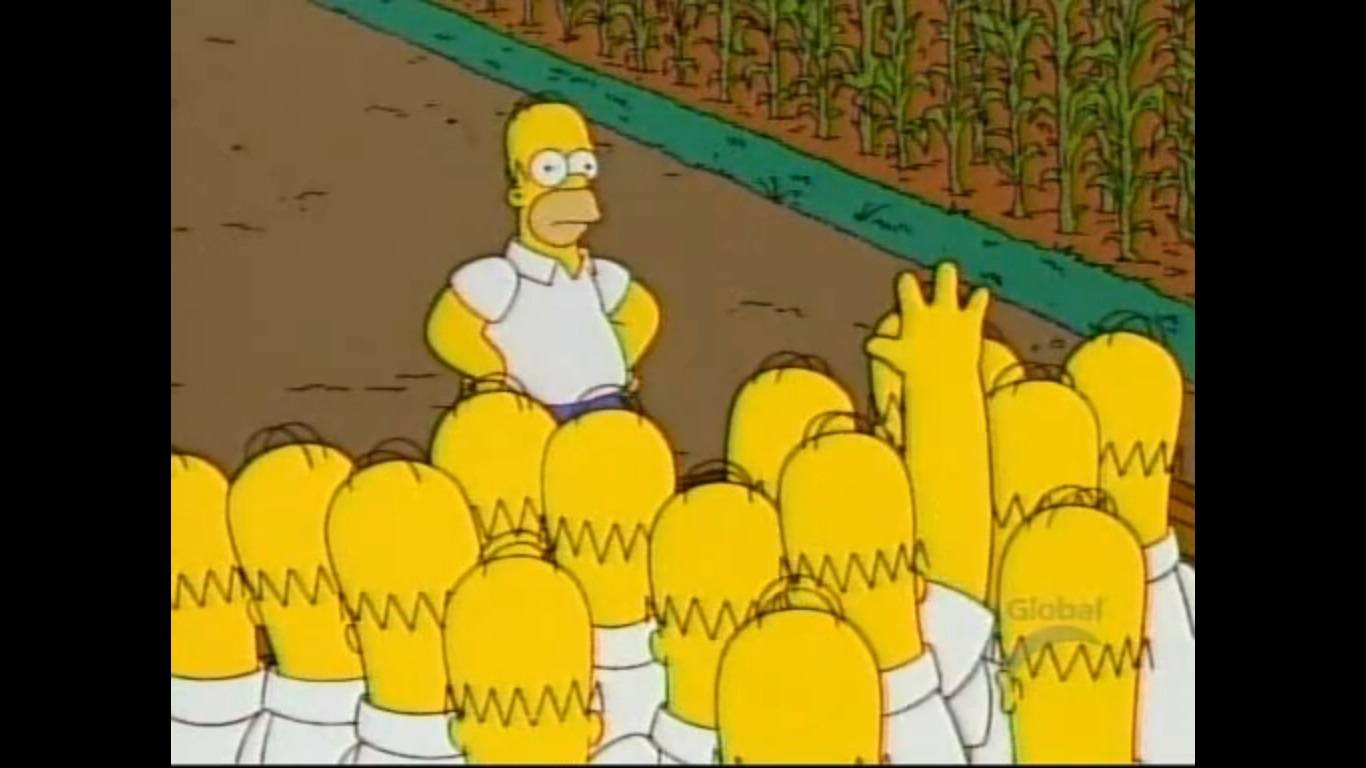
All of the offspring of an organism have the same genetic material, which is identical to the parent organism. From this, we can conclude that this organism -
a)
makes its own food
b)
is unicellular
c)
live in a marine habitat
d)
reproduces asexually
2.
What are some of the facts about asexual reproduction?
a)
Takes only one mate to reproduce and takes a longer time to reproduce
b)
Takes a shorter amount of time to reproduce and it takes two mates to reproduce
c)
Reproduces diverse offspring and takes a longer time to reproduce
d)
Takes only one mate to reproduce and takes a shorter time to reproduce
3.
What are some of the facts about asexual reproduction?
a)
Takes only one mate to reproduce and takes a longer time to reproduce
b)
Takes a shorter amount of time to reproduce and it takes two mates to reproduce
c)
Reproduces diverse offspring and takes a longer time to reproduce
d)
Takes only one mate to reproduce and takes a shorter time to reproduce
4.
What are some of the facts about sexual reproduction?
a)
Takes two mates to reproduce and takes a longer time to reproduce
b)
Takes one mate to reproduce and takes a shorter amount of time to reproduce
c)
Takes two mates to reproduce and takes a shorter amount of time to reproduce
d)
Takes one mate to reproduce and takes a shorter amount of time to reproduce
5.
Where does an off spring get its traits in asexual reproduction?
a)
From both parents
b)
From only one parent
c)
From neither parent
d)
There are no traits handed down
6.
Sexual reproduction requires _____ parents and asexual reproduction requires ___ parents
a)
1,1
b)
2,2
c)
2,1
d)
1,2
7.
When a starfish grows a new body off a broken arm, what kind of reproduction is this?
a)
Sexual
b)
Differentiation
c)
Asexual
d)
Specialization
8.
A form of asexual reproduction which may include runners, tubers and bulbs is:
a)
Vegetative Propogation
b)
Binary Fission
c)
Budding
d)
Sporulation
9.

a)
binary fission
b)
sporulation
c)
vegetative propagation
d)
regeneration
10.
Asexual reproduction in plants that produces new plants from roots, leaves, or stems.
a)
sexual reproduction
b)
asexual reproduction
c)
vegetative propagation
d)
traits
11.
Fungi produce spore is structures called
a)
endospores
b)
fruiting bodies
c)
hyphae
d)
contractile vacuoles
12.
What is an adaptation?
a)
A feature or behavior that helps an animal survive.
b)
The food that an animal eats.
c)
How energy moves in a food web.
d)
How animals evolve throughout time.
13.
An animal's color or pattern that helps it blend into its surroundings
a)
Environment
b)
Mimicry
c)
Camouflage
d)
Habitat
14.
physical features organisms have that increase their chance of survival.
a)
behavioral adaptations
b)
structural adaptations
15.

Venus fly trap closes the leaves to trap insects.
a)
Structural
b)
Behavioural
16.
Flowers have bright petals to attract birds to pollinate them.
a)
Structural
b)
Behavioural
17.
Birds migrate (move to) a warmer place during winter.
a)
Structural
b)
Behavioural
18.

Penguins huddle close together to keep warm.
a)
Structural
b)
Behavioural
19.
Crocodile has strong powerful tail to swim easily in the water.
a)
Structural
b)
Behavioural
20.
A camel has long eyelashes to keep out the sand.
a)
Structural
b)
Behavioural
21.

Which behavioral adaptation is shown below?
a)
reproduction
b)
hibernation
c)
migration
d)
hunting at night
22.

When a living thing copies the appearance of another living thing as a means of protection
a)
mimicry
b)
a behavioral adaptation
c)
mockery
d)
natural selection
23.
When a living thing copies the appearance of another living thing as a means of protection
a)
mimicry
b)
a behavioral adaptation
c)
mockery
d)
natural selection
24.
When every organism of a species has died.
a)
Evolution
b)
Natural Selection
c)
Extinction
d)
Artificial Selection
25.
Where the better adapted organisms survive to pass traits along to offspring.
a)
Evolution
b)
Natural Selection
c)
Extinction
d)
Artifical Selection
26.
Any species in which every last member has died.
a)
Invasive
b)
Pest
c)
Extinct
d)
Weeds
27.

A type of camouflage in which the color of an animal helps it blend in with its background
a)
adaptation
b)
protective coloration
c)
mimicry
d)
natural selection
28.

Matching the color, shape or texture of the environment
a)
protective resemblance
b)
mimicry
c)
sexual reproduction
d)
asexual reproduction
29.

The transfer of genetic material from parent to offspring
a)
fossils
b)
adaptation
c)
reproduction
d)
modeling
100 %

