
 Worksheets
Cell Organelles and Organization
Total questions: 25
Worksheet time: 32mins
Name
Class
Date
1.

The ___________ is the basic unit of life
a)
organ
b)
cell
c)
atom
d)
tissue
2.

This is a example of........
a)
organ system
b)
cells
c)
organ
d)
tissue
3.
When many organ systems work together it can form...
a)
organ
b)
cells
c)
organ system
d)
organism
4.

This is a example of ........
a)
cell
b)
organ system
c)
organ
d)
tissue
5.
Which organelle is only found in a plant cell?
a)
nucleus
b)
chloroplast
c)
mitochondria
d)
cell membrane
6.

Directs all cell activities through the DNA located there.
a)
Lysosomes
b)
Nucleus
c)
ribosomes
d)
Mitochondria
7.
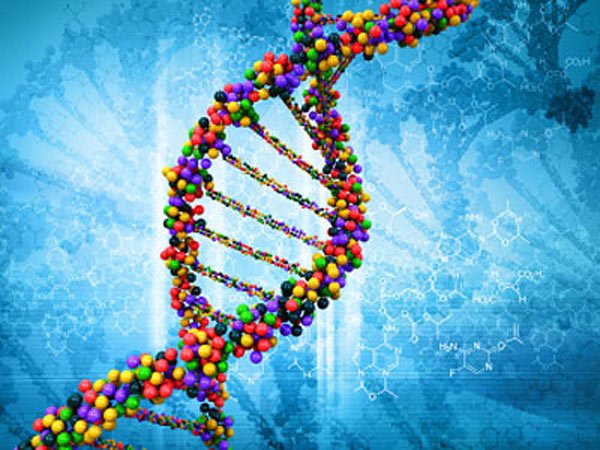
What is the name of the genetic material that is inside the nucleus?
a)
ER
b)
ATP
c)
YOLO
d)
DNA
8.

Which part of the cell is often called "the brain of the cell"?
a)
nuclear membrane
b)
endoplasmic reticulum
c)
nucleus
d)
mitochondria
9.
What is found in both plant and animal cells but is much larger in plant cells?
a)
Nucleus
b)
Mitochondria
c)
Chloroplast
d)
Vacuole
10.
Where are proteins made?
a)
Golgi body
b)
Mitoichondria
c)
Chromosomes
d)
Ribosomes
11.
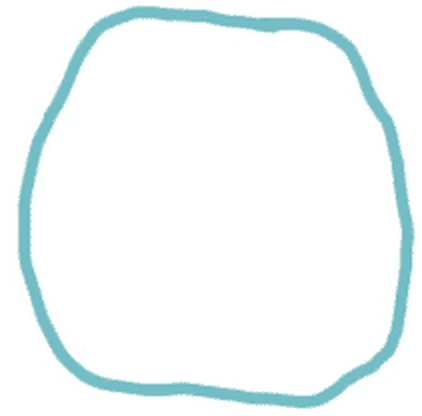
I am the outer most layer of an animal cell. What am I?
a)
cell wall
b)
nucleus
c)
cell membrane
d)
cell skin
12.
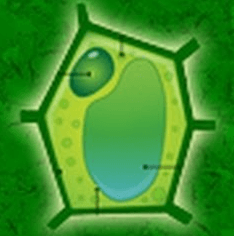
A rigid layer that lies outside the cell's membrane is...
a)
Cytoskeleton
b)
Cilia
c)
Cell Wall
d)
Flagella
13.
What is the gel-like substance inside of cells called?
a)
photoplasm
b)
photosynthesis
c)
cytoskeleton
d)
cytoplasm
14.
A group of cells that have similar functions? Examples are nervous, epithelial, muscle and connective
a)
cells
b)
tissues
c)
organs
d)
atoms
15.
Only eukaryotic cells have....
a)
membrane-bound organelles
b)
DNA
c)
ribosomes
d)
cell membranes
16.
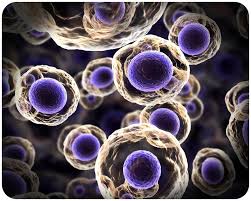
The two kinds of cells are Prokaryotes and Eukaryotes. How are they different?
a)
Prokaryotes have a nucleus.
b)
Eukaryotes have a nucleus.
c)
Prokaryotes are plant cells.
d)
There is no difference.
17.

Using this image, what organelle is C?
a)
Cell Wall
b)
Mitochondria
c)
Vacuole
d)
Chloroplast
18.
Using this image, what organelle is H?
a)
Cell Wall
b)
Mitochondria
c)
Vacuole
d)
Chloroplast
19.
Using this image, what organelle is G?
a)
Cell Wall
b)
Mitochondria
c)
Vacuole
d)
Chloroplast
20.
Using this image, what organelle is A?
a)
Cell Wall
b)
Mitochondria
c)
Vacuole
d)
Chloroplast
21.
What is the correct order of organization
a)
cells->tissue->organs->organ systems-> organism
b)
tissue->cells->organs->organ systems-> organism
c)
organs->organ systems-> organism->cells->tissue
d)
cells->tissue->organs->organism->organ system
22.
How many organ systems does the human body have?
a)
20
b)
4
c)
9
d)
11
23.
This type of tissue includes ligaments, tendons, and cartilage
a)
epithelial
b)
connective
c)
muscular
d)
nervous
24.

Which type of cell is this?
a)
Prokaryote
b)
Eukaryote
25.

Which cell is a Eukaryote?
a)
Cell on the left
b)
Cell on the right
100 %

