
NEW
Font size
S
M
L
XL
 Worksheets
Science Midterm
Total questions: 56
Worksheet time: 45mins
Name
Class
Date
1.
Which of the following is true of renewable and non-renewable resources?
a)
Renewable resources are consumed at a rate at which they can be replaced
b)
Non-renewable resources are consumed at a rate at which they can be replaced
c)
Renewable resources are recyclable
d)
Non-renewable resources are recyclable
2.
Petroleum and natural gas form from...
a)
strong winds
b)
cooled magma
c)
radioactive materials
d)
remains of plants and animals
3.
Hydroelectric power produces electricity using.....
a)
Wind
b)
Sunlight
c)
Moving water
d)
Dung
4.
Which of the following is a nonrenewable resource?
a)
milk
b)
coal
c)
biomass
d)
water
5.
Fossil fuels are classified as nonrenewable because they.......
a)
require expensive equipment
b)
take millions of years to replace
c)
can be found all over
d)
provide all the energy we use
6.

What is an example of a renewable resource?
a)
hydroelectric
b)
oil
c)
coal
d)
fossil fuel
7.
The sun causes wind and powers the water cycle; therefore, wind power and water power are both indirect forms of what kind of energy
a)
Nuclear
b)
Solar
c)
Biomass
d)
Coal
8.
Which of the following are examples of pollution?
a)
Smog
b)
Water Pollution
c)
Soil Pollution
d)
All of the above
9.
Christopher found a rock sample that was a large rock. The pieces of rock were pressed together with smaller pieces of rocks; the pieces appeared to be “glued” together; different colored rock pieces. What type of rock did Christopher find?
a)
Igneous
b)
Metamorphic
c)
Sedimentary
d)
None of the above
10.
What are the five characteristics of a mineral?
a)
organic, naturally occurring, solid, definite chemical composition, crystal structure
b)
inorganic, naturally occurring, liquid, definite chemical composition, crystal
c)
organic, man-made, solid, definite chemical composition, crystal structure
d)
inorganic, naturally occurring, solid, definite chemical composition, crystal structure
11.
What are the five characteristics of a mineral?
a)
organic, naturally occurring, solid, definite chemical composition, crystal structure
b)
inorganic, naturally occurring, liquid, definite chemical composition, crystal
c)
organic, man-made, solid, definite chemical composition, crystal structure
d)
inorganic, naturally occurring, solid, definite chemical composition, crystal structure
12.
How would a metamorphic rock become a sedimentary rock?
a)
heat and pressure
b)
erosion and compaction/cementation
c)
organic and naturally occurring
d)
melting and cooling
13.
What is the difference between a rock and a mineral?
a)
rocks make up minerals
b)
minerals make up rocks
c)
one is organic and the other is inorganic
d)
one is solid and the other is liquid
14.

Which of the following properties is the person in the picture testing?
a)
Color
b)
Hardness
c)
Streak
d)
Cleavage
15.
When limestone is exposed to enough heat and pressure, it goes through physical changes. These changes can turn limestone into a different kind of rock called marble. What type of rock is marble?
a)
Igneous Rock
b)
Sedimentary Rock
c)
Mineral Rock
d)
Metamorphic Rock
16.
How does a metamorphic rock become an igneous rock?
a)
Head and pressure
b)
Compaction and Cementation
c)
Erosion
d)
Heat and pressure
17.
Which of the following describes an extrusive igneous rock?
a)
Hot, molten material from a volcano cools and creates small rock crystals. We look at the size of the crystals to determine how long it took to cool
b)
The rock was buried deep underground and warmed by the Earth's surface. It softened. The weight of the rocks above it pressed it into a rock
c)
Small pieces of sediment gathered over time, forming layers. They layers were buried underneath more sediment and compressed into a rock
d)
Minerals underground became unstable due to head and pressure. The minerals crystalized and became larger, forming a rock
18.
Which type of rock results from melting and cooling of magma?
a)
Igneous
b)
Metamorphic
c)
Sedimentary
d)
Extrusive
19.
Which type of rock forms from extreme heat and pressure?
a)
Igneous
b)
Sedimentary
c)
Organic
d)
Metamorphic
20.
Which type of igneous rock forms above ground?
a)
Intrusive
b)
Organic
c)
Extrusive
d)
Foliated
21.
A metamorphic rock changes into an igneous rock by what two processes?
a)
Melting and cooling
b)
Extreme heat and pressure
c)
Compaction and cementation
d)
Weathering and erosion
22.
Wind, water, and ice breaking down rock is called
a)
Erosion
b)
Deposition
c)
Compaction
d)
Weathering
23.
What type of texture does a SLOWLY cooling, intrusive igneous rock have?
a)
Foliated
b)
Nonfoliated
c)
Coarse grained
d)
Fine grained
24.
Lava which cools on Earth's surface forms an
a)
metamorphic rock
b)
intrusive igneous rock
c)
extrusive igneous rock
d)
foliated metamorphic rock
25.
Magma cooling and hardening below Earth's surface forms an
a)
Intrusive igneous rock
b)
Extrusive igneous rock
c)
Foliated metamorphic rock
d)
Organic sedimentary rock
26.
What is the MAIN way rocks are classified?
a)
Their color and shapes
b)
How they form
c)
Mineral bands
d)
Where they form
27.
True/False: Igneous rocks can only turn into metamorphic rocks.
a)
True
b)
False
28.
Sediment being moved from one area to another is called
a)
erosion
b)
deposition
c)
weathering
d)
compaction
29.
Sediment being dropped off and laid to rest
a)
Deposition
b)
Erosion
c)
Weathering
d)
Lithification
30.
Which of the following are nonrenewable resources?
a)
Plants and animals
b)
Wind and water
c)
Sunlight and water
d)
Coal and petroleum
31.
Which is not a characteristic of a mineral?
a)
Organic
b)
Naturally Formed
c)
Inorganic
d)
Definite crystalline structure
32.
A mineral is broken into pieces using a hammer. The rocks edges are straight and even. What property does this mineral have?
a)
Fracture
b)
Hardness
c)
Cleavage
d)
Luster
33.

This rock was formed by lots of fossils that settled on top of each other over time. What type of rock is this?
a)
Sedimentary
b)
Igneous
c)
Metamorphic
34.

Each rock type can follow only one pathway of the rock cycle.
a)
True
b)
False
35.
How light reflects off of a mineral is called the mineral's
a)
luster
b)
streak
c)
cleavage
d)
fracture
36.
Why is coal not a mineral?
a)
It's not a solid
b)
It is man-made
c)
It is not inorganic
d)
It is made of carbon
37.

The following image shows what mineral property?
a)
Hardness
b)
Streak
c)
Cleavage
d)
Density
38.

By definition, a mineral has which of the following characteristic(s)?
a)
definite chemical composition
b)
crystal structure
c)
naturally occuring
d)
all of the above
39.
How light reflects off of a mineral is called the mineral's
a)
luster
b)
streak
c)
cleavage
d)
fracture
40.
what is the best definition of a crystal?
a)
a shiny, clear mineral
b)
a regular geometric shaped solid
c)
an expansive geometric shaped mineral
d)
a many sided solid with 90 degree angles
41.
Color is not the best clue to identify minerals because _____.
a)
many minerals can be the same color
b)
colors may vary with weathering or other impurities
c)
some minerals have more than one color or shade of a color
d)
all of the above
42.

Which mineral is number 6 on the hardness scale?
a)
Conrundum
b)
Topaz
c)
Quartz
d)
Orthoclase
43.

Which minerals would all scratch apatite?
a)
diamond, topaz, quartz
b)
quartz, calcite, gypsum
c)
fluorite, talc, calcite
d)
diamond, fluorite, corundum
44.

Which mineral would scratch calcite but not scratch apatite?
a)
fluorite
b)
gypsum
c)
talc
d)
topaz
45.

Can a penny scratch fluorite?
a)
Yes
b)
No
46.

Which of these minerals is softer than glass?
a)
Topaz
b)
Corundum
c)
Calcite
d)
Orthoclase
47.
Hardness is a property that helps identify minerals. Scientists use a scale of 1-10 to show the hardness of a mineral. What number would be given to the hardest?
a)
1
b)
5
c)
6
d)
10
48.

This rock formed when bits of other rocks became pressed into a solid. What type of rock is it?
a)
Sedimentary Rock
b)
Metamorphic Rock
c)
Igneous Rock
49.

This rock was formed when magma cooled very slowly inside the Earth. What specific type of rock is it?
a)
Intrusive Igneous Rock
b)
Extrusive Igneous Rock
c)
Foliated Metamorphic Rock
d)
Clastic Sedimentary Rock
50.

This rock formed when lava cooled very quickly on Earth's surface. What specific type of rock is it?
a)
Extrusive Igneous Rock
b)
Intrusive Igneous Rock
c)
Non-Foliated Metamorphic Rock
d)
Biochemical Sedimentary Rock
51.
What are the 3 major types of rocks?
a)
Igneous, Metamorphic, Sedimentary
b)
Metamorphic, Igneous, Cementation
c)
Brown, Red, Gray
d)
Streak, Hardness, Breakage
52.
Two ways to describe types of igneous rocks are _____
a)
Extrusive and Intrusive
b)
Foliated and Non-Foliated
c)
Clastic and Biochemical
d)
Black and Gray
53.
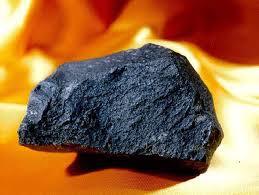
This rock was found near the mouth of a volcano. What type of rock is this?
a)
Sedimentary
b)
Igneous
c)
Metamorphic
54.

When sediments are pressed together tightly, this is called ____________.
a)
Compaction
b)
Cementation
c)
Weathering
d)
Erosion
55.

The process when rocks break into smaller pieces due to exposure to natural elements is called
a)
erosion
b)
weathering
c)
sediments
56.
What is deposition?
a)
Dropping off sediment
b)
Movement of sediment
c)
Breaking down of sediment
Reset

