
 Worksheets
Ecosystems and Communities
Total questions: 30
Worksheet time: 20mins
Name
Class
Date
1.

Which kind of freshwater ecosystem is this?
a)
bog
b)
marsh
c)
swamp
d)
pond
2.

A group of the same type of organisms living in the same place at the same time.
a)
threatened species
b)
populations
c)
community
d)
limiting factor
3.

The study of interactions in an ecosystem.
a)
ecology
b)
philosophy
c)
scientology
d)
biology
4.

Nonliving things found in an ecosystem.
a)
factories
b)
factor trees
c)
biotic factors
d)
abiotic factors
5.

The role of an organism in its ecosystem is called the organism's __________.
a)
hot roll
b)
niche
c)
leading role
d)
role of a lifetime
6.

The part of Earth where organisms can live.
a)
biotic factors
b)
biosphere
c)
ecology
d)
biology
7.

A place where plants and animals live and grow is called a ____________. It provides, food, water, shelter, and air.
a)
shelter
b)
tree
c)
habitat
d)
organism
8.

A connection of food chains with many food energy paths in an ecosystem is a ____________
a)
ecosystem
b)
food web
c)
environment
d)
population
9.

What is the role of decomposers in a food chain?
a)
Use sunlight to make food
b)
Eat other organisms to gain energy
c)
Make the food for the whole food chain
d)
Break down dead organisms and add nutrients to the soil
10.

What is the order of succession shown in this figure?
a)
A, B, C, D
b)
B, A, D, C
c)
C, D, A, B
d)
D, A, B, C
11.
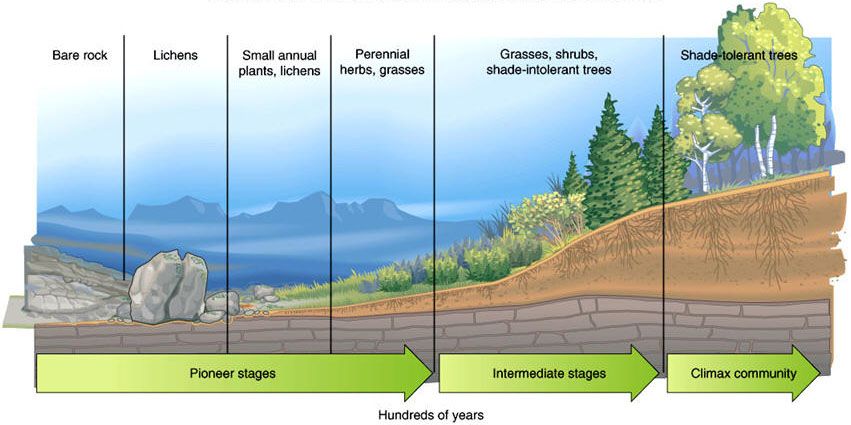
The picture shows what type of succession?
a)
primary
b)
secondary
c)
tertiary
d)
quadanary
12.
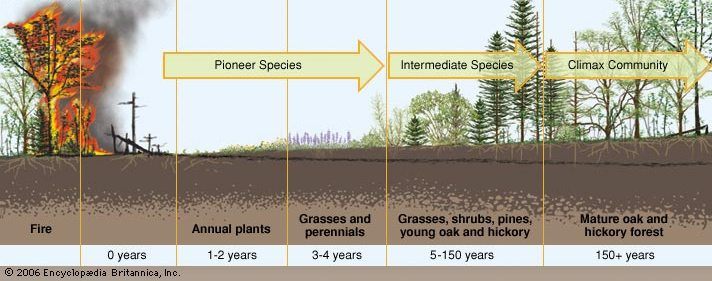
The picture shows what type of succession?
a)
primary
b)
secondary
c)
tertiary
d)
quadanary
13.
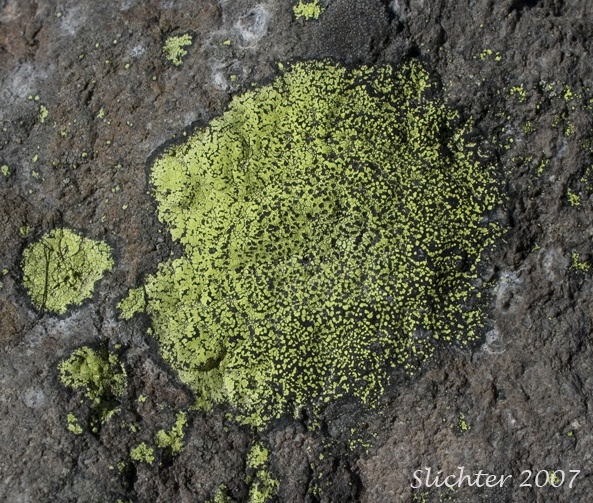
What is the name given to lichen or algae after a primary succession?
a)
pioneer species
b)
volunteer species
c)
founder species
d)
conqueror species
14.
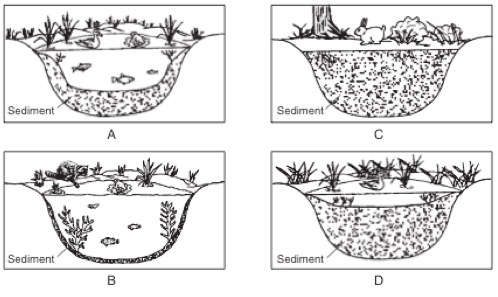
What is the correct order from oldest (happened first) to youngest (happened last) in this pond succession?
a)
A, B, C, D
b)
D, C, B, A
c)
B, A, D, C
d)
C, D, A, B
15.

Final illustration (#8) shows
a)
pioneer species
b)
climax community
c)
only biotic factors
d)
only abiotic factors
16.
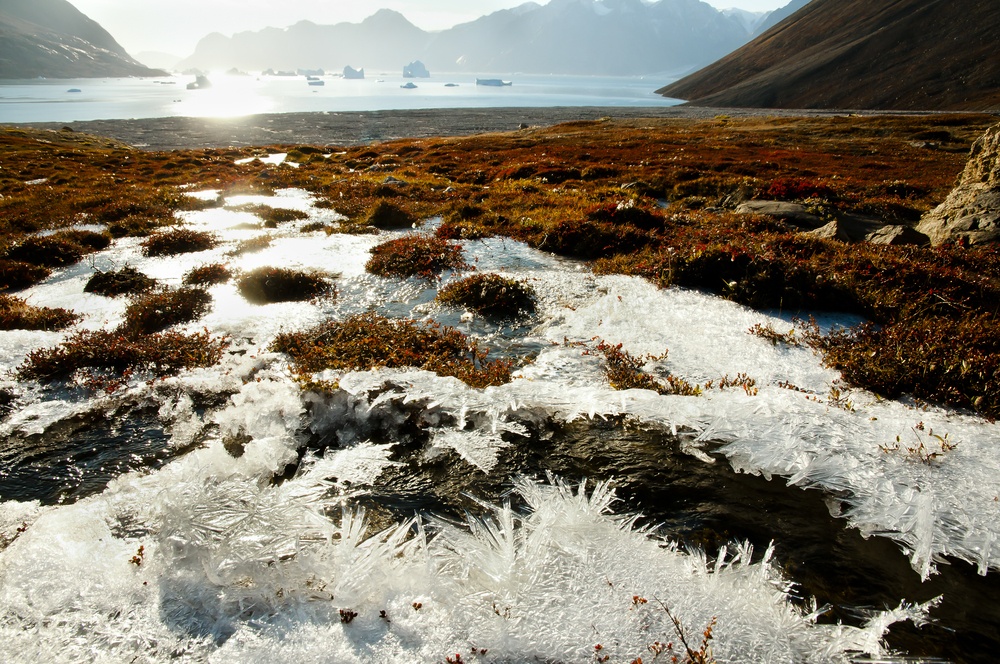
Which Biome has permafrost?
a)
Temperate Forest
b)
Rainforest
c)
Taiga
d)
Tundra
17.
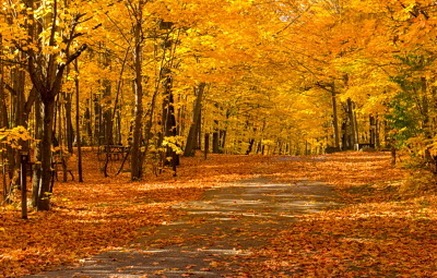
Which biome has deciduous trees (which lose their leaves)?
a)
Temperate Forest
b)
Rainforest
c)
Grasslands
d)
Taiga
18.
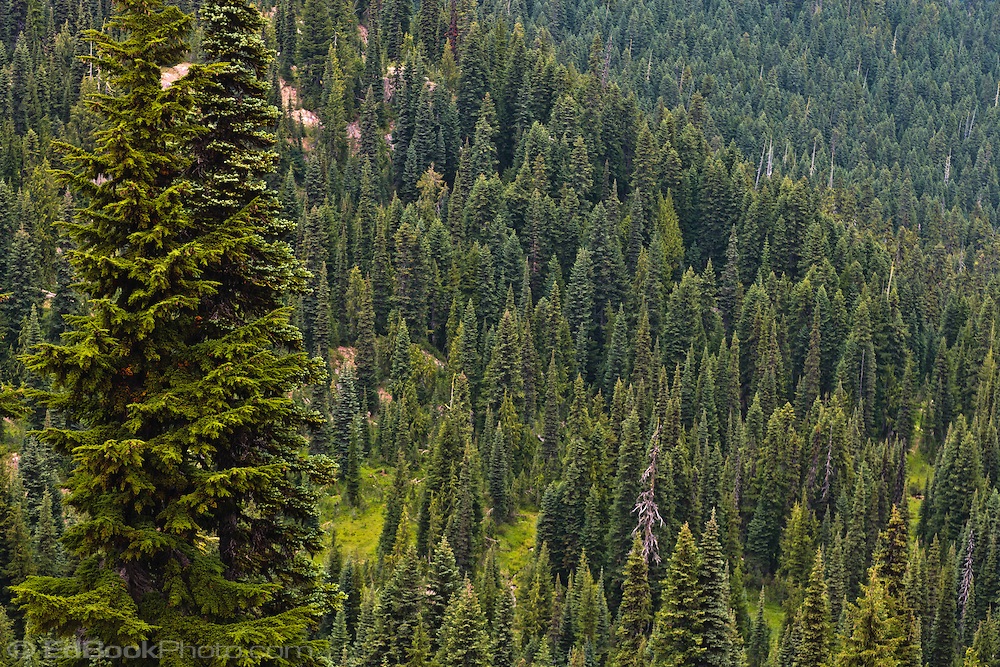
Which biome has coniferous trees (which don't lose their leaves)?
a)
Taiga
b)
Temperate Forest
c)
Tundra
d)
Grasslands
19.
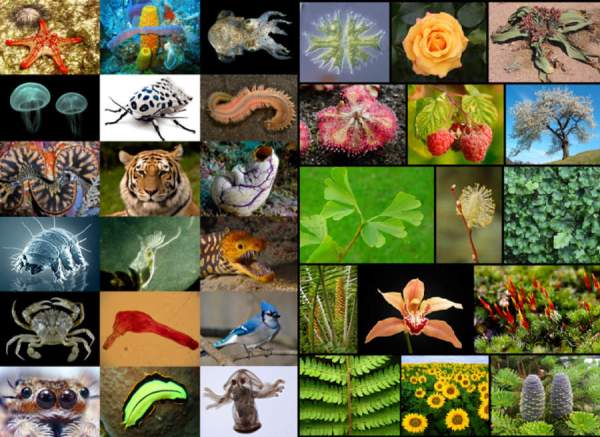
Which biome has the most variety of plants and animals?
a)
Temperate Forest
b)
Rainforest
c)
Tundra
d)
Grasslands
20.
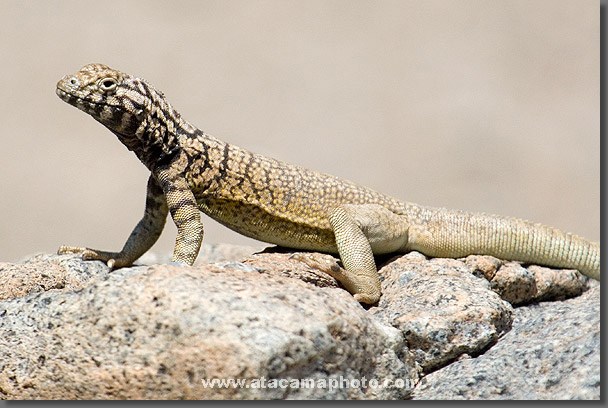
Which biome is home to cacti, scorpions, coyotes, kangaroo rats, and lizards?
a)
Desert
b)
Grasslands
c)
Temperate Forest
d)
Taiga
21.
Karl describes an ecosystem he visits frequently. The plant life is mostly grass, about 3 feet tall. It is in a muddy area that floods each afternoon with a mix of freshwater and salt water. There is a small river present. He sees crabs and small fish.
a)
esturay
b)
ocean shoreline
c)
freshwater river
d)
coral reef ocean
22.

A aquatic biome classified as marine would have...
a)
Fresh Water
b)
Salt Water
c)
Either Fresh Water or Salt Water
d)
Neither Fresh Water or Salt Water
23.

A wetland defined by having trees
a)
swamp
b)
marsh
24.
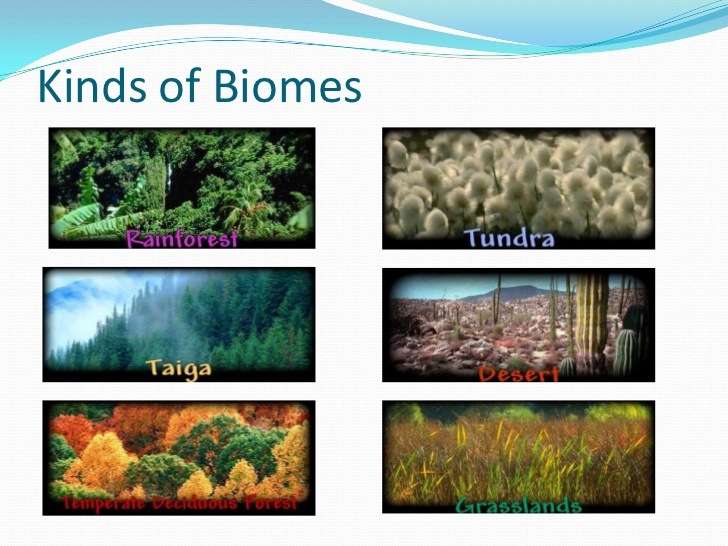
What is the main factor that separates the biomes?
a)
Land
b)
Water
c)
Climate
d)
Longitude
25.
Which is not a factor that affects climate?
a)
altitude
b)
latitude
c)
lakes and oceans
d)
living organisms
26.

The numbers in this image refer to_____.
a)
latitude
b)
longitude
c)
temperature
d)
angle of the Sun's rays hitting Earth
27.
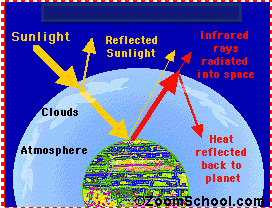
What does this diagram illustrate?
a)
Ozone Layer
b)
The Greenhouse Effect
c)
Ultraviolet Radiation
d)
Layers of the atmosphere
28.
What do we call gases such as carbon dioxide, methane, nitrous oxide, water vapor, and ozone in the atmosphere which are involved in the greenhouse effect?
a)
Bad Gases
b)
Ozone Gases
c)
Greenhouse Gases
d)
Atmospheric Gases
29.

A wetland area in which mostly grasses and other soft-stemmed plants grow.
a)
marsh
b)
reef
c)
coast
30.

Which type of freshwater ecosystem is this?
a)
bog
b)
pond
c)
swamp
d)
estuary
100 %

