wayground logo

Free Printable Worksheets

NEW

Font size

S
M
L
XL
Worksheets

Human Body Systems

Total questions: 45

Worksheet time: 29mins

Name
Class
Date
1.
Bile is made by which digestive organ?
a)
Gallbladder
b)
Stomach
c)
Rectum
d)
Liver
2.

Which organ makes enzymes to help the small intestine absorb nutrients & secretes insulin to regulate blood sugar levels in the body

a)

Liver

b)

Gallbladder

c)

Pancreas

d)

Esophagus

3.
As waste moves through the digestive system, the ______ absorbs water before storing waste in the rectum.
a)
Small intestine
b)
Stomach
c)
Esophagus
d)
Large intestine
4.
Enzymes (chemicals) in your saliva help break down food while chewing.  This is...
a)
Mechanical digestion
b)
Chemical digestion
5.

The chewing and grinding of food into smaller pieces is an example of...

a)

Mechanical Digestion (physical change)

b)

Chemical Digestion

6.
Which is NOT a function of the Digestive System?
a)
To rid the body of solid waste
b)
Absorb nutrients for energy & growth
c)
Break down nutrients from food
d)
Pump blood around the body
7.
These organs are responsible for what?
a)
storing urine
b)
storing water
c)
filtering blood
d)
they don't have a particular job 
8.
Which organ system removes cellular wastes as the result of cellular respiration?
a)
nervous
b)
digestive
c)
excretory
d)
circulatory
9.
Where is urine stored?
a)
kidneys
b)
urinary bladder
c)
urethra
d)
ureters
10.
a body system that controls and coordinates all body activities through electric impulses/messages between brain, spinal cord and nerves.
a)
endocrine system 
b)
nervous system
c)
nerve
d)
neuron
11.
Part of the nervous system made of the brain and spinal cord.
a)
central nervous system
b)
peripheral nervous system
12.
Which part of the brain controls balance and body position?
a)
cerebrum
b)
medulla
c)
cerebellum
d)
impluses
13.
What is another word for autonomic?
a)
voluntary
b)
involuntary
c)
central 
d)
brain
14.
This is a picture of a ...
a)
stomach
b)
neuron
c)
piece of hair
d)
small intestines
15.
Glands are small organs located throughout your body that secrete (release) substances called
a)
Plasma
b)
Hormones
c)
Enzymes
d)
Bile
16.
How do hormones travel to target cells?
a)
Blood Stream
b)
Ducts
c)
Secretory Vessicles
d)
Goblet Cells
17.
Which system enables the body to move, moves food through the digestive system, and keeps the heart beating?
a)
skeletal 
b)
muscular
c)
digestive
d)
nervous
18.
Which system provides shape and support, enables you to move, protects your internal organs, and stores minerals?
a)
skeletal
b)
muscular
c)
digestive
d)
nervous
19.
Which system carries needed materials to the body cells and carries wastes away from the body cells?
a)
Circulatory
b)
Digestive
c)
Nervous
d)
Excretory
20.

Which three body systems allow you to move?

a)

muscular, skeletal, digestive

b)

nervous, respiratory, digestive

c)

nervous, muscular, skeletal

d)

Muscular, skeletal, circulatory

21.
Which two body systems deliver oxygen to your cells and take away carbon dioxide?
a)
respiratory and nervous
b)
circulatory and nervous
c)
circulatory and excretory
d)
Respiratory and circulatory
22.

What is the level of organization known as a group of cells that work together?

a)

cells

b)

organ system

c)

organ

d)

tissue

23.

The main function of the system is to-

a)

transport oxygen and nutrients to body cells

b)

produce offspring

c)

break down food into nutrients

d)

exchange gases with the environment (O2 and CO2)

24.

A system of organs and tissues that form a barrier to protect the body from the external environment

a)

endocrine system

b)

excretory system

c)

integumentary system

d)

lymphatic system

25.

Includes the skin, hair, and nails-

(HINT: big word for biggest organ!)

a)

lymphatic system

b)

integumentary system

c)

digestive system

d)

endocrine system

26.

The main function of the system is to-

a)

produce offspring

b)

remove waste

c)

transport oxygen and nutrients

d)

fight bacteria and viruses

27.

A group of organs that function to produce offspring.

a)

lymphatic system

b)

endocrine system

c)

reproductive system

d)

circulatory system

28.

The main function of this system is to-

a)

support the body and protect internal organs

b)

body movement

c)

fights bacteria and viruses

d)

transports oxygen and nutrients

29.

Regulates body by secreting hormones into the bloodstream; also controls growth, reproduction, and metabolism

a)

lymphatic system

b)

endocrine system

c)

circulatory system

d)

integumentary system

30.
How does the endocrine system have to do with Homeostasis?
a)
Keeps system balanced with OXYGEN
b)
Keeps systems balanced with BLOOD
c)
Has Nothing to do with it
d)
Keeps systems balanced with FEEDBACK MECHANISMS
31.
How does a pair of skeletal muscles work together?
a)
both muscles contract at the same time
b)
both muscles relax and then work together
c)
when one muscle contracts, the other relaxes
d)
When one muscle is voluntary, the other is involuntary
32.
Digestion begins here.
a)
mouth
b)
stomach
c)
esophagus
d)
small intestine
33.

Where does cellular gas exchange take place when you breathe?

a)

in the stomach

b)

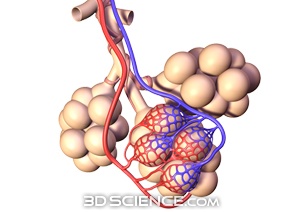
between the alveoli & the capillaries that surround them

c)

in the nose and mouth

d)

in the heart

34.
Carbon dioxide is considered a _________________
a)
food
b)
waste
c)
energy
d)
fun party favor
35.
What is Peristalsis
a)
one of the digestive organs
b)
the action of the stomach
c)
heart rate increasing
d)
smooth muscles moving food through the digestive system
36.
What system controls voluntary and involuntary life functions?
a)
Nervous System
b)
Skeletal System
c)
Digestive System
d)
Respiratory System
37.
Which of the following is in the correct order from smallest to largest?
a)
tissue-organ-system-cell
b)
cell-organ-tissue-system
c)
System-tissue-cell-organ
d)
cell-tissue-organ-system
38.
How does the digestive system work with all other systems?
a)
The digestvie system transports blood to all the other systems
b)
The digestive system puts oxygen into the body
c)
The digestive system gives the body energy and nutrients
d)
The digestive system allows the body to move
39.
I carry oxygen and nutrients to every cell in the body.
a)
Integumentary System
b)
Circulatory System
c)
Respiratory System
d)
Digestive System
40.
If the environment gets cold, we will often shiver in order to:
a)
keep body temperature the same as the external temperature
b)
decrease body temperature
c)
increase body temperature
d)
regulate blood pressure
41.
The maintenance of an organism’s internal environment is called:
a)
compensating
b)
homeostasis
c)
balancing
d)
routine
42.
The "cause" for something to happen is the
a)
response
b)
effect
c)
stimulus
d)
homeostasis
43.
The "effect" of a given stimulus is the...
a)
response
b)
stimulus
c)
cause
d)
result
44.
A stimulus type that occurs within the organisms body is 
a)
external
b)
inside
c)
within
d)
internal
45.
Most bacteria that cause sickness in humans grow best at 98.6oF. Sometimes a fever is the body's response to the bacteria. What is the reason for developing a fever?
a)
To lower the temperature of the body to kill the bacteria
b)
The increase the temperature of the body to kill the bacteria
c)
To allow the bacteria to take over
d)
To make you feel miserable