
 Worksheets
Geology Ch. 6 Rocks
Total questions: 26
Worksheet time: 23mins
Name
Class
Date
1.
What is the process in which one type of rock changes into metamorphic rock because of chemical processes or change in temperature and pressure?
a)
Cementation
b)
Compaction
c)
Metamorphism
d)
Melting
2.
What are the 3 major types of rocks?
a)
Igneous, Metamorphic, Sedimentary
b)
Metamorphic, Igneous, Cementation
c)
Brown, Red, Gray
d)
Streak, Hardness, Breakage
3.
What is used to form sedimentary rocks?
a)
Lava cools and hardens to form a rock.
b)
Bits of sand and gravel form layers that turn into rock from pressure.
c)
Extreme heat and pressure from inside the Earth turn rocks into new rocks.
d)
Magma trapped under the Earth's surface cools and solidifies.
4.
Which of the words below describe mud, sand, and tiny bits of rocks that cement together to form a type of rock?
a)
stalactites
b)
magmas
c)
metamorphs
d)
sediments
5.
What is sedimentary?
a)
Formed by heat and pressure
b)
Formed by heat and cooling
c)
Layered rock formed by compaction
d)
All of the above
6.

When sediments are pressed together tightly, this is called ____________.
a)
Compaction
b)
Cementation
c)
Weathering
d)
Erosion
7.
The process in which dissolved minerals crystallize and glue sediment together.
a)
compaction
b)
deposition
c)
organic rock
d)
cementation
8.

The process when rocks break into smaller pieces due to exposure to natural elements is called
a)
erosion
b)
weathering
c)
sediments
9.
The movement of weathered material (sediment) is called?
a)
weathering
b)
erosion
c)
deposition
d)
Sorting
10.
Sedimentary rock that is made of fragments of rocks cemented together by a mineral are called...
a)
chemical
b)
organic
c)
clastic
11.
Sedimentary rock made from fossils are called...
a)
organic
b)
chemical
c)
stratified
12.
This rock was formed when molten rock cooled into a solid. What type of rock is it?
a)
Igneous Rock
b)
Metamorphic Rock
c)
Sedimentary Rock
13.
What is deposition?
a)
Dropping off sediment
b)
Movement of sediment
c)
Breaking down of sediment
14.
When lava cools what does it form?
a)
igneous rock
b)
fossils
c)
sedimentary rock
d)
metamorphic rock
15.

Which layer would be the oldest?
a)
siltstone
b)
sandstone
c)
conglomerate
d)
mudstone
16.
The constant, slow movement of plates on the Earth's surface is probably caused by...
a)
earthquakes
b)
heat
c)
volcanoes
d)
rocks
17.
Which of these often occur as the Earth's crustal plates move?
a)
earthquakes
b)
floods
c)
tornadoes
d)
hurricanes
18.
What is the rock cycle?
a)
model that shows how rocks are changed from one type to another
b)
the process of minerals changing and transforming
19.
what is a rock made out of?
a)
minarals
b)
more rocks
c)
atoms
d)
fur and wind
20.
A mineral is a living object
a)
True
b)
False
21.
A geologist claims that a metamorphic rock was once an igneous rock. How could the igneous rock have turned into a metamorphic rock?
a)
The igneous rock could have melted and then turned solid again
b)
The igneous rock could have been uplifted and then weathered to form soil.
c)
The igneous rock could have been broken apart and its pieces transported to the ocean.
d)
The igneous rock could have been heated and squeezed for millions of years until new mineral grains and new textures formed in the rock.
22.
Which of the following is a type of rock?
a)
Old
b)
Iron
c)
Igneous
d)
Dirt
23.
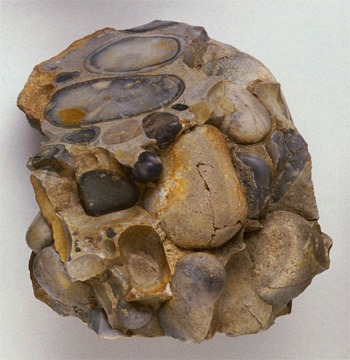
This rock was formed by smaller pieces of rock that settled at the bottom of a lake millions of years ago. What type of rock is this?
a)
Sedimentary
b)
Igneous
c)
Metamorphic
24.
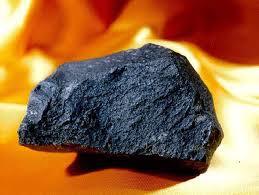
This rock was found near the mouth of a volcano. What type of rock is this?
a)
Sedimentary
b)
Igneous
c)
Metamorphic
25.
Sedimentary rock made from fossils are called...
a)
organic
b)
chemical
c)
stratified
26.
What is deposition?
a)
Dropping off sediment
b)
Movement of sediment
c)
Breaking down of sediment
100 %

