
 Worksheets
Cells
Total questions: 80
Worksheet time: 1hrs 10mins
Name
Class
Date
1.
The site of photosynthesis
a)
ribosome
b)
mitochondria
c)
chloroplast
d)
nucleus
2.
When many organ systems work together it can form...
a)
organ
b)
cells
c)
organ system
d)
organism
3.

Directs all cell activities through the DNA located there.
a)
Lysosomes
b)
Nucleus
c)
ribosomes
d)
Mitochondria
4.
The lungs and the kidneys are examples of
a)
cells
b)
organs
c)
tissues
d)
organ systmes
5.

This is a example of ........
a)
cell
b)
organ system
c)
organ
d)
tissue
6.

This is a example of........
a)
organ system
b)
cells
c)
organ
d)
tissue
7.

What do all of these organisms have in common?
a)
They all have uniform offspring
b)
They are all made of cells
c)
They possess the same features
d)
They have the same internal and external structures
8.

What would happen to the plant cell without the chloroplasts?
a)
There wouldn't be an organelle that performs photosynthesis
b)
There wouldn't be an organelle that serves as the resevoir for water and waste
c)
There wouldn't be an organelle that regulates what comes in and out of the cell
d)
They wouldn't be an organelle that makes necesary proteins
9.
Controls what enters and leaves the cell
a)
Mitochondria
b)
Cell Membrane
c)
Cell Wall
d)
Nucleus
10.
Stores food and water for the cell.
a)
Cytoplasm
b)
Cell Wall
c)
Vacuole
d)
Nucleus
11.
What tool do you use to view the cells?
a)
metric ruler
b)
centrifuge
c)
microscope
d)
pipette
12.
Rocks are not living because
a)
they never move
b)
they aren't needed for humans
c)
they are not made of cells
d)
they don't break down
13.
What is the basic structural and functional unit of all living things?
a)
atom
b)
cell
c)
molecule
d)
human
14.
All cells are produced ____________.
a)
from nothing
b)
from other cells
15.
what is the control center in a cell
a)
mitochondria
b)
DNA
c)
nucleus
d)
movement
16.
also known as the "powerhouse"
a)
cell membrane
b)
storage
c)
cytoskeleton
d)
mitochondria
17.

What is the fluid inside a cell called?
a)
Endoplasimic Reticulum
b)
Orange Juice
c)
Water
d)
Cytoplasm
18.

This organelle helps plants keep their rigid structure.
a)
Cell wall
b)
Cell membrane
c)
Chloroplast
d)
Nucleus
19.
What is the function of a cell wall?
a)
to protect and support the cell
b)
to perform different functions in each cell
c)
to prevent water from passing through it
d)
to prevent oxygen from entering the cell
20.
What is one basic function of the vacuoles?
a)
circulating oxygen
b)
producing food
c)
controlling cell processes
d)
storing water
21.
Cell organelles that are responsible for digesting food, worn out organelles and other cellular wastes are called ___________________.
a)
Mitochondria
b)
Vacuoles
c)
Lysosomes
d)
Chlororplasts
22.
Cells with a nucleus and membrane-bound organelles are called ____________________.
a)
prokaryotes
b)
eukaryotes
c)
bacteria
d)
protists
23.
Which of the following is not part of the cell theory?
a)
cells must contain DNA
b)
all living things are made from cells
c)
cells can only come from other cells
d)
cells are the basic unit of life
24.
Who was the first person to see cells under the microscope and give them their name?
a)
Mattias Schleiden
b)
Robert Hooke
c)
Theordor Schwann
d)
Anton van Leeuwenhoek
25.
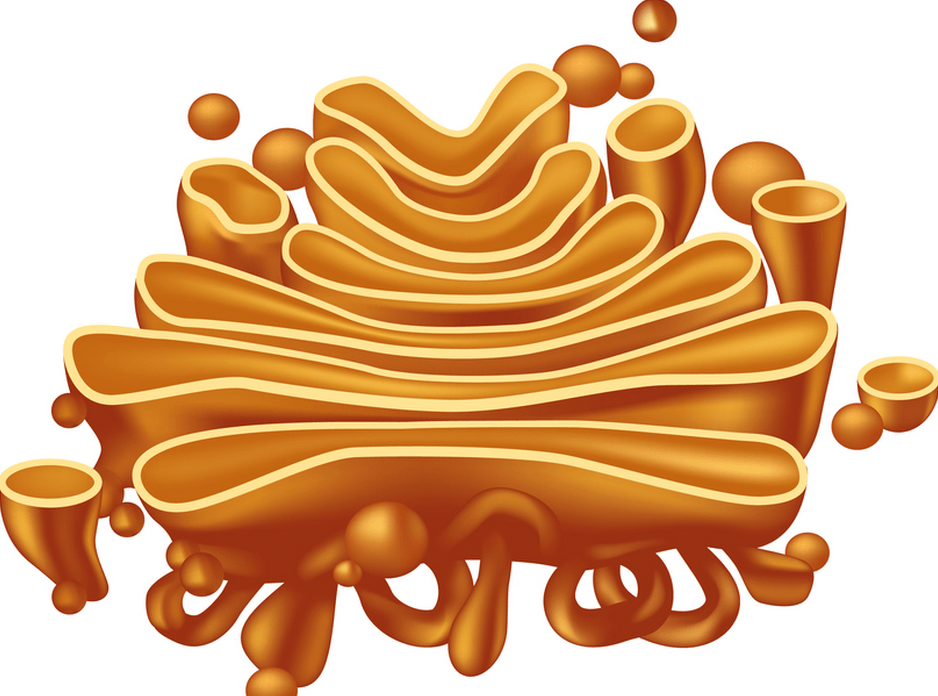
I am a protein packaging and shipping machine! Who am I?
a)
vacuole
b)
ribosome
c)
mitochondrion
d)
golgi apparatus
26.

What kind of cell is this?
a)
animal cell
b)
bell bell
c)
plant cell
d)
vacuole
27.
The green pigment in plants is due to the presence of
a)
chlorophyll
b)
Chlorine
c)
Chlorophyta
d)
chromatophores
28.
Jellylike space between the membrane and the nucleus.
a)
cell wall
b)
chloroplast
c)
cytoplasm
d)
mitochondria
29.
In which phase of the cell cycle do the cells split apart?
a)
Prophase
b)
Interphase
c)
Mitosis
d)
Cytokinesis
30.
Which step of the cell cycle do cells spend a majority of their time?
a)
Prophase
b)
Interphase
c)
Mitosis
d)
Cytokinesis
31.
In which phase of mitosis does the nucleus disappear, centrioles move to the poles, and chromosomes condense into sister chromatids?
a)
Prophase
b)
Metaphase
c)
Anaphase
d)
Telophase
32.
What is the difference between a prokaryotic and eukaryotic cell?
a)
Prokaryotic has a nucleus, eukaryotic does not
b)
Prokaryotic cells do not have a nucleus and eukarytoic cells do
c)
Prokaryotic cells do not have a cell membrane and eukaryotic cells do not
d)
Prokaryotic cells have a cell wall and eukaryotic cells do not
33.
Which organelle produces protein for the cells?
a)
Lysosomes
b)
Endoplasmic Reticulum
c)
Mitochondria
d)
Ribosome
34.
Which organelle provides energy for the cell?
a)
Mitochondria
b)
Chloroplast
c)
Endoplasmic Reticulum
d)
Lysosome
35.
What organelles do plants have that animals do not?
a)
Cell Membrane and Cytoplasm
b)
Cell Membrane and Chloroplast
c)
Cell Wall and Chloroplast
d)
Cell Wall and Mitochondria
36.
Which cells listed below are eukaryotic?
a)
Plant and Bacteria
b)
Plant and Animal
c)
Animal and Bacteria
d)
Only Animal
37.
What types of cell have their DNA enclosed in a nucleus?
a)
Prokaryotic
b)
Eukaryotic
c)
Bacterial Cells
d)
All Cells
38.

Structure (b) is a ____.
a)
chromosome
b)
chromatid
c)
centromere
39.

Name the phase:
a)
Anaphase
b)
Telophase
c)
Metaphase
d)
Prophase
40.

Name the previous phase.
a)
Prophase
b)
Metaphase
c)
Anaphase
d)
Telophase
41.

Name the previous phase.
a)
Prophase
b)
Metaphase
c)
Anaphase
d)
Telophase
42.

Name the phase:
a)
Prophase
b)
Metaphase
c)
Anaphase
d)
Telophase
43.

Name the phase:
a)
Prophase
b)
Metaphase
c)
Anaphase
d)
Telophase
44.

The stages of mitosis in order
a)
Metaphase, Anaphase, Prophase, Telophase
b)
Prophase, Anaphase, Metaphase, Telophase
c)
Prophase, Metaphase, Anaphase, Telophase
d)
Anaphase, Prophase, Telophase, Metaphase
45.
Where does a cell contain it's genetic material?
a)
nucleus
b)
nucleolus
c)
cytoskeleton
d)
golgi
46.
The phase in mitosis where chromosomes move away and are pulled apart by spindles to opposite sides of the cell.
a)
prophase
b)
anaphase
c)
metaphase
d)
telephase
47.

How many chromosomes do humans have?
a)
46
b)
21
c)
10
48.

Identify the stage of mitosis.
a)
interphase
b)
prophase
c)
metaphase
d)
anaphase
49.

Identify the stage.
a)
interphase
b)
metaphase
c)
anaphase
d)
telophase
50.
Which of these phases of mitosis take place first?
a)
anaphase
b)
telophase
c)
prophase
d)
metaphase
51.
What process does a multi-cellular organism use to replace its damaged body cells?
a)
mitosis
b)
meiosis
c)
replication
d)
transcription
52.
When you start with 1 cell, at the end of mitosis, how many identical cells will you have?
a)
1
b)
2
c)
3
d)
4
53.
Another name for a sex cell is a:
a)
gamete
b)
embryo
c)
bone cell
d)
muscle cell
54.
The type of reproduction in which the genetic material from two different cells combine
a)
budding
b)
chromosomes
c)
diploid
d)
sexual reproduction
55.
The female sex cell is called
a)
zygote
b)
sperm
c)
fertilization
d)
egg
56.
The male sex cell is called
a)
egg
b)
zygote
c)
sperm
d)
mitosis
57.
Most of the cells in the human body are produced by
a)
mitosis
b)
meiosis
58.
The union of male and female gametes to form a zygote
a)
sperm
b)
egg
c)
fertilization
d)
tetrads
59.
What is Cilia?
a)
A tail like structure that help protist move
b)
Hair like fibers that help protist move
c)
A place where spores are kept
d)
A fake foot that help protist move
60.
What is Flagella?
a)
A tail like structure that help protist move
b)
Hair like fibers that help protist move
c)
A place where spores are kept
d)
A fake foot that help protist move
61.
What is a pseudopod?
a)
A tail like structure that help protist move
b)
Hair like fibers that help protist move
c)
A place where spores are kept
d)
A fake foot that help protist move
62.

Which protist is this?
a)
Amoeba
b)
Euglena
c)
Water mold
d)
Paramecium
63.
How do amoebas move?
a)
Flagella
b)
Cytoplasmic streaming (psuedopods)
c)
Cilia
64.
How do paramecium move?
a)
Cilia
b)
Flagella
c)
Cytoplasmic streaming (psuedopods)
65.
What type of cell(s) do Protist have?
a)
Eukaryotic
b)
Prokaryotic
66.
Euglena move around using?
a)
Cilia
b)
Flagella
c)
Pseudopodia
d)
Fins
67.

A protist that can make its own food is called what?
a)
Heterotroph
b)
Autotroph
68.

A protist that can not make its own food is called what?
a)
Autotroph
b)
Heterotroph
69.

Fission, budding, and regeneration are all examples of what kind of reproduction?
a)
Asexual Reproduction
b)
Sexual Reproduction
70.

Fine hairs that allow protist to move is called what?
a)
Pseudopods
b)
Euglena
c)
Flagella
d)
Cilia
71.
What type of cells are protists?
a)
Prokaryotic
b)
Eukaryoitc
72.
Gives the cell a rigid, box-like shape; outside of the cell membrane; in plants.
a)
cytoplasm
b)
chromatin
c)
cell wall
d)
cell membrane
73.
Consists of a jellylike substance that contains many organelles.
a)
ribosomes
b)
cytoplasm
c)
chloroplasts
d)
cell wall
74.

I am the outer most layer of an animal cell. What am I?
a)
cell wall
b)
nucleus
c)
cell membrane
d)
cell skin
75.

You might think of me as the trash collector or recycler is maybe more accurate. What am I?
a)
cytoplasm
b)
lysosme
c)
vacuole
d)
ribosome
76.

I store water in both plant and animal cells. What am I?
a)
cytoplasm
b)
ribosomes
c)
vacuole
d)
lysosomes
77.
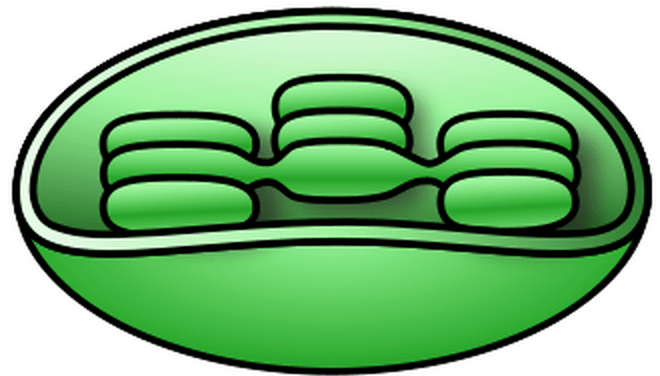
I am only found in a plant cell. What am I?
a)
cell wall
b)
mitochondria
c)
cytoplasm
d)
chloroplast
78.

What is this?
a)
mitochondria
b)
lysosomes
c)
chloroplast
d)
endoplasmic reticulum
79.
What type of cell has a nucleus?
a)
eukaryotic
b)
prokaryotic
80.
Who looked at cork and named the cell?
a)
Robert Hooke
b)
Van Leeuwenhoek
c)
Robert Brown
d)
Francesco Redi
100 %

