
 Worksheets
CA 2 Review!
Total questions: 105
Worksheet time: 2hrs 34mins
Name
Class
Date
1.
All of the following are found in organic compounds EXCEPT
a)
Carbon
b)
Helium
c)
Oxygen
d)
Nitrogen
2.
True or false: CHON has to be followed in order.
a)
True
b)
False
3.
Is this compound organic?
He2Co
He2Co
a)
Yes!
b)
No!
4.
Is this compound organic?
HO3C
HO3C
a)
Yes!
b)
No!
5.
What MUST all organic compounds have in them?
a)
Helium
b)
Oxygen
c)
Gold
d)
Carbon
6.
Which of the following is not a compound?
a)
HCl
b)
Cl
c)
NaCl
d)
CO2
7.
The compound CHO is...
a)
inorganic
b)
organic
8.
Carbon is considered an element while carbon dioxide is considered a compound. This is because carbon dioxide is –
a)
a gas at room temperature.
b)
made of two different elements.
c)
given off by green plants.
9.
Compounds are different than elements because compounds are -
a)
A combination of two or more elements.
b)
B)not able to be broken down into parts
B)not able to be broken down into parts
c)
made from the same type of atoms
d)
a pure substance, elements are not
10.
The smallest particle of any particular type of matter is known by which of the following terms?
a)
Element
b)
Chemical
c)
Atom
d)
Substance
11.
Jorge looks through a microscope and observes the structures of cells on a microscope slide. He concludes that the cells he observes are eukaryotic cells. Which of the following structures did Jorge see to make this conclusion? 6.12D
a)
nucleus
b)
cytoplasm
c)
cell membrane
d)
genetic material (DNA)
12.
A student is examining a cell through a microscope. She notes the following cell parts: cell membrane, cell wall, chloroplast, large vacuole, mitochondria, cytoplasm, & nucleus. What type of cell is the student looking at? 7.12D
a)
A plant cell because only plant cells have cytoplasm.
b)
An animal cell because only animal cells have large vacuoles.
c)
A plant cell because only plant cells have a cell wall and chloroplasts.
d)
She can’t be sure because both plant and animal cells have those cell parts.
13.
In plants, what is the correct levels of organization from smallest to biggest? 7.12C
a)
Cell, leaf, plant tissues, plant
b)
Plant cell, Plant tissue, leaf, plant
c)
Plant tissue, Plant cell, plant, leaf
d)
Plant, leaf, plant tissue, plant cell
14.
Which part of the cell theory states how cells arise? 7.12F
a)
Tissues are made of cells
b)
All cells come from existing cells
c)
All matter is made of cells
d)
Cells are basic unit of all living things
15.
Which statement is true for both plant and animal cells? 7.12D
a)
Plant cells have membranes for support, and animal cells have cell walls to keep out harmful substances
b)
Animal cells contain chloroplasts for waste removal, and plant cells contain vacuoles for energy production
c)
Plant cells contain cell walls to control the cell, and animal cells contain chloroplast to store water
d)
Plant cells contain chloroplasts to produce food, and animal cells have a nucleus to control the cell
16.
Which of the following is not one of the main components of the cell theory? 7.12F
a)
All cells contain a nucleus
b)
All living things are made of one or more cells
c)
Cells can only come from other cells
d)
Cells are the basic unit of life
17.
An animal's brain controls many of the animal's activities. Which organelle has the same function in a cell? 7.12D
a)
the cell membrane
b)
a vacuole
c)
a mitochondrion
d)
the nucleus
18.
Which is not part of the cell theory? 7.12F
a)
All living things are made of cells
b)
Cells are the basic units of structure and
function in living things
function in living things
c)
Living cells come only from other living cells.
d)
Cells are in living and nonliving things
19.
The cells of complex multicellular organisms are organized into structures. What is the order of these structures from least complex to most complex? 7.12C
A) cell, organ, tissue, organ system, organism
B) cell, organism, organ system, organ, tissue
C) cell, tissue, organ, organ system, organism
D) tissue, cell, organism, organ, organ system
A) cell, organ, tissue, organ system, organism
B) cell, organism, organ system, organ, tissue
C) cell, tissue, organ, organ system, organism
D) tissue, cell, organism, organ, organ system
a)
cell, organ, tissue, organ system, organism
b)
cell, organism, organ system, organ, tissue
c)
cell, tissue, organ, organ system, organism
d)
tissue, cell, organism, organ, organ system
20.
What are organs made of? 7.12C
a)
Tissues
b)
Organisms
c)
Organelles
d)
Chemical energy
21.
What type of cell has genetic material called DNA bound in the nucleus?
a)
eukaryotic cells
b)
prokaryotic cells
c)
both prokaryotic and eukaryotic
d)
neither prokaryotic and eukaryotic
22.
Which of these statements best summarizes the cell theory? 7.12F
a)
Cells contain a nucleus and other parts
b)
Cells come in different shapes and sizes
c)
Cells can be seen through a microscope
d)
Cells are the building blocks of living things
23.
Which organelle functions like a fish net? 7.12D
a)
Mitochondria
b)
Vacuole
c)
Cell Membrane
d)
Cell Wall
24.

Which table correctly describes the functions of the cell structures listed?
a)
F
b)
G
c)
H
d)
J
25.
Plants use energy from sunlight, water, and carbon dioxide to produce sugar. Which structure is found only in plant cells and helps plants capture energy from sunlight?
a)
Vacoule
b)
Nucleus
c)
Cell membrane
d)
Chloroplast
26.

Directs all cell activities through the DNA located there; the command center
a)
Vacuole
b)
Mitochondira
c)
Nucleus
d)
Cell wall
27.

What is a sac-like structure used to store water?
It is found in both plant cells and animal cells but is much larger in plant cells
It is found in both plant cells and animal cells but is much larger in plant cells
a)
Vacuole
b)
Lysosomes
c)
Ribosomes
d)
Cell membrane
28.

The name of the molecule that contains all of our genetic information. Found in the nucleus
a)
ER
b)
ATP
c)
YOLO
d)
DNA
29.

A rigid layer that lies outside the cell's membrane to support and protect the plant cell...
a)
Endoplasmic Reticulum
b)
Chloroplast
c)
Cell wall
d)
Mitochondria
30.
What is NOT found in an animal cell?
a)
mitochondria, golgi bodies
b)
vacoule, ribosome
c)
cell membrane, mitochondria
d)
cell wall, chloroplast
31.
Which of the following is NOT one of the three parts of Cell Theory?
a)
All living things are made of cells.
b)
The cell is the basic unit of life.
c)
Cells are too small to see without a microscope.
d)
All cells must come from pre-existing cells.
32.

This is an example of...
a)
organ system
b)
cell
c)
tissue
d)
organ
33.

This is an example of...
a)
cell
b)
tissue
c)
organ
d)
organ system
34.

What is the correct order of organization?
a)
tissues-cells-organ-organ systems- organism
b)
organism-cells-tissues-organ systems-organ
c)
cell-tissue-organ-organ systems-orgnanism
d)
tissue-cells-organism-organs-organ system
35.
This is an example of...
a)
cell
b)
tissue
c)
organ
d)
organ system
36.

This is an example of...
a)
organism
b)
organ
c)
organ system
d)
tissue
37.

This is an example of...
a)
cell
b)
tissue
c)
organism
d)
organ system
38.
The skeletal system consists of all of the following EXCEPT...
a)
bones
b)
ligaments
c)
tendons
d)
muscles
39.
The end of your bones are surrounded by ________ to help protect the bones.
a)
tendons
b)
ligaments
c)
cartilage
d)
muscles
40.
The skeletal system does all of the following EXCEPT
a)
produces red blood cells
b)
stores calcium and minerals
c)
protects organs
d)
excretes waste
41.
The skeletal system does all of the following EXCEPT
a)
produces red blood cells
b)
stores calcium and minerals
c)
protects organs
d)
excretes waste
42.
No movement would occur without the skeletal system.
a)
True
b)
False
c)
Huh?
43.
attaches bone to bone
a)
tendon
b)
ligament
44.
attaches muscle to bone
a)
tendon
b)
ligament
45.
The bone marrow makes
_______________________ cells.
_______________________ cells.
a)
blood
b)
cancer
c)
large
d)
normal
46.
A place where two bones meet is called a
a)
Hip Bone
b)
Synovial Fluid
c)
Joint
d)
Biceps
47.
The bands of tissue that connect bones to muscle?
a)
tendons
b)
cartilage
c)
ligaments
d)
muscle
48.
Which of the following is NOT a function of the skeletal system?
a)
Produce blood cells
b)
Provide structure
c)
Makes body move
d)
Protects internal organs
49.
Which mineral makes up our bones?
a)
Calcium
b)
Vitamin D
c)
Blood Cells
d)
Bone Marrow
50.
Which would be the correct flow chart?
a)
tissues > cells > bones
b)
bones > cells > tissues
c)
cells > tissues > bones
d)
cells > bones > tissues
51.
Bones are organs. True or false?
a)
True
b)
False
52.
The framework of the body, that consists of bones and connective tissues is called the
a)
Muscular System
b)
Skeletal System
c)
Nervous System
d)
Blood System
53.
What type of energy is stored in food?
a)
Thermal
b)
Chemical
c)
Mechanical
d)
Radiant
54.

What is the function of this body system?
a)
Protection
b)
Support
c)
Movement
d)
Strenght
55.

The opposite of "organic" is...
a)
innate
b)
inorganic
c)
unorganic
d)
disorganic
56.

Organic compounds must contain...
a)
chlorine and helium
b)
carbon and helium
c)
carbon and hydrogen
d)
chromium and hidrojen
57.
Some of the elements found in organic compounds are...
a)
carbon, hydrogen, phosphorous, silver
b)
carbon, hydrogen, neon, sulfur
c)
carbon, hydrogen, nitrogen, silver
d)
carbon, hydrogen, nitrogen, sulfur
58.
Is this an organic compound?
C8H10N4O2
C8H10N4O2
a)
Yes
b)
No
c)
Cannot be determined
59.

Hydrotropism is when...
a)
plant roots move toward water
b)
plant stems move toward water
c)
plants die from too much water
d)
plants die from dehydration
60.

DNA (genes) are located in chromosomes, which are located in the ______ of a cell.
a)
ribosome
b)
nucleus
c)
cytoplasm
d)
cell wall
61.

In asexual reproduction, offspring get their traits from only one parent. In sexual reproduction, they get their traits from two. This means your DNA is ___ your father's and ___ your mother's.
a)
0; 0
b)
100; 100
c)
50; 100
d)
50; 50
62.
The main purpose of the ____________ system is to break food particles into pieces that can be used.
a)
circulatory
b)
respiratory
c)
digestive
d)
skeletal
63.
What is responsible for delivering oxygen and removing carbon dioxide from the body?
a)
cell nucleus
b)
excretory system
c)
nervous tissue
d)
respiratory system
64.
The __________ system directs the body to inner and outer changes.
a)
digestive
b)
circulatory
c)
nervous
d)
skeletal
65.
The __________ is the main organ of the nervous system.
a)
heart
b)
lungs
c)
brain
d)
skin
66.
A(n) _________ is made of small parts connected together to make a whole.
a)
system
b)
problem
c)
evidence
d)
illustration
67.
When tissues come together, they form ___________.
a)
cells
b)
atoms
c)
organs
d)
systems
68.
Which of the following body systems work together for support, protection, and movement?
a)
respiratory and cardiovascular
b)
skeletal and muscular
c)
skeletal and integumentary
d)
digestive and respiratory
69.

One role of the pancreas is to create enzymes to help breakdown food. This function makes it part of which system?
a)
Endocrine
b)
Digestive
c)
Immune
d)
Urinary
70.

A second function of the pancreas is to make certain hormones, because of this it is also part of what other system?
a)
Endocrine
b)
Digestive
c)
Circulatory
d)
Immune
71.
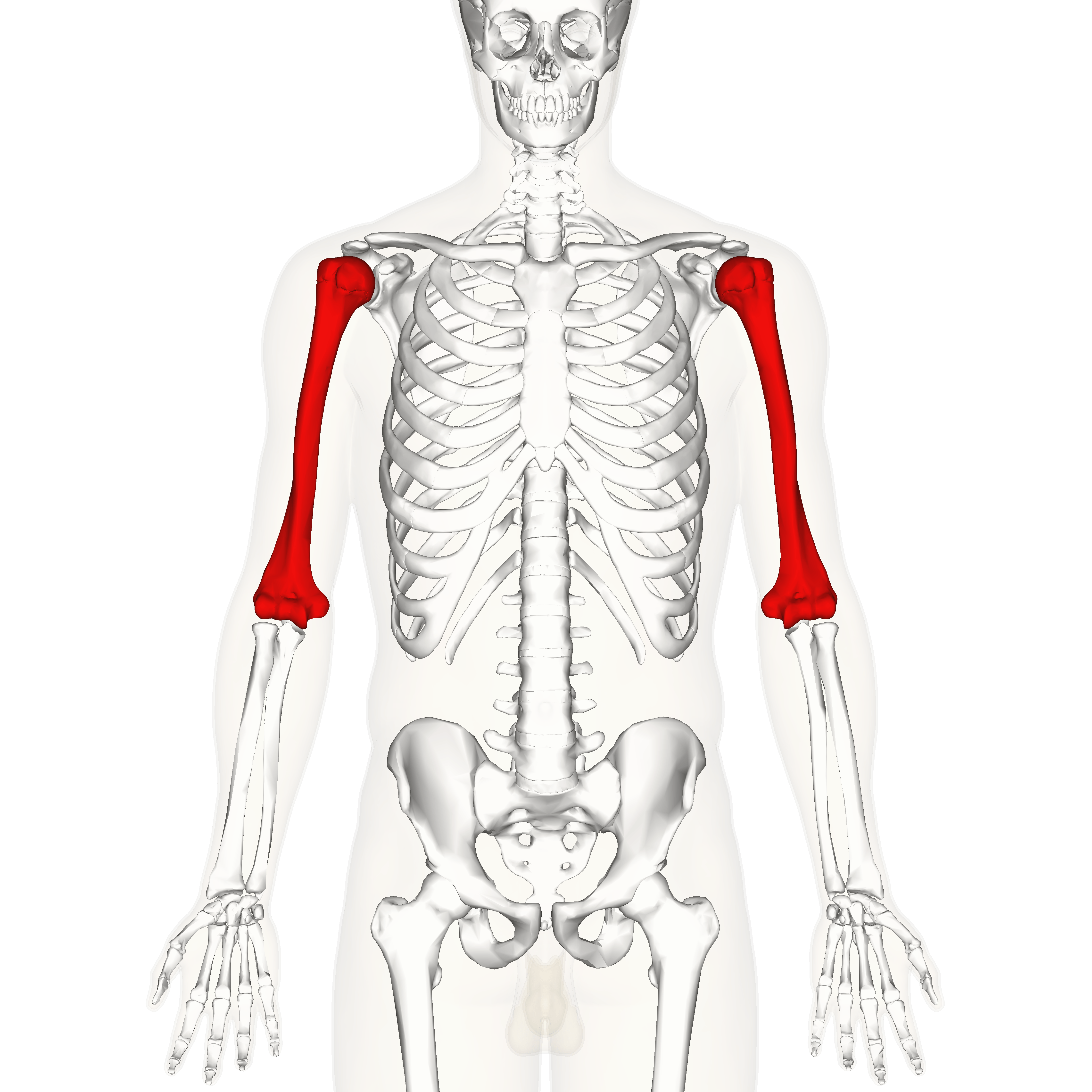
The humerus is part of this system?
a)
Muscular
b)
Reproductive
c)
Skeletal
d)
Nervous
72.
An example of a pioneer species in secondary succession is...
a)
lichens
b)
weeds and grasses
c)
trees and shrubs
d)
insects
73.
The final stable community of plants and animals is called:
a)
pioneer community
b)
farmland
c)
climax community
d)
old field
74.
Starts with BARE ROCK followed by lichen
a)
primary succession
b)
secondary succession
c)
both types of succession
75.
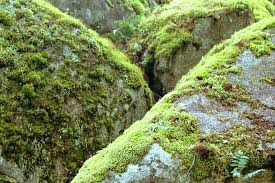
What are examples of pioneer species in a primary succession?
a)
Bushes and Shrubs
b)
Oak trees
c)
Mosses and Lichens
d)
A rose Bush
76.
The following natural events will cause primary succession to occur:
a)
floods and hurricanes
b)
wildfires and controlled burns
c)
tsunamis and tornadoes
d)
glacier movement and volcanoes
77.
Chromosomes –
a)
Look like small circles
b)
Are also called genes
c)
Stores the nutrients the cell needs
d)
Carry genetic information about the organism’s traits
78.
Where is DNA found in a cell?
a)
on the cell wall
b)
on the cell membrane
c)
on chromosomes
d)
on the chloroplast
79.
Which of the following is the correct organization of genetic material from least complex to most complex?
a)
DNA→ genes → chromosomes→ nucleus
b)
genes →DNA→ chromosomes → nucleus
c)
nucleus→ genes→ DNA → chromosomes
d)
chromosomes→ DNA→ nucleus→ genes
80.
Chromosomes –
a)
Look like small circles
b)
Are also called genes
c)
Stores the nutrients the cell needs
d)
Carry genetic information about the organism’s traits
81.

Three cousins have a similar appearance but have different face shapes.
Which of these cell components are most involved in determining the basic shape of each girl’s face?
Which of these cell components are most involved in determining the basic shape of each girl’s face?
a)
Genes, chromosomes, nucleus.
b)
Cytoplasm, chloroplasts, and genes.
c)
Vacuoles, nucleus, and chromosomes.
d)
Chromosomes, chloroplasts, and vacuoles.
82.
This is when uniform offspring grow from a part of a parent plant. Parent plants sends out runners. Where the runner touches the ground, roots can grow. A new plant is produced even if the runner is broken apart Each new plant is uniform and identical to the parent.
a)
Vegetative propagation
b)
Regeneration
c)
Budding
d)
Fission
83.
This is when a new organism grows by mitosis and cell division on the body of its parent. The bud, or offspring is identical to the parent. The bud, when large enough, can break off of the parent and live on its own.
Examples of this include yeast, hydra and cactus
Examples of this include yeast, hydra and cactus
a)
Regeneration
b)
Vegetative propagation
c)
Fission
d)
Budding
84.
What is organized DNA called?
a)
Genes
b)
Deoxyribonucleic Acid
c)
Chromosomes
d)
Nucleus
85.

a)
budding
b)
sporulation
c)
vegetative propagation
d)
binary fission
86.

a)
budding
b)
fragmentation
c)
sporulation
d)
binary fission
87.

The offspring from asexually reproduced organisms are?
a)
Different than their parents
b)
Identical to parents
c)
Like a combination from both parents
d)
A different species
88.

If two organisms reproduce sexually, then their offspring will exhibit a genetic makeup that is -
a)
identical to only one parent
b)
identical to all of its siblings
c)
a unique combination of traits
d)
the recessive traits of each parent
89.

When comparing the offspring of sexually and asexually reproducing organisms, we would expect the genetic material (DNA) of the sexually reproducing organism to -
a)
contain fewer mutations
b)
be lesser in quantity
c)
be simpler overall
d)
show more variation
90.

The genetic material of an offspring of sexually reproducing organisms is best described as–
a)
identical to that of the other offspring
b)
a copy of the genetic material of the mother
c)
a copy of the genetic material of the father
d)
genes from both parents, in unique combinations
91.
What are some of the facts about asexual reproduction?
a)
Takes only one mate to reproduce and takes a longer time to reproduce
b)
Takes a shorter amount of time to reproduce and it takes two mates to reproduce
c)
Reproduces diverse offspring and takes a longer time to reproduce
d)
Takes only one mate to reproduce and takes a shorter time to reproduce
92.
The passage of genetic instructions from one generation to the next is called-
a)
asexual reproduction
b)
sexual reproduction
c)
heredity
d)
a baby
93.
Watersheds are important because they
a)
prevent surface runoff
b)
increase the soils pore space
c)
removes salt from ocean water
d)
prevents floods and provides fresh water
94.
Fertilizer from people's yards is a point source pollution
a)
True
b)
False
95.
Rainwater running off a parking lot after a storm is point source pollution
a)
True
b)
False
96.
Rainwater running off a parking lot after a storm is point source pollution
a)
True
b)
False
97.
Overflow from a pipe at a sewage treatment plant is a point source pollution
a)
True
b)
False
98.
What is the type of water that moves underground?
a)
surface water
b)
water table
c)
groundwater
d)
watershed
99.
Which of these most directly prevents erosion in a watershed?
a)
plant life
b)
soil type
c)
agricultural irrigation
d)
sediment transport
100.
Humans can cause different types of pollution. When fertilizers and pesticides make their way into water systems, which type of pollution has taken place?
a)
air
b)
thermal
c)
chemical
d)
biological
101.
Which of the following is a measure of the amount of open spaces between the particles of rock and soil?
a)
porosity
b)
permeability
c)
saturation
d)
precipitation
102.
Based on the table, about how much water is available to provide habitat for wildlife?
Water source Water volume (cubic miles)
Groundwater 5,614,000
Lakes 42,320
Rivers 509
Swamp water 2,752
Water source Water volume (cubic miles)
Groundwater 5,614,000
Lakes 42,320
Rivers 509
Swamp water 2,752
a)
43,000 cubic miles
b)
46,000 cubic miles
c)
6,000,000 cubic miles
d)
just over 3,000 cubic miles
103.

The line graph below shows the average amount of dissolved nutrients in a body of water each year from 1998 to 2003.
Which human activity most likely affected this body of water between 2000 and 2003?
Which human activity most likely affected this body of water between 2000 and 2003?
a)
discharging warm water into the body of water
b)
adding chemical fertilizers to water
c)
burning fossil fuels
d)
dumping litter in the water
104.
Over the course of many years, a rural farm town becomes more urban. Which of the following will most likely happen in the town as a result of this urbanization?
a)
Light pollution in the town may decrease.
b)
Rivers may be contaminated by sewage.
c)
People will develop more farms in the town.
d)
The amount of rainfall will increase.
105.
The town of Winchester recently built an artificial body of water. This reservoir will store drinking water for the town. Which of the following could cause contamination of the water and lead to human health-related problems and loss of native species?
a)
development of a water quality plan
b)
improvements to a water treatment facility
c)
increased use of fertilizer to keep the vegetation growing
d)
building a fence around the reservoir
100 %

