
 Worksheets
2017 Wk 12 CCA Review
Total questions: 40
Worksheet time: 2hrs 26mins
Name
Class
Date
1.
In plants, if flowers exchange pollen between plants to fertilize the eggs and produce seeds, what kind of reproduction is this?
a)
Sexual Reproduction
b)
Vegetative Propagation
c)
Budding
d)
Asexual Reproduction
2.
A white cat had a litter of kittens that were orange, grey, and black and white spotted. Is this the result of sexual or asexual reproduction? And how would you characterize the offspring listed above?
a)
Sexual reproduction with uniform offspring
b)
Asexual reproduction with diverse offspring
c)
Sexual reproduction with diverse offspring
d)
Asexual reproduction with uniform offspring
3.
Requires two parents
a)
sexual
b)
asexual
4.

When the plantlets drop off this spider plant to make a new plant, what kind of reproduction would this be considered?
a)
sexual
b)
asexual
5.
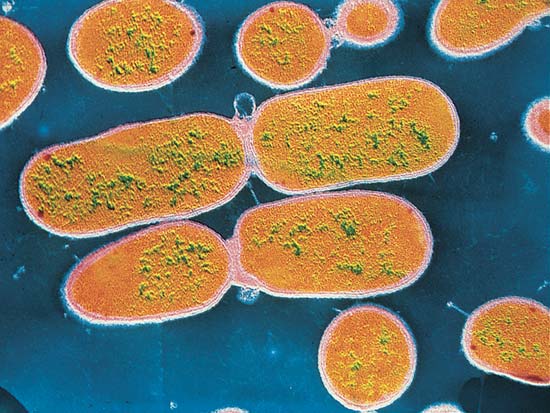
The offspring from asexually reproduced organisms have?
a)
Genes different than their parents
b)
Genes identical to parents
c)
Genes in a combination from both parents
d)
A different species' genes
6.
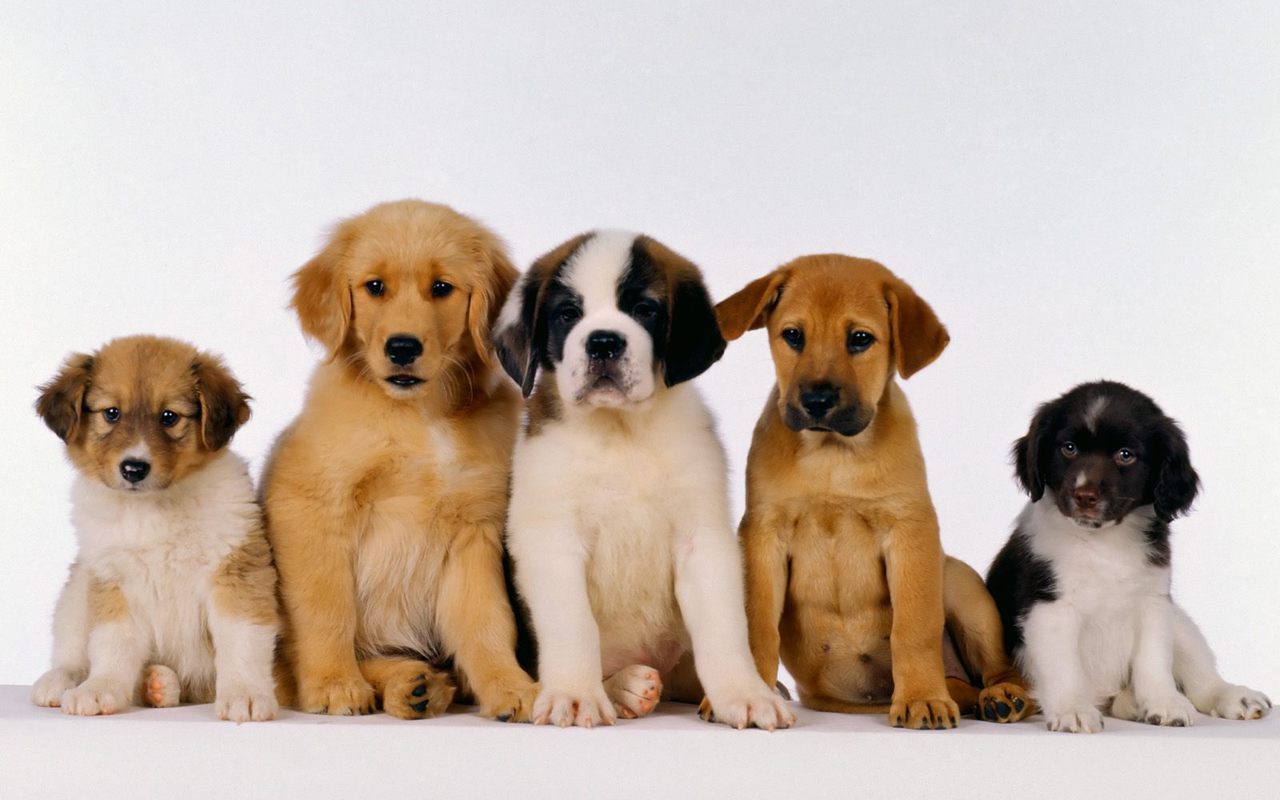
If two organisms reproduce sexually, then their offspring will exhibit a genetic makeup that is -
a)
identical to only one parent
b)
identical to all of its siblings
c)
a unique combination of traits
7.
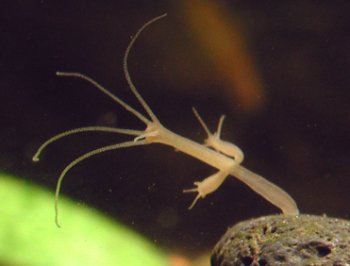
This is when a new organism grows by cell division on the body of its parent. The bud, or offspring is identical to the parent. The bud, when large enough, can break off of the parent and live on its own. Examples of this include yeast, hydra and potatoes.
a)
Regeneration through Fragmentation
b)
Vegetative propagation
c)
Binary Fission
d)
Budding
8.
What part of our cells holds our DNA?
a)
cytoplasm
b)
cell membrane
c)
nucleus
d)
ribosomes
9.
The skin helps regulate body temperature. When your body becomes too warm you... to cool yourself off as part of homeostatsis
a)
Sweat
b)
Blink
c)
Shiver
d)
Yawn
10.
Which of the following is an example of an external Stimuli?
a)
Becoming dehydrated and then taking a drink of water
b)
Getting a headache and then taking Excedrin
c)
Having hunger pains and then eating a sandwich
d)
Smelling Pizza and then eating a piece
11.
Which of the following is an example of internal stimuli?
a)
Smelling pizza and then eating a piece of pizza
b)
Seeing ice cream on television and then eating a bowl of ice cream
c)
After working out feeling sore in your legs and then placing ice on the sore spot
d)
After working out seeing a bottle of water and drinking water
12.
Jackson is around his friend who is constantly sick. Jackson begins coughing and sneezing the next day at school. What is the possible stimulus and response?
a)
Internal stimulus is coughing, the response is getting sick
b)
External stimulus is coughing, the response is getting sick
c)
Internal stimulus is germs/bacteria, the response is coughing
d)
External stimulus is germs/bacteria, the response is coughing
13.
Bobby is singing at a concert for 80,000 people. Bobby had meal of chicken which was not cooked all of the way. Bobby is starting to feel "butterflies" in his stomach, which is making him nauseous. The feeling of nausea is an...
a)
External stimulus because the crowd is super loud from back stage
b)
Internal stimulus because the crowd is super loud from back stage
c)
Internal stimulus telling Bobby to get rid of the food that he ate because it is bad for him
d)
External Stimulus telling Bobby to get rid of the food the he ate because it is bad for him
14.
Stimulus...
a)
A change that prompts an action-the cause
b)
The ability to maintain a stable internal environment (type of equilibrium or balance)
c)
How an organism reacts to a change and results in a change in behavior- the effect
d)
Constant and balanced environment
15.
Response...
a)
A change that prompts an action-the cause
b)
The ability to maintain a stable internal environment (type of equilibrium or balance)
c)
How an organism reacts to a change and results in a change in behavior- the effect
d)
Constant and balanced environment
16.
This organelle takes food and turns it into ENERGY for plant and animal cells.
a)
Chloroplast
b)
Mitochondria
c)
Lysosome
d)
Vacuole
17.
The site of photosynthesis
a)
vacuole
b)
mitochondria
c)
chloroplast
d)
nucleus
18.
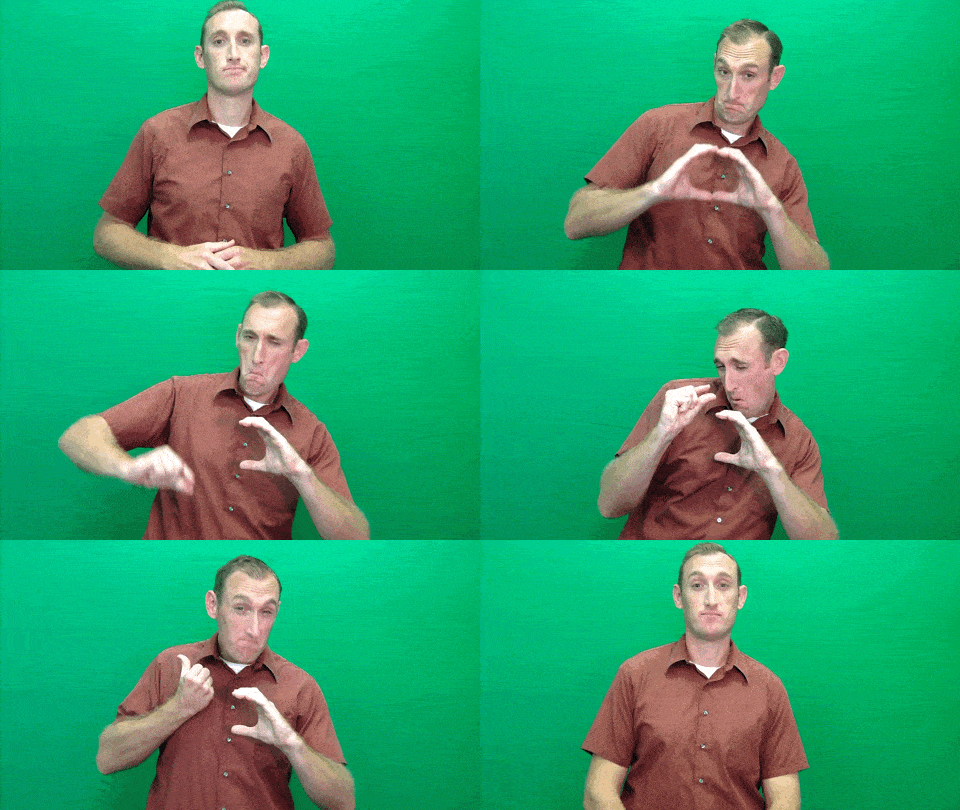
The ___________ is the basic unit of life
a)
organ
b)
cell
c)
atom
d)
tissue
19.
When many organ systems work together it can form...
a)
organ
b)
cells
c)
organ system
d)
organism
20.

This is a example of ........
a)
cell
b)
organ system
c)
organ
d)
tissue
21.
Which organelle is only found in a plant cell?
a)
nucleus
b)
chloroplast
c)
mitochondria
d)
cell membrane
22.
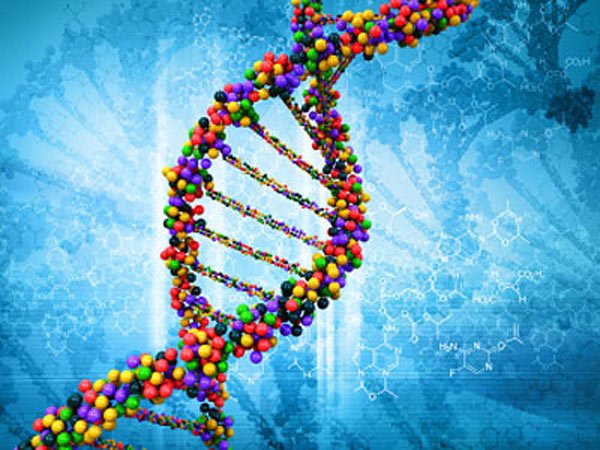
What is the name of the genetic material that is inside the nucleus?
a)
ER
b)
ATP
c)
RNA
d)
DNA
23.

Directs all cell activities through the DNA located there.
a)
Lysosomes
b)
Nucleus
c)
Chloropast
d)
Mitochondria
24.

Which part of the cell is often called "the brain of the cell"?
a)
vacuole
b)
chloroplast
c)
nucleus
d)
mitochondria
25.
What is found in both plant and animal cells but is much larger in plant cells?
a)
Nucleus
b)
Mitochondria
c)
Chloroplast
d)
Vacuole
26.

I am the outer most layer of an animal cell. What am I?
a)
cell wall
b)
nucleus
c)
cell membrane
d)
cell skin
27.
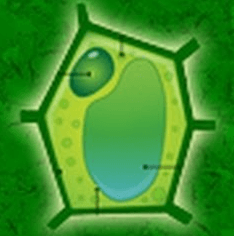
A rigid layer that lies outside the cell's membrane, and could be compared to the human skeletal system.
a)
Cell Membrane
b)
Vacuole
c)
Cell Wall
d)
Cytoplasm
28.
What organelle is called the "powerhouse" of a plant or animal cell?
a)
Chloropast
b)
Nucleus
c)
Mitochondria
d)
Vacuole
29.
What is the gel-like substance inside of cells called?
a)
jello
b)
photosynthesis
c)
cell membrane
d)
cytoplasm
30.

I store water in both plant and animal cells. What am I?
a)
cytoplasm
b)
ribosomes
c)
vacuole
d)
lysosomes
31.

Using this image, what organelle is C?
a)
Cell Wall
b)
Mitochondria
c)
Large Cell Vacuole
d)
Chloroplast
32.
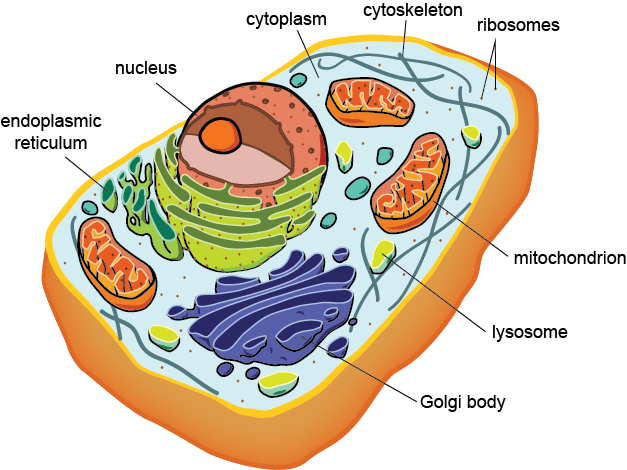
Which of the following statements is not part of the cell theory?
a)
Cells are the basic unit of structure and function in all living things.
b)
All cells are produced from other cells.
c)
Only animal cells are composed of cells.
d)
All living things are composed of cells.
33.

The invention of the microscope made it possible for people to discover and learn about
a)
Plants
b)
Skin
c)
Animals
d)
Cells
34.

Which statement reflects one of the major components of the cell theory?
a)
All living things are multi-cellular.
b)
Organs are the basic unit of structure and function for all living things.
c)
All cells come from previously existing cells.
d)
Every organism has a reproductive system to ensure survival of the species.
35.
What structures distinguish a plant cell from an animal cell?
a)
Plant cells have cell walls and ribosomes.
b)
Plant cells have cell walls and chloroplasts.
c)
Plant cells have chloroplasts and ribosomes.
d)
Plant cells have chloroplasts and mitochondria.
36.
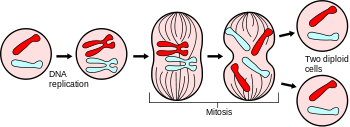
When cells are damaged, new cells are created by cell division. How does the cell theory support this fact?
a)
It states that all cells have a nucleus which divides.
b)
It states that all living things are made up of one or more cells.
c)
It states that cells come from previously existing cells.
d)
It states that the basic units of structure and function are cells.
37.
Controls what enters and leaves the cell
a)
Mitochondria
b)
Cell Membrane
c)
Cell Wall
d)
Nucleus
38.

What do all of these organisms have in common?
a)
They all have uniform offspring
b)
They are all made of cells
c)
They possess the same features
d)
They have the same internal and external structures
39.
Rocks are not living because
a)
they never move
b)
they aren't needed for humans
c)
they are not made of cells
d)
they don't break down
40.

According to cell theory, where did this cell come from?
a)
another living cell
b)
energy from sun
c)
a multicellular organism
d)
the nonliving environment
100 %

