
 Worksheets
Compounds, Chemical Reactions, & Chemical Changes, OH MY!
Total questions: 36
Worksheet time: 37mins
Name
Class
Date
1.
Which of the following is not a compound?
a)
HCl
b)
Cl
c)
NaCl
d)
CO2
2.
What is made up two or more elements that are chemically combined?
a)
Element
b)
Mixture
c)
Compound
d)
Solids
3.
A combination of substances that are not chemically combined is called a(n)____________.
a)
mixture
b)
compound
c)
physical
d)
chemical
4.
How is a compound different from an element?
a)
Solids, liquids, and gases can form compounds
b)
Each substance in a compound loses its characteristic properties
c)
They are the same thing
d)
Mixtures lose their original characteristic properties
5.

This picture represents which of the following?
a)
elements
b)
compounds
c)
mixture of elements
d)
mixture of compounds
6.
What is H2SO4 made up of?
a)
2 hydrogen, 1 sulfur, 4 oxygen
b)
1 hydrogen, 2 sulfur, 4 oxygen
c)
2 hydrogen & 4 sodium
d)
1 hydrogen & 6 sodium
7.
_____ small particles that make up most types of matter on Earth.
a)
compounds
b)
atoms
c)
mixtures
d)
elements
8.

Can a mixture be separated?
a)
No
b)
Yes
c)
Only sometimes
d)
Not usually
9.
What kind of properties can only be observed when a substance changes into a different substance?
a)
physical properties
b)
chemical properties
c)
liquid properties
d)
real properties
10.
Which of the following is a sign that a chemical reaction has occurred?
a)
change in shape
b)
melting
c)
formation of a gas
d)
dissolving
11.

Is burning wood a chemical or physical change?
a)
chemical
b)
physical
12.
A change in the size, shape, or state of matter.
a)
chemical change
b)
physical change
c)
chemical reaction
d)
electron change
13.
Kim puts an ice cube in a beaker and it melts. This is a good example of:
a)
a physical change.
b)
a chemical change.
c)
an experiment.
d)
an analysis.
14.
Adding baking soda and vinegar together and it fizzes and creates carbon dioxide.
a)
Chemical
b)
Physical
15.
Liv lit a match and said it was a physical change. Is she correct?
a)
Yes
b)
No
c)
Sometimes
d)
Rarely
16.
Which of the following is a chemical property of water?
a)
Reacts with pure sodium.
b)
Boils at 100 oC.
c)
Dissolves sugar easily.
d)
Has a density of 1 gm/mL
17.
Which is a chemical change?
a)
freezing fruit juice
b)
slicing a potato
c)
boiling water
d)
copper metal turning green
18.
Which of the following does the discoloration of a coin describe?
a)
Chemical Change
b)
Physical Change
c)
None of the above
d)
Both
19.
What causes a chemical reaction when you prepare scrambled eggs?
a)
cracking the eggs in a pan
b)
heating the eggs in a pan
c)
putting pepper on the eggs
d)
putting the eggs on a plate
20.
Which of the following describes a precipitate?
a)
a liquid forms when a block of metal is heated
b)
a solid forms when one liquid is poured into another
c)
a gas forms when a solid is placed in a liquid
d)
bubbles form when an acid is poured on a rock
21.
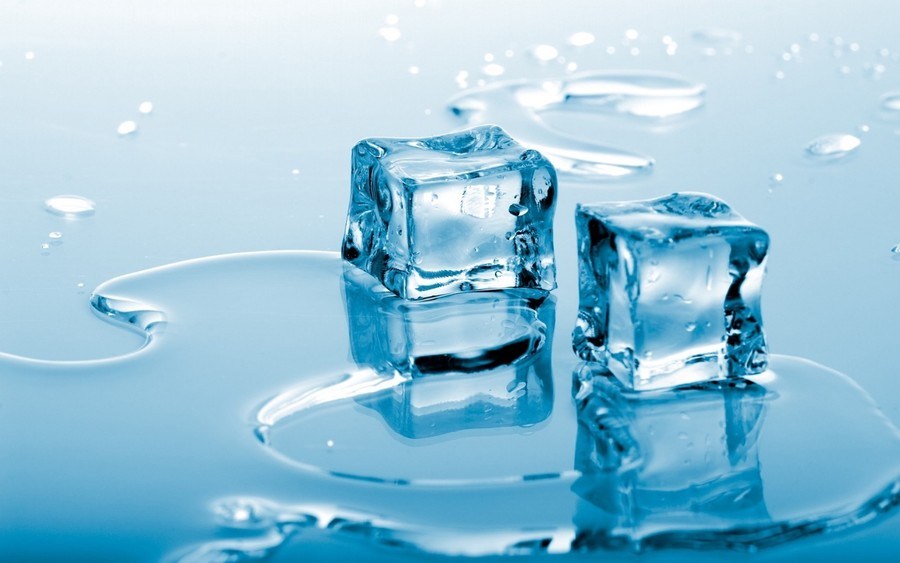
Water freezing into ice is an example of a...
a)
Physical Change
b)
Chemical Change
22.
Any change in the state of matter of a substance is a...
a)
Physical Change
b)
Chemical Change
23.
Which of the following indicates a chemical change?
a)
Change in state of matter
b)
Temperature change
c)
Change in size
d)
Change in shape
24.

Physical or Chemical Change? Iron rusts
a)
Physical Change
b)
Chemical Change
25.

Is mold growing on cheese a physical or chemical change?
a)
Physical
b)
Chemical
26.
What happens in ALL chemical changes?
a)
Change in state of matter
b)
A new substance is formed
c)
Bubbles are produced
d)
An explosion
27.
What is made up two or more elements that are chemically combined?
a)
Element
b)
Mixture
c)
Compound
d)
Solids
28.
Which one cannot be found on the periodic table?
a)
Compound
b)
Element
29.
Which substance is a compound?
a)
Chlorine
b)
Calcium
c)
Salt
d)
Sodium
30.
You drop two Alka-Seltzer tablets in a glass of water and immediately see bubbles coming up through the water. They probably indicate:
a)
A change of color
b)
Formation of a gas
c)
A change in temperature
d)
Formation of a precipitate
31.
Is sugar (C12H22O11) an element or a compound?
a)
Element
b)
Compound
32.
I am made by combining two or more elements. My properties are different of my combined elements. I am a new substance. What am I?
a)
A mixture
b)
A solution
c)
An element
d)
A compound
33.
Adding baking soda and vinegar together and it fizzes and creates carbon dioxide.
a)
Chemical
b)
Physical
34.
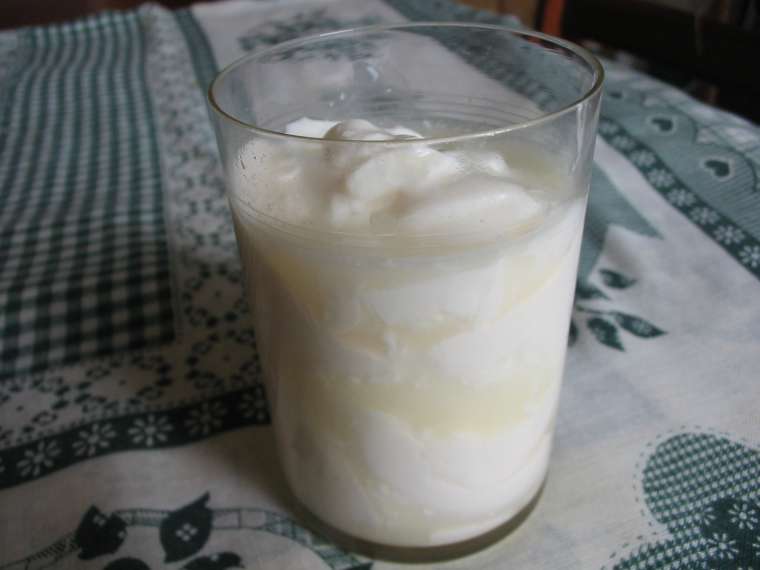
Is milk going sour a physical or chemical change?
a)
Physical
b)
Chemical
35.

Is gatorade powder dissolving in water physical or chemical change?
a)
Physical
b)
Chemical
36.
Which of the following is not a clue that a chemical reaction has taken place?
a)
Changing size
b)
Changing color
c)
A gas being formed
d)
Formation of a precipitate
100 %

