
 Worksheets
Weathering & Erosion
Total questions: 45
Worksheet time: 33mins
Name
Class
Date
1.
When rocks are broken down into smaller pieces
a)
erosion
b)
weathering
c)
sediment
2.
Particles of rock, sand, soil, plant and animal remains
a)
erosion
b)
sediment
c)
weathering
3.
When water, ice and wind move particles of rock and soil from one place to another
a)
sediment
b)
weathering
c)
erosion
4.
A mass of ice that covers a large area and moves slowly
a)
gravity
b)
glacier
c)
sediment
5.
Erosion caused by _______________ changes beaches and lakes
a)
glaciers
b)
ice
c)
waves
6.
Water, wind, gravity, ice, plants are all part of this kind of weathering
a)
Chemical
b)
Mechanical
c)
Humid
7.
Which event is an example of erosion?
a)
Snow falls during a storm
b)
Rocks slide down a hill slide
c)
A plant grows on a sandy beach
8.
Which size rock will weather the fastest
a)
A large rock
b)
A small rock
c)
A medium sized rock
9.
Roots break apart a side walk
a)
Chemical weathering
b)
Mechanical weathering
10.
Carbon dioxide in rainwater dissolves limestone
a)
Chemical weathering
b)
Mechanical weathering
11.
How does freezing water cause the weathering of rocks? The freezing water—
a)
keeps the rocks in place
b)
makes the rocks last longer
c)
expands cracks and breaks rocks
d)
causes rocks to fall in landslides
12.
Bobby observed that a metal trash can was covered with rust. What type of weathering caused the rust on the trash can?
a)
Mechanical weathering
b)
Wind weathering
c)
Chemical weathering
d)
Erosion weathering
13.

These rocks were broken apart from the continuous freeze/thaw of water in the cracks of the rocks. This is an example of:
a)
ice wedging
b)
acid rain
c)
permeability
d)
abrasion
14.
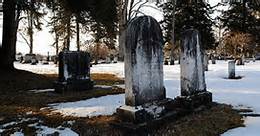
These gravestones have slowly broken down and turned a blackish color due to the action of:
a)
ice wedging
b)
abrasion
c)
acid rain
d)
mechanical weathering
15.
Potholes forming in the road after a cold winter is an example of:
a)
mechanical weathering
b)
chemical weathering
16.
Caves being formed by acid rain dissolving underground limestone
a)
Weathering
b)
Erosion
c)
Deposition
17.
What is the major cause of weathering and erosion?
a)
wind
b)
ice
c)
glaciers
d)
moving water
18.
In which type of climate would weathering happen the fastest to a rock?
a)
wet (humid) and warm
b)
dry and cold
c)
wet (humid) and cold
d)
dry and warm
19.

What type of erosion causes landslides
a)
wind
b)
waves
c)
water
d)
gravity
20.

A rock containing iron becomes soft and crumbly and reddish-brown in color. It probably has been chemically weathered by -
a)
abrasion
b)
carbon dioxide
c)
oxygen
d)
acid rain
21.
A hot wet climate causes weathering to take place -
a)
slowly
b)
rapidly
c)
unevenly
d)
at the same rate as when the climate is dry and cool
22.
What at 4 types of mass movement?
a)
compaction, cementation, heat, and pressure
b)
mudflow, rockfall, creep, landslide
c)
abrasion, animal action, acid rain, ice wedging
d)
oxidation, living organisms, tree roots, human activity
23.
_________________ can be compared to sandblasting.
a)
deflation
b)
abrasion
c)
deposition
24.
__________________occurs when materials containing iron are exposed to oxygen and water.
a)
Erosion
b)
Root pry
c)
Ice wedging
d)
Oxidation
25.
A stream that flows into a larger stream.
a)
rilly
b)
river
c)
meander
d)
tributary
26.
Which of the following is NOT a type of chemical weathering?
a)
water
b)
carbon dioxide
c)
ice wedging
d)
living organisms secreting acid to break down rocks
27.

Carbon dioxide (CO2) combines with water as raindrops fall through the atmosphere. This makes a weak acid, called carbonic acid. Carbonic acid is a very common in nature, where it works to dissolve rock. Pollutants, such as sulfur and nitrogen from fossil fuel burning, create sulfuric and nitric acid. Sulfuric and nitric acids are the two main components of acid rain, which speeds up chemical weathering.
This statue was probably destroyed by _____.
This statue was probably destroyed by _____.
a)
Wind
b)
Humans
c)
Acid Rain
d)
Animals
28.
In a meander (curve) where can you expect to have erosion?
a)
Inside the curve
b)
Outside the curve
29.

A river starts very small before getting larger. What is the name given to a small river that joins a larger river?
a)
Confluence
b)
Tribunal
c)
Tributary
d)
Joiner
30.

A meander is best described as ...
a)
A straight section of the river.
b)
A winding section of a lake.
c)
A section of the river that joins another river.
d)
A winding section of a river.
31.

What landform can you see in the picture?
a)
Floodplain
b)
Delta
c)
Waterfall
d)
Oxbow lake
32.
"When rocks scrape along the river bank and bed" is what type of erosion?
a)
Attrition
b)
Abrasion
c)
Solution
d)
Hydraulic Action
33.
Where do the ends of most rivers go ?
a)
Deserts
b)
Mountains
c)
Lakes
d)
Oceans
34.
It can take thousands of years but a river can carve a _____________ into rocks.
a)
source
b)
slope
c)
canyon
d)
slope
35.

What is #1?
a)
Delta
b)
riverbank
c)
source
d)
mouth
36.

What is #2?
a)
delta
b)
mouth
c)
tributary
d)
source
37.
Which type of river contains rapids (fast moving water) and waterfalls?
a)
Young
b)
Old
c)
Mature
38.

What is the name of the point where a river ends?
a)
Tributary
b)
Water Shed
c)
Confluence
d)
Mouth
39.
The point at which a river enters the ocean is also known as...
a)
The source/headwaters
b)
Drainage basin
c)
The end
d)
The mouth
40.
What is an enormous mass of ice moving over land?
a)
glacier
b)
iceberg
c)
ice wedging
d)
dune
41.
Forms when a flowing glacier scoops out an area between two mountains.
a)
U-Shaped Valley
b)
Fjord
c)
Kettle
d)
Moraine
42.
glacial erosion causes ______ as it moves across the land?
a)
plucking (abrasion) and striations
b)
beaches and sand bars
c)
sea caves and headlands
d)
sand dunes and losses
43.

Which of the following does not cause a landslide
a)
Heavy Rain
b)
Removal of Vegetation
c)
Earthquakes
d)
Shouting on top of a slope
44.
What force is responsible for erosion and deposition in landslides?
a)
gravity
b)
ice
c)
wind
d)
temperature
45.
The very slow movement of material downslope under the influence of gravity
a)
Rockfall
b)
Rockslide
c)
Slump
d)
Creep
100 %

