wayground logo

Free Printable Worksheets

Font size

S
M
L
XL
Worksheets

Ch 7 Lesson 1 Fossil Evidence of Evolution

Total questions: 30

Worksheet time: 22mins

Name
Class
Date
1.
When a plant or animal no longer exists, it is ____________________.
a)
fossil
b)
imprint
c)
extinct
d)
cast
2.
What is hardened tree sap called?
a)
coprolites
b)
index fossils
c)
gastroliths
d)
amber
3.
How are fossils created?
a)
Traces of organisms get turned into stone.
b)
Dead organisms are quickly buried for millions of years.
c)
Animals get trapped.
d)
All of the above
4.
Because this fossil shows the activity of walking, it could be classified as
a)
trace fossil
b)
cast fossil
c)
carbon film fossil
d)
preserved 
5.
A hollow space in rock in the shape of an organism. 
a)
Mold fossil
b)
Cast fossil
c)
Body fossil
d)
Trace fossil
6.
These fossils shows evidence of activity. Scientists use these fossils to study animal behaviors. 
a)
Mold fossil
b)
Trace Fossil
c)
Cast fossil
d)
Body Fossil
7.
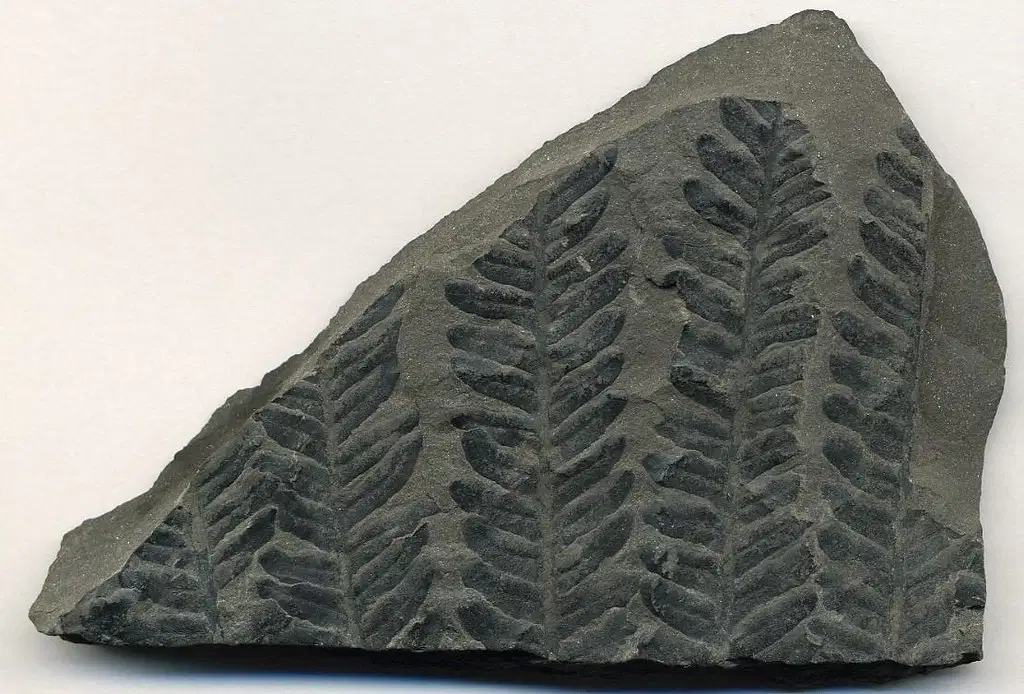
Which type of fossil is pictured?
a)
Mold
b)
Cast
c)
Trace
d)
Body
8.
What can be learned about a fossil using relative-age dating?
a)
its age in years
b)
its age compared to other fossils
c)
its age based on radioactive decay
9.
What is a major cause of extinctions?
a)
biological evolution
b)
environmental change
c)
carbonization
d)
mineralization
10.
The impression of an organism in a rock
a)
cast
b)
original material fossil
c)
trace fossil
d)
mold
11.
The fossil copy of an organism in a rock
a)
cast
b)
original material fossil
c)
trace fossil
d)
mold
12.
The preserved evidence of the activity of an organism
a)
cast
b)
original material fossil
c)
trace fossil
d)
mold
13.
The preserved tissues of an organism
a)
cast
b)
original material fossil
c)
trace fossil
d)
mold
14.
All the fossils ever discovered on Earth make up
a)
geologic time scale
b)
fossil record
c)
biological evolution
15.
A chart that divides Earth's history into units
a)
geologic time scale
b)
fossil record
c)
biological evolution
d)
ordovician period
16.
The change over time in populations of related organisms
a)
geologic time scale
b)
biological evolution
c)
environmental change
d)
prehistoric time scale
17.
When the last individual of a species dies.
a)
biological evolution
b)
geologic tradegdy
c)
extinction
d)
cambrian period
18.
Determining the approximate order in which rock layers were deposited is an important part of ______________.
a)
relative age dating
b)
dinosaur period
c)
absolute age dating
d)
carbon dating
19.
Dead organism is compressed over time
a)
mineralization
b)
trace fossil
c)
carbonization
d)
petrified fossil
20.
An impression of an organism is left in rock
a)
mineralization 
b)
carbonization
c)
molds and casts
d)
trace fossil
21.
Mammoths frozen in ice are an example of _______________.
a)
Original material
b)
Petrified fossil
c)
Frozen fossil cast
d)
Carbonization
22.
How many major extinction events have occurred in Earth's history?
a)
4
b)
6
c)
3
d)
5
23.
The actual plant or animal is in this type of fossil. 
a)
Mold fossil
b)
Cast Fossil
c)
Trace fossil
d)
Original Material Fossil
24.
Which fossil is pictured?
a)
Mold
b)
Cast
c)
Body
d)
Trace
25.

The image shows petrified wood. This type of fossil preservation is called _________________________.

a)

preserved remains

b)

mineral replacement

c)

carbon films

d)

molds

26.

This type of fossil is formed by pressure driving off the organism's liquids and gases.

a)

Mineralization

b)

carbonization

c)

trace fossils

d)

Original material

27.

Which is a mold?

a)

b)

c)

28.

Petrified wood, fossils that look very like the original trees but that are now actually made up of rock materials, are the result of the process called__________________

a)

mineralization

b)

hypothesize

c)

natural grading

d)

environmental change

29.

This type of fossil forms when a mold is filled with sand or mud that hardens into the shape of the organism.

a)

Mold

b)

Cast

c)

Trace

d)

Petrified

30.

Which type of fossil preservation is a thin carbon silhouette of the original organism?

a)

permineralization

b)

carbonization 

c)

mold

d)

petrified