
 Worksheets
Community Interactions
Total questions: 30
Worksheet time: 31mins
Name
Class
Date
1.
A relationship between two organisms in which one organism benefits and the other is unharmed...
a)
Mutualism
b)
Competition
c)
Parasitsm
d)
Commensalism
2.
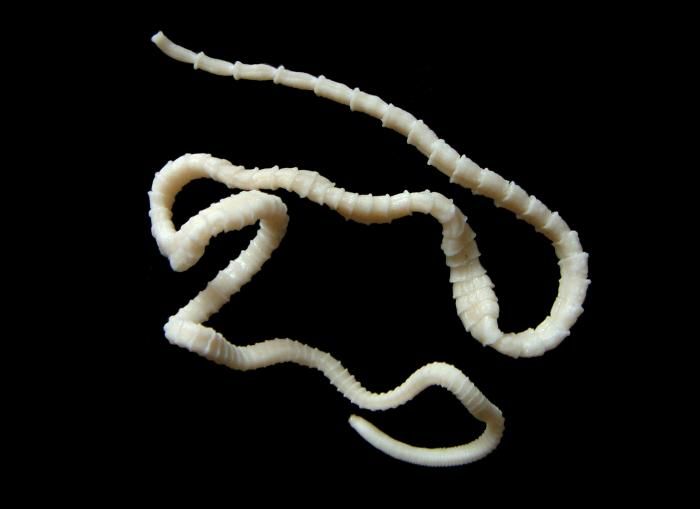
A tapeworm and a cat have this type of relationship.
a)
mutualism
b)
parasitism
c)
commensalism
d)
competition
3.
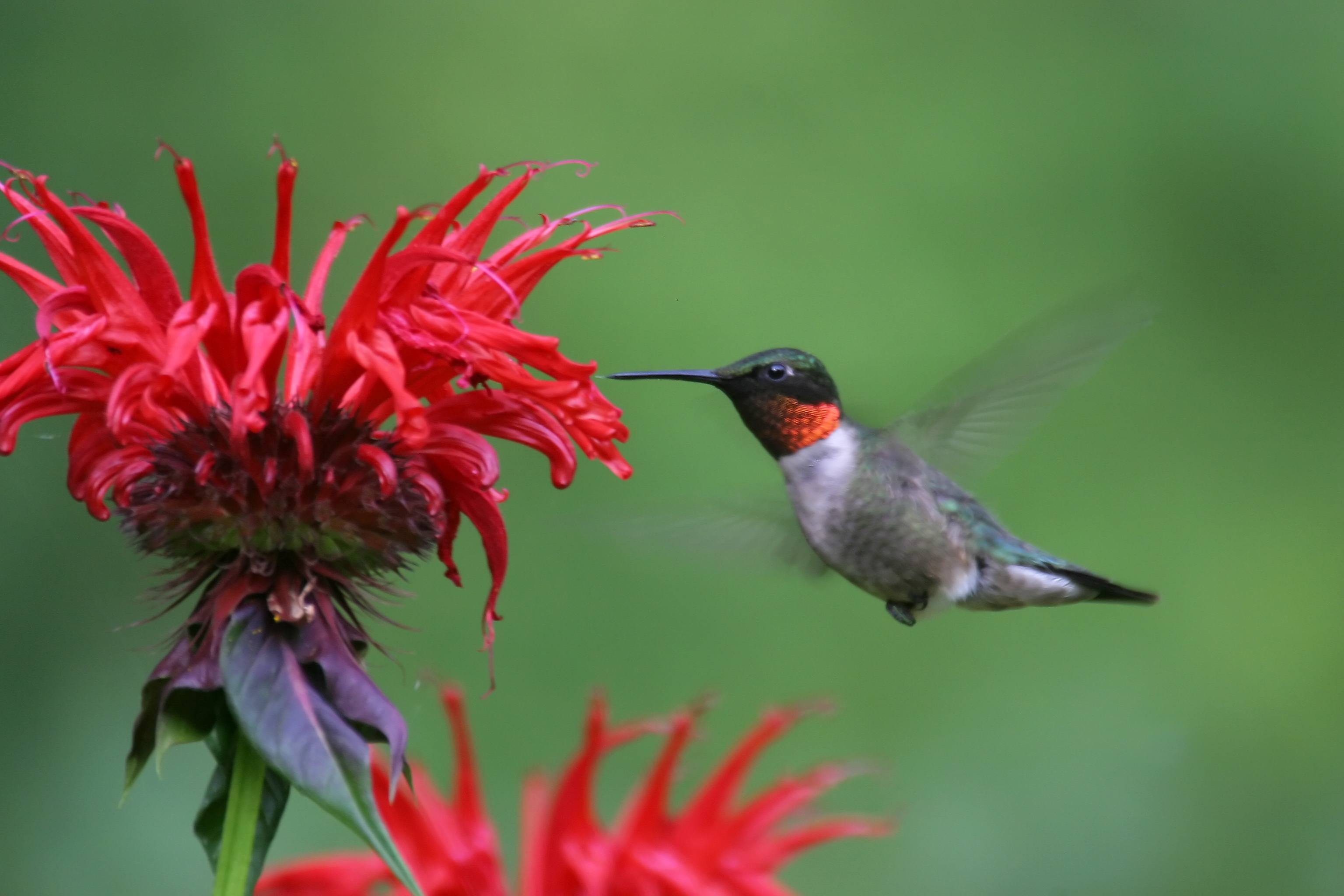
What type of symbiosis? Hummingbirds feed on nectar from flowers. The flowers are pollinated by hummingbirds as they move from flower to flower.
a)
commensalism
b)
mutualism
c)
parasitism
d)
predation
4.
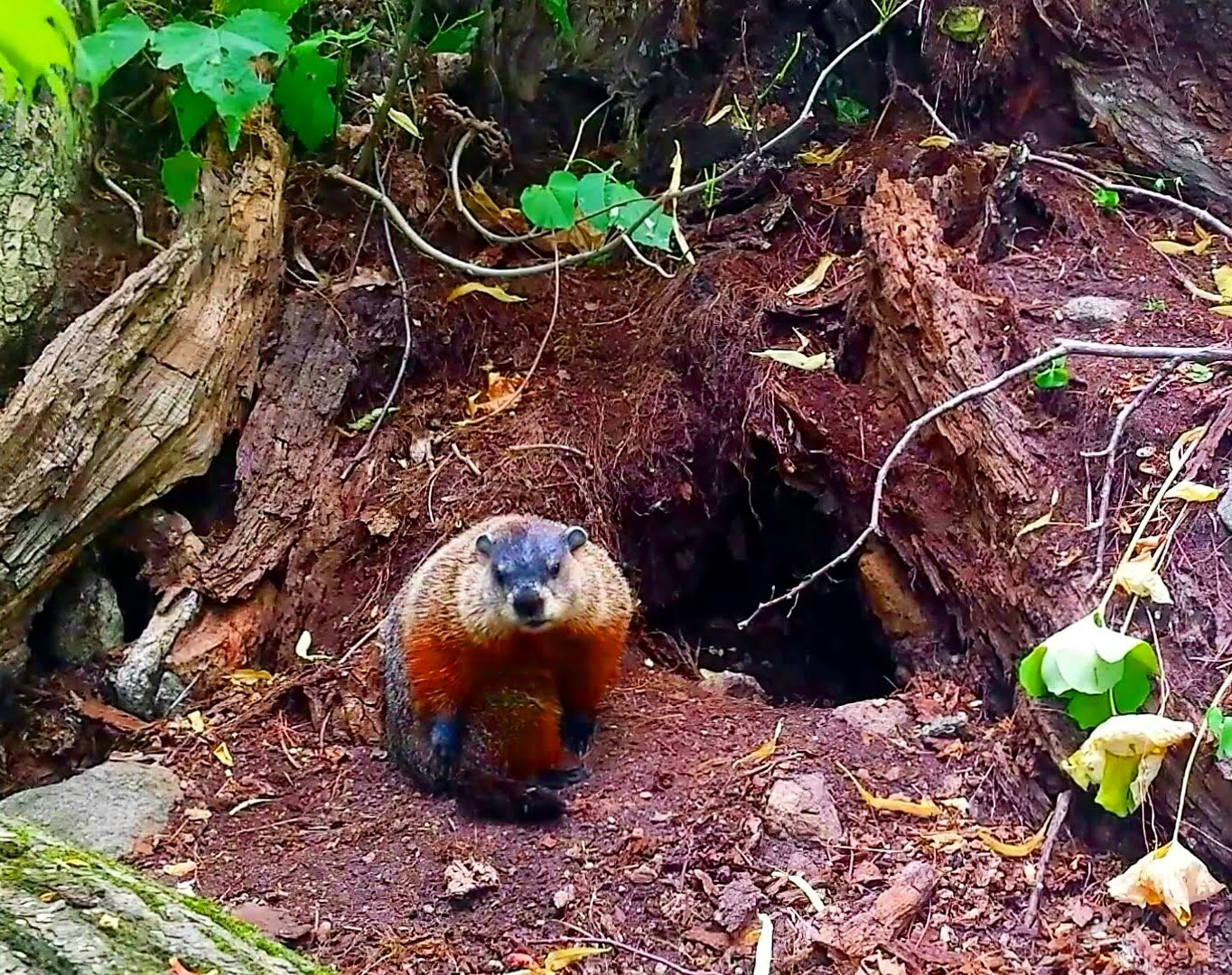
What type of symbiosis? Skunks often live in burrows that have been dug and abandoned by woodchucks.
a)
commensalism
b)
mutualism
c)
parasitism
d)
predation
5.
Which symbols best describe parasitism?
a)
+,+
b)
+,-
c)
+,0
d)
-,0
6.
A relationship between two organisms in which both organisms benefit.
a)
Mutualism
b)
Competition
c)
Parasitsm
d)
Commensalism
7.
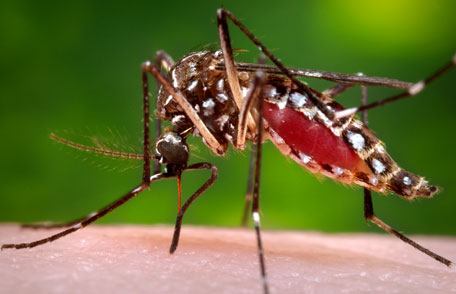
When a mosquito bites you, you are the __________ and the mosquito is the ____________.
a)
host, hostess
b)
parasite, host
c)
host, parasite
d)
prey, predator
8.
Which symbols best describe mutualism?
a)
+,+
b)
+,-
c)
+,0
d)
-,0
9.
Which symbols best describe commensalism?
a)
+,+
b)
+,-
c)
+,0
d)
0,0
10.
A tick and a dog have this type of relationship.
a)
mutualism
b)
commensalism
c)
neutralism
d)
parasitism
11.
An organism that hunts and feeds on another organism is a ______________________.
a)
prey
b)
producer
c)
predator
d)
decomposer
12.
An animal that is hunted as food
a)
prey
b)
predator
c)
decomposer
d)
producer
13.
An inherited trait that helps those organisms that have it to survive
a)
niche
b)
structure
c)
characteristic
d)
adaptation
14.

Coloring or another physical characteristic that help an organism blend in with its environment
a)
mimicry
b)
camouflage
c)
hibernation
d)
migration
15.
How do adaptations help animals?
a)
To hide from predators
b)
to hunt for food
c)
to survive in their habitats
d)
All of these are correct
16.
Which adaptation would NOT help a hawk catch a mouse?
a)
Hollow Bones
b)
Good eye sight
c)
Talons
d)
Camouflage
17.

Which feature of a rose helps it grow without being eaten by large animals?
a)
flowers with bright colors
b)
sharp thorns
c)
small seeds
d)
deep roots
18.

Which feature helps an animal hide from other animals?
a)
looking like a dangerous animal
b)
being the same color as the place it lives (camoflauge)
c)
having sharp claws or a strong shel
d)
having only a few young and caring for them
19.
How do adaptations help animals?
a)
To escape animals
b)
to hunt for food
c)
to survive in their habitats
d)
All of these are correct
20.

In this tundra food web, if grasses were removed what would happen to the sustainability of the ecosystem?
a)
There would be an overpopulation of arctic hares and lemmings.
b)
Polar bears would move to a new ecosystem.
c)
The ecosystem would collapse, because it lost its main producer.
d)
Wildflowers would die out from the ecosystem.
21.
All food chains and food webs begin with the ____, since this is the source of energy for producers.
a)
plants
b)
smallest organisms
c)
Sun
d)
food
22.

What is this called?
a)
Food Web
b)
Food Chain
c)
Abiotic Factors
d)
Biotic Factors
23.

In the energy pyramid below, which organism has the least amount of energy available?
a)
Producers
b)
Herbivores
c)
Carnivores
d)
Top Predator
24.
What is a example of a abiotic factor?
a)
Panda
b)
Turtle
c)
Butterfly
d)
weather
25.
Temperature, light, air, water, and soil are all _____ parts of the environment
a)
alive
b)
biotic
c)
abiotic
d)
living
26.
The struggle between organisms to survive as they attempt to use the same resource
a)
Predator
b)
Prey
c)
Competition
d)
Adaptation
27.

What role does the mouse play?
a)
Predator
b)
Prey
28.

What role does the lynx (wild cat) play?
a)
Predator
b)
Prey
29.
The parts of an ecosystem that are currently living or that have once lived.
a)
Biotic Factor
b)
Abiotic Factor
c)
Species
d)
Biome
30.
The factors in an ecoysystem that have never had the ability to live.
a)
Biotic Factor
b)
Abiotic Factor
c)
Biome
d)
Community
100 %

