
 Worksheets
Introduction to Islam
Total questions: 58
Worksheet time: 50mins

How many times a day do (or should) Muslims pray?
5
4
2

Which of the following is NOT one of the Five Pillars of Islam?
There is no god but God.
A pilgrimage to Mecca must be made.
Fasting must be done every day.
Donate to charity for the poor

A month during which Muslims fast (do not eat) during daylight hours.
Ramadan
Christmas
Kwanzaa
Hanukkah

Islam is _____.
Polytheistic
Atheistic
Monotheistic

The holy book of Islam is
Torah
Talmud
Quran
Bible

Islam teaches that...
Muhammad is the only prophet ever.
Jesus is the one and only son of God.
Jesus was a prophet of God, but NOT the son of God.

The name for "God" in the Arabic language is ___.
Yahweh
Allah
Quran
Where did Islam originate?
on the Arabian peninsula
in Europe
Israel
Mesopotamia

This is an example of the...
Roman alphabet
Arabic alphabet
Phoenician alphabet

Who is the founder of Islam?
Muhammad
Moses
Martin Luther

Muslims say Jesus was a prophet, but not the crucified, resurrected Son of God.
True
False

In the month of Ramadan, Muslims must:
help the poor
take a pilgrimage to Mecca
not eat from sunrise to sunset

One requirement of Muslims is to make at least one pilgrimage to:
Medina
Mt Arafat
Baghdad
Mecca

A building where Islamic people gather for prayer.
mosque
temple
church
tent

Decorative artistic writing – Arabic writing as art
mosque
calligraphy
drawing
caliph

A group of traders who travel together across the deserts of Arabia.
nomad
minivan
caravan
nomanism
The hot, dry deserts of Arabia were difficult to cross without this animal.
camel
horse
ox
goat

When did Christian and Muslim history begin on this timeline?
Letter A
Letter B

Muslims believe in a "paradise" for believers after death, similar to Christians.
True
False


"There is no god but God, and Muhammad is the messenger of God."
shahadah, or statement of faith
hajj, or pilgrimage
yom kippur
eid al-fitr

Some Islamic women wear a headcovering called a ___ that leaves the face exposed.
hijab
kippah
burka

Orthodox and Protestant

For a time, Muslims conquered & controlled Spain
True
False

Islam spread into Africa, Asia, and Europe.
True
False

Trade pushed Islam far beyond its beginnings in Arabia
True
False

An event in Islamic history is so important it marks year 1 in the Islamic calendar. What event?
The birth of Jesus
The Islamic empire fell
Muhammed and his followers were forced out of Mecca in 622 AD
A split occurred in Islam after Muhammad's death because of disagreement over...
Islam's next leader after Muhammad's death
Prayer in Arabic language
Pilgrimage to Mecca, also known as Hajj
One of the Five Pillars of Faith is give money to the ________.
descendants of Muhammad
poor
true believers
If someone is practicing the Pillars of Islam described in the Qur'an, he or she would __________ five times a day.
avoid eating large meals
read sections of the Qur'an
pray towards the city of Mecca
state their belief in Allah and Muhammad
Muhammad believed and taught that he was
the son of God.
a god.
an angel.
a messenger of God.
What geographic feature made Mecca a wealthy city?
sheltered harbor
deep mountain forests
location on trade routes
oasis water for agriculture

Which of the following is a true statement about Islam?
Muslims worship Allah.
Muslims worship the Qur’an.
Muslims worship many gods.
Muslims worship Muhammad.

Why is the city of Mecca important in Muslim tradition?
Most Muslims today live there.
It was the birthplace of Muhammad.
It was the capital of the Umayyad Empire.
Muhammad moved there with his followers in the 6th century.
How would you describe the geography of Arabia?
Densely forested
Lush with vegetation (has a lot of plants)
Dry and mostly desert
Snowy and cold
A follower of the Islamic faith is called:
Jewish
Muslim
Catholic
Christian
Where do Muslims travel for the Hajj?
Mecca
Internet
Medina
Jerusalem

What is the name of the pilgrimage to Mecca during the last month of the Islamic calendar?
The March
The Crusade
The Night Journey
The Hajj

What is Hajj?
Pilgrimage to shrines
Pilgrimage to monasteries
Pilgrimage to Mecca (Saudi Arabia)
Family get-together

How many times must Muslims perform Hajj (the pilgrimage to Mecca) in their lifetime?
Every year
Once a month
Once in their lifetime
At least 3 times
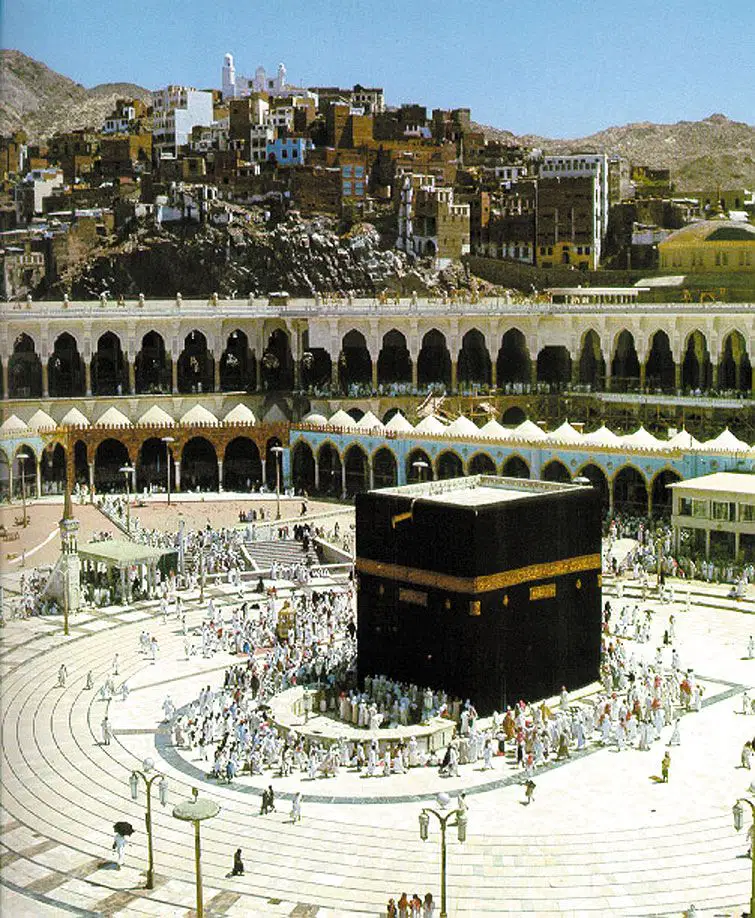
In which direction do Muslims face when performing prayers?
Towards Jerusalem
Towards Mecca
Towards Medina
Towards Cairo
Muslims believe in _________ and that ________ is His prophet.
One God; Muhammad
Many Gods; Shiva
One God; Jesus
Many Gods; Zeus

What is the name of this tall architectural tower found in mosques?
Mosque
Synagogue
Kaaba
Minaret

From which civilization did Arabic scholars borrow the numerals shown?
Greece
Persia
India
Byzantine


Which Islamic invention used for navigation at sea is shown?
Astrolabe
the Sail
Calligraphy

What Islamic achievement is shown in the image?
Hospital and Medicine
Literature
Mapmaking and Navigation
Textiles and Architecture

Most Muslim women and girls (past the age of 10 or 11) must cover their heads with something known as a
hajj
hijab
bonnet
What TWO impacts did Muslims have on the advancement of medicine?
2 !
They used the magical healing powers of GOD
Advancement of surgical techniques & new disease treatments
Establishment of the first public hospital and a pharmacy school
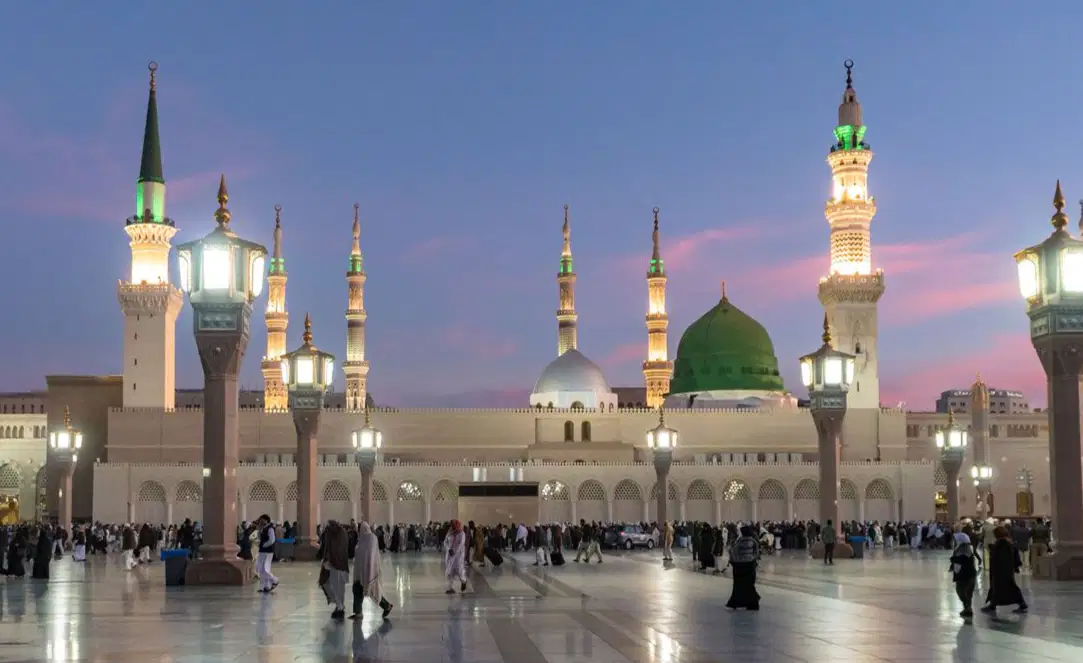
Which of the following was NOT a Muslim contribution to math?
Arabic Numerals
1 2 3 4 5 6 7 8 9 0
Algebra
2 + x = 4
x = 2
the number Zero
What THREE older cultures influenced Muslims' mathematical knowledge?
3 !!!
Romans
Greece

Minarets and mosques were examples of Muslim ______
architecture
schools
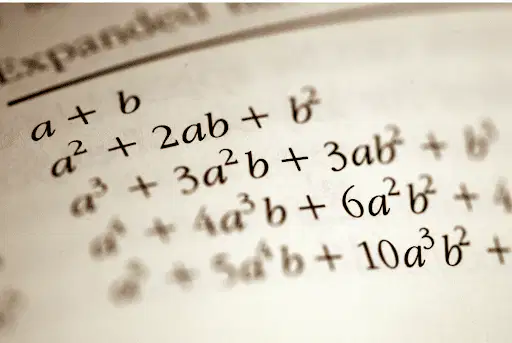
Al-Khwarizmi is an Arab mathematician that created...
Roman numerals
Algebra
Geometry
Calculus

Arab scholars used the astrolabe
to build palaces
to translate ancient writings
to figure out their location on earth
to develop a new type of math
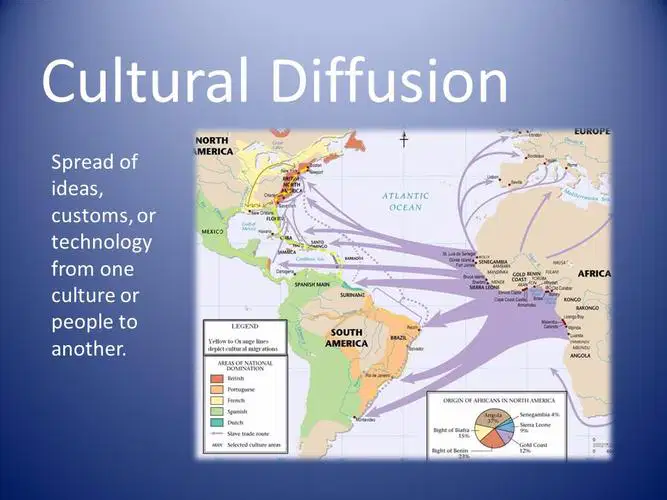
What is cultural diffusion?
spreading something when you trade
spreading ideas, beliefs, languages, diseases to another culture
people giving other people stuff
when you trade, travel or have war somewhere

