
 Worksheets
Ecosystem Vocab Quiz-1
Total questions: 39
Worksheet time: 31mins
Name
Class
Date
1.

A (An) __________ includes all living and non-living things in an environment.
a)
population
b)
community
c)
niche
d)
ecosystem
2.

Something that limits the size of a population.
a)
maxfactor
b)
ecosystems
c)
interdependence
d)
limiting factor
3.

Which is a biotic factor?
a)
sunlight
b)
air
c)
bacteria
d)
all of the above
4.
Which is an abiotic factor?
a)
bacteria
b)
lichen
c)
nutrients from soil
d)
humans
5.
If there is more food than usual in an ecosystem, then the population will mostly likely...
a)
stay the same
b)
decrease
c)
increase
6.

In a forest ecosystem, which of the following is the best example of a limiting factor for a rabbit population?
a)
Squirrel Population
b)
Sunlight
c)
Grass available
d)
Water available
7.
A population a group of individuals of _______________ species living in the same place at _______________ time
a)
different / the same
b)
the same / the same
c)
the same / a different
d)
different / a different
8.
When 2 or more populations use the same resource, such as the same food source, we say there is __________________.
a)
competition
b)
fighting
c)
completion
d)
cannabalism
9.
A(n)_________ is the interaction of all living organisms in their habitat.
a)
Ecosystem
b)
Community
c)
Niche
d)
Biome
10.
A niche is the position of an organism in a community and the role it plays.
a)
True
b)
False
11.

An organism that gets its energy directly from the sun.
a)
moss
b)
mushroom
c)
earthworm
d)
iguana
12.
An animal that gets its energy from eating other animals is a ________.
a)
autotroph
b)
Decomposer
c)
producer
d)
Consumer
13.

An organism that recycles materials in an ecosystem by breaking down dead plants and animals is called a ____________?
a)
carnivore
b)
decomposer
c)
herbivore
d)
omnivore
14.

_________ describe the transfer of energy and materials from one organism to the other.
a)
Food network
b)
Food chains
c)
Interdependence
d)
Carrying capacity
15.
Any living thing that can range in size from one cell to trillions of cells is an_________.
a)
entity
b)
animal
c)
bacteria
d)
organism
16.
The NUMBER of individuals in a certain population.
a)
Population
b)
Limiting Factors
c)
Natural Selection
d)
Population Density
17.
The largest number of organisms that the environment can support.
a)
Carrying Capacity
b)
Limiting Factor
18.
What happens when an environment reaches its carrying capacity?
a)
Populations will decrease
b)
Resources such as food, water, and space will be unlimited
c)
Populations will increase
d)
Nothing, everything will stay the same.
19.
A region of the world with a similar climate that can have many ecosystems is called an_______.
a)
Biome
b)
Ecosystem
c)
Population
d)
Community
20.

All the organisms of the same species living in a specific area is called a _____________.
a)
Niche
b)
Group
c)
Population
d)
Community
21.
The dependence of every organism on its connections with other living and non-living parts of its environment is called__________.
a)
Interdependence
b)
Resource availability
c)
Biodiversity
22.
To protect or restore an ecosystem is to __________ it.
a)
use
b)
share
c)
conserve
d)
help
23.
___________ is the variation or differences of life, both at the individual level and the ecosystem level.
a)
Community
b)
Differences
c)
Biodiversity
d)
Biological process
24.
___________ are anything on earth or in earth's atmosphere that is necessary or helpful for living organisms.
a)
Energies
b)
Sources
c)
Biotic factors
d)
Resources
25.
A close and long-term biological interaction between two different organisms is described as a ___________ relationship.
a)
mutualistic
b)
symbiotic
c)
parasitic
26.
A relationship between two organisms in which both organisms benefit.
a)
Mutualism
b)
Competition
c)
Parasitsm
d)
Commensalism
27.
A relationship between two organisms in which one organism benefits and the other is unharmed
a)
Mutualism
b)
Competition
c)
Parasitsm
d)
Commensalism
28.
A relationship between two species where one benefits while the other is harmed.
a)
Mutualism
b)
Commensalism
c)
Parasitism
d)
Naturalism
29.

What are the organisms that break down dead stuff?
a)
Producers
b)
Consumers
c)
Decomposers
d)
Organisms
30.

What is the role of a producer?
a)
Use sunlight to make food
b)
Gain energy from eating other organisms
c)
Keep other species from overpopulating
d)
Breaking down dead stuff
31.

Which type of consumer eats plants only?
a)
Herbivores
b)
Omnivores
c)
Carnivores
d)
Scavengers
32.

Which type of consumer eats meat only?
a)
Producers
b)
Herbivores
c)
Carnivores
d)
Omnivores
33.

Which type of consumer eats meat and plants?
a)
Herbivores
b)
Carnivores
c)
Omnivores
d)
Plants
34.
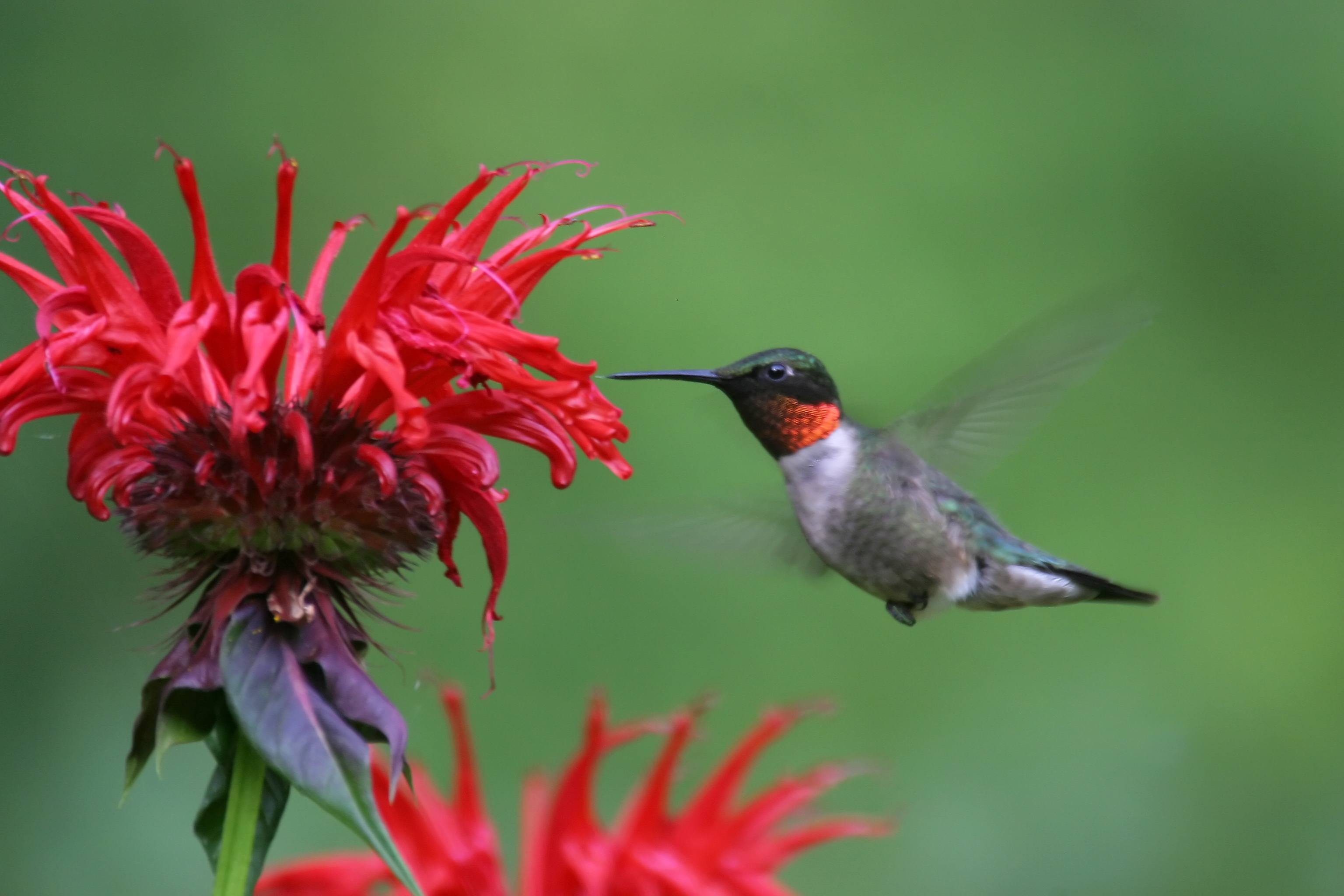
What type of symbiosis? Hummingbirds feed on nectar from flowers. The flowers are pollinated by hummingbirds as they move from flower to flower.
a)
commensalism
b)
mutualism
c)
parasitism
d)
predation
35.
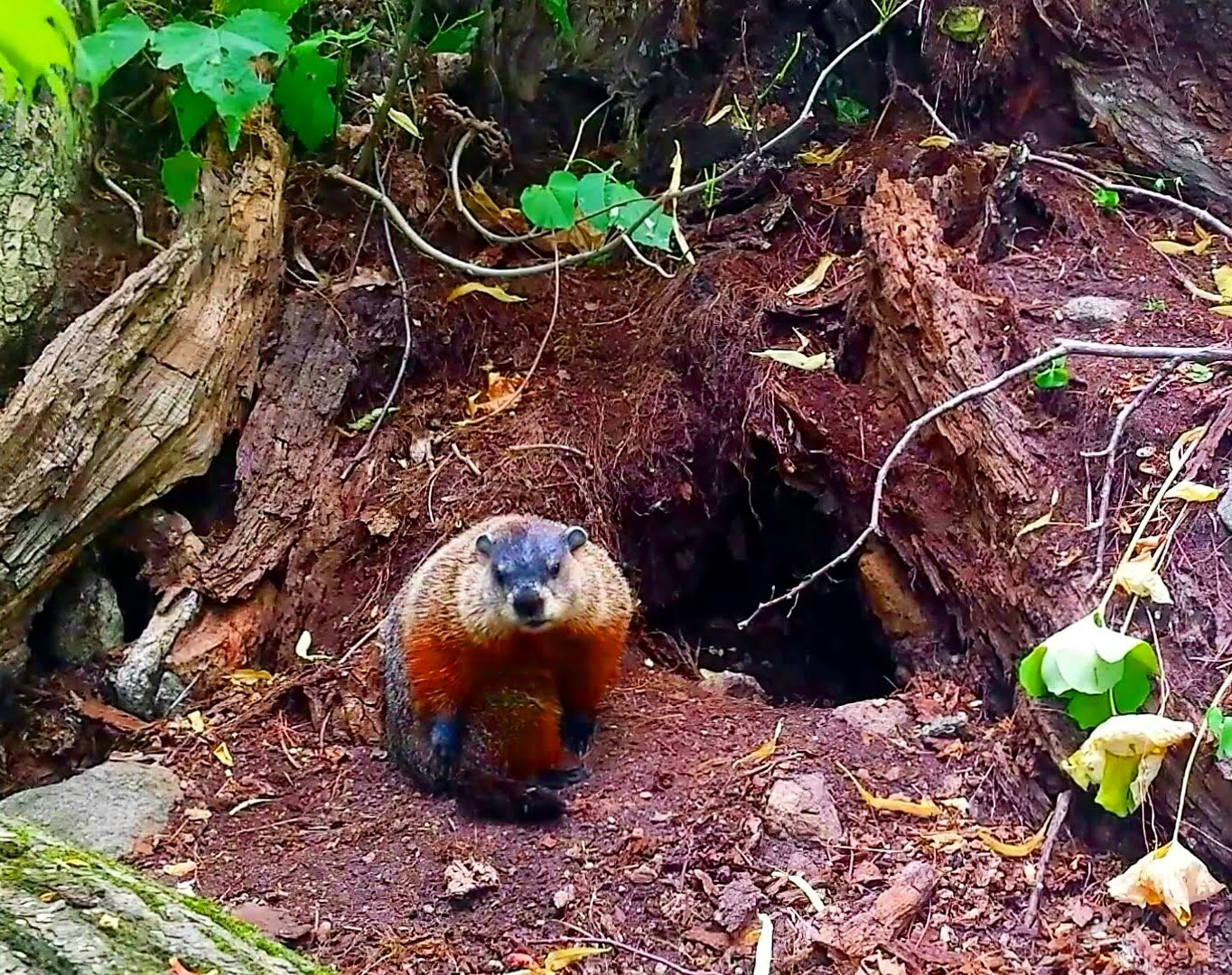
What type of symbiosis? Skunks often live in burrows that have been dug and abandoned by woodchucks.
a)
commensalism
b)
mutualism
c)
parasitism
d)
predation
36.
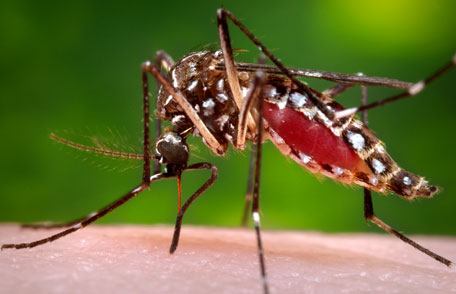
When a mosquito bites you, you are the __________ and the mosquito is the ____________.
a)
host, hostess
b)
parasite, host
c)
host, parasite
d)
prey, predator
37.

Aphids are tiny insects that live on and eat the leaves of plants, removing vital nutrients from the plants.
a)
Predation
b)
Parasitism
c)
Commensalism
d)
Mutualism
38.

Cattle egrets forage (feed) in fields among cattle. The egret gets easy access to flying insects stirred up by the cattle, and the cattle don't care if they are there or not.
a)
mutualism
b)
commensalism
c)
competition
d)
parasitism
39.

Hermit crabs live in shells made and then abandoned by snails. This relationship neither helps nor harms the snails.
a)
parasitism
b)
commensalism
c)
mutualism
100 %

