
 Worksheets
Semester 1 Review
Total questions: 32
Worksheet time: 22mins
Name
Class
Date
1.
A possible explanation to a problem that has not yet been tested.
a)
data
b)
theory
c)
hypothesis
d)
fact
2.
This variable in an experiment is the one being deliberately changed by the scientist.
a)
dependent variable
b)
independent variable
c)
data
d)
control group
3.
The summary at the end of an experiment that explains the results.
a)
conclusion
b)
procedures
c)
materials
d)
responding variable
4.
In a controlled experiment, how many variables can be worked with at a time?
a)
one
b)
none
c)
two or more
d)
how ever many makes sense.
5.
When experimenting with the growth of a plant, a scientist uses three (of the same type of) plants, two different fertilizers, equal light, and equal water. What type of variable is the fertilizer?
a)
Dependent
b)
Independent
c)
Control
d)
Compound
6.

Is this substance acidic, basic, or neutral?
a)
Acidic
b)
Basic
c)
Neutral
7.

Is this substance acidic, basic, or neutral?
a)
Acidic
b)
Basic
c)
Neutral
8.
The pH scale is a range from:
a)
1-7
b)
0-14
c)
1-14
d)
1-20
9.
Ammonia has a pH of 12. Ammonia is __________.
a)
an acid
b)
a base
c)
an element
d)
a metal
10.
When dissolved in water, acids produce:
a)
bases
b)
salts
c)
hydrogen ions
d)
hydroxide ions
11.

In an exothermic reaction, heat is ...
a)
taken in or absorbed
b)
given out or released
12.
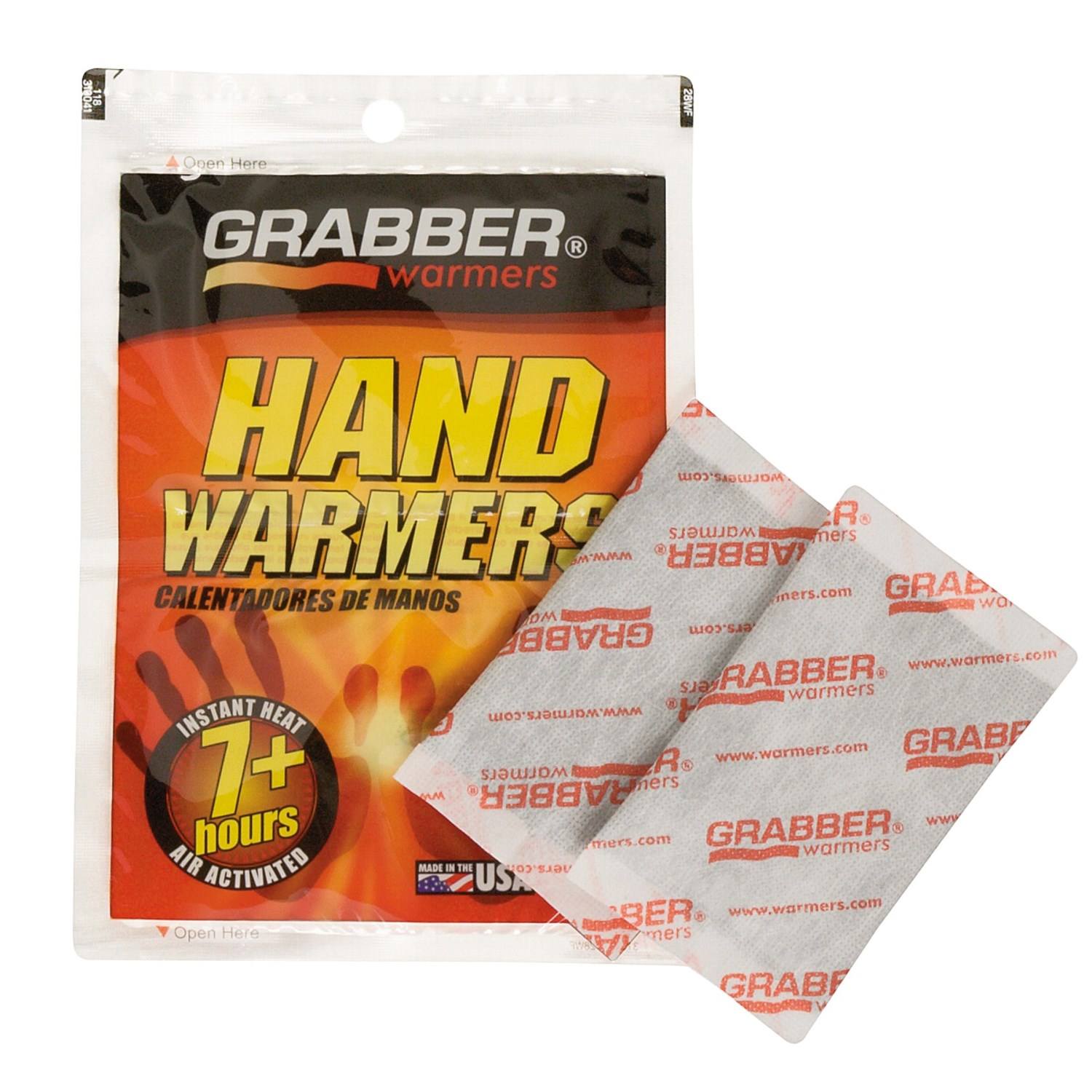
What type of reaction occurs in a hand warmer
a)
exothermic
b)
endothermic
13.

Baking bread and cooking an egg are examples of....?
a)
Endothermic processes
b)
Exothermic processess
c)
None of these
14.
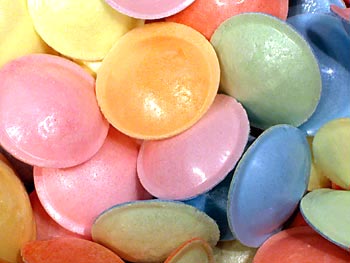
Have you ever eaten sherbet sweets candy? They fizz in your mouth and your tongue feels cold. Why do you think that is?
a)
It is an exothermic reaction
b)
It is an endothermic reaction
c)
It is made of ice
d)
It is dissolving your mouth
15.
The part of the earth that includes the crust and the upper mantle and is split into tectonic plates is the
a)
lithosphere
b)
crust
c)
asthenosphere
d)
mantle
16.
The hottest layer of the Earth
a)
crust
b)
inner core
c)
mantle
d)
outer core
17.
The coolest layer of the Earth
a)
crust
b)
inner core
c)
mantle
d)
outer core
18.
The thinnest layer of the Earth
a)
crust
b)
inner core
c)
mantle
d)
outer core
19.
The thickest layer of the Earth
a)
crust
b)
inner core
c)
mantle
d)
outer core
20.
Supporting Evidence: fossils, continent shape, landforms
a)
Continental Drift
b)
Seafloor Spreading
c)
Plate Tectonics
21.
Particles in an atom that are neutral and have no charge are
a)
negatrons
b)
electrons
c)
neutrons
d)
protons
22.
The positive particles of an atom are
a)
electrons
b)
positrons
c)
neutrons
d)
protons
23.
Helium, neon, argon, krypton, xenon, and radon are known as _____________.
a)
halogens
b)
noble gases
c)
metalloids
d)
transition elements
24.

What is the atomic mass of "F"
a)
9
b)
18
c)
17
d)
19
25.
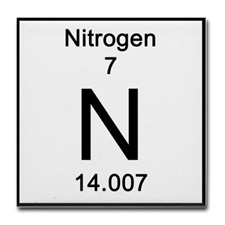
What is the number of protons that the element in this image contain?
a)
14
b)
7
c)
15
d)
18
26.
The subatomic particle with a negative charge is the
a)
electron
b)
proton
c)
neutron
d)
nucleus
27.
What two things are found in the central nervous system?
a)
brain/spinal cord
b)
spinal cord/motor neurons
c)
motor/sensory neurons
d)
only brain
28.

Identify the lobe of the brain that is highlighted.
a)
frontal
b)
temporal
c)
occipital
d)
parietal
29.
What is NOT part of the peripheral nervous system (PNS)?
a)
axons
b)
sensory receptors
c)
spinal cord
d)
motor neurons
30.
What type of sampling? A journalist asks his family how they feel about water pollution.
a)
Random sample
b)
Convenience sample
c)
Stratified Random sample
d)
Census
31.
What type of sampling? Calling randomly generated telephone numbers, a study asked 1001 US adults which medical conditions could be prevented by their diet.
a)
Random sample
b)
Convenience sample
c)
Stratified Random sample
d)
Census
32.
The experiment is conducted by the Researcher in a Controlled Environment
a)
Lab Experiment
b)
Field Experiment
c)
Quasi Experiment
d)
Natural Experiment
100 %

