
 Worksheets
Physical and Chemical Changes
Total questions: 60
Worksheet time: 1hrs 1mins
Name
Class
Date
1.
Which is a physical change?
a)
burning match
b)
vinegar in baking soda
c)
melting butter
d)
cooking an egg
2.
Which is a Chemical property?
a)
Thermal Conductivity
b)
Density
c)
Malleability
d)
Flammability
3.
Is hammering wood together to build a house a chemical or physical change?
a)
chemical
b)
physical
4.
Is melting butter for popcorn a chemical or physical change?
a)
chemical
b)
physical
5.
Is bleaching your hair a physical or chemical change?
a)
physical
b)
chemical
6.

Is burning wood a chemical or physical change?
a)
chemical
b)
physical
7.
A change in the size, shape, or state of matter.
a)
chemical change
b)
physical change
c)
chemical reaction
d)
electron change
8.
Which of the following is NOT an example of a physical change?
a)
crumpled paper
b)
pencil sharpening
c)
shrunken clothing
d)
sour milk
9.
Kim puts an ice cube in a beaker and it melts. This is a good example of:
a)
a physical change.
b)
a chemical change.
c)
an experiment.
d)
an analysis.
10.
When you break a cracker into pieces it is a
a)
Chemical change
b)
Physical change
c)
Chemical Weathering
d)
Physical Weathering
11.
Adding baking soda and vinegar together and it fizzes and creates carbon dioxide.
a)
Chemical
b)
Physical
12.
What is an example of a Chemical change?
a)
Ripped paper
b)
boiled egg
c)
cracked egg
d)
sugar in water
13.
Which is a physical change?
a)
burning match
b)
vinegar in baking soda
c)
melting butter
d)
cooking an egg
14.
Which is a Chemical property?
a)
Thermal Conductivity
b)
Density
c)
Malleability
d)
Flammability
15.
Liv lit a match and said it was a physical change. Is she correct?
a)
Yes
b)
No
c)
I dunno...
d)
...
16.
Jayden asked Gabe what she could do to an egg for a chemical change. Gabe answered correctly and said...
a)
You can drop the egg.
b)
You can cook the egg.
c)
You can crack the egg.
d)
You can paint the egg.
17.
Which of the following properties is a physical property?
a)
magnetism
b)
reactivity with oxygen
c)
flammability
d)
non-reactive
18.
Which of the following is NOT a physical property?
a)
breaking a window
b)
color
c)
denisty
d)
freezing point
19.
Which is a chemical change?
a)
freezing fruit juice
b)
slicing a potato
c)
boiling water
d)
copper metal turning green
20.
Which of the following does the discoloration of a coin describe?
a)
Chemical Change
b)
Physical Change
c)
None of the above
d)
Both
21.
what is the definition of chemical change?
a)
any change that results in the formation of new chemical substances.
b)
changing clothes
c)
matter cannot be created or destroyed, only change form
d)
changes affecting the form of a chemical substance, but not its chemical composition.
22.
which one is the definition of chemical property?
a)
a property or characteristic of a substance that is observed during a reaction where the chemical composition of a substance is changed
b)
any change that results in the formation of new chemical substances
c)
combustibility
23.
what is the definition of physical change?
a)
any change that results in the formation of new chemical substances.
b)
rusting
c)
changes affecting the form of a chemical substance, but not its chemical composition.
d)
any property that is measurable, whose value describes a state of a physical system
24.
what is burning?
a)
physical change
b)
physical property
c)
chemical change
d)
chemical property
25.
which one is a chemical property?
a)
odor
b)
combustibility
c)
solubility
d)
all of the above
26.
what is digestion?
a)
body function
b)
chemical change
c)
physical change
27.
One cup of water is left outside for two days when it was checked there was only half a cup left. What happened?
a)
evaporation; chemical change
b)
condensation; physical change
c)
evaporation; physical change
d)
condensation; chemical change
28.
Boiling is a chemical change
a)
true
b)
false
29.
Dissolving sugar in water is an example of a
a)
physical change
b)
chemical change
30.
The burning of coal is an example of a
a)
chemical change
b)
physical change
31.
Using a balance to measure mass is an example of
a)
chemical change
b)
physical change
32.
Cutting a log in to small pieces is a chemical change.
a)
true
b)
false
33.
Which is a physical change?
a)
melting ice
b)
burning wood
c)
rotting food
d)
rusting iron
34.
Which is a physical change?
a)
digesting food
b)
burning natural gas
c)
exploding firework
d)
chopping onions
35.
Which is a chemical change?
a)
freezing fruit juice
b)
slicing a potato
c)
boiling water
d)
copper metal turning green
36.
The melting of wax is an example of a
a)
chemical change
b)
physical change
37.
Rusting piece of metal is an example of a chemical change.
a)
true
b)
false
38.
Which is an example of a chemical reaction?
a)
paper cut into small pieces
b)
chocolate melting in a pan
c)
flour and sugar mixed in a bowl
d)
cookies baking in an oven
39.
KMnO4
How many atoms of manganese (Mn) are in this compound?
How many atoms of manganese (Mn) are in this compound?
a)
1
b)
2
c)
5
d)
6
40.
KMnO4
How many atoms of potassium (K) are in this compound?
How many atoms of potassium (K) are in this compound?
a)
1
b)
2
c)
6
d)
8
41.
KMnO4
How many total atoms are in this compound?
How many total atoms are in this compound?
a)
1
b)
3
c)
6
d)
8
42.
KMnO4
How many atoms of oxygen are in this molecule?
How many atoms of oxygen are in this molecule?
a)
1
b)
2
c)
4
d)
6
43.
What causes a chemical reaction when you prepare scrambled eggs?
a)
cracking the eggs in a pan
b)
heating the eggs in a pan
c)
putting pepper on the eggs
d)
putting the eggs on a plate
44.
Which is an example of a chemical reaction?
a)
paper cut into small pieces
b)
chocolate melting in a pan
c)
flour and sugar mixed in a bowl
d)
cookies baking in an oven
45.
Changes in which new substances are formed are called
a)
physical changes
b)
chemical changes
46.
What kind of properties result in the substance changing into a new substance?
a)
Liquid Properties
b)
Physical Properties
c)
Chemical Properties
d)
Real Properties
47.
Which of the following tells you that a chemical change has occurred?
a)
Change Shape
b)
Melting
c)
Vaporizing
d)
Change in color
48.
What happens in ALL chemical changes?
a)
Change in state of matter
b)
A new substance is formed
c)
Bubbles are produced
d)
An explosion
49.
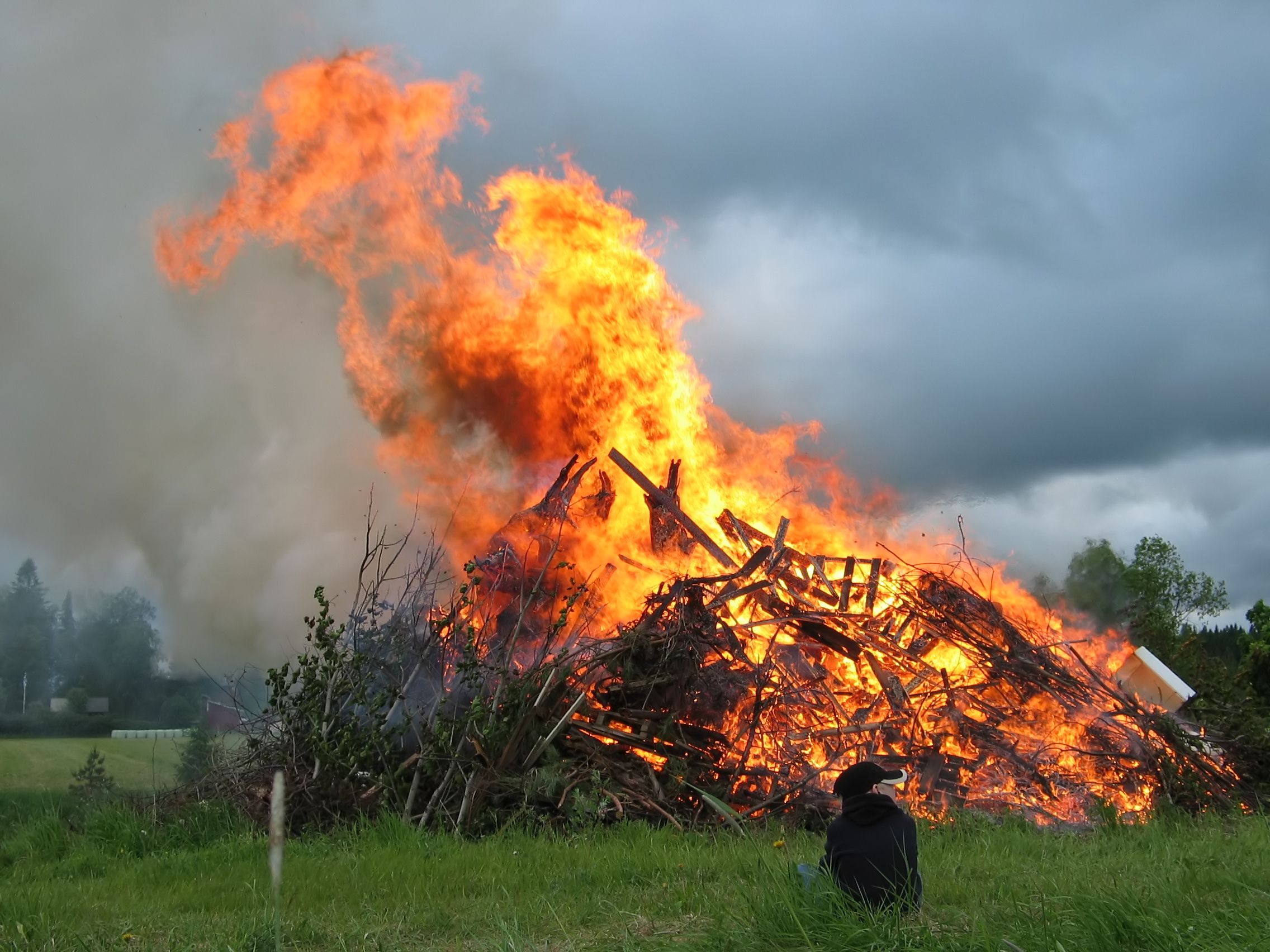
Is wood burning a physical or chemical change?
a)
Physical
b)
Chemical
50.
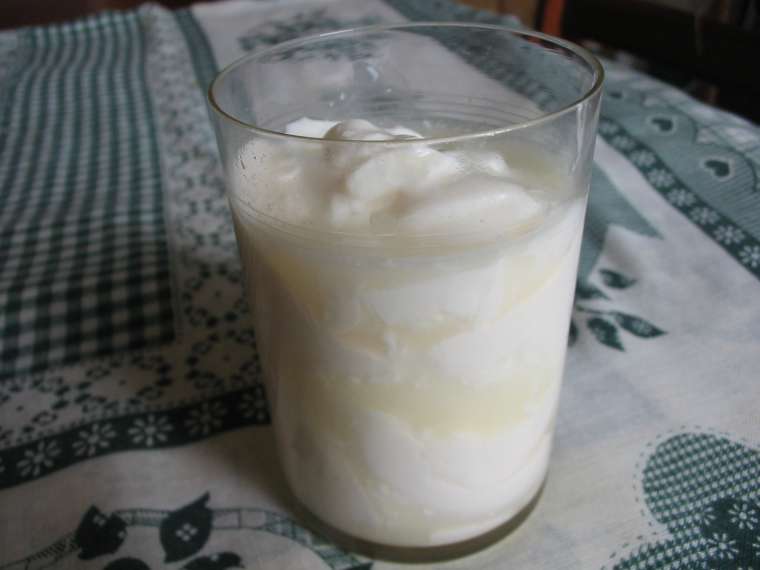
Is milk going sour a physical or chemical change?
a)
Physical
b)
Chemical
51.

Is gatorade powder dissolving in water physical or chemical change?
a)
Physical
b)
Chemical
52.

Is mold growing on cheese a physical or chemical change?
a)
Physical
b)
Chemical
53.

Is making orange juice a physical or chemical change?
a)
Physical
b)
Chemical
54.

Is sharpening a pencil a physical or chemical change?
a)
Physical
b)
Chemical
55.

Is copper tarnishing a physical or chemical change?
a)
Physical
b)
Chemical
56.

Is the formation of the grand canyon a physical or chemical change?
a)
Physical
b)
Chemical
57.
In an exothermic reaction, energy is _________.
a)
Released
b)
Absorbed
c)
Stored
d)
Doubled
58.
The Law of Conservation of Mass tells us matter can't ______________.
a)
change color
b)
change state of matter
c)
be created or destroyed
d)
change temperature
59.
Which of the following is not a clue that a chemical reaction has taken place?
a)
Changing size
b)
Changing color
c)
A gas being formed
d)
Formation of a precipitate
60.
Which of the following IS a clue that a chemical change has occurred?
a)
State of matter change
b)
Size Change
c)
Change in temperature
d)
Shape change
100 %

