wayground logo

Free Printable Worksheets

Font size

S
M
L
XL
Worksheets

DCA #1 Review

Total questions: 52

Worksheet time: 36mins
Name
Class
Date
1.
Heredity is the passing of traits from _____________________ to _____________________
a)
predators to prey
b)
water to rain
c)
parents to offspring
d)
fungi to protists
2.
___________________________ is the study of how traits are passed on, or inherited.
a)
dominant traits
b)
ratio
c)
phenotype
d)
genetics
3.
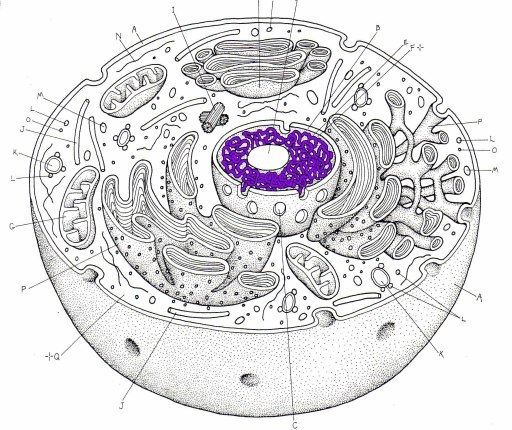
What kind of cell is this?
a)
Eukaryotic
b)
Prokaryotic
4.
What cell part is NOT found in all cells?
a)
Cell Wall
b)
Cell Membrane
c)
Cytoplasm
d)
Genetic Material
5.
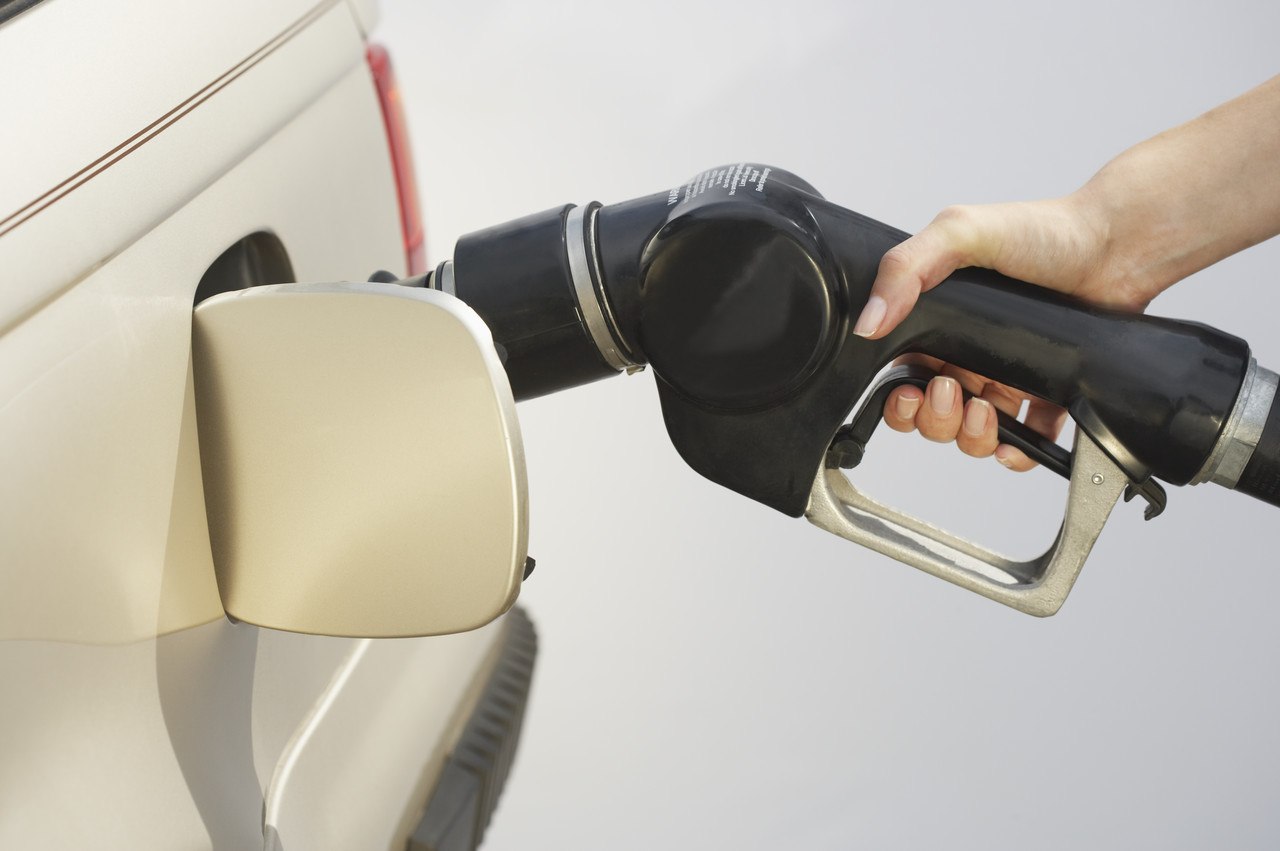
Which energy conversion is taking place when you put gasoline in a car?
a)
thermal -> electrical
b)
mechanical -> electrical
c)
chemical -> mechanical
d)
mechanical -> electromagnetic
6.
What is one way in which all living things on Earth are alike?
a)
All living things have hair.
b)
All living things are made of cells and come from other cells.
c)
The cells of all living things have chloroplast.
d)
All living things can move. 
7.
Which statement reflects one of the major components of the cell theory?
a)
All living things are multi-cellular.
b)
Organs are the basic unit of structure and function for all living things.
c)
All cells come from previously existing cells.
d)
Every organism has a reproductive system to ensure survival of the species.
8.
Which organelle is DNA usually found in?
a)
cell membrane
b)
vacuole
c)
chloroplast
d)
nucleus
9.
What does DNA stand for?
a)
Deoxyribonucleic acid
b)
Denitrogenous acid
c)
Deribonucleic acid
d)
Diribonucleic acid
10.
A human usually has _____ total chromosomes.
a)
6
b)
22
c)
4
d)
46
11.
Which organ pushes food down to the stomach?
a)
Mouth
b)
Esophagus
c)
Rectum
d)
Large intestine
12.
Which body system gets ride of solid waste?
a)
Excretory (Urinary)
b)
Digestive
c)
Circulatory
d)
Respiratory
13.
How many parents do you have in asexual reproduction?
a)
1
b)
3
c)
2
d)
4
14.
How many parents do you have in sexual reproduction
a)
1
b)
2
c)
3
d)
4
15.
Inherited traits are things that you ________________.
a)
choose
b)
learn and practice
c)
are born with
d)
eat
16.
An acquired trait is something that you _________.
a)
cannot change
b)
eat
c)
are born with
d)
learn, or practice.
17.
What is a disadvantage of sexual reproduction?
a)
It produces fewer offspring
b)
it produces more offspring
c)
It generate genetically diverse offspring
d)
It generates identical offspring
18.
What is an advantage of asexual reproduction?
a)
It produces more offspring
b)
It produces fewer offspring
c)
It requires a mate
d)
It produces identical offspring
19.
What is a disadvantage to asexual reproduction?
a)
It produces more offspring
b)
It produces fewer offspring
c)
They are all the same and do not have diversity
d)
They are all different and have diversity
20.
Which part of the cell is often called "the brain of the cell"?
a)
nuclear membrane
b)
endoplasmic reticulum
c)
nucleus
d)
mitochondria
21.
The chewing and grinding of food into smaller pieces is an example of...
a)
Mechanical Digestion
b)
Chemical Digestion
22.
How many different elements are in this chemical formula: C2H2ClK3
a)
6
b)
8
c)
2
d)
4
23.
In what organelle is the genetic material found inside?
 
a)
Endoplasmic Reticulum
b)
Golgi Complex
c)
Nucleolus
d)
Nucleus
24.
What organelle is called the "powerhouse" of a cell?

a)
Endoplasmic Reticulum
b)
Nucleus
c)
Mitochondria
d)
Nucleolus
25.
What is the function of the vacuole?
a)
Sac that stores water, nutrients, and waste products
b)
Sac filled with digestive chemicals
c)
Jelly-like substance within the plasma membrane
d)
stack of membranes that packages chemicals
26.
what type of energy is stored in a battery?
a)
electrical
b)
chemical
c)
thermal
d)
mechanical
27.
All living things are made of...
a)
atoms 
b)
cells 
c)
bacteria 
d)
plants 
28.
What type of cell is pictured?
a)
Prokaryotic
b)
Eukaryotic
c)
Plant
d)
Animal
29.
What type of cell does not have a nucleus?
a)
eukaryotic 
b)
prokaryotic 
30.

Which of the following responses is a plant growing toward or leaning toward light?

a)

thigmotrophism

b)

phototropism

c)

gravitropism

d)

hydrotropism

31.

A stimulus is______________________?

a)

a change in a organisms surrondings

b)

process in which organism grow larger

c)

the result of sexual reproduction

d)

a reaction in change of surrondings

32.

Which of the following responses is a plant growing toward or leaning toward touch?

a)

thigmotropism

b)

hydrotropism

c)

phototropism

d)

gravitropism

33.

A plants roots grow thicker towards the stream than away from the stream. To what stimulus is the plant responding to?

a)

thigmotropism

b)

gravitropism

c)

photoropism

d)

hydrotropism

34.

What term refers to a plant growing or moving away from a stimulus?

a)

Touch

b)

Dormancy

c)

Tropism

d)

Development

35.
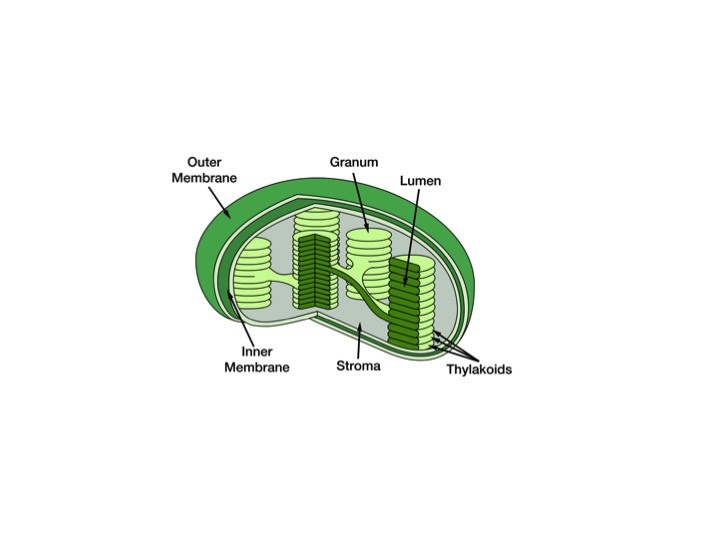
Which organelle performs PHOTOSYNTHESIS?
a)
Chloroplast
b)
Mitochondria
36.
Which of the following is the correct equation for PHOTOSYNTHESIS?
a)
CO+ light + H2O --> O+ Sugar
b)
CO+ sugar + H2O --> O+ light
c)
O2 + light + H2O --> CO+ Sugar
d)
CO+ O2 + H2O --> Light+ Sugar
37.
What is the ultimate ORIGINAL source of energy for living things
a)
Sugar
b)
Sun
c)
Moon
d)
Carbon Dioxide
38.
Which organisms perform Photosynthesis?
a)
Only Autotrophs
b)
Only Heterotrophs
c)
Autotrophs and Heterotrophs
39.
Which of the following is an example of a HETEROTROPH?
a)
Grass
b)
Algae
c)
Lemon Tree
d)
Bear
40.
Which gas is removed from the atmosphere during photosynthesis?
a)
hydrogen
b)
oxygen
c)
nitrogen
d)
carbon dioxide
41.
What is photosynthesis?
a)
The process in which humans eat their food
b)
When a photographer takes a photo.
c)
To get your pictures from the photo lab.
d)
The process in which plants make their food.
42.
Chloroplasts are...
a)
Structures of animal cells to produce ATP
b)
Organelles where lipids are elaborated
c)
Specialized structures of plants where food is made
d)
Waste organelle of plants
43.
Which organelle from the plant cell is primarily responsible for converting sunlight to energy?
a)
Mitochonria
b)
Nucleus
c)
Vacuole
d)
Chloroplast
44.
What process is the diagram representing?
a)
Photosynthesis
b)
Soil development
c)
Plant reproduction
d)
Nitrogen Cycle
Nitrogen cycle
45.

This system carries food, gases and wastes throughout the body

a)

circulatory system

b)

respiratory system

c)

nervous system

46.
This system allows the body to take in oxygen and excrete, or get rid of waste gases.
a)
Nervous System
b)
Muscular System
c)
Respiratory System
47.
This system protects the body's organs, provides support for the body.
a)
Nervous System
b)
Skeletal System
c)
Respiratory System
48.
This system is responsible for getting food into the body, getting solid waste out of the body, and breaking food down into usable parts.
a)
Nervous System
b)
Digestive System
c)
Muscular System
49.
This system includes the mouth, stomach, liver, tongue, esophagus, stomach, small intestines and large intestines.
a)
Nervous System
b)
Digestive System
c)
Muscular System
50.
This system helps the body respond to signals and information from both inside and outside the body.
a)
Nervous System
b)
Muscular System
c)
Skeletal System
51.
___________ are the building blocks of life.
a)
cells
b)
legos
c)
blocks
d)
blood
52.
Which of the following is the correct order of organization in living things from most basic (simple) to most complex?
a)
a.  Organism, cell, tissue, organ, organ system
b)
a.  Organ system, organ, tissue, cell, organism
c)
a.  Cell, tissue, organ, organ system, organism
d)
a.  Cell, organ, tissue, organ, organism, organ system