
 Worksheets
Unit 2 Review: Nature of Matter
Total questions: 41
Worksheet time: 2hrs 58mins
Name
Class
Date
1.
The amount of space an object takes up is its
a)
mass
b)
volume
c)
density
d)
weight
2.
How much mass is in a certain amount of volume is its
a)
mass
b)
volume
c)
density
d)
weight
3.
Mass is measured with what units?
a)
grams (g)
b)
centimeters (cm)
c)
milliliters (mL)
d)
pounds (lbs)
4.
Volume is measured with what units?
a)
grams (g)
b)
centimeters (cm)
c)
milliliters (mL)
d)
pounds (lbs)
5.
Density is measured with what units?
a)
grams (g)
b)
centimeters (cm)
c)
g/mL
d)
pounds (lbs)
6.
How do you calculate the volume of a regular shaped object?
a)
mass x volume
b)
length x width x height
c)
mass ÷ volume
d)
length x width
7.
How can volume be determined through water displacement?
a)
measure the graduated cylinder
b)
drop object in cylinder and measure amount water rises
c)
measure length, width, and height
d)
place on a scale
8.
How do you calculate the density of an object?
a)
length x width x height
b)
mass x volume
c)
volume ÷ mass
d)
mass ÷ volume
9.
What causes an object to float in a substance?
a)
if the object's density is less than the substance
b)
if the object's density is the same as the substance
c)
if the object's density is greater than the substance
d)
if the object's density is zero
10.
What causes an object to sink in a substance?
a)
if the object's density is less than the substance
b)
if the object's density is the same as the substance
c)
if the object's density is greater than the substance
d)
if the object's density is zero
11.
You have a box that has a volume of 10 cm3 and a mass of 20 g. What is its density?
a)
0.5 g/cm3
b)
200 g/cm3
c)
30 g/cm3
d)
2 g/cm3
12.
One side of a cube is 2 cm long. Its mass is 24 g. What is the density of the cube?
a)
12 g/cm3
b)
48 g/cm3
c)
3 g/cm3
d)
26 g/cm3
13.
What is the density of an 80g block with these dimensions: length=2 cm, width=1 cm, height=4 cm
a)
10 g/cm3
b)
87 g/cm3
c)
640 g/cm3
d)
72 g/cm3
14.
An irregular object with a mass of 100 g displaces 25 mL of water. What is its density?
a)
0.25 g/mL
b)
4 g/mL
c)
2500 g/mL
d)
125 g/mL
15.

The first object in the data table has a density of 17 g/cm3, and is in a fluid with a density of 17.4 g/cm3. Will it sink, float, or neither?
a)
sink
b)
float
c)
neither
d)
How am I supposed to know?!
16.

The second object in the data table has a density of 1 g/cm3, and is in a fluid with a density of 3 g/cm3. Will it sink, float, or neither?
a)
sink
b)
float
c)
neither
d)
Ugh!
17.
How can you determine if two objects are made of the same material?
a)
by looking at them
b)
if they are the same weight
c)
if they have the same mass
d)
if they have the same density
18.
What are the three states of matter?
a)
solid, liquid, and gas
b)
solid, water, and gas
c)
wood, liquid, and gas
d)
solid, liquid, and helium
19.
What is one way matter change states?
a)
matter loses mass
b)
heat is added
c)
it doesn't change
d)
by doing nothing
20.
Water in the form of a gas is called _________.
a)
water vapor
b)
gasoline
c)
ice
d)
liquid
21.
__________ are the building blocks of life.
a)
solids
b)
gases
c)
atoms
d)
nutrients
22.
Solids have a definite _______________.
a)
smell
b)
shape
c)
picture
d)
sound
23.
Liquid matter takes the shape of _______.
a)
a gas
b)
water
c)
a pet
d)
Its container
24.
When a solid is turned into a liquid, the solid _______________.
a)
melts
b)
freezes
c)
turns into a gas
d)
floats
25.
These can only be separated by chemical means.
a)
element
b)
compound
c)
mixture
d)
stuff
26.
These contain only one kind of atom.
a)
element
b)
compound
c)
mixture
d)
water
27.
Elements can be broken down into simpler substances.
a)
false
b)
true
c)
sometimes
28.
These are mixtures that are the same throughout.
a)
homogeneous mixtures
b)
heterogeneous mixtures
c)
mixed mixtures
29.
These are mixtures that are not the same throughout.
a)
homogeneous mixtures
b)
heterogeneous mixtures
c)
solutions
d)
water
30.

This picture represents which of the following?
a)
element
b)
compound
c)
mixture
31.

This picture represents which of the following?
a)
element
b)
compound
c)
mixture
32.

This picture represents which of the following?
a)
element
b)
compound
c)
mixture
33.
What kind of properties result in the substance changing into a new substance?
a)
Liquid Properties
b)
Physical Properties
c)
Chemical Properties
d)
Real Properties
34.
Which of the following tells you that a chemical change has occurred?
a)
Change Shape
b)
Melting
c)
Vaporizing
d)
Change in color
35.
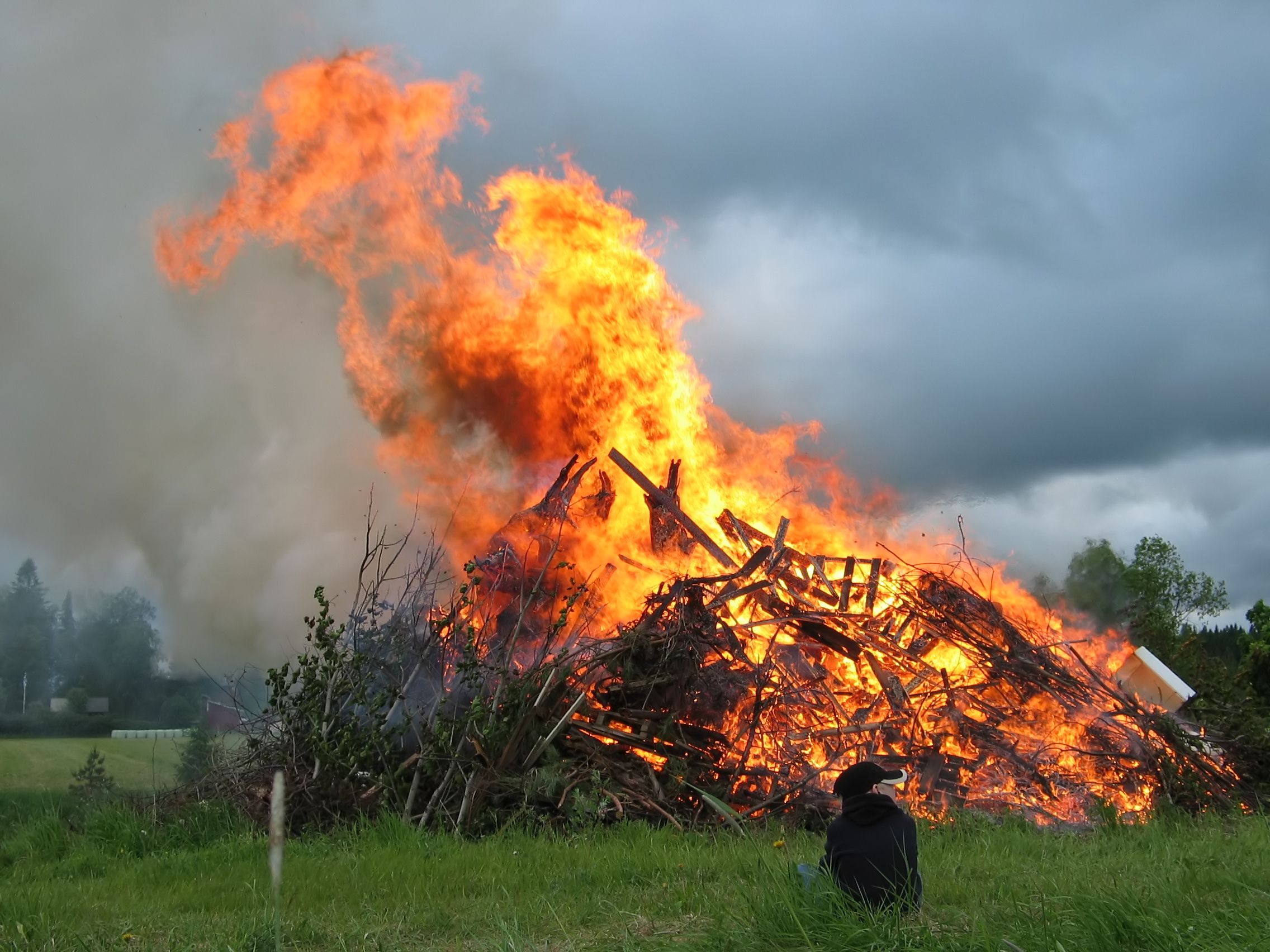
Is wood burning a physical or chemical change?
a)
Physical
b)
Chemical
36.
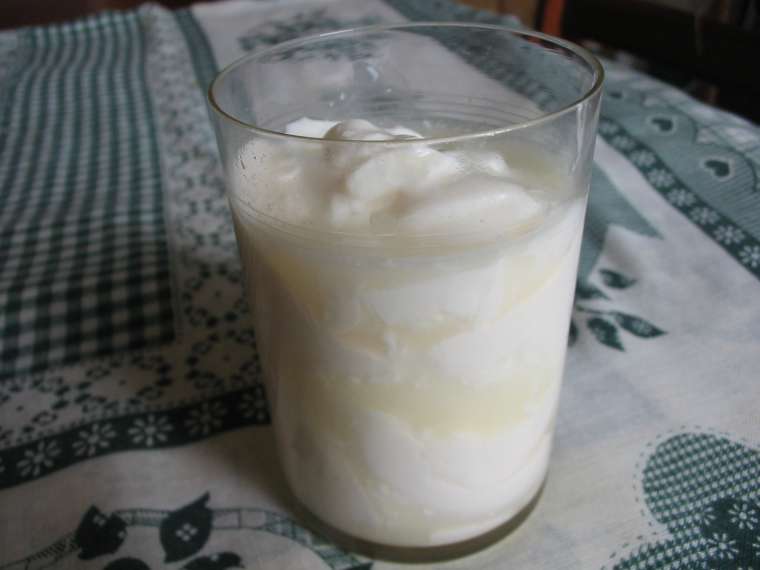
Is milk going sour a physical or chemical change?
a)
Physical
b)
Chemical
37.

Is gatorade powder dissolving in water physical or chemical change?
a)
Physical
b)
Chemical
38.

Is mold growing on cheese a physical or chemical change?
a)
Physical
b)
Chemical
39.

Is sharpening a pencil a physical or chemical change?
a)
Physical
b)
Chemical
40.

Is copper tarnishing a physical or chemical change?
a)
Physical
b)
Chemical
41.
The Law of Conservation of Mass tells us matter can't ______________.
a)
change color
b)
change state of matter
c)
be created or destroyed
d)
change temperature
100 %

