
 Worksheets
Industrial Revolution
Total questions: 86
Worksheet time: 57mins
Land, labor, capital, and entrepreneurship
The four factors of production that were vital to the Industrial Revolution and the start of any business include each of the following EXCEPT
land
labor
capital
entrepreneurs
investors
The ability to have necessities of life, such as food, clothing, and shelter and wants like vacations, concerts, and other amusements is referred to as
middle class
upper class
standard of living
purchasing power
During the Industrial Revolution, a new social and economic class that developed was the
serfs
rich, or the upper class
expanded lower class
middle class
In the early days of the Industrial Revolution, which item was manufactured in great numbers at newly built factories?
textiles
industrial machines
cars
household goods like cookware

Karl Marx spelled out how he believed that workers should rise up against factory owners, outlining the basic principles of
capitalism
socialism
communism
command economies
Which of the following best describes industrialization?
nations began to rely on one another for trade of various goods and resources after the beginning of the Industrial Revolution
smaller nations needed assistance from their larger neighbors, so they formed trade alliances
more and more people began to move to cities, away from rural areas
advancement in technology to produce goods on a larger scale and a reliance on manufacturing of goods instead of individuals producing goods themselves
Why was England the site of the beginnings of the Industrial Revolution?
England was the most powerful nation in the world
It wasn't; history has unfairly given England credit for the Industrial Revolution
England had an abundance of natural resources such as coal, iron ore, and waterways where water wheels and steam engines could be built
England was centrally located to many areas like France, Germany, Spain, and Ireland, giving them an advantage to bring in resources and talent from many places
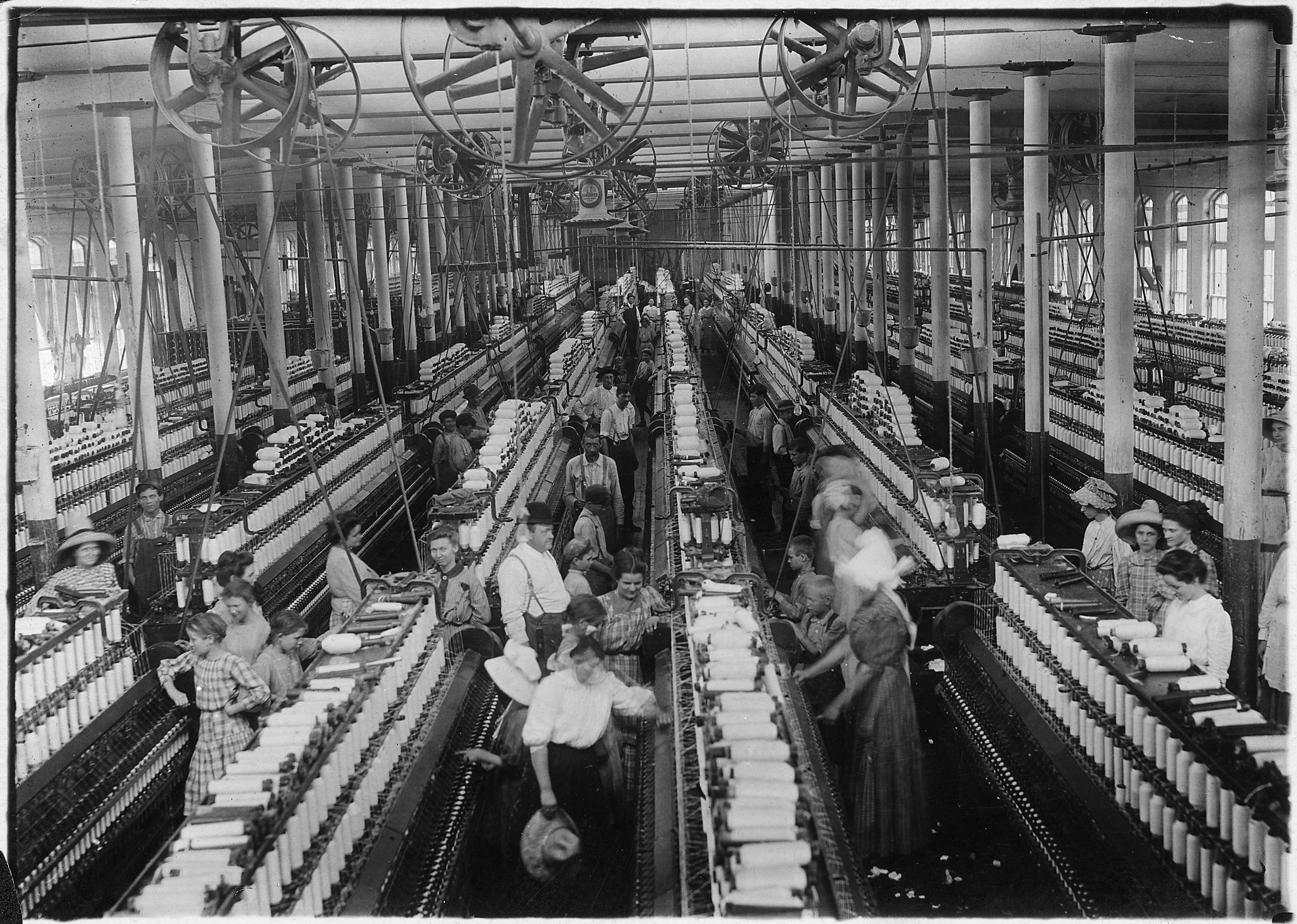


"The Industrial Revolution was the period in which the production of goods shifted from hand production methods to complex machines. This period of industrialization resulted in social and economic changes." What is an EFFECT of the Industrial Revolution according to the statement?
It resulted in social and economic changes
The land was ideal for farming
The Industrial Revolution happened in Great Britain
Machines were used during the Industrial Revolution
Due to inventions like the seed drill, which made planting crops easier and faster, farmers migrated to the cities. What was an effect of inventions like the seed drill?
Farmers lost their jobs and moved into industrial jobs
The machines turned into robots and took over land in Great Britain
The farmers needed more work and hired more people to work the land.
The farmers moved to the United States to farm.
What were living conditions in the city like during the Industrial Revolution?
Cities were mostly for rich people
Strict housing safety laws
Spacious and luxurious
Crowded and unsanitary
Which of the following is not an accurate description to working conditions during the Industrial Revolution?
Workers often worked more than 12 hours a day
Workers were given multiple breaks
Children, even younger than ten, worked in factories
Workers received low wages
What is an entrepreneur
Someone who starts a new business
someone who designs buildings
Someone who manufactures things
Someone who has new ideas
5. The economy of the north was based on ___________.
manufacturing
agriculture
tourism
socialism

This fueled the industrial boom in the U.S.; examples include coal, iron ore, and oil.
Urbanization
Mechanization
Immigration
Natural Resources

Which of the following statements is a cause of the growth of big business?
Monopolies & trusts all would dominate industry in the U.S.
Workers faced harsh working and living conditions
The United States has a rich supply of natural resources
Labor unions would grow in response to a demand for protection of workers

What problems did workers face in the late 1800s?
a lack of natural resources for production
machinery replacing human workers
long hours and low wages
too much government interference


