
 Worksheets
Classification of Plants and Animals Review Quiz!
Total questions: 50
Worksheet time: 28mins
Name
Class
Date
1.
Scientists classify animals and nonliving things into groups according to their features
a)
true
b)
false
2.
Which is not a way to classify animals?
a)
if they have a backbone or not
b)
how they use food for energy
c)
by their environment
d)
if reproduces with spores or cones
3.
Living things that make their own food is called
a)
producer
b)
consumer
c)
decomposer
4.
A living thing that eats other living things for energy is called
a)
producer
b)
consumer
c)
decomposer
5.
This breaks down the remains of dead organisms to feed on them
a)
prodcuer
b)
consumer
c)
decomposer
6.
Fungi is a
a)
producer
b)
consumer
c)
decomposer
7.
A lion is a
a)
producer
b)
decomposer
c)
consumer
8.
Trees are
a)
producers
b)
consumers
c)
decomposers
9.
Vertebrates have a backbone
a)
true
b)
false
10.
Which is not true about all vertebrates
a)
they have muscles
b)
they have skin that protects them
c)
they have a skeleton
d)
all are true statements
11.
Vertebrates are classified into five groups:
a)
Vascular, Spore, Nonvascular, Mammal, Fish
b)
Mammal, Fish, Bird, Reptile
c)
Mammal, Fish, Bird, Reptile, Amphibians
d)
Amphibians, Birds, Ducks, Cows
12.
Which vertebrates are metamorphic
a)
Mammals
b)
Fish
c)
Reptiles
d)
Amphibians
13.
Which is true about mammals
a)
they can give birth to babies and are warm blooded
b)
they can give birth to babies and are cold blooded
c)
they have fur and feathers
d)
they live in warmer climates and have scales
14.
Which does not lay eggs
a)
Birds
b)
Mammals
c)
Reptiles
d)
Fish
15.
Birds lay eggs, have feathers, and are cold blooded
a)
True
b)
False
16.
When something is cold blooded it means
a)
their bodies produce heat
b)
their bodies are the same temperature as their surroundings
c)
their body temperature changes with their surroundings
17.

This is an example of a
a)
Mammal
b)
Reptile
c)
Amphibian
d)
Fish
18.
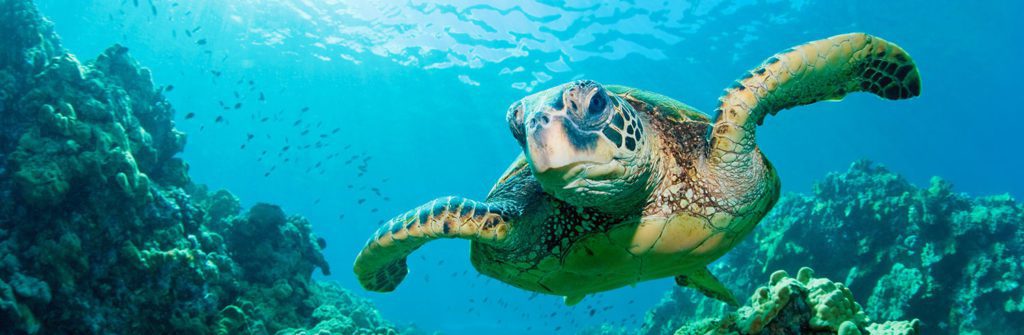
This is an example of a
a)
Mammal
b)
Reptile
c)
Amphibian
d)
Fish
19.

This is an example of a
a)
Mammal
b)
Reptile
c)
Amphibian
d)
Fish
20.
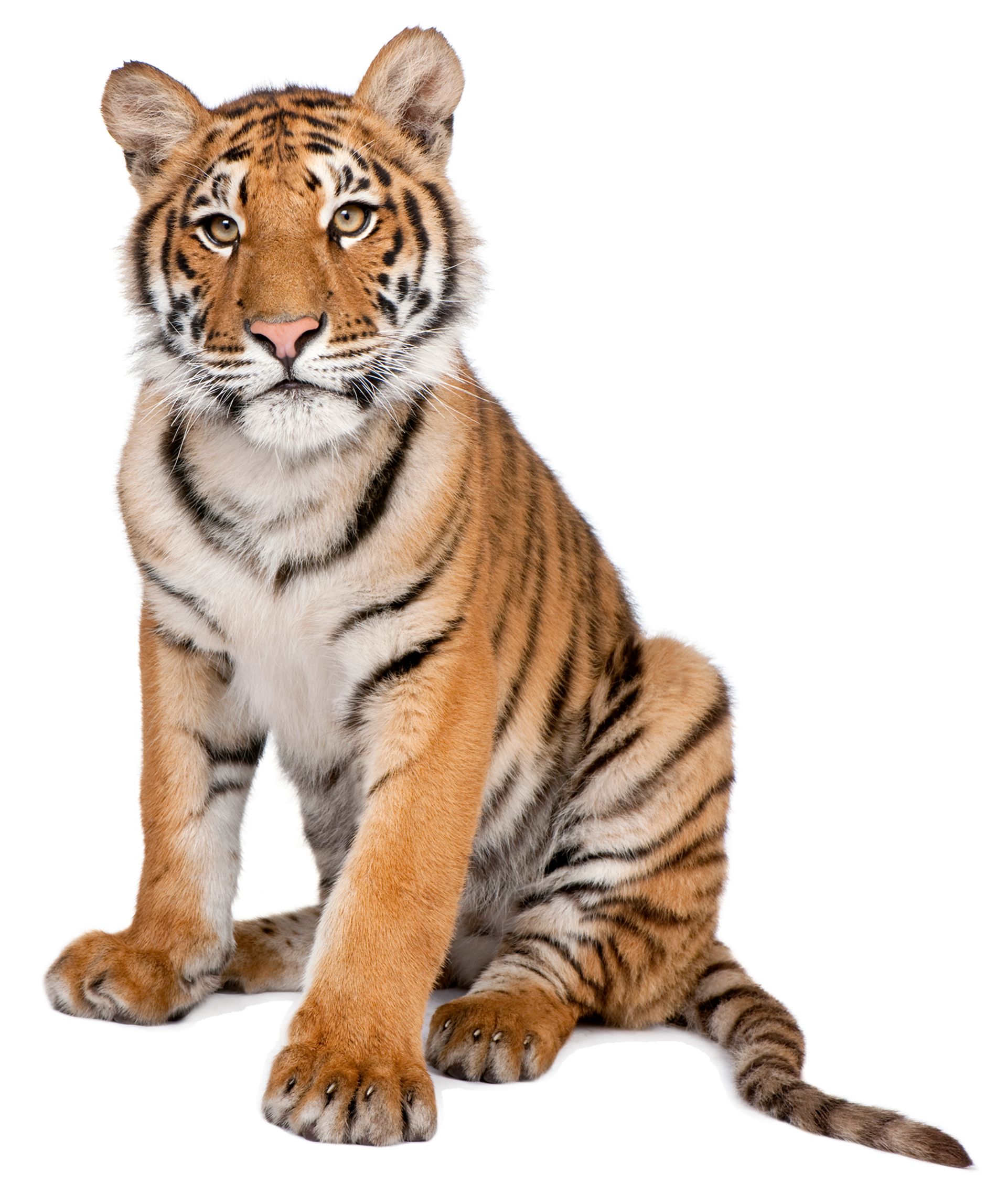
This is an example of a
a)
Mammal
b)
Reptile
c)
Amphibian
d)
Fish
21.

This is an example of a
a)
Mammal
b)
Reptile
c)
Amphibian
d)
Fish
22.

This is an example of a
a)
Mammal
b)
Reptile
c)
Amphibian
d)
Fish
23.
Invertebrates have a backbone
a)
true
b)
false
24.
Squid, prawn, earthworm, cockroach are examples of
a)
vertebrates
b)
invertebrates
25.
Invertebrates make up what % of animals?
a)
20
b)
50
c)
70
d)
90
26.
Plants have three main parts
a)
backbone, spores, and stem
b)
petals and roots
c)
leaves, spore, stem
d)
roots, stems, leaves
27.
Which part of the plant takes in water and nutrients from the soil?
a)
Roots
b)
Stem
c)
Leaves
d)
Spores
28.
Which part of the plant moves water and nutrients from the roots to the leaves?
a)
Roots
b)
Stem
c)
Leaves
29.
Which part of the plant captures the energy of the sunlight and use it to make food for the plant?
a)
Roots
b)
Stem
c)
Leaves
d)
Spores
30.
How do plants get food?
a)
Through decomposing
b)
Through photosynthesis
c)
Through eating insects
d)
Through eating chips
31.
Where does photosynthesis start?
a)
With water
b)
With soil
c)
With sunlight
d)
With fertilizer
32.
Which green material traps the sunlight in leaves?
a)
Mitochondria
b)
Lysosomes
c)
Cytoplasm
d)
Chlorophyll
33.
When in photosynthesis, plants first take in water and __________ from the air
a)
Oxygen
b)
Nitrogen
c)
Carbon Dioxide
d)
Helium
34.
What happens during photosynthesis that changes carbon dioxide into sugar and oxygen?
a)
Energy of the sunlight causes it to change
b)
Energy from the carbon dioxide cause it to change
c)
Energy from the water cause it to change
d)
Energy from the soil cause it to change
35.
After the sun has changed water and carbon dioxide into sugar and oxygen, what does the plant do?
a)
The plant loses its petals.
b)
The plant dies.
c)
The plant starts the process over because it did not get the necessary food.
d)
Plant uses the sugar for food and releases oxygen into the air as waste
36.
Which is not true about vascular plants
a)
they have tubes that carry wter from their roots to leaves
b)
the tubes help store extra fat the plant may need
c)
tree, grasses, and most garden plants are examples.
d)
they are "higher plants"
37.
The tubes in vascular plants carry water from their roots to
a)
stem
b)
leaves
c)
roots
d)
soil
38.
Nonvascular plants have tubes
a)
true
b)
false
39.
Which is not true of nonvascular plants?
a)
they do not have tubes
b)
these plants soak up water and food from the soil
c)
they are like sponges
d)
they have tubes that store water
40.

Moss is an example of
a)
nonvascular
b)
vascular
41.
Plants reproduce by
a)
producing seeds
b)
producing cones
c)
producing spores
d)
producing babies
42.
Plants first produce flowers with pollen in them
a)
true
b)
false
43.
Pollen is
a)
a special dust that helps plants reproduce
b)
a special dust that bees like to eat
c)
a special dust that is used to make the flower grow
d)
a special dust used to make the plant live longers
44.
Which is not a way pollen is carried?
a)
Bees
b)
Birds
c)
Wind
d)
Roots
45.
Pine trees' seeds form into cones
a)
true
b)
false
46.
Coniferous plants are
a)
plants that form seeds in spores
b)
plants that form seeds in cones
c)
plants that form seeds in trees
d)
plants that form seeds in flowers
47.
Coniferous plants lose their leaves in the winter
a)
True
b)
False
48.
Deciduous plants do no lose their leaves in the winter
a)
true
b)
false
49.
Some plants do not produce flowers, pollen, seeds, or cones
a)
true
b)
false
50.
Ferns and moss produce spores. Spores are
a)
a special dust that helps plants reproduce
b)
a tiny cell that can grow into a plant
c)
a plant that does not use its leaves in the winter
d)
a plant that has tubes
100 %

