
 Worksheets
Cells and Genetics
Total questions: 60
Worksheet time: 2hrs 37mins
Name
Class
Date
1.
The cells produced via meiosis are called:
a)
sex cells
b)
somatic cells
c)
body cells
d)
skin cells
2.
This produces 2 identical cells.
a)
mitosis
b)
meiosis
3.
What is it called when a sperm and egg meet?
a)
meiosis
b)
fertilization
c)
cell division
d)
mitosis
4.
What causes genetic variation in meiosis?
a)
chromosomes lining up
b)
crossing over of chromosomes
c)
separation of chromosomes
d)
chromosomes pulling apart
5.
What kind of cells are made in MEIOSIS?
a)
Haploid Gametes
b)
Diploid Somatic Cells
c)
Skin Cells
d)
Liver Cells
6.
If the Diploid number of Carrots is 18, the haploid number is
a)
18
b)
9
c)
27
d)
36
7.
Goes through P.M.A.T two rounds
a)
Mitosis
b)
Meiosis
c)
Osmosis
d)
Transcription
8.
If a somatic cell in a butterfly contains 24 chromosomes, a butterfly egg would contain
a)
3
b)
6
c)
12
d)
24
9.
Which of these cells would be produced through meiosis?
a)
skin cells
b)
liver cells
c)
brain cells
d)
sperm cells
10.
How many daughter cells are produced at the end of meiosis?
a)
1
b)
2
c)
3
d)
4
11.
Which of the following is NOT a gamete (sex cell)?
a)
egg
b)
sperm
c)
skin cell
d)
all of the above are gametes
12.
What is the haploid number of chromosomes for a human cell?
a)
46
b)
23
c)
9
d)
2
13.
What is the diploid number of chromosomes for a human cell?
a)
46
b)
23
c)
9
d)
2
14.
A __________ is formed from the combining of a sperm and egg.
a)
parent cell
b)
daughter cell
c)
zygote
d)
polar body
15.
This organelle takes food and turns it into ENERGY for plant and animal cells.
a)
Chloroplast
b)
Mitochondria
c)
Lysosome
d)
Ribosome
16.
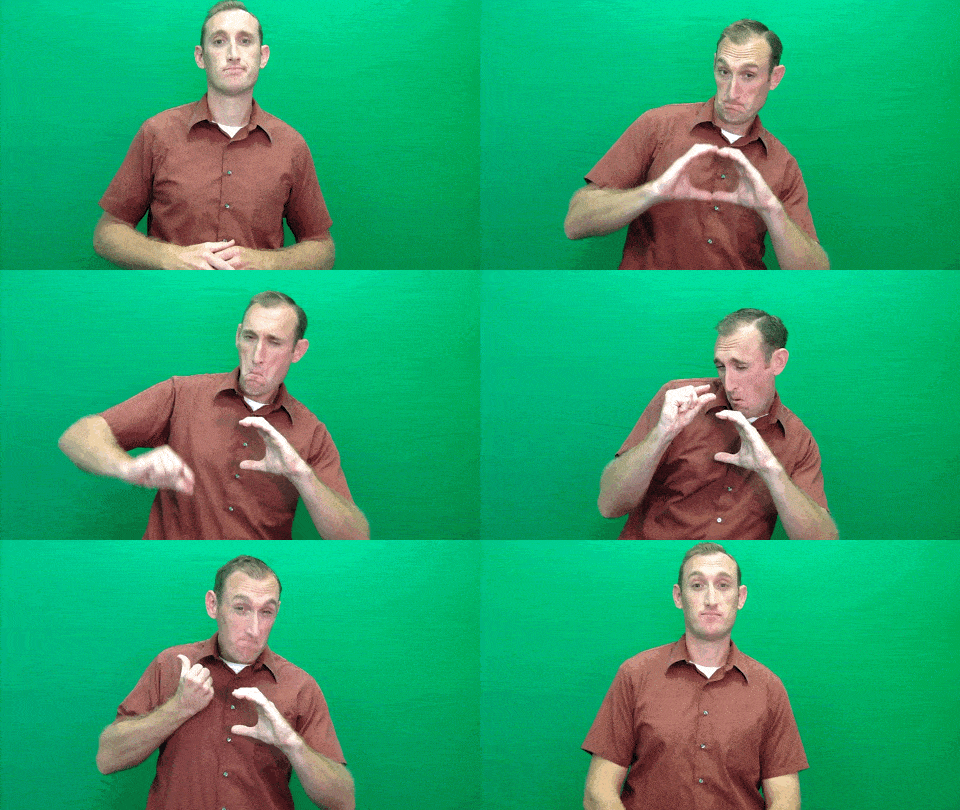
The ___________ is the basic unit of life
a)
organ
b)
cell
c)
atom
d)
tissue
17.
When many organ systems work together it can form...
a)
organ
b)
cells
c)
organ system
d)
organism
18.

This is a example of........
a)
organ system
b)
cells
c)
organ
d)
tissue
19.

This is a example of ........
a)
cell
b)
organ system
c)
organ
d)
tissue
20.

Which part of the cell is often called "the brain of the cell"?
a)
nuclear membrane
b)
endoplasmic reticulum
c)
nucleus
d)
mitochondria
21.
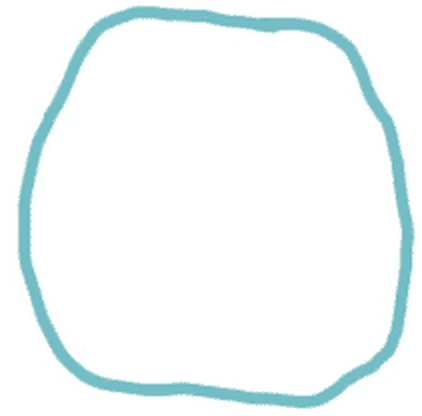
I am the outer most layer of an animal cell. What am I?
a)
cell wall
b)
nucleus
c)
cell membrane
d)
cell skin
22.
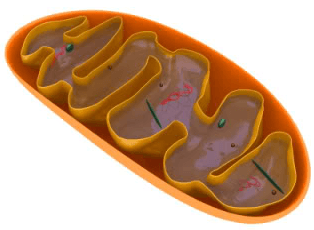
What are tiny organelles that convert glucose into ATP?
a)
Ribosomes
b)
Vesicles
c)
Cytoskeleton
d)
Mitochondria
23.
A group of cells that have similar functions? Examples are nervous, epithelial, muscle and connective
a)
cells
b)
tissues
c)
organs
d)
atoms
24.
Are all mutations bad?
a)
Yes
b)
No
25.
A mutation that does NOT alter the protein production is called a
a)
deletion mutation
b)
inversion mutation
c)
silent mutation
d)
transverse mutation
26.
Original: ATC CAT
Mutation: ATC GCAT
What mutation occurred?
Mutation: ATC GCAT
What mutation occurred?
a)
deletion
b)
insertion
c)
silent
d)
transverse
27.
Original DNA: CAT GAT
New DNA: CAT AT
What mutation occurred?
New DNA: CAT AT
What mutation occurred?
a)
deletion
b)
substitution
c)
tranverse
d)
insertion
28.
Gene: ABC
New Gene: BBC
What mutation
New Gene: BBC
What mutation
a)
deletion
b)
insertion
c)
substitution
d)
transversion
29.
Any change in the sequence of DNA is...
a)
transgenic shift
b)
Single Genotype
c)
Monohybrid Trait
d)
Mutation
30.
Which organelle is DNA usually found in?
a)
cell membrane
b)
vacuole
c)
chloroplast
d)
nucleus
31.
What are the building blocks of proteins called?
a)
DNA
b)
RNA
c)
Ribosomes
d)
Amino Acids
32.
In DNA, Adenine bonds with ______________.
a)
Guanine
b)
Thymine
c)
Cytosine
d)
Adenine
33.
Guanine bonds with ______________.
a)
Adenine
b)
Guanine
c)
Cytosine
d)
Thymine
34.

What molecule is shown in the double helix diagram shown?
a)
DAN
b)
RAN
c)
DNA
d)
RNA
35.
Would a mutation in the DNA of a skin cell be passed on to an organism's offspring?
a)
Yes, because any change to the DNA is passed on to the offspring
b)
Maybe. Sex cells only use half of the body's genetic code. It might get the copy of a gene that wasn't mutated.
c)
No. Only mutations that occur in the gametes (sex cells) are passed on to the offspring
d)
Without knowing the animal, it would be hard to tell whether or not the mutation would be passed on.
36.
A type of substitution in which no amino acids change is called
a)
Missense
b)
Nonsense
c)
Silent
d)
Deletion
37.
This type of substitution codes for a stop codon
a)
Missense
b)
Nonsense
c)
Silent
d)
Deletion
38.
Mutations are only passed on to offspring when they happen in
a)
somatic cells
b)
gamete cells
c)
prokaryotic cells
d)
the mitochondria
39.
If a mutation occurs in an expressed gene, it will most directly affect the structure of a cell's
a)
ATP
b)
proteins
c)
energy source
d)
membrane
40.
The traits of an organism are passed to its offspring on small coded strands of DNA material called
a)
meiosis
b)
recessive traits
c)
genes
d)
heredity
41.
An organism's physical appearance or visible traits...
a)
genotype
b)
inherit
c)
gene
d)
phenotype
42.
Deoxyribonucleic Acid is better known as ________
a)
DNA
b)
Chromosome
c)
Alleles
d)
Phenotype
43.
Genes are made of
a)
Alleles
b)
Afellis
c)
Altruisisms
d)
Chromosomes
44.
Which of the following are Homozygous Dominant?
a)
Aa
b)
Bc
c)
BC
d)
DD
45.
Which of the following are Homozygous Recessive?
a)
Aa
b)
cc
c)
BC
d)
DD
46.
Which of the following are Heterozygous
a)
Aa
b)
cc
c)
BC
d)
DD
47.
Dominant Traits show up
a)
Always
b)
Only when there are two
48.
Recessive Traits show up
a)
Always
b)
Only when there are two
49.
What plants did Gregor Mendel use to study Punnett Squares?
a)
Peas
b)
Carrots
c)
Cucumber
d)
Roses
50.

What % of offspring are yellow?
a)
50
b)
25
c)
75
d)
100
51.
What % of offspring are green?
a)
50
b)
25
c)
75
d)
100
52.
What % of offspring are Homozygous Recessive?
a)
50
b)
25
c)
75
d)
0
53.
Which term refers to a farmer choosing the best corn from this year to plant next year?
a)
natural selection
b)
selective breeding
c)
genetic engineering
d)
genetic transformation
54.
Making changes in the DNA of an organism is
a)
selective breeding
b)
artificial selection
c)
genetic engineering
d)
genetic transformation
55.
The process of selecting organisms with desired traits to be parents of the next generation is called?
a)
Inbreeding
b)
Hybridization
c)
Selective breeding
d)
Cloning
56.
The purpose of selective breeding is to
a)
Get bigger organisms
b)
get smaller organisms
c)
create organisms with desirable traits
d)
create organisms with bad traits
57.
How many bases encode one amino acid?
a)
1
b)
2
c)
3
d)
4
58.
Correcting mistakes in DNA is _______
a)
Gene therapy
b)
Gene modification
c)
Selective breeding
d)
animal husbandry
59.
If you want to change an organism a lot in a short amount of time which method would be the best?
a)
Selective Breeding
b)
Animal husbandry
c)
Gene Therapy
d)
Gene Modification
60.
Why aren't more scientists using gene modification?
a)
Because they are poor
b)
Because they are lazy
c)
Because of ethics and morality
d)
Because of how long it takes
100 %

