
 Worksheets
Biology-Levels of Organization
Total questions: 50
Worksheet time: 52mins
Name
Class
Date
1.

A DECOMPOSER
a)
Makes its own energy
b)
Eats other organisms
c)
Eats DEAD organisms
2.

A PLANT is a
a)
Producer
b)
Consumer
c)
Decomposer
3.

A PLANT EATER is a
a)
Herbivore
b)
Carnivore
c)
Omnivore
d)
Producer
4.

A MUSHROOM is a
a)
Herbivore
b)
Carnivore
c)
Omnivore
d)
Decomposer
5.

Which is the PRODUCER?
a)
Lettuce
b)
Slug
c)
Bird
d)
Cat
6.

Which is/are CARNIVORES?
a)
Slug and Bird
b)
Slug and Cat
c)
Bird and Cat
d)
Cat only
7.

Where does the LETTUCE get its energy?
a)
The sun
b)
The slug
c)
The bird
d)
The cat
8.

Where does the BIRD get its energy?
a)
The sun
b)
The slug
c)
The bird
d)
The cat
9.

Where does the CAT get its energy?
a)
The sun
b)
The slug
c)
The bird
d)
The cat
10.

Where does the SMALL FISH get its energy?
a)
The sun
b)
The Zooplankton
c)
The small fish
d)
The phytoplankton
11.

What is PHOTOSYNTHESIS?
a)
How plants get energy
b)
How animals get energy
c)
How pictures are made
12.

According to this food chain, which is the PRODUCER?
a)
Bee
b)
Flower
c)
Frog
d)
Chicken
13.

According to this food chain, which is the TERTIARY CONSUMER?
a)
Bee
b)
Dog
c)
Frog
d)
Chicken
14.

True or False. In this Food Web Pyramid Which type of consumer gets only 10% of the energy stored in plants?
a)
Herbivore
b)
Carnivore
c)
Omnivore
d)
Secondary Consumer
15.

In the energy pyramid here, which organisms have the most energy available?
a)
Producers
b)
Carnivores
c)
Herbivores
d)
Top Predator
16.
This diagram shows the amount of energy that moves from one feeding level to another in a food web.
a)
Energy Pyramid
b)
Food Web
c)
Ecosystem
d)
Food Chain
17.

True or False. In this Food Web Pyramid the consumers on each level only get about 10 percent of energy that the plants have stored.
a)
True
b)
False
18.
A species living together in one area is called a:
a)
species
b)
community
c)
ecosystem
d)
population
19.
Different organisms living together in the same area:
a)
community
b)
population
c)
species
d)
ecosystem
20.
All of the living AND non-living things in an particular area is called a(n):
a)
ecosystem
b)
house
c)
community
d)
mountain
21.

Which of the following best describes the blue bird's (in the middle) role in this ecosystem?
a)
carnivore
b)
omnivore
c)
herbivore
d)
decomposer
22.

An animal that is hunted and eaten for food is a __________.
a)
predator
b)
prey
c)
population
23.
Frogs are considered...
a)
consumers
b)
decomposers
c)
producers
d)
composers
24.

What does a food chain represent?
a)
How all living organisms within a habitat are connected.
b)
All of the things that a particular animal eats.
c)
How plants create their own food.
d)
A single path of energy transfer within a habitat.
25.
Another word for a living thing is a:
a)
animal
b)
organism
c)
plant
d)
community
26.
The ___________ is the basic unit of life
a)
organ
b)
cell
c)
atom
d)
tissue
27.
A group of tissues that perform a similar function is called_____. (Examples include the heart, lungs or stomach)
a)
cells
b)
tissues
c)
organs
d)
organ system
28.
When many organ systems work together it can form...
a)
organ
b)
cells
c)
organ system
d)
organism
29.
What is the correct order of organization
a)
tissues-cells-organs-organ systems-organism
b)
cell-tissue-organs-organ systems-organism
c)
organism-cells-tissues-organ systems-organism
d)
tissues-cells-organs-organ sytems-organism
30.
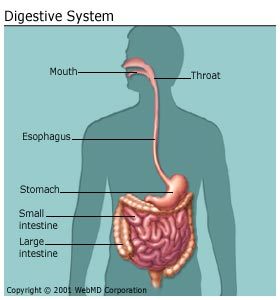
This is a example of........
a)
organ system
b)
cells
c)
organ
d)
tissue
31.
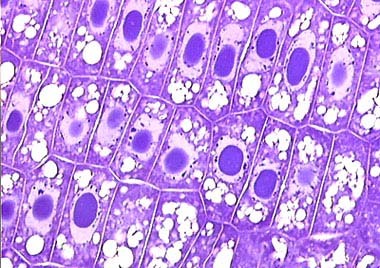
This is a example of ........
a)
cell
b)
tissue
c)
organ
d)
organ system
32.
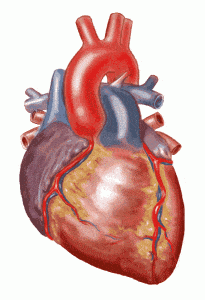
This is a example of ........
a)
cell
b)
organ system
c)
organ
d)
tissue
33.
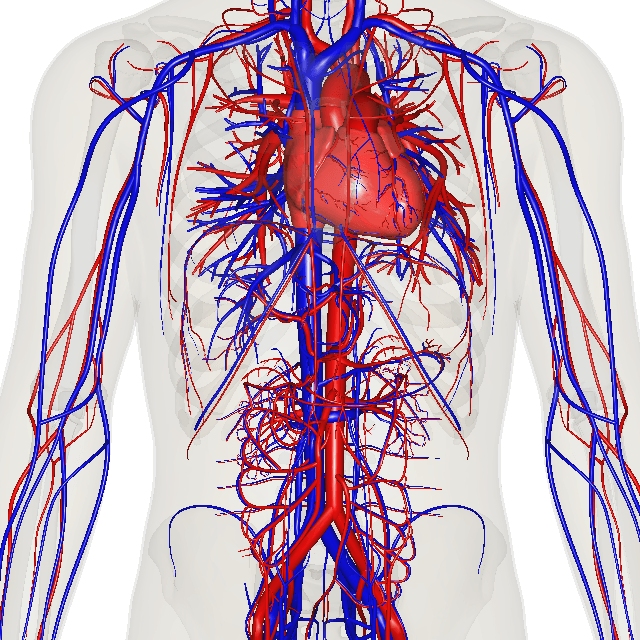
This is a example of ........
a)
organ
b)
organ system
c)
tissue
d)
cell
34.
A stable internal environment
a)
homeostasis
b)
homozygous
c)
heteropathic
d)
hemoglobin
35.
Anything that can perform life processes by itself is a/an
a)
cell
b)
organ
c)
organism
d)
organ system
36.
Examples include kidney, liver, heart, brain, stomach, bladder, intestines
a)
cell
b)
tissue
c)
organ
d)
organ system
37.
Examples include dog, person, frog, bacteria, lion, lizard
a)
cell
b)
tissue
c)
organ system
d)
organism
38.
What is a example of a abiotic factor?
a)
Panda
b)
Turtle
c)
Butterfly
d)
weather
39.
What is an example of a biotic factor?
a)
skunk
b)
rocks
c)
soil
d)
water
40.
Temperature, light, air, water, and soil are all _____ parts of the environment
a)
alive
b)
biotic
c)
abiotic
d)
living
41.
A collection of organisms that make up a community as well as all of the nonliving aspects of the environment.
a)
Population
b)
Community
c)
Habitat
d)
Ecosystem
42.
"Bio" means _________.
a)
non-living
b)
not/without
c)
life
d)
dead
43.
Is sunlight an abiotic or biotic factor?
a)
abiotic
b)
biotic
44.
Which of the following is NOT a level of organization in ecosystems?
a)
community
b)
species
c)
population
d)
organism
45.
The prefix "a" means
a)
life
b)
science
c)
not or without
d)
one
46.
As members of a food web, humans are considered to be
a)
producers
b)
consumers
c)
decomposes
d)
scavengers
47.
Which diagram correctly shows the flow of energy in a food chain?
a)
decomposer-> consumer-> producer
b)
Producer-> consumer->Decomposer
c)
Consumer->Producer->Decomposer
d)
Producer->Decomposer->Consumer
48.
What do plants take from the air that helps them make food?
a)
oxygen
b)
nitrogen
c)
carbon dioxide
d)
hydrogen peroxide
49.
A student uses a pH meter to measure the acidity of a water sample from a lake. For what purpose is the student most likely testing the water?
a)
to learn what organisms could survive in the lake
b)
to determine the age of the lake
c)
to understand how people use the lake
d)
to find out the depth of the lake
50.
_____________________ is a large area with similar biotic and abiotic factors.
a)
Outer Space
b)
Volcanos
c)
Biome
d)
Ozone Layer
100 %

