
 Worksheets
Industrial Revolution
Total questions: 53
Worksheet time: 36mins
Name
Class
Date
1.
What product was first made using machines in factories?
a)
Steel
b)
textiles
c)
locomotives
d)
flying shuttles
2.
What are identical components that can be used in place of each other?
a)
Interchangeable parts
b)
Factories
c)
Dynamos
d)
Assembly Lines
3.
Which of the following was NOT associated with early factory working conditions?
a)
Low wages
b)
Safe working conditions
c)
Dangerous working conditions
d)
Widespread pollution
4.
A place where people and machines join together to mass produce goods.
a)
Cartel
b)
Corporation
c)
Factory
d)
Urbanization
5.
Mass production led to:
a)
Products being more superior in quality
b)
goods became less expensive
c)
laborers received higher wages
d)
industries moved to rural areas
6.
Before the Industrial Revolution all products were created by
a)
Factories
b)
Hand
c)
Slaves
d)
Royalty
7.
What is the movement from rural to urban areas called?
a)
Moving
b)
colonization
c)
inflation
d)
urbanization
8.
Why did people move to the cities during the Industrial revolution?
a)
Jobs in factories
b)
Jobs on the farm
c)
Family
d)
Friends
9.
This machine allowed factories to be built anywhere, powered by coal.
a)
flying shuttle
b)
steam engine
c)
spinning jenny
d)
cotton gin
10.
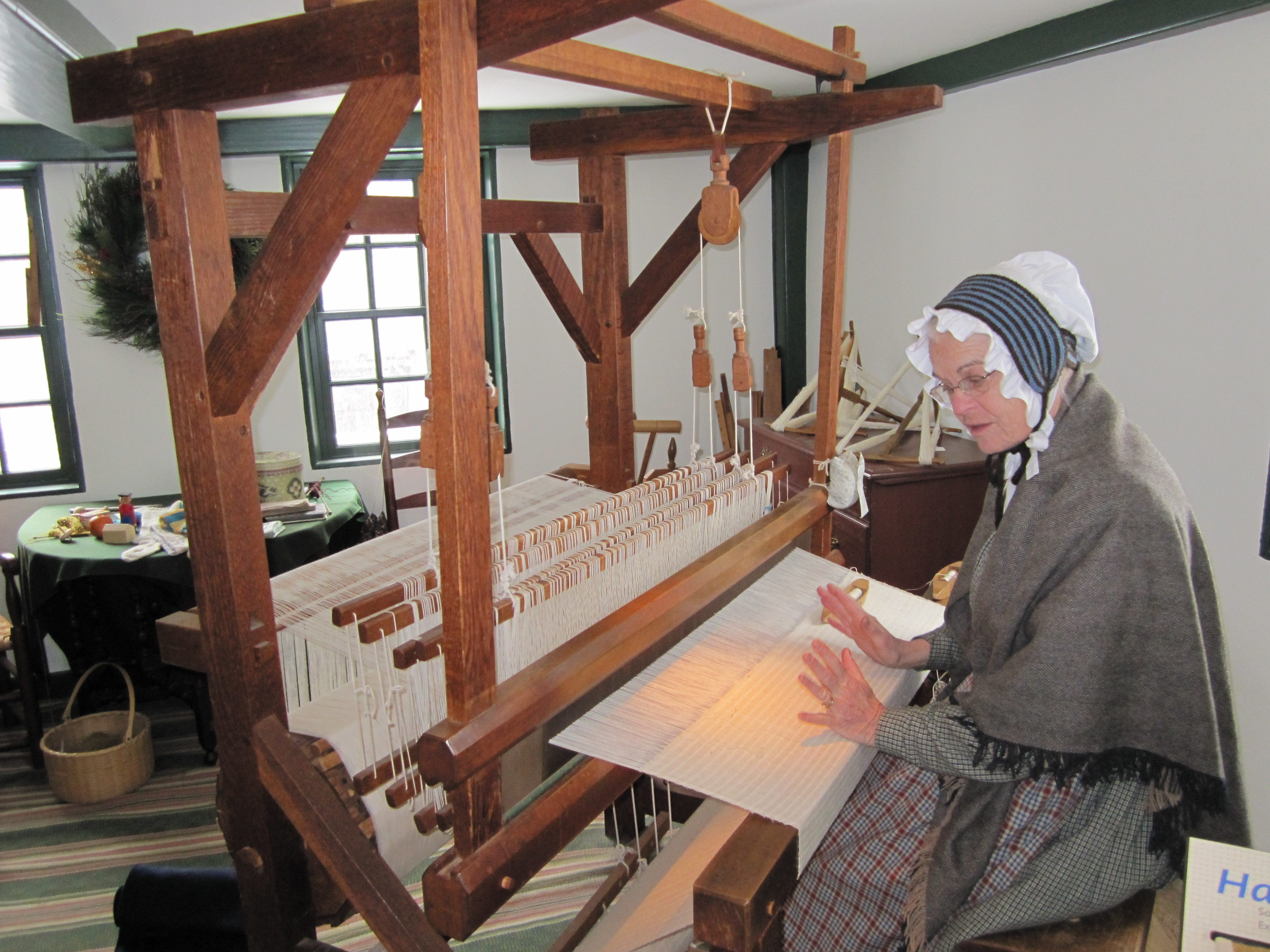
Any fabric that is woven (by machine or hand) is called -
a)
technology
b)
textile
c)
economy
d)
industrialization
11.
This machine separated the seed from cotton fibers.
a)
Spinning Mule
b)
Spinning Jenny
c)
Steam Engine
d)
Cotton Gin
12.
How did the Industrial Revolution affect the cities?
a)
Made the crime rate decrease
b)
Led to an increase in farm workers
c)
Make the cities cleaner and safer
d)
Led to an increase in population in the cities
13.

Who invented the cotton gin?
a)
Eli Whitney
b)
Jim Morse
c)
James Watt
d)
the guy that delivers your pizza
14.
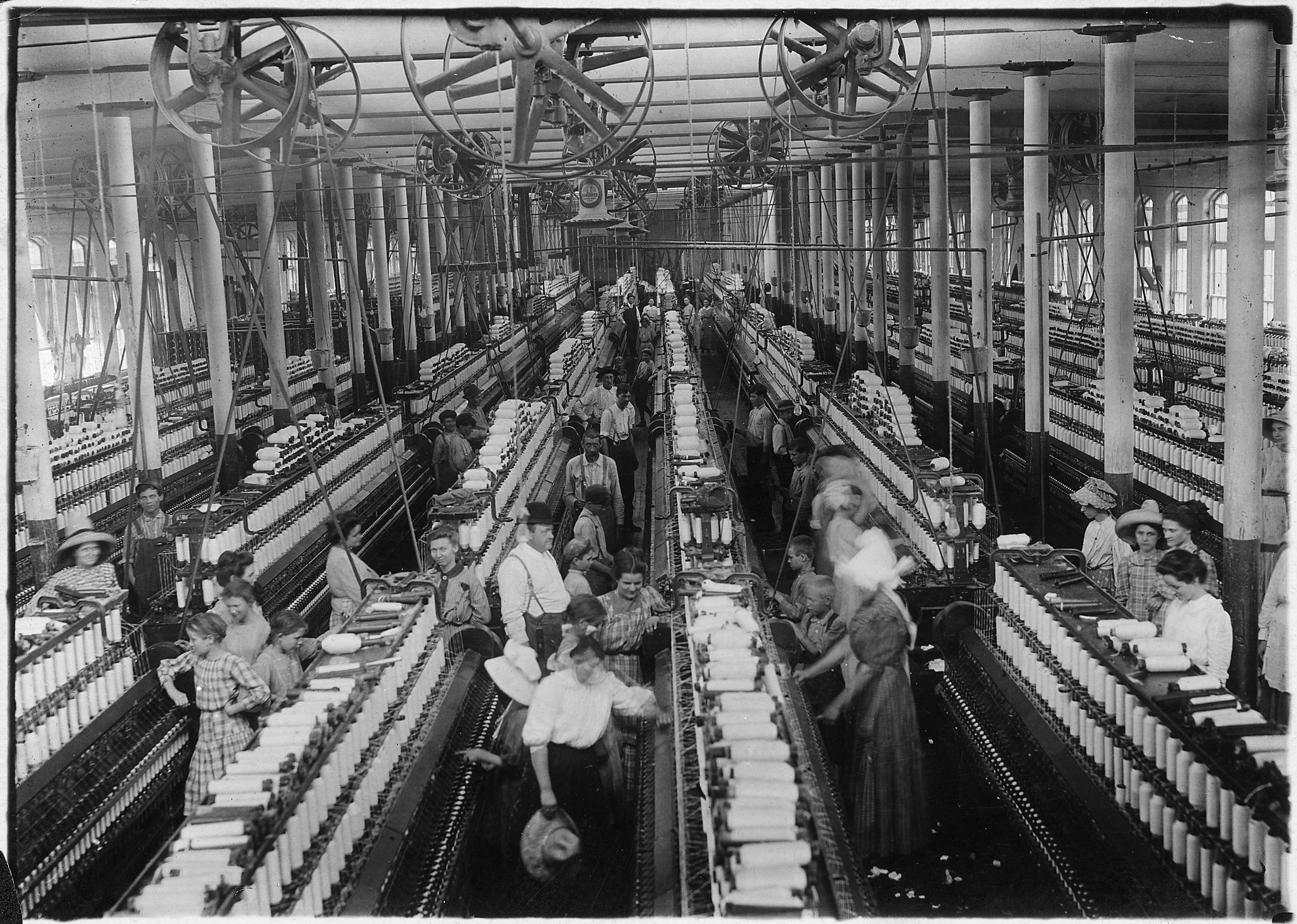
Where were most factories built before the steam engine was invented?
a)
in the mountains
b)
in the desert
c)
along rivers
d)
anywhere
15.

Why were railroads so important during this time?
a)
they moved goods more quickly and less expensively over greater distances
b)
they were fun to ride on to go visit family in other states
c)
people could ride on railroads to get to their jobs in another city
16.

Who invented the steamboat?
a)
Robert Fulton
b)
Samuel Morse
c)
Cyrus McCormick
d)
Francis Cabot Lowell
17.
Rapid movement of people from the rural areas to cities in search of industrial jobs was known as:
a)
Industrialization
b)
Urbanization
c)
Depopulation
d)
Migration
18.
A place where people and machines join together to mass produce goods.
a)
Cartel
b)
Corporation
c)
Factory
d)
Urbanization
19.
Why did people move to the cities during the Industrial revolution?
a)
Jobs in factories
b)
Jobs on the farm
c)
Family
d)
Friends
20.
This machine allowed workers to spin at least 8 spools of thread at a time.
a)
Flying Shuttle
b)
Spinning Jenny
c)
Steam Engine
d)
Spinning Mule
21.
Which of the following was NOT associated with early factory working conditions?
a)
Safe working conditions
b)
Low wages
c)
Dangerous working conditions
d)
Pollution
22.
This machine allowed factories to be built anywhere, powered by coal.
a)
flying shuttle
b)
steam engine
c)
spinning jenny
d)
cotton gin
23.
Until the 1800s, how did most families get the items they needed for daily life?
a)
They made tools, clothing, materials, and food by hand.
b)
They bought them from factories.
c)
They bought them on the Internet.
d)
They bought them from stores.
24.
The _______________ is the name for the change from goods being made by hand at home to making them by machine in factories.
a)
French Revolution
b)
Machine Revolution
c)
Industrial Revolution
d)
Technological Revolution
25.
Who invented the cotton gin?
a)
Thomas Jefferson
b)
James Madison
c)
George Washington
d)
Eli Whitney
26.
_______________ are pieces made to fit many machines or tools.
a)
Interchangeable parts
b)
Fixed parts
c)
Limited parts
d)
New parts
27.
_______________ is a machine with sharp blades used to cut grain.
a)
The sower
b)
The reaper
c)
The cotton gin
d)
The sewing machine
28.
Why did river travel improve during the 1800s?
a)
because of the invention of the steam engine
b)
because of the invention of stagecoaches
c)
because of the invention of the reaper
d)
because rivers were getting faster every year
29.
What did Samuel Morse invent?
a)
the steam engine
b)
the steamboat
c)
the telegraph machine
d)
the telephone
30.
_______________ are people who live in a country in which they were not born.
a)
Pioneers
b)
Immigrants
c)
Merchants
d)
Native Americans
31.

Look at the time line. What would be a good title for it?
a)
How the Cotton Gin Is Made
b)
How the Erie Canal Was Built
c)
Inventions from the Industrial Revolution
d)
Inventors of the Industrial Revolution
32.
Samuel F. B. Morse invented the telegraph. Which area of life was improved by this invention?
a)
communication
b)
farming
c)
industry
d)
transportation
33.
The use of the ____________________ made it possible to make goods with many pieces faster and more cheaply.
a)
stage coach
b)
reaper
c)
interchangeable parts
d)
cotton gin
34.
fabric that is woven
a)
technology
b)
textile
c)
economy
d)
industrialization
35.
the way that a society or nation produces and distributes goods and services
a)
textile
b)
economy
c)
technology
d)
industrialization
36.
the use of human knowledge to create tools and machines that allow us to navigate and control the environment; does NOT have to be electronic
a)
industrialization
b)
technology
c)
economy
d)
textile
37.

What was the importance of the Erie Canal?
a)
more water for the settlers to use for their crops
b)
it connected the Hudson River to Lake Erie making transportation of goods easier
c)
it connected the Mississippi River and the Hudson River and made transportation of goods easier
38.
Why were railroads so important during this time?
a)
they moved goods more quickly and less expensively over greater distances
b)
they were fun to ride on to go visit family in other states
c)
people could ride on railroads to get to their jobs in another city
39.
Where were most factories built?
a)
in the mountains
b)
in the desert
c)
along rivers
40.

Who invented the first factory that combined machines which spun cotton into yarn with power looms?
a)
Samuel Morse
b)
Francis Cabot Lowell
c)
Elias Howe
d)
Cyrus McCormick
41.

Who invented cotton gin and interchangeable parts?
a)
John Deere
b)
Eli Whitney
c)
Samuel Slater
d)
Elias Howe
42.
Who invented the steamboat?
a)
Robert Fulton
b)
Samuel Morse
c)
Cyrus McCormick
d)
Francis Cabot Lowell
43.

Who invented the telegraph?
a)
Elias Howe
b)
Eli Whitney
c)
Samuel Slater
d)
Samuel Morse
44.

Who invented the mechanical reaper?
a)
Eli Whitney
b)
Samuel Morse
c)
Cyrus McCormick
d)
John Deere
45.

Who invented the steel plow?
a)
Cyrus McCormick
b)
John Deere
c)
Samuel Slater
d)
Robert Fulton
46.
Which of the following is NOT one of the 4 factors of production?
a)
land
b)
capital
c)
education
d)
technology
47.
Which are effects of the War of 1812?
a)
US Manufacturing growing & Increased American Patriotism (Nationalism)
b)
Weakened Native American resistance and interference with American shipping
c)
Impressment of sailors and US manufacturing growth
d)
Congress stops impressment and French goods decrease
48.
A place where people and machines join together to mass produce goods.
a)
Cartel
b)
Corporation
c)
Factory
d)
Urbanization
49.
What are identical components that can be used in place of each other?
a)
Interchangeable parts
b)
Factories
c)
Dynamos
d)
Assembly Lines
50.
One effect of the cotton gin was that ____.
a)
farmers could plant more cotton in limited space
b)
the need for enslaved labor decreased
c)
cotton gins helped spread slavery to the North.
d)
workers could process more cotton
51.
Why did the American Industrial Revolution begin in New England?
a)
They had more timber
b)
They had streams to power the machines
c)
They were poor and needed the work
d)
They needed something to be proud of
52.
What was the result of the invention of the Cotton Gin in the South?
a)
People left farms & went to the city
b)
Demand for Slaves decreased
c)
Demand for slaves increased
d)
Workers earned more money
53.
Who created the factory system that had all the manufacturing parts under one roof
a)
Francis Cabot Lowell
b)
Francis Scott Key
c)
John Bryant Cooper
d)
Leslie Boone Smith
100 %

