
 Worksheets
SS Mid-Term Review
Total questions: 125
Worksheet time: 1hrs 26mins
Name
Class
Date
1.

What institution involves creating laws and keeping citizens safe?
a)
Geography
b)
Religion
c)
Government
d)
Social
2.

What hemispheres are Australia in?
a)
Southern and Eastern
b)
Southern and Western
c)
Northern and Eastern
d)
Northern and Western
3.
True or False: Most major cities are located near rivers, coastlines, or other types of water sources.
a)
True
b)
False
4.
What revolutionary change took place during the Neolithic Age?
a)
simple shelters
b)
hunting
c)
farming
d)
tool making
5.
The first humans appeared in what continent and began migrating all over the world
a)
Australia
b)
Antarctica
c)
Africa
d)
North America
6.
Another name for the Paleolithic Age was the...
a)
The New Stone Age
b)
The Bronze Age
c)
The Old Stone Age
d)
The Ice Age
7.
Another word for farming is...
a)
agriculture
b)
specialization
c)
technology
d)
irragation
8.
What was the main concern of hunter gatherers?
a)
what to wear
b)
who had the best spear
c)
searching for food
d)
how to keep the fire alive
9.
What is the time before written history called?
a)
Bronze Age
b)
ancient history
c)
Golden Age
d)
prehistory
10.
What occured during the Neolithic Age that allowed people to stop being nomadic?
a)
specialization
b)
domestication and farming
c)
technology
d)
irrigation
11.
A weapon, tool, or other item made by humans is a/an
a)
artifact.
b)
nomad.
c)
fossil.
d)
historian.
12.
What lead to the development of different jobs?
a)
food surplus
b)
cave art
c)
boredom
d)
Ice Age
13.
Which of the following geographic features was the most important to the development of the first civilizations?
a)
deserts
b)
mountain ranges
c)
lakes
d)
rivers/river valleys
14.
Scientists theorize that different hominids existed over millions of years and changed over time in body and brain size. Gradually hominids were able to make more advanced tools, shelters, and clothing.
a)
True
b)
False
15.
A main characteristic of civilizations is
a)
writing
b)
social structure
c)
government
d)
all of the above
16.
The land “between the rivers” is known as an area called (the first civilization we studied)
a)
Mesopotamia
b)
Egypt
c)
Jericho
17.
What were the rulers of Ancient Egypt called?
a)
pharaoh
b)
president
c)
priest
d)
peasant
18.
What major great accomplishment did the Ancient Egyptians build?
a)
houses
b)
pyramids
c)
ships
d)
cars
19.
Why did the Ancient Egyptians complete mummification for their dead?
a)
So disease was not spread
b)
To preserve the body for afterlife
c)
To find out more about the human body
20.
Why were rivers important to ancient civilizations?
a)
They looked nice.
b)
Religious reasons
c)
Agriculture
21.
What continent was Ancient Egypt in?
a)
Asia
b)
South America
c)
Europe
d)
Africa
22.
What was the type of writing called that the Ancient Egyptians developed?
a)
Sanskrit
b)
hieroglyphics and hieratic script
c)
Phoenician alphabet
d)
ideographic
23.
The religious belief of Ancient Egyptians was
a)
monotheistic
b)
polytheistic
24.
What major river ran through Ancient Egypt?
a)
Ganges River
b)
Euphrates River
c)
Nile River
d)
Tigris River
25.
What ruler united Upper and Lower Egypt first, creating the first Egyptian empire?
a)
Queen Hatshepsut
b)
King Menes
c)
King Tutankhamen
d)
King Khufu
26.
What were the names of the three periods of Ancient Egypt?
a)
Old, Middle, and New Kingdom
b)
First,Second, and Third Kingdom
c)
First, Middle, and Last Kingdom
27.
Why were pyramids built?
a)
house the bodies of dead pharaohs
b)
symbols of royal power
c)
Helping pharaohs in afterlife=helping Egyptian people
d)
All of the above
28.
The majority of Egyptians were farmers.
a)
True
b)
False
29.
Egyptian women could inherit property, and some became priestesses and pharaohs.
a)
True
b)
False
30.
What river ran through the Indus Valley civilization?
a)
Tigris River
b)
Euphrates River
c)
Huang Ho River
d)
Indus River
31.
What was one of the religious beliefs of the Indus Valley?
a)
They were monotheistic.
b)
They mummified the dead.
c)
They were polytheistic.
d)
They had shrines to the dead.
32.
What were the capital cities of ancient Indus Valley?
a)
Ur and Sumer
b)
Babylon and Thebes
c)
Mohenjo-Daro and Harappa
d)
Harappa and Memphis
33.
Buildings and streets in Harappa and Mohenjo-daro were arranged in a
a)
mountain
b)
grid
c)
circle
34.
Mohenjo-daro designed and built one of the first
a)
building complex
b)
park system
c)
drainage and sewage system
35.
What is a dynasty?
a)
The Mandate of Heaven
b)
Rule by one person
c)
Family rule over a long period of time.
36.
Belief that a rulers right to rule comes from and is controlled by the gods
a)
Divine Right theory
b)
Nirvana
c)
Mandate of Heaven
d)
Mahayana
37.
Ancient Chinese rulers believed their authority to rule was based off of divine approval, an idea known as the _____________________.
a)
Mandate of Heaven
b)
Law of Karma
c)
Legalist Punishments
d)
5 Basic Relationships
38.
What continent is Ancient China found on
a)
North America
b)
Europe
c)
Asia
d)
Africa
39.
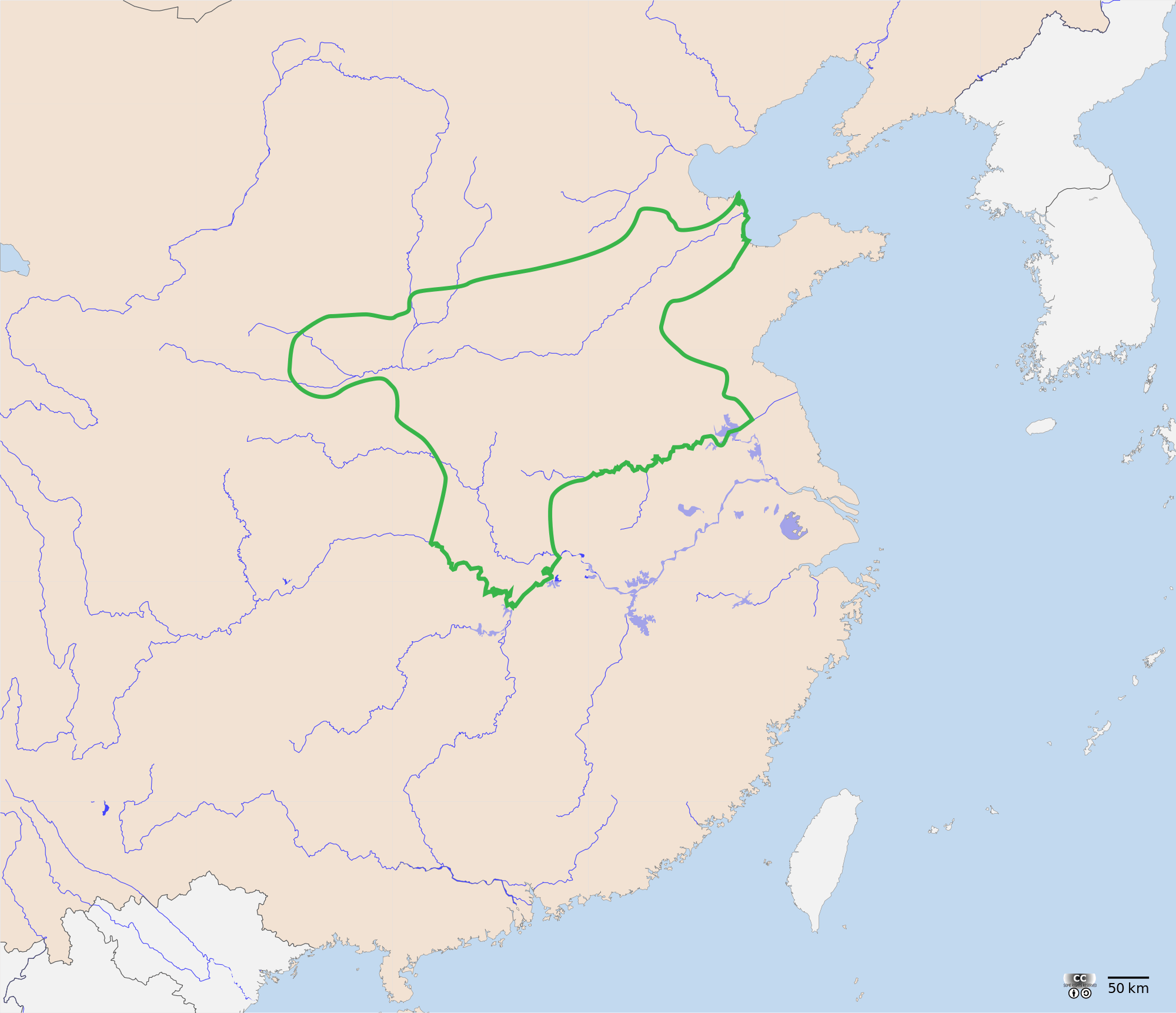
What was the name of China's FIRST dynasty?
a)
Shang
b)
Zhou
c)
Hanfeizi
d)
Huang He
40.
Early civilizations like Mesopotamia, Egypt, India and China have one thing in common.....
a)
each civilization flourished despite harsh desert conditions
b)
we know little about them due to catastrophic natural disasters
c)
they were founded along rivers and fertile valleys
d)
their coastal locations allowed them to trade with the Roman Empire
41.
What happened once the Israelites migrated to Egypt?
a)
A great flood occurred
b)
The Israelites were forced into exile
c)
They took over and ruled Egypt
d)
They were enslaved by the pharaoh
42.
How did ancient Israel's civilization differ from ancient Egypt's civilization?
a)
Israel is monotheistic, Egypt is polytheistic
b)
Israel had fertile soil, but Egypt was dry and rocky
c)
Israel built tomb to bury their Pharaohs, but Egypt did not
d)
Israel was ruled by Pharaohs, Egypt was ruled by judges
43.
What best describes the religion of Israel?
a)
Many gods: Monothesistic
b)
Many gods: Polytheistic
c)
One god: Monotheistic
d)
One god: Poly theistic
44.
Which person do the Israelites trace their beginnings to?
a)
King David
b)
The Torah
c)
Assassin Ehud
d)
Abraham
45.

This picture shows an area known as the..
a)
Farming Curve
b)
Fertile Crescent
c)
Green C
d)
Fertile Curve
46.
Civilization in Mesopotamia developed between which two rivers?
a)
the Persian Gulf and the Mediterranean
b)
the Tigris and the Persian Gulf
c)
the Persian Gulf and the Euphrates
d)
the Euphrates and the Tigris
47.
Who wrote a legal code that covered most areas of daily life?
a)
Gilgamesh
b)
Hammarabui
c)
Nineveh
d)
Sargon
48.
The Sumerian writing system was called
a)
Cuneiform
b)
Hieroglyphs
c)
English
d)
Sargon
49.
When the Akkadians under Sargon conquered the city-states of Sumer, they created the first
a)
empire
b)
huge city-state
c)
nation
d)
democracy
50.
Which of the following is NOT true of Hammurabi's code?
a)
It covered many aspects of Babylonian life, not just crimes.
b)
t was used by many later civilizations as a model
c)
It treated all people the same under the law.
d)
It was carved in stone.
51.
A Sumerian temple to honor their chief god was called a
a)
scribe.
b)
cradle.
c)
Gilgamesh.
d)
ziggurat.
52.
Why was Sargon important?
a)
He united Babylon to create the first empire
b)
He united Mesopotamia and created the first Empire
c)
He united Mesopotamia and made the first civilization
d)
He united Babylon and created the first civilization
53.
A city with political and economic control over the surrounding countryside
a)
City-State
b)
Country
c)
Villiage
d)
Culture
54.

Babylonian leader who created the first written code of 282 laws that dealt with almost every part of daily life
a)
Gilgamesh
b)
Sargon
c)
Hammurabi
d)
Sumer
55.
The first civilizations arose in__________ because the conditions for farming were good.
a)
mountains
b)
deserts
c)
river valleys
d)
none of the above
56.

What modern day country is Mesopotamia mostly in?
a)
India
b)
Egypt
c)
China
d)
Iraq
57.
A belief in one God
a)
Gilgamesh
b)
monotheism
c)
polytheism
d)
scribe
58.

Belief in more than one god
a)
Polytheism
b)
Monotheism
c)
Theocracy
d)
Theology
59.
Which word describes the religion of the Sumerians?
a)
monotheistic
b)
polytheistic
c)
paganistic
d)
Christian
60.
What civilization was led by Sargon and was located north of Sumer?
a)
The Akkadians
b)
Egypt
c)
Babylonia
d)
Sinai Penninsula
61.
What is a city-state?
a)
The area inside the city wall
b)
The city and the countryside around it.
c)
The farmland
d)
The market place
62.
Who is at the top of the Sumerian social structure?
a)
priest
b)
craftspeople
c)
king
d)
merchants
63.
What was the name for a person who could read and write in Sumer?
a)
king
b)
government official
c)
scribe
d)
writer
64.
What is the name for a pyramid shaped temple tower in Sumer?
a)
pyramid
b)
ziggurat
c)
church
d)
holy tower
65.
What is cuneiform?
a)
a way of worship
b)
a system of farming
c)
a system of writing
d)
a type of medicine
66.
rich, fertile soil deposited by the flooding of a river
a)
silt
b)
papyrus
c)
cataract
67.
the title of the kings of ancient Egypt
a)
dynasty
b)
pharaoh
c)
astronomer
68.
a series of rulers from the same family
a)
dynasty
b)
mummy
c)
regent
69.
a dead body preserved in life-like condition
a)
afterlife
b)
artisan
c)
mummy
70.
a kind of picture writing in which some pictures stand for ideas or things and others stand for sounds
a)
silt
b)
hieroglyph
c)
papyrus
71.
a worker who is especially skilled in making something, such as baskets, leather goods, tools, jewelry, pottery, or clothes
a)
pharaoh
b)
artisan
c)
astronomer
72.
Why is King Tutankhamen famous?
a)
His tomb was not destroyed by treasure hunters
b)
His reign lasted 50 years
c)
He was originally from Kush
d)
The Great Pyramid was built for him
73.

This is an example of a/an
a)
Sphinx
b)
Obelisk
c)
Pyramid
d)
Papyrus
74.

The Rosetta Stone has the same passage written in three different languages- all of the following, EXCEPT for
a)
Greek
b)
Demotic
c)
Hieroglyphics
d)
Latin
75.

What did the discovery of this stone do?
a)
help decode hieroglyphics
b)
cure sickness
c)
lead to buried treasure
d)
explain Hammurabi's Code
76.

What plant used to make paper-like material is shown?
a)
papryus
b)
wheat
c)
barley
d)
quinoa
77.

What type of writing is shown?
a)
Hieroglyphics
b)
Cuneiform
c)
Cursive
d)
Sanskrit
78.
Items brought in from other regions
a)
imports
b)
exports
79.
Items sent out to other regions
a)
imports
b)
exports
80.
The Old Kingdom began when the governments of _______ and _______ were united.
a)
Eastern and Western
b)
Northern and Southern
c)
Upper and Lower
d)
Egypt and Nubia
81.
During the Middle and New Kingdoms Pharaohs were buried in ___________________
a)
Pyramids
b)
Valley of the Kings
c)
The Desert
d)
The Temple of the Pharaoh
82.
Pyramid construction began when a Pharaoh took the throne.
a)
True
b)
False
83.
This kingdom of Egypt is also called the Pyramid Age
a)
Old
b)
Middle
c)
New
d)
Intermediate
84.
The Nile River is difficult to navigate because _____________ creates rapids and divides the river.
a)
Dams
b)
Hippopotamus
c)
Rocks
d)
Cataracts
85.
Egypt is protected on it's eastern and western borders by _______________.
a)
Deserts
b)
Rivers
c)
Seas
d)
Forests
86.
Egypt's geography is centered around the _________ Valley.
a)
Tigris
b)
Nile
c)
Euphrates
d)
Indus
87.
This Empire from Mesopotamia would be the largest Empire in the world until the Greeks.
a)
Akkadians
b)
Assyrians
c)
Babylonians
d)
Persians
88.
Which is an example of Hammurabi's Code?
a)
Nobody is above the laws
b)
Turn the other cheek.
c)
An eye for and eye
d)
If any one hires a field laborer, he shall pay him eight gur of corn per year.
89.
This Babylonian King is known for writing the first set of written laws called _________________________
a)
Mosaic Laws
b)
Tang Code
c)
Hammurabi's Code
d)
Hittite Laws
90.
One of Mesopotamia's greatest cultural achievements was writing down the story _________________________________
a)
Othello
b)
The Legend of Hercules
c)
The Epic of Gilgamesh
d)
The Ramayana
91.
Both Egyptian and Mesopotamian religion were the following:
a)
Atheist
b)
Polytheistic
c)
Monotheistic
d)
Orthodox
92.
Surplus food, like wheat, barley, and vegetables, caused the population to decline.
a)
True
b)
False
93.
To control flooding, farmers built dams, channels, and canals.
a)
True
b)
False
94.
Flooding in Egypt was
a)
Regular and Predictable
b)
Irregular and Unpredictable
95.
Flooding in Mesopotamia was
a)
Regular and Predictable
b)
Irregular and Unpredictable
96.
The land around the Tigris and Euphrates Rivers is known as
a)
Arable Moon
b)
Fertile Crescent
c)
Gardens of the Desert
d)
Babylon
97.
Mesopotamia means
a)
"Middle East"
b)
"Land of Pots"
c)
"Between Rivers"
d)
"Between Seas"
98.

What religion uses this symbol?
a)
Hinduism
b)
Christianity
c)
Buddhism
d)
Judaism
99.

What religion uses this symbol?
a)
Hinduism
b)
Christianity
c)
Buddhism
d)
Judaism
100.
God: Brahman
a)
Buddhism
b)
Hinduism
c)
Islam
d)
Judaism
101.
Monotheistic
a)
Buddhism, Hinduism, Judaism
b)
Hinduism, Christianity, Islam
c)
Christianity, Judaism, Islam
102.
Began in India
a)
Christianity
b)
Buddhism, Hinduism
c)
Hinduism, Islam
d)
Hinduism
103.
Worships in synagogues
a)
Hinduism
b)
Islam
c)
Buddhism
d)
Judaism
104.
One of the world's oldest religions
a)
Hinduism
b)
Islam
c)
Buddhism
d)
Christianity
105.
Goal is to reach Enlightenment and Nirvana
a)
Christianity
b)
Islam
c)
Buddhism
d)
Judaism
106.
Four Noble Truths, Eightfold Path
a)
Hinduism
b)
Islam
c)
Judaism
d)
Buddhism
107.
Holy Book: Torah
a)
Judaism
b)
Islam
c)
Hinduism
d)
Buddhism
108.
Polytheistic
a)
Judaism
b)
Islam
c)
Hinduism
d)
Buddhism
109.

What religion uses this symbol?
a)
Hinduism
b)
Christianity
c)
Buddhism
d)
Judaism
110.
At one time had the Caste System, which required a person to live in the Caste, follow the rules of the Caste until the person could be reincarnated into a higher Caste
a)
Buddhism
b)
Hinduism
c)
Judaism
d)
Christianity
111.

What is religion?
a)
An organized system used to worship god or a group of gods.
b)
The belief in a god or in a group of gods.
c)
Interest, belief, or activity that is important to a person.
d)
All of the above.
112.
Which religion believes in reincarnation (rebirth of the soul)?
a)
Islam
b)
Hinduism
c)
Christianity
d)
Judaism
113.
Who was the founder of the Buddhist religion?
a)
Vishnu
b)
Jesus
c)
Allah
d)
Buddha
114.
According to Buddhism, what is the main cause of the suffering in the world?
a)
People's desire to control and obtain things.
b)
The devil.
c)
People's lack of harmony within the natural world.
d)
People's refusal to accept the one true god.
115.
What do Buddhism and Hinduism have in common?
a)
They both focus on many different gods.
b)
They are both based on four noble truths.
c)
They both believe in the concept of nirvana.
d)
They both believe in reincarnation.
116.
What do Christianity, Judaism, and Islam have in common?
a)
They are all monotheistic.
b)
They all believe that Jesus was the Son of God.
c)
They are all based on the same holy book.
d)
They are all separated into three main branches.
117.
Define: MONOTHEISM
a)
The belief that there is more than one God.
b)
The worship of one's ancestors.
c)
The belief that there is only one God.
d)
The belief the universe has one divine soul.
118.
Which of the following fits with the Paleolithic era?
a)
Specialized Jobs
b)
Planted Crops in settlements
c)
Hunting and Gathering
d)
Permanent Shelter
119.
What is the time before writing referred to as?
a)
Ancient History
b)
Bronze Age
c)
Prehistory
d)
Stone Age
120.
What starts the Neolithic Age?
a)
Cultural Revolution
b)
Agricultural Revolution
c)
Creation of Fire
d)
Information Revolution
121.
What was the writing system used in Mesopotamia?
a)
Hieroglyphics
b)
Sanskrit
c)
Alphabet
d)
Cuneiform
122.
Organized religion, government, culture, social class, stable food supply, complex technology, written language
a)
Culture
b)
Civilization
c)
Complex Empire
d)
Social Hierarchy
123.
Which direction does the Nile flow?
a)
South
b)
Up
c)
North
d)
Down
124.

What field of study would examine the above items as part of their research?
a)
Geography
b)
Archaeology
c)
Paleontology
d)
Anthropology
125.
River Valleys were a good place for civilizations to grow because they offered
a)
religion
b)
rich soils for agriculture
c)
government
d)
401k's
100 %

