
 Worksheets
WED
Total questions: 34
Worksheet time: 29mins
Name
Class
Date
1.

A satellite image of an area in Florida shows a river with slight bends along its length. A second satellite image taken of the same area 10 years later shows the same river with a different course. What is the best explanation for the difference in the shape of the river's course between the two satellite images?
a)
Wind blew waves across the water surface, eroding away the bank on one side of the river until the river's course changed its shape
b)
Regular freezing and thawing of the river split the soil along the river banks, changing the shape of the river
c)
Water eroded the banks of the river and deposited the eroded soil on opposite banks, causing the river to form tighter bends
d)
Acid rain chemically weathered the banks along the river, forcing the river to wind back and forth
2.
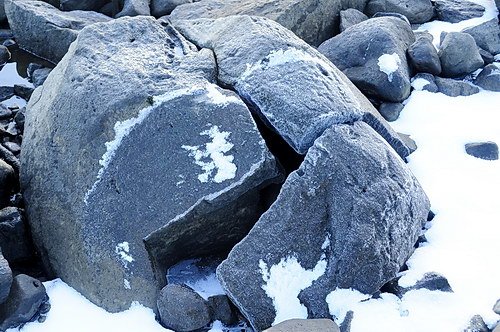
How does freezing water cause the weathering of rocks? The freezing water—
a)
keeps the rocks in place.
b)
makes the rocks last longer.
c)
expands cracks and breaks rocks.
d)
causes rocks to fall in landslides.
3.

A cliff formed near the ocean. Which statement best describes how this cliff formed?
a)
Warm air melted the rock.
b)
Sun rays evaporated the rock.
c)
Ocean waves washed away rock.
d)
Plant roots pushed away the rock.
4.
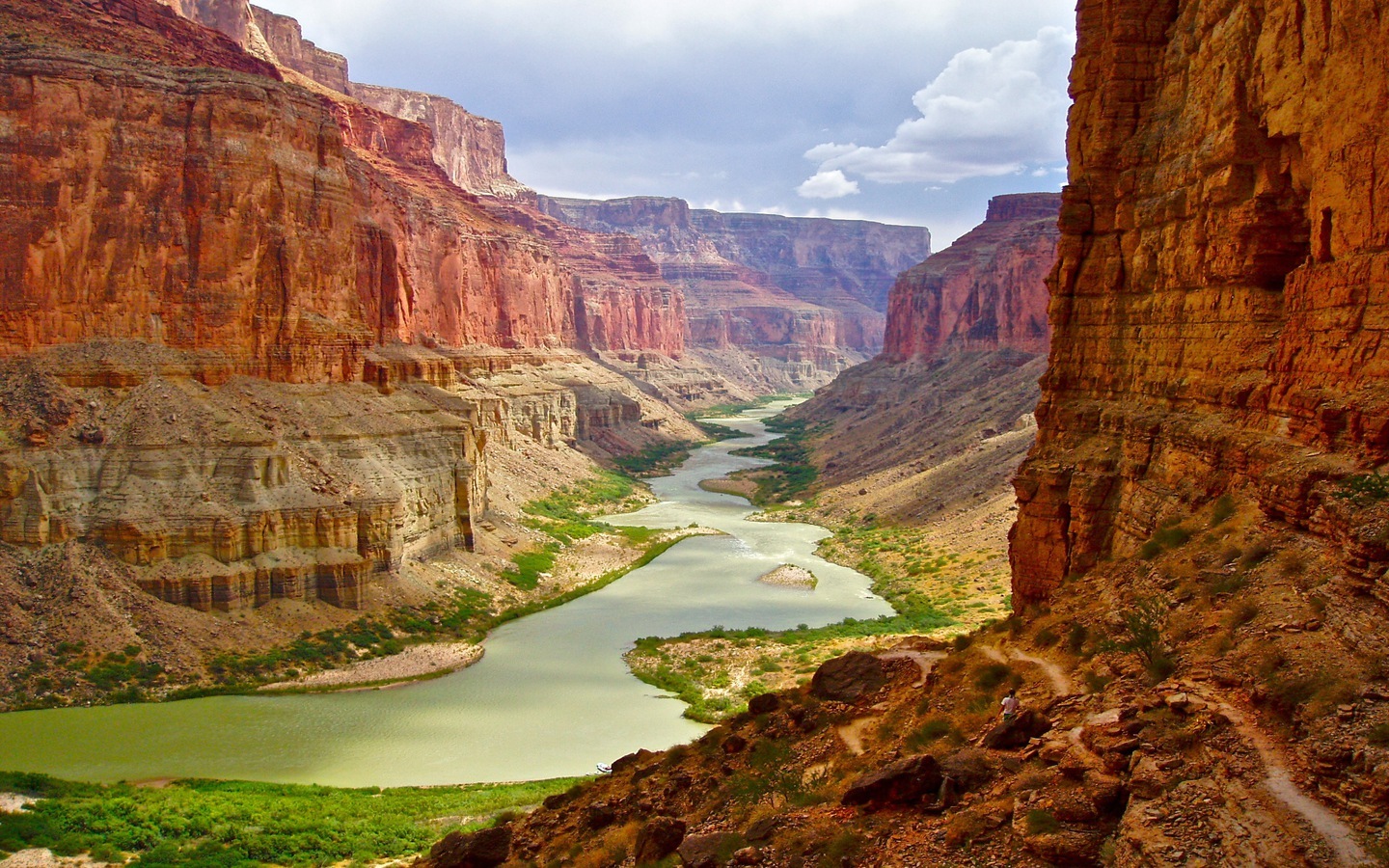
Flood water pounding against a canyon wall and wearing it down is an example of
a)
Weathering
b)
Erosion
c)
Deposition
d)
An avalanche
5.

Which of the following is NOT a slow change to Earth's surface?
a)
Weathering
b)
Erosion
c)
Deposition
d)
Landslides
6.

Which of the following is NOT a fast change in Earth's surface?
a)
Landslides
b)
Erosion
c)
Volcanoes Erupting
d)
Earthquakes
7.

A rock breaking apart by cracking or by acid rain are examples of
a)
weathering
b)
erosion
c)
deposition
8.

Sediments being carried down stream by water or being carried away by wind are examples of
a)
weathering
b)
erosion
c)
deposition
9.

Sediments piling up at the bottom of a hill or at the bottom of the ocean floor are examples of
a)
weathering
b)
erosion
c)
deposition
10.

This arch was created by pieces of rock being disolved by the water. This is an example of
a)
weathering
b)
erosion
c)
deposition
11.

This delta is a landform created by sediment being dropped where the river meets the ocean. This is an example of
a)
weathering
b)
erosion
c)
deposition
12.

Plants help prevent erosion by
a)
allowing soil to wash away
b)
holding the soil in place
c)
taking nutrients out of the soil
d)
Plants do not help prevent erosion.
13.
Your teacher filled a box with sand. She put a fan at one end and turned the fan on. The sand was blown to the opposite side of the box and collected at that side. What processes was the teacher demonstrating?
a)
Weathering and erosion
b)
Weathering and deposition
c)
Erosion and deposition
d)
Chemical and mechanical weathering
14.
Wind erosion moves sand and settles forming sand dunes.
a)
weathering
b)
erosion
c)
deposition
d)
gravity
15.
Movement of rock and sediments downhill, in streams, ocean waves, or glacier movement.
a)
weathering
b)
erosion
c)
deposition
d)
sedimentary rock
16.
Breaking down of rocks and sediments through moving water, living things, ice, and wind.
a)
weathering
b)
erosion
c)
deposition
17.
Large mass of ice that moves slowly over land.
a)
gravity
b)
glaciers
c)
sediment
18.
Mud, water, and sand moved by erosion
a)
gravity
b)
glaciers
c)
sediment
19.
Force that moves rock down a hill.
a)
Gravity
b)
Glaciers
c)
Sediment
20.

What caused this landform's surface to change?
a)
Wind Erosion
b)
Wave Erosion
c)
Glacier Erosion
21.

Choose the best explanation of the formation and change to the mesa pictured below.
a)
Glacier movement scraped away at the rock
b)
Rocks falling downhill chipping away at the rock.
c)
Wind caused sediments to weather and erode away rock changing the appearance and shape.
22.

Choose the best explanation for the formation of the canyon pictured below.
a)
Running Water over a long period of time
b)
Glacier Scraping
c)
Gravity
23.
Water getting into cracks, freezing, and breaking the rocks or pavement apart.
a)
weathering
b)
erosion
c)
depostion
24.
Wind blasting sand at rock and carving out arches.
a)
weathering
b)
erosion
c)
deposition
25.
A mudslide flowing down a steep hill.
a)
Weathering
b)
Erosion
c)
Deposition
26.
Muddy water being carried away by a fast-moving river
a)
Weathering
b)
Erosion
c)
Deposition
27.
Flood waters moving soil from one location to another.
a)
Weathering
b)
Erosion
c)
Deposition
28.
Layers of sediment forming at the bottom of the ocean.
a)
Weathering
b)
Erosion
c)
Deposition
29.
Waves dropping sand on the beach
a)
Weathering
b)
Erosion
c)
Deposition
30.
wind blowing sand from one location to another
a)
Weathering
b)
Erosion
c)
Depostion
31.
ponds filling up with sediment and becoming marshes
a)
weathering
b)
erosion
c)
deposition
32.
deltas forming at the mouths of rivers
a)
weathering
b)
erosion
c)
deposition
33.
glaciers dropping rock and sand to form terminal moraines
a)
weathering
b)
erosion
c)
deposition
34.
water getting into cracks, freezing and breaking the rocks or pavement apart
a)
weathering
b)
erosion
c)
deposition
100 %

