
 Worksheets
Cht 7 Review ESS
Total questions: 35
Worksheet time: 28mins
Name
Class
Date
1.
How do glaciers form?
a)
When Snow freezes
b)
When Water freezes
c)
When Ice melts
d)
When Milk freezes
2.
How do Glaciers move?
a)
Gravity moving uphill
b)
Gravity moving downhill
c)
Heat melting the bottom of the Glacier making it slippery
d)
Animal Actions
3.
How can glaciers cause erosion and deposition
a)
Abrasion and Frost Wedging
b)
Plucking and Frost Wedging
c)
Plucking and Abrasion
d)
Abrasion and Animal Actions
4.
What is plucking
a)
When glaciers move over land picking up rocks
b)
When Glaciers move over land picking up plants
5.
How can wind cause deposition and erosion
a)
They form dunes and loose deposites
b)
They form loose deposits and Sand Castles
c)
They form dunes and Sand castles
6.
Wind causes erosion mainly by...
a)
Abrasion
b)
Deflation
c)
Air
d)
Frost wedging
7.
What is an alluvial fan?
a)
A wide sloping deposit shaped like a fan and blows wind
b)
A big alien fan Lodged between two mountains
c)
A wide sloping deposit of sediment formed where a stream leaves a mountain range
d)
A wide sloping deposit that blows the rock out like a rock fan
8.

Water that flows over the ground surface rather than soaking into the ground.
a)
rill
b)
rain
c)
runoff
d)
ground water
9.
When a river flows over the Earth and carves out a hole in the surface it makes a:
a)
hill
b)
mountain
c)
canyon
10.
Deltas form when waterborne sediments are deposited at the base of a mountain.
a)
True
b)
False
11.
Canyons are formed when water deposits sediments at the mouth of a river.
a)
True
b)
False
12.

The stream that flows into a larger stream.
a)
gully
b)
tributary
c)
stream
d)
rill
13.

A channel through which water is continually flowing downhill.
a)
rill
b)
tributary
c)
stream
d)
gully
14.

A calcite deposit that hangs from the roof of a cave.
a)
stalagmite
b)
stalactite
15.

A tiny groove in soil made by flowing water.
a)
stream
b)
gully
c)
tributary
d)
rill
16.
What process wear down and build up earth’s surfaces
a)
Mechanical Weathering Chemical Weathering and Frost Wedging
b)
Weathering Erosion and Deposition
17.
What is the place where land and a body of water meet?
a)
delta
b)
shoreline
c)
groundwater
d)
alluvial fan
18.
What would a beach look like that has been affected by storms and rough waves?
a)
there's a sea stack
b)
the beach is rocky
c)
there were sandbars
d)
the beach was sandy
19.
What forms as wind slows?
a)
mudflows
b)
rockfalls
c)
dunes
d)
glaciers
20.
The rock cycle always follows the same steps.
a)
True
b)
False
21.
Metamorphic rocks can turn back into sedimentary rocks.
a)
True
b)
False
22.
Sunlight, water, and air can cause erosion.
a)
True
b)
False
23.
Waves dropping sand on the beach
a)
Weathering
b)
Erosion
c)
Deposition
24.

The type of formation shown is at the southern end of the Mississippi river. What is it called?
a)
coastal erosion
b)
a delta
c)
a loess
d)
sand dunes
25.
Flood water pounding against a canyon wall and wearing it down
a)
Weathering
b)
Erosion
c)
Deposition
26.
This type of weathering occurs when rock is physically broken down into smaller pieces of rock.
a)
mechanical weathering
b)
chemical weathering
c)
erosion weathering
d)
deposition
27.
The process by which water, ice, wind or gravity moves weathered rock and soil from one place to another.
a)
weathering
b)
erosion
c)
deposition
d)
dumptruck
28.
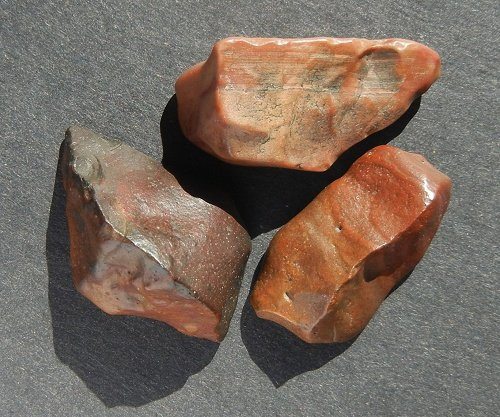
These rocks were made smooth by wind blowing smaller rock particles across their surface. This is an example of:
a)
ice wedging
b)
chemical weathering
c)
acid rain
d)
abrasion
29.

These rocks were broken apart from the continuous freeze/thaw of water in the cracks of the rocks. This is an example of:
a)
ice wedging
b)
acid rain
c)
permeability
d)
abrasion
30.
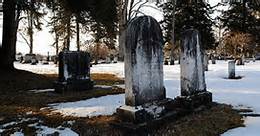
These gravestones have slowly broken down and turned a blackish color due to the action of:
a)
ice wedging
b)
abrasion
c)
acid rain
d)
mechanical weathering
31.
Weeds growing into the cracks in a sidewalk and the sidewalk begins to crumble is an example of:
a)
mechanical weathering
b)
chemical weathering
32.
Potholes forming in the road after a cold winter is an example of:
a)
mechanical weathering
b)
chemical weathering
33.
A metal statue slowly turning green after years of being outside is an example of:
a)
mechanical weathering
b)
chemical weathering
34.
A piece of sandstone changing color (from brown to rusty red) from exposure to water and air is an example of:
a)
mechanical weathering
b)
chemical weathering
35.
Acid rain wearing away the face of a marble gravestone or statue is an example of?
a)
mechanical weathering
b)
chemical weathering
100 %

