
 Worksheets
Galaxies
Total questions: 107
Worksheet time: 2hrs 29mins
Name
Class
Date
1.
A group of stars that form a galaxy is called what?
a)
cluster
b)
planet
c)
universe
d)
gravity
2.
Our galaxy is called the
a)
Earth Nebula
b)
The Hubble Galaxy
c)
The Milky Way
d)
The Snickers
3.
Galaxies are composed of (best answer)
a)
stars
b)
stars and gas
c)
stars, dust, and gas
d)
stars, dust, and gas held together by gravity
4.
The Milky Way Galaxy is a
a)
spiral
b)
lenticular
c)
elliptical
d)
irregular
5.

What type of galaxy is this?
a)
Spiral
b)
Elliptical
c)
Irregular
d)
Irrational
6.

What type of galaxy is this?
a)
Spiral
b)
Elliptical
c)
Irregular
d)
Irrational
7.
Distance measurement used by astronomers for distant objects.
a)
Kilometers
b)
Light Years
c)
Miles
d)
Light Seconds
8.
What is not a galaxy?
a)
Optical Galaxy
b)
Spiral Galaxy
c)
Elliptical Galaxy
d)
Irregular Galaxy
9.

What type of galaxy is this?
a)
Spiral
b)
Elliptical
c)
Irregular
d)
Irrational
10.
Place these objects in order from smallest to largest.
a)
Planets, solar system, universe, galaxy
b)
Solar system, planets, galaxy, universe
c)
Planets, solar system, galaxy, universe
d)
Galaxy, solar system, planets, universe
11.
Our sun is located on one of the Spiral Galaxy arms.
a)
True
b)
False
12.
The most abundant type of galaxy in the universe is an...
a)
Spiral Galaxy
b)
Elliptical Galaxy
c)
Irregular Galaxy
13.

What type of galaxy is this?
a)
Spiral
b)
Elliptical
c)
Irregular
d)
Irrational
14.
The type of galaxy that is the leftovers of two colliding galaxies is called the...
a)
Spiral Galaxy
b)
Elliptical Galaxy
c)
Irregular Galaxy
d)
Constellation Galaxy
15.
The closest star to the sun is the...
a)
Sirius A
b)
Barnard's Star
c)
Luhman16
d)
Proxima Centauri
16.
The type of galaxy that is composed of the older stars and low-mass stars.
a)
Spiral
b)
Elliptical
c)
Irregular
d)
Constellation
17.
What type of galaxy has no defined pattern or shape?
a)
Spiral
b)
Elliptical
c)
Irregular
d)
Constellation
18.
All existing matter and space considered as a whole is called what?
a)
Galaxy
b)
Planet
c)
Universe
d)
Milky Way
19.
No one knows how large the universe is.
a)
False
b)
True
20.
We can't see all of the stars in our galaxy because they
a)
are too far away
b)
are too hot
c)
are revolving too quickly
21.
There are other galaxies besides ours.
a)
True
b)
False
22.

What type of galaxy is this?
a)
Spiral
b)
Elliptical
c)
Irregular
d)
Irrational
23.

What type of galaxy is this?
a)
Spiral
b)
Elliptical
c)
Irregular
d)
Irrational
24.

What type of galaxy is this?
a)
Spiral
b)
Elliptical
c)
Irregular
d)
Irrational
25.
How are galaxies held together.
a)
gas
b)
dust
c)
stars
d)
gravitational attraction
26.

What type of galaxy is this?
a)
Spiral
b)
Elliptical
c)
Irregular
d)
Irrational
27.

What type of galaxy is this?
a)
Spiral
b)
Elliptical
c)
Irregular
d)
Irrational
28.
All stars begin as a __________?
a)
giant
b)
black hole
c)
white dwarf
d)
nebula
29.
pulls clusters of stars together in most galaxies.
a)
air
b)
Big Bang Theory
c)
gravity
d)
dark energy
30.
Earth is __________ astronomical units from the Sun…
a)
A. 0.5
b)
B. 0.8
c)
C. 1.0
d)
D. 1.5
31.
A galaxy is a large collection of stars, gas and dust. What is responsible for holding the stars, gas, and dust together in a galaxy?
a)
heat
b)
light
c)
gravity
d)
friction
32.
Does light travel instantaneously (right away)?
a)
Light does not travel instantaneously; it takes time for light to travel through the universe.
b)
Light travels instantaneously; it takes no time for
light to travel through the universe.
33.
When we look at images of astronomical bodies are we looking at them in the present?
a)
Looking at current images of distant astronomical bodies
is like looking back in time; the light that we see does not show what the
object looks like now but how it looked when the light was emitted.
b)
Looking at current images of distant astronomical bodies
is like looking forward in time; the light that we see does not show what the
object looks like now but how it will look when our galaxies align.
c)
Looking at current images of distant astronomical bodies
is like looking at a our current point in time; the light that we see shows what the
object looks like now.
34.
Types of galaxies include all of the following EXCEPT...
a)
Spiral
b)
Elliptical
c)
Irregular
d)
Galactic
35.
a starlike source of energy located in the center of a galaxy
a)
open cluster
b)
quasar
c)
nebula
d)
asteroid
36.
a concentrated group of up to a million stars that looks like a ball
a)
open cluster
b)
globular cluster
c)
quasar
d)
galaxy
37.

What word best describes our sun?
a)
Average
b)
Supergiant
c)
Dwarf
d)
Red Giant
38.
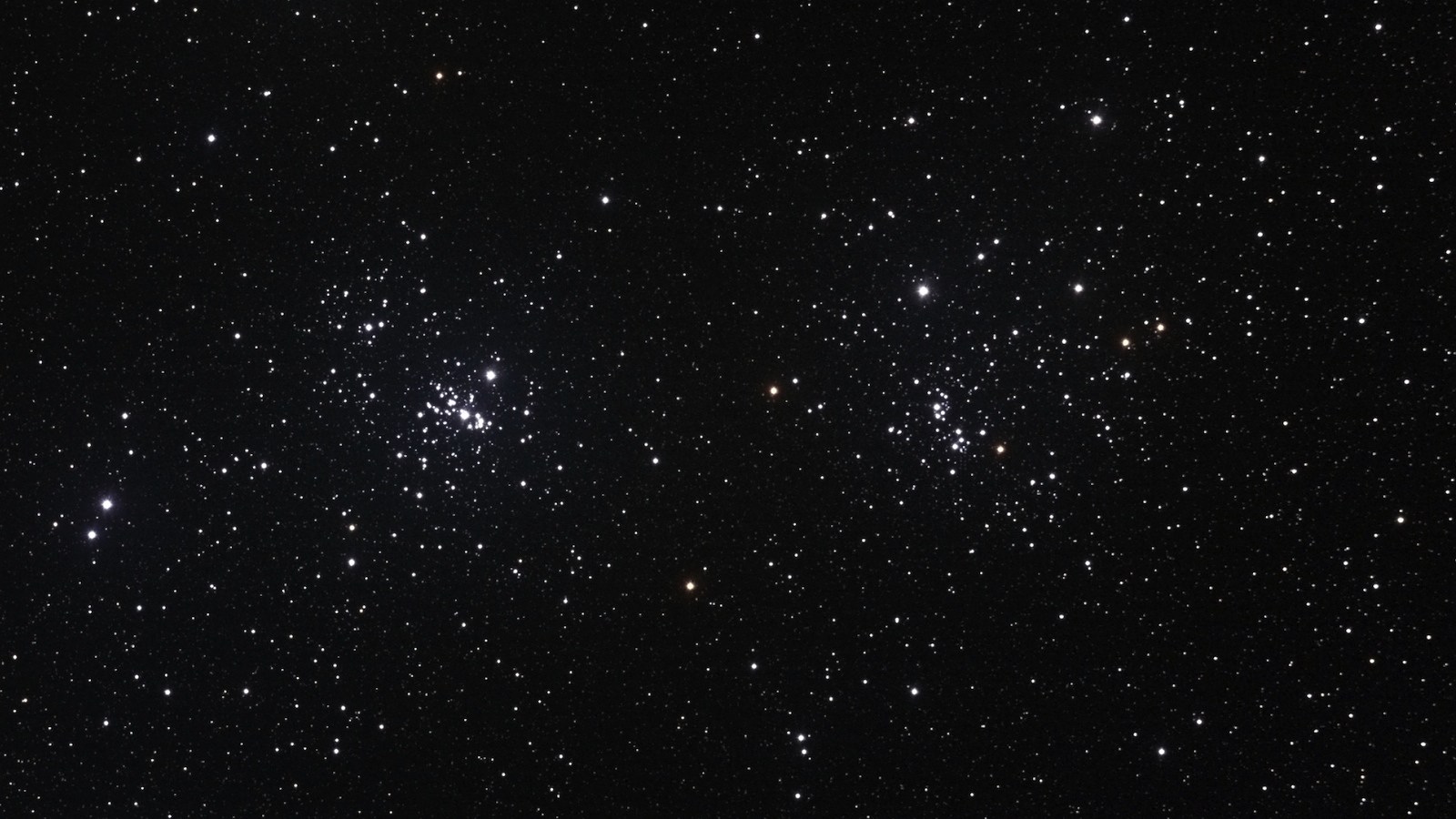
Why do other stars appear so much smaller than the sun?
a)
They are much smaller
b)
They are so far away
c)
They are not as bright
d)
They are dwarf stars
39.

What color of star is the hottest?
a)
Blue
b)
Red
c)
Yellow
d)
Orange
40.

What color of star is the coolest?
a)
Red
b)
Yellow
c)
Blue
d)
White
41.

What is the name of the largest stars?
a)
Protostars
b)
Supergiants
c)
Red Giants
d)
Dwarf Stars
42.

Why does the sun look small in the sky to us?
a)
It is 93,000,000 miles away
b)
It is smaller than Earth
c)
It is not very bright
d)
It travels around Earth
43.

What is the name of baby stars?
a)
Dwarf
b)
Supergiant
c)
Protostars
d)
Nebulas
44.
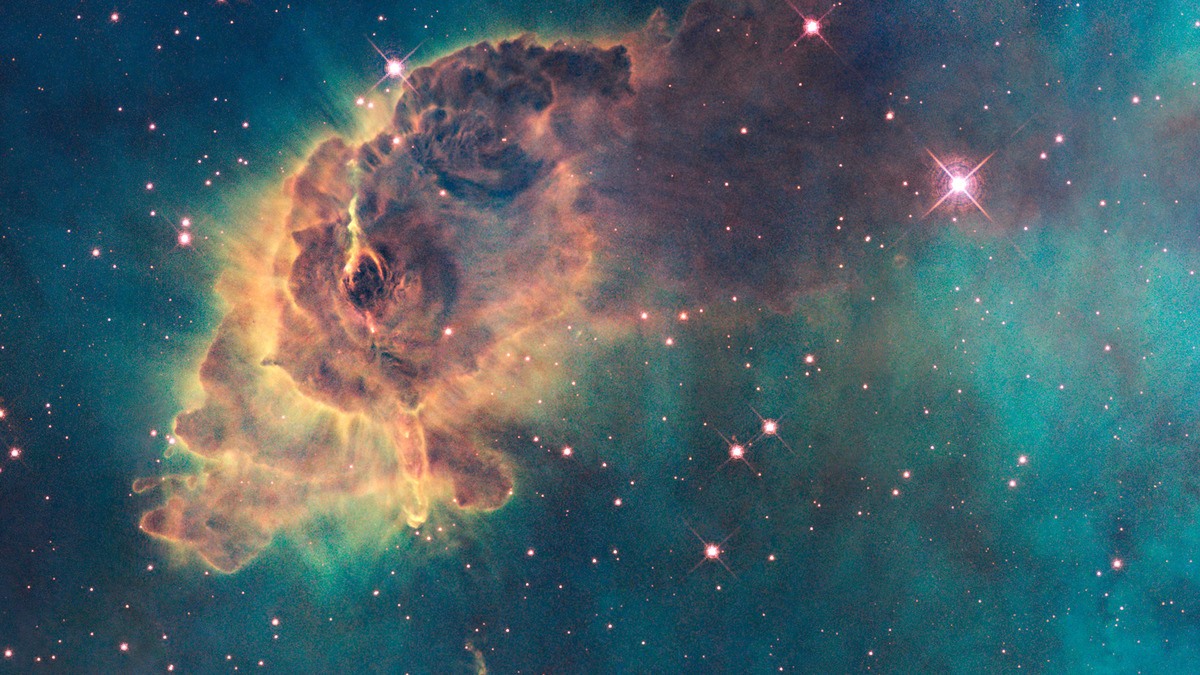
What is the name of the gas/dust clouds that form stars?
a)
Nebulas
b)
Protostars
c)
Supernova
d)
Neutron Star
45.
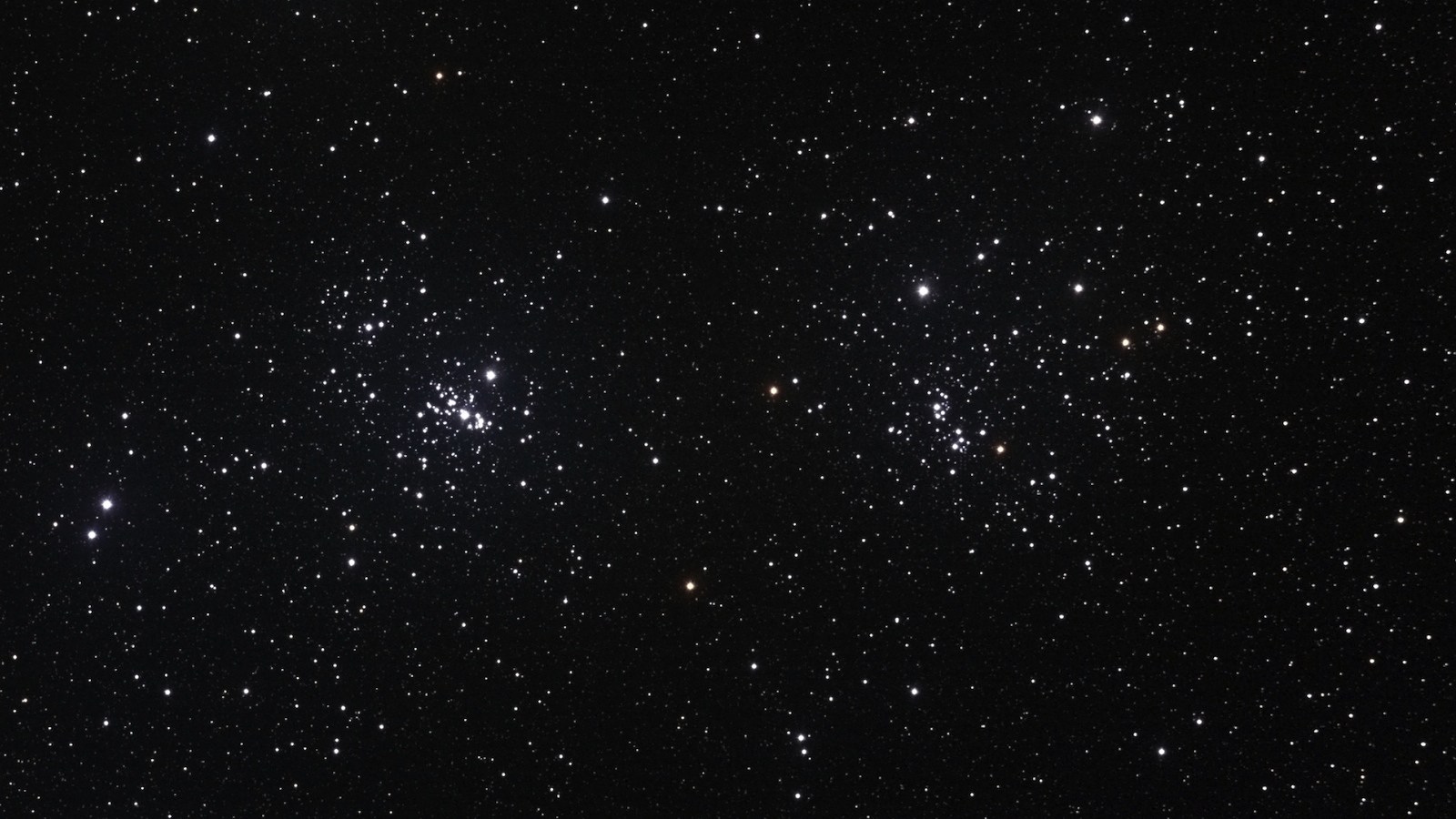
True or False
Stars are really close together in outer space.
Stars are really close together in outer space.
a)
True
b)
False
46.

True or False
Constellations are stars that appear to be in a pattern.
Constellations are stars that appear to be in a pattern.
a)
True
b)
False
47.
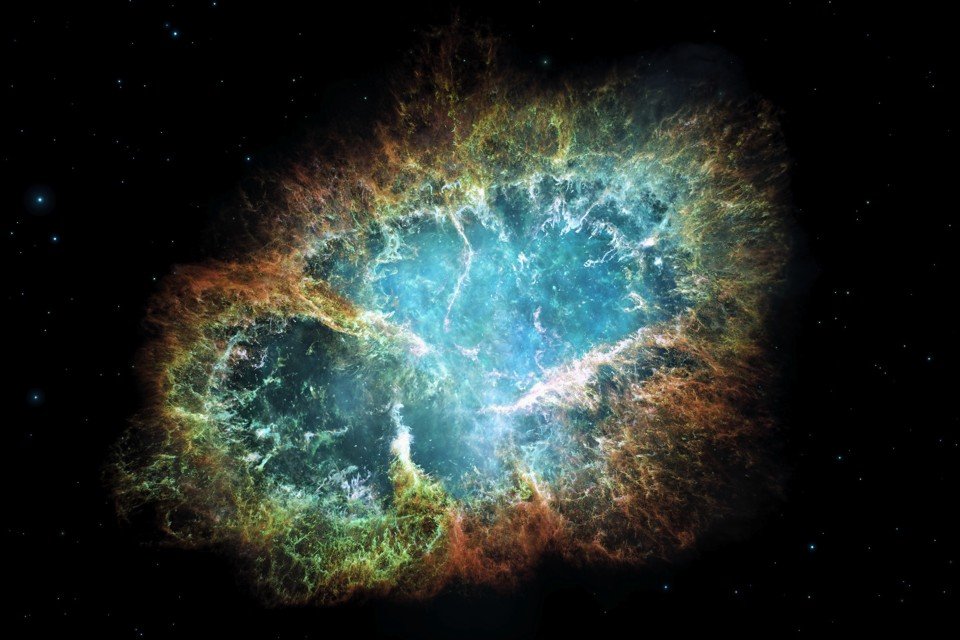
What is the name of the explosion at the death of a massive star?
a)
Supergiant
b)
Supernova
c)
Black Hole
d)
Nebula
48.

To get the sun to appear bigger in our sky, how would the distance between the sun and earth have to change?
a)
Earth would have to move closer to the sun
b)
Earth would have to move farther from the sun
49.

What are stars?
a)
Rocky bodies
b)
Hot exploding balls of gas
c)
5 pointed shapes
d)
Hollywood actors
50.

In the diagram given, what happens as we move to the left?
a)
Stars Get Larger
b)
Stars get Colder
c)
Stars get hotter
51.

Which star is the coldest?
a)
Yellow Star
b)
Red Star
c)
Orange Star
d)
Blue Star
52.
Which of these stars is hottest?
a)
Red Star
b)
Yellow Star
c)
Orange Star
d)
Blue Star
53.
Compared to the rest of the stars, our sun is considered...
a)
Extremely Large and Cold
b)
Small with a medium temperature
c)
Medium size with medium temperature
54.
Which category is our Sun located in?
a)
White Dwarfs
b)
Supergiants
c)
Main Sequence
d)
Giants
55.

As a whole, Giants are considered hotter than White Dwarfs.
a)
True
b)
False
56.
Which of the following star remnants is the least massive?
a)
White Dwarf
b)
Neuton Star
c)
Black Hole
57.

What is the best title for this picture?
a)
Birth of a Star
b)
Birth of a Universe
c)
Life Cycle of a Low Mass Star
d)
Life Cycle of a High Mass Star
58.
What is the process that occurs in the core of a star, like the sun, that produces energy?
a)
fission
b)
fusion
c)
decay
d)
convection
59.
The category that contains the most stars is...
a)
Main Sequence
b)
Supergiants
c)
Giants
60.
Nebulae are considered "Stellar Nurseries" because...
a)
Planets are created from the gases
b)
Stars form from them
c)
Asteroids are formed from them
61.
A Super Giant star will eventually turn into...
a)
a neutron star or a black hole.
b)
a red giant.
c)
a main sequence star.
d)
a white dwarf or a black dwarf.
62.

What type of star is bright, but cool?
a)
Main Sequence
b)
Red Giant
c)
White Dwarf
d)
Neutron Star
63.
What type of star is dim, but hot?
a)
Main Sequence
b)
Red Giant
c)
White Dwarf
d)
Neutron Star
64.
Why do massive stars have shorter life-spans than average stars?
a)
They have less steps in their life-cycle
b)
They have less fuel to burn
c)
They burn through their fuel faster
d)
All of the above
65.
Process in which lighter elements (hydrogen) combine to form heavier elements (helium).
a)
Luminosity
b)
Nuclear Fusion
c)
Supernova
d)
Star
66.
The color of a star depends on its
a)
size
b)
temperature
c)
shape
d)
magnitude
67.
Super nova leads to the formation of elements heavier than Iron (Fe) due to the intense _________ and ______________.
a)
Magnitude and Velocity
b)
heat and pressure
c)
beauty and explosive force.
68.
Is the sun a star?
a)
yes
b)
no
69.
What do we use to classify the temperature, brightness, and size of stars?
a)
Color
b)
The star's shape
c)
H-R Diagram
70.
Which measurements allows astronomers to compare the brightness of stars?
a)
parallax
b)
red shift
c)
absolute magnitude
d)
apparent magnitude
71.
Which statement describes stars from coolest to hottest?
a)
blue, white, red, orange
b)
white, yellow, orange, red
c)
orange, yellow, blue white
d)
red, orange, yellow, white, blue
72.
Because the Earth is 93 million mies from the Sun, the light from this star takes_____ to reach us.
a)
8 hours
b)
1 hour
c)
8 minutes
73.
True or False:
The North Star is called POLARIS?
The North Star is called POLARIS?
a)
T
b)
F
74.

Which star has the lowest luminosity?
a)
A
b)
B
c)
C
d)
D
75.

Which star has the lowest temperature?
a)
A
b)
B
c)
C
d)
D
76.

Which star is considered a Main Sequence Star?
a)
A
b)
B
c)
C
d)
D
77.
The main elements in a star's composition are _______ and ________.
a)
hydrogen, helium
b)
carbon, helium
c)
hydrogen, iron
d)
helium, dark matter
78.
What is the earliest stage of a star's life cycle?
a)
protostar
b)
white dwarf
c)
neutron
d)
red giant
79.
Brightness of a star as seen from Earth
a)
parallax
b)
apparent magnitude
c)
absolute magnitude
d)
spectrum
80.
What is magnitude?
a)
the process inside a star that produces the star's energy
b)
term used by scientists to describe a star's brightness
c)
star groupings in space
d)
the process inside a star that produces the star's energy
81.
______ is a force that causes dust particles to stick together in a nebula.
a)
nuclear fusion
b)
gravity
c)
hydrogen
d)
friction
82.
The life cycles of stars are determined by their:
a)
mass (size)
b)
color
c)
distance from Earth
d)
luminosity
83.

Which of these puts the main parts of an average star's life cycle in the correct order?
a)
protostar>
main sequence>
red giant >
white dwarf
main sequence>
red giant >
white dwarf
b)
protostar >
main sequence>
white dwarf>
red giant
main sequence>
white dwarf>
red giant
c)
main sequence>
protostar>
white dwarf>
red giant
protostar>
white dwarf>
red giant
d)
protostar>
red giant >
main sequence>
white dwarf
red giant >
main sequence>
white dwarf
84.
What is the name of the gas/dust clouds where all stars form?
a)
Nebulas
b)
Protostars
c)
Supernova
d)
Neutron Star
85.
After the main sequence, a high mass star becomes a
a)
black dwarf
b)
protostar
c)
red giant
d)
supergiant
86.
After the main sequence, a low mass star becomes a
a)
black dwarf
b)
protostar
c)
red giant
d)
supergiant
87.
Which is not an end stage of a star?
a)
black giant
b)
black hole
c)
neutron star
d)
black dwarf
88.
The final stage of a low mass star is a
a)
neutron star
b)
nebula
c)
black hole
d)
black dwarf
89.
After a supergiant, a high mass star explodes and forms a
a)
supernova
b)
red giant
c)
black hole
d)
planetary nebula
90.
Visible light is the only type of electromagnetic radiation.
a)
True
b)
False
91.
Telescopes brighten, resolve, and magnify images.
a)
True
b)
False
92.
Spectral lines help scientists to determine the chemical composition of remote astronomical objects.
a)
True
b)
False
93.
Scientists use what are known as "spectrometers" to view the atomic spectra of various gasses.
a)
True
b)
False
94.
Every element has its own unique atomic spectra.
a)
True
b)
False
95.
Red light is "hotter" than blue light.
a)
True
b)
False
96.

Which is the correct order of EM radiation, from highest to lowest frequency?
a)
radio, microwave, visible, X-ray, gamma
b)
gamma, ultraviolet, visible, infrared, radio
c)
gamma, microwave, X-ray, visible, ultraviolet
d)
microwave, visible, gamma, radio, infrared
97.
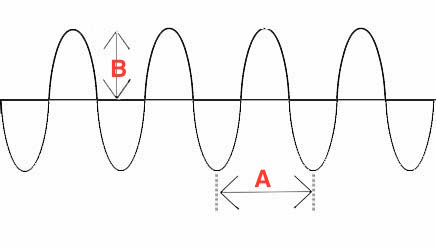
What property of this wave is represented by the letter "A"
a)
amplitude
b)
crest
c)
trough
d)
wavelength
98.

The highest point on a wave, letter a in picture
a)
the crest
b)
the trough
c)
the top
d)
the coast
99.

The lowest point on a wave, letter b in picture is the
a)
Amplitude
b)
Crest
c)
Trough
d)
Wavelength
100.

The number of wavelengths that pass a point each second is:
a)
frequency
b)
period
c)
longitudinal
d)
transverse wave
101.

Which section of the spectrum is the ONLY one we can see?
a)
X-rays
b)
Visible Light
c)
Gamma Rays
d)
Ultraviolet Rays
102.

What do spectroscopes do?
a)
Collect light to identify elements
b)
Refract light
c)
Absorb light
d)
Transmit light
103.

Why are line emission spectra of elements called "atomic fingerprints"?
a)
They are all the same
b)
They are all unique
c)
They are all similar
d)
They all contain colored light
104.

The characteristic color bands that a hot, dilute gas emits are called...
a)
emission spectra
b)
absorption spectra
c)
continuous spectra
d)
black body radiation
105.
True or False: Every element has its own unique emission spectrum.
a)
True
b)
False
106.
Scientists use spectra from stars to determine...
a)
the temperature of a star.
b)
the composition of a star.
c)
the star's distance from Earth.
d)
the star's movement.
107.
FILL IN THE BLANK
When an object looks as if the position has shifted when it is viewed from different locations, this refers to as_____
When an object looks as if the position has shifted when it is viewed from different locations, this refers to as_____
a)
Parallax
b)
Space Dimentia
c)
Space Continuem
d)
none of these
100 %

