
 Worksheets
Weathering, Erosion & Deposition
Total questions: 33
Worksheet time: 1hrs 19mins
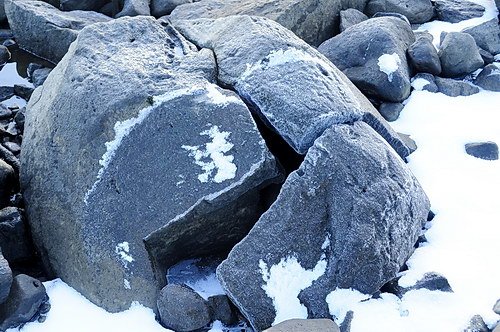
How does freezing water cause the weathering of rocks? The freezing water—
keeps the rocks in place.
makes the rocks last longer.
expands cracks and breaks rocks.
causes rocks to fall in landslides.
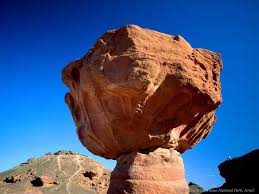
The process that breaks down rocks and other materials on Earth's surface is called
Weathering
Erosion
Deposition
Decomposition

Over long periods of time, deposition may change the Earth’s surface by _____.
forming new land features.
breaking down large rocks into smaller ones.
washing away beaches.
moving topsoil.

A cliff formed near the ocean. Which statement best describes how this cliff formed?
Warm air melted the rock.
Sun rays evaporated the rock.
Ocean waves washed away rock.
Plant roots pushed away the rock.


What causes the greatest erosion effect on our beaches?
Waves
Gravity
Glaciers
Wind

What is an enormous mass of ice moving over land, causing weathering of rock and soil?
A glacier
An iceberg
An ice wedge
A sand dune
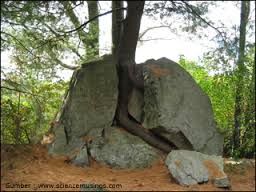
How do plants weather rocks?
During photosynthesis
When roots grow into cracks of rocks and expand the rock breaks.
When the plant moves water from the roots to the leaves, the rock breaks.
Plants don't weather rocks.
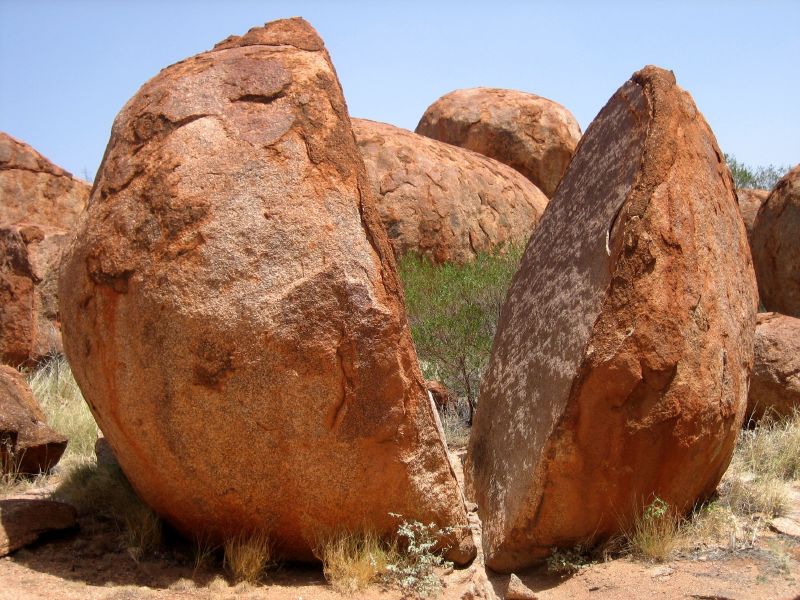
What is the wearing away or breaking down of rocks called?
Deposition
Erosion
Glaciers
Weathering

Which of the following is NOT a slow change to Earth's surface?
Weathering
Erosion
Deposition
Landslides
A delta is formed by the action of -
weathering
erosion
deposition
condensation
Some agents of weathering are water, wind, ice, temperature and plant roots.
true
false


_____ is the process by which soil and sediment (weathered rock) are transported (moved) from one place to another by water, wind, glaciers, and gravity
Erosion
Deposition
Weathering
Running Water

A farmer's topsoil is blown away during a hurricane is an example of ___________.
weathering
erosion
deposition

Which soil retains the most water?
soil 1
soil 2
soil 3
soil 4

Rocks being picked up and carried downstream is an example of ____________.
weathering
erosion
deposition
Wind blasting sand at rock and carving out arches
weathering & erosion
erosion & deposition
deposition & weathering
Glaciers dropping rock and sand to form terminal moraines
weathering
erosion
deposition
Which if the following is NOT a form of weathering?
Plant roots growing through rocks.
Ice grinding on rocks.
Water moving particles down stream
Rocks rubbing against each other.

Which of the following is NOT a property of soil?
Color
Texture
Where it's located
Ability to retain water
Ellen grabs a topsoil sample in her hand. She rolls it into a ball. The soil feels gritty and the ball falls apart. What property of soil is Ellen testing?
color
texture
ability to support plant growth
water retention
Which soil would retain the least amount of water?
gravel
silt
sand
clay

A student wanted to investigate which type of soil retains the most water. She put 200 mL of water in each type of soil. The results are shown above.
According to the diagram above, which soil retains the LEAST amount of water?
Soil A
Soil B
Soil C
Soil D
When is your test?
Tomorrow
Thursday
Friday
Saturday

