
 Worksheets
Great Depression Causes, Life & Hoover's Response Quiz
Total questions: 43
Worksheet time: 32mins
A homeless and usually penniless wanderer.
baliff
poor
hobo
homeless
A serial drama on television or radio using melodramatic situation.
theater
soap opera
hobo
baliff
Projects such as highways, parks, and libraries built with public funds for public use.
community
relief
public works
foreclosure
Aid in the form of money or supplies for those in need.
relief
community
public works
foreclosure
To take possession of a property from a mortgagor because of defaults on payments.
foreclosure
public works
relief
community help
The Depression improved steadily during President Hoover's administration.
True
False
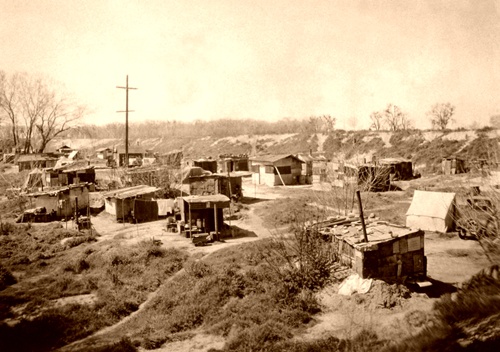
Blaming the president for their plight, newly homeless people established shantytowns they called Hoovervilles.
True
False
The Dust Bowl occurred primarily because plowed land was left uncultivated and there was a terrible drought.
True
False
During the 1920s, dust storms blackened the skies of the Great Plains for hundreds of miles.
True
False
"Okies" were usually farmers who sold their land and used the profits to travel to California and begin new lives.
True
False
During the Depression, charities set up ____________ to give poor people meals.
soup kitchen
community
public works
Dust Bowl
During the Depression, many people were able to enjoy which two popular forms of entertainment?
movies and radio
theater and radio
movies and television
theater and sports
The first feature-length animated film was
Alladin
Lion King
Wizard of Oz
Snow White and the Seven Dwarfs
After the Federal Reserve Board refused to put more money into circulation, President Hoover set up the National Credit Corporation to create a pool of money for troubled banks.
True
False
The Reconstruction Finance Corporation marked the first time the federal government established an agency to stimulate the economy during peacetime.
True
Fase
The group of WWI veterans who marched on Washington in 1932 was called the Bonus Corp.
True
False
President Hoover did not want the government to create as many new jobs as the millions of unemployed people needed because that would require.
increasing government spending
much lower unemployment
reform of federal taxes
increasing government regulations
As creditors foreclosed on nearly one million farms between 1930 and 1934, some farmers destroyed their crops in a desperate attempt to
raise prices by reducing supply
call public attention to their plight
find ways to feed their families
retaliate against the government
When the Senate voted down a bill that promised the immediate payment of the $1,000.00 bonus to each veteran of WWI, some veterans
camped in vacant buildings in Washington D.C.
burned down public buildings
Marched to Oregon
demonstrated in front of their state capitals.
President Hoover's image was tarnished by the Bonus Marchers as well as by the
lingering Depression
public work funds
emergency loans to states
NCC
The unemployment rate was _________ during the Great Depression.
5%
20%
15%
25%
Famous John Steinbeck novel written about the Dust Bowl.
Grapes of Wrath
Wizard of Oz
Wrath of Mother Nature
Grapes on the Vine

Which of these was NOT a cause of the Great Depression?
World War II disrupted the international economy.
A severe drought caused many farmers' crops to fail.
Few people were spending money due to unemployment.
The stock market lost eighty percent of its value over a few years.
Many investors lost a lot of money in the Stock Market Crash of 1929 because
they lost all the money they had in the bank.
the stock market closed and they lost their jobs.
the savings they had were in stocks that lost their value.
the price of stocks increased and they could not afford new stocks.
What caused the Dust Bowl phenomenon and led many families to migrate from Oklahoma and Texas during the 1930s?
a blizzard
a drought
a flood
a wildfire
When the economy is expanding, leading to a rise in stock prices and increased investing, the market is described as a...
DOW-JONES Cycle
Bear Market
Boom-Bust Cycle
Bull Market

