
NEW
Font size
S
M
L
XL
 Worksheets
Geology Review 1
Total questions: 28
Worksheet time: 23mins
Name
Class
Date
1.
Which type of rock results from melting and cooling of magma?
a)
Igneous
b)
Metamorphic
c)
Sedimentary
d)
Extrusive
2.
Which type of rock forms from extreme heat and pressure?
a)
Igneous
b)
Sedimentary
c)
Organic
d)
Metamorphic
3.
A metamorphic rock changes into an igneous rock by what two processes?
a)
Melting and cooling
b)
Extreme heat and pressure
c)
Compaction and cementation
d)
Weathering and erosion
4.
Wind, water, and ice breaking down rock is called
a)
Erosion
b)
Deposition
c)
Compaction
d)
Weathering
5.
What is the MAIN way rocks are classified?
a)
Their color and shapes
b)
How they form
c)
Mineral bands
d)
Where they form
6.
True/False: Igneous rocks can only turn into metamorphic rocks.
a)
True
b)
False
7.
The process in which dissolved minerals crystallize and glue sediment together.
a)
compaction
b)
deposition
c)
organic rock
d)
cementation
8.

When sediments are pressed together tightly, this is called ____________.
a)
Compaction
b)
Cementation
c)
Weathering
d)
Erosion
9.
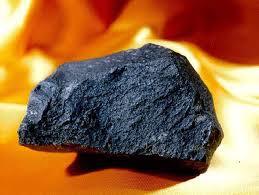
This rock was found near the mouth of a volcano. What type of rock is this?
a)
Sedimentary
b)
Igneous
c)
Metamorphic
10.
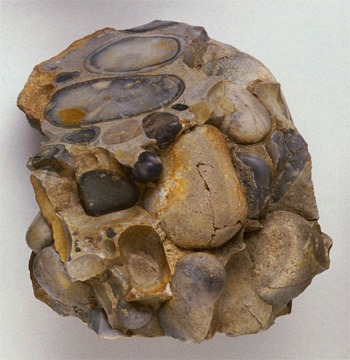
This rock was formed by smaller pieces of rock that settled at the bottom of a lake millions of years ago. What type of rock is this?
a)
Sedimentary
b)
Igneous
c)
Metamorphic
11.
What are the 3 major types of rocks?
a)
Igneous, Metamorphic, Sedimentary
b)
Metamorphic, Igneous, Cementation
c)
Brown, Red, Gray
d)
Streak, Hardness, Breakage
12.

This rock started as lava that cooled and then was heated and put under pressure over time. What type of rock is this?
a)
Sedimentar
b)
Igneous
c)
Metamorphic
13.

This rock started as molten magma. What type of rock is this?
a)
Sedimentary
b)
Igneous
c)
Metamorphic
14.

This rock is made from tiny pieces of other rocks that settled to the bottom of a valley millions of years ago. What type of rock is this?
a)
Sedimentary
b)
Igneous
c)
Metamorphic
15.

This rock was molten magma that slowly cooled under the ground. What type of rock is this?
a)
Sedimentar
b)
Igneous
c)
Metamorphic
16.

This rock cooled on the outside of a volcano and contained air bubbles when it was forming. What type of rock is this?
a)
Sedimentary
b)
Igneous
c)
Metamorphic
17.

After lots of time, pressure, and heat, you get this kind of rock. What type of rock is this?
a)
Sedimentary
b)
Igneous
c)
Metamorphic
18.

Each rock type can follow only one pathway of the rock cycle.
a)
True
b)
False
19.
Fossils are often found in ____________ because it is formed from the remains of once living things.
a)
metamorphic
b)
magma
c)
igneous
d)
sedimentary
20.

This rock was formed by lots of fossils that settled on top of each other over time. What type of rock is this?
a)
Sedimentary
b)
Igneous
c)
Metamorphic
21.

the general terms for the movement of sediment by wind, water, glaciers
a)
weathering
b)
erosion
c)
deposition
22.

the breakdown of rock into smaller pieces of the same rock without any change in its composition
a)
mechanical weathering
b)
chemical weathering
c)
erosion
d)
deposition
23.

the breakdown or decomposition of rock that takes place when minerals change through chemical processes
a)
chemical weathering
b)
mechanical weathering
c)
erosion
d)
deposition
24.

the process in which sediment particles are picked up and moved from one place to another
a)
mechanical weathering
b)
chemical weathering
c)
erosion
d)
deposition
25.

the part of the erosion process in which sediment travels to a new location and is laid down or dropped off
a)
chemical weathering
b)
mechanical weathering
c)
erosion
d)
deposition
26.

Roots grow into cracks of a rock and pry them apart
a)
mechanical weathering
b)
chemical weathering
c)
erosion
d)
deposition
27.

oxidation produces rust on some rocks containing iron
a)
chemical weathering
b)
mechanical weathering
c)
erosion
d)
deposition
28.

rock is broken by the freezing and thawing of ice
a)
chemical weathering
b)
mechanical weathering
c)
erosion
d)
deposition
Reset

